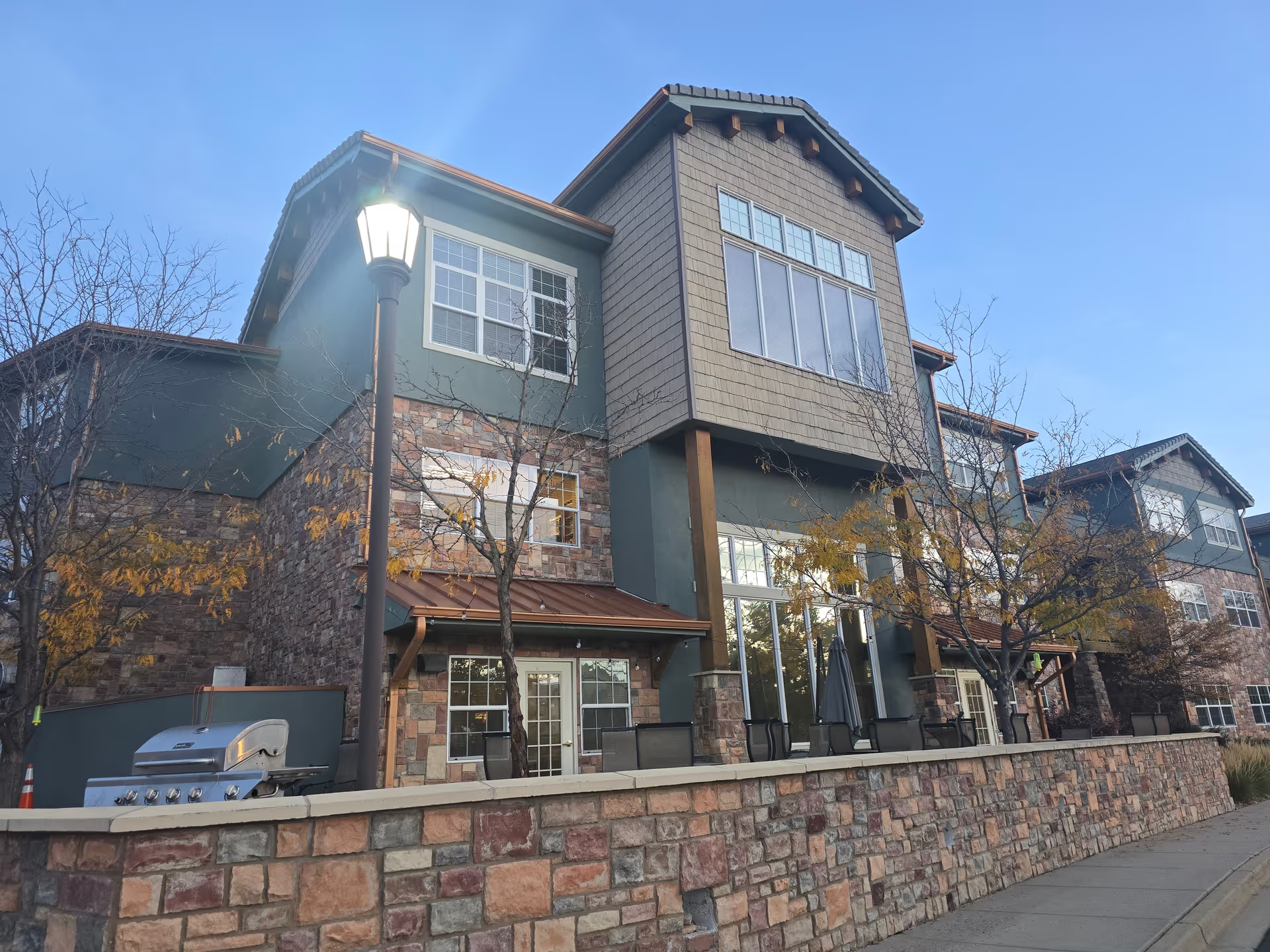
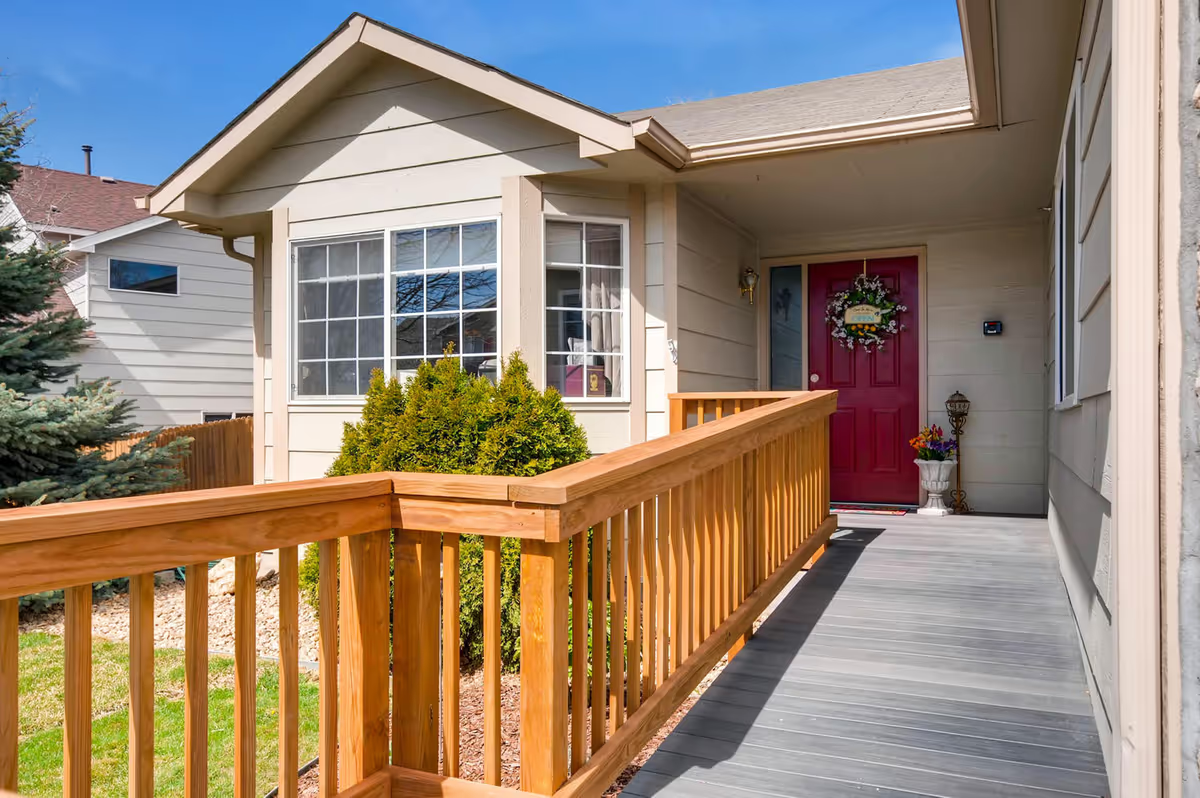
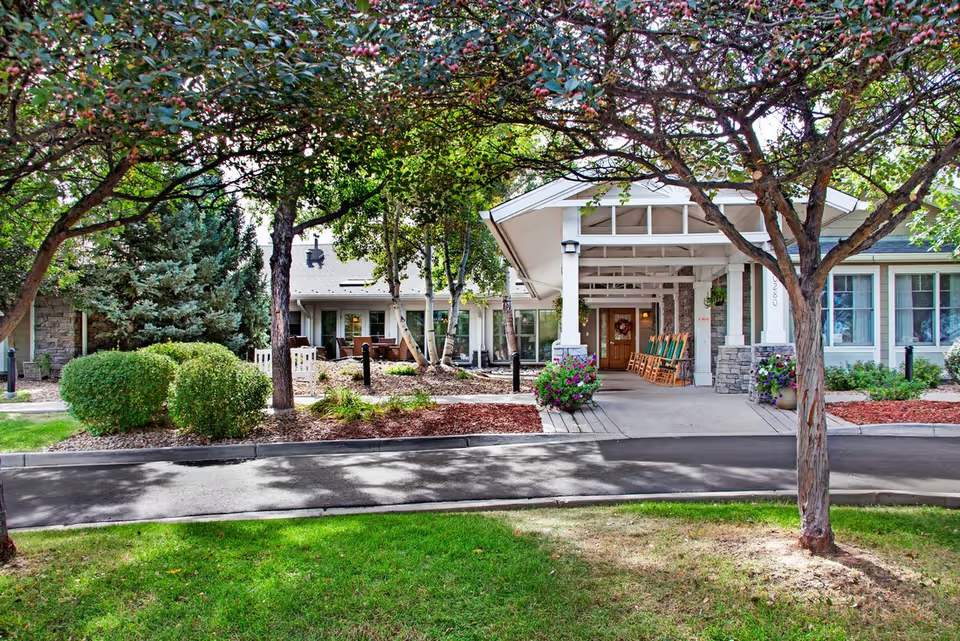
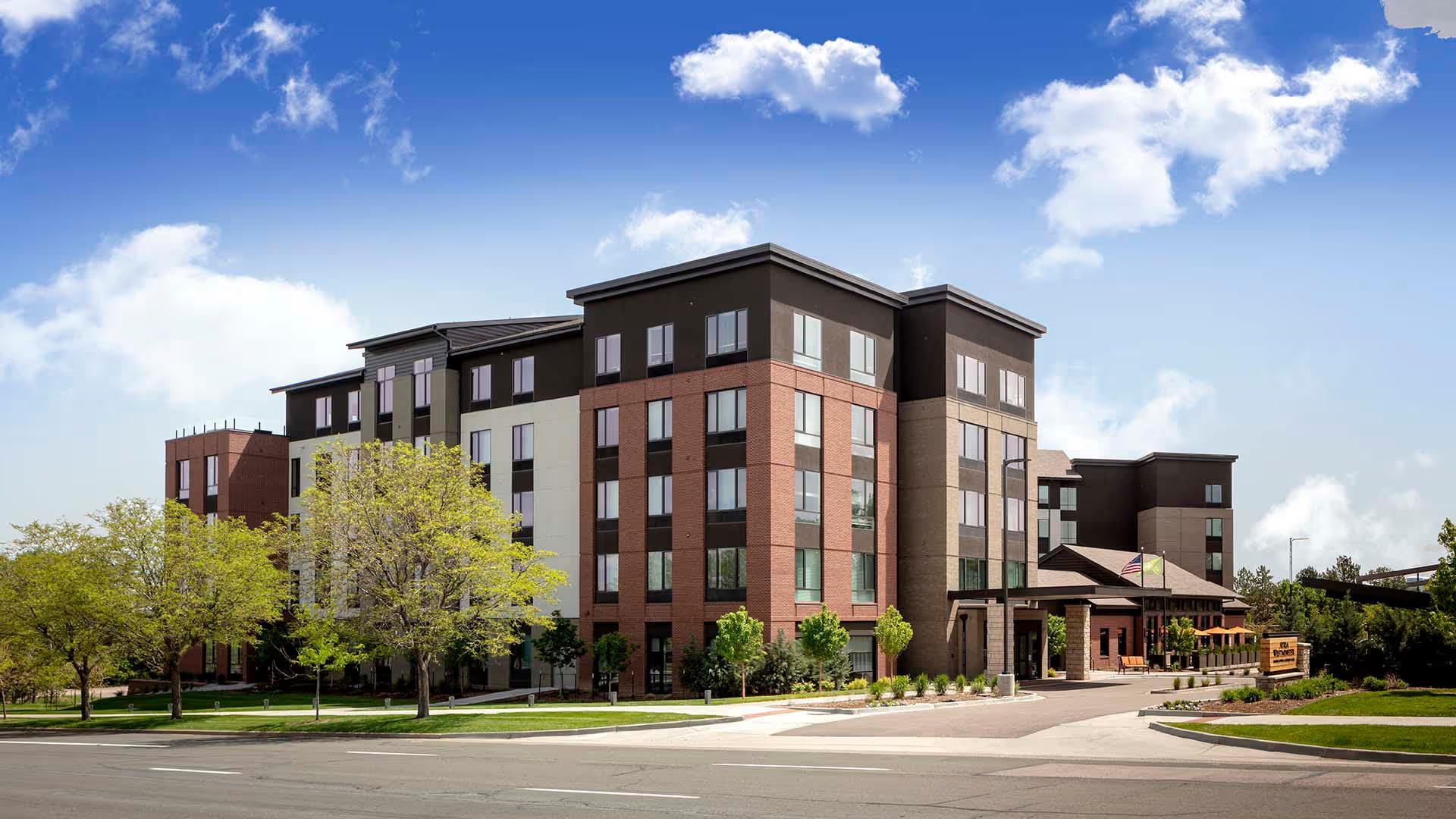
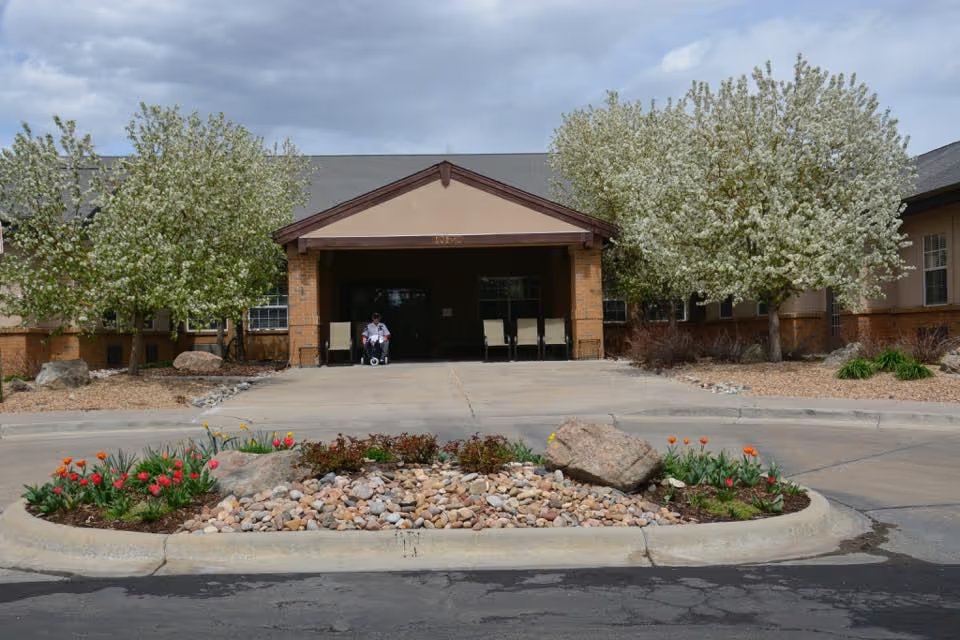
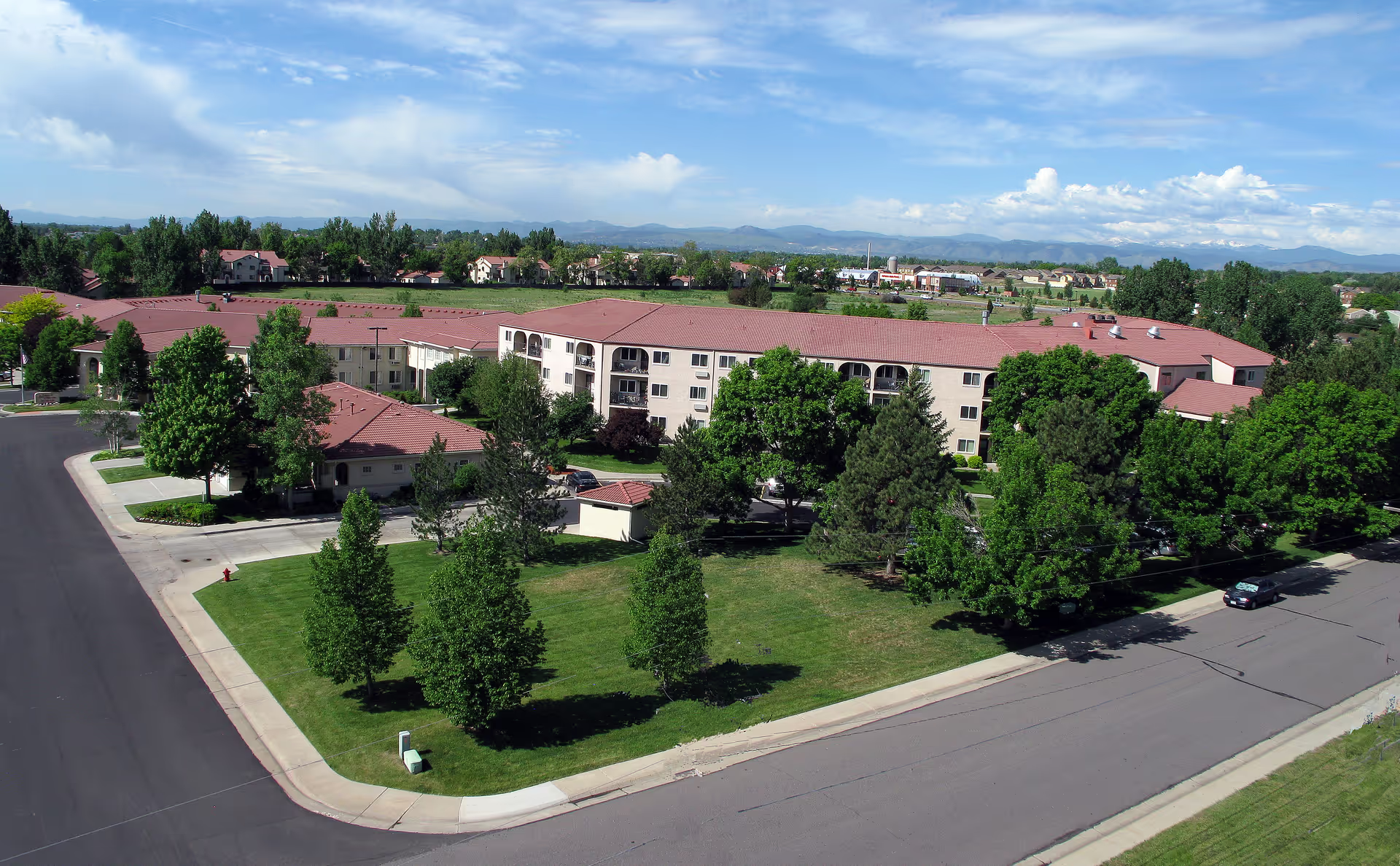
Northglenn Heights presents a mixed profile for prospective residents and families. Many accounts highlight compassionate, personable caregivers and nurses who take time to know residents, provide individualized attention, and create a family-like atmosphere. The property has benefited from renovations—common areas, grounds, and certain memory-care spaces are described as attractive and well maintained—and several families praised staff responsiveness, event programming, and meaningful special occasions.
Care quality appears uneven. Positive experiences emphasize attentive staff and effective one-on-one support, but other families described inconsistent clinical follow-through, medication delays or runouts, and mistakes in medication administration. These clinical-process issues appear linked to staffing instability: reviewers cite frequent leadership changes, high staff turnover, and periods of being short-staffed. When staffing is stable, memory-care programming and personalized support are frequently noted as strengths; when staffing is inconsistent, families report reduced responsiveness and longer waits for assistance.
Dining and activities are often strengths but vary by unit and time. Multiple reviewers commend tasty meals, a large dining area, regular social programs (happy hour, live entertainment, games, and outings), and on-site services such as a barber shop and convenience store. Conversely, other families describe inconsistent meal quality, interruptions to meal service, and activity programming that is less robust on some floors—particularly some memory-care areas that have fewer communal spaces and limited shared resources.
Facility condition and operations show a dual picture. Parts of the building are recently renovated and well kept, with pleasant patios and balcony views; other comments describe overdue maintenance in individual rooms, cleanliness and sanitation concerns in some apartment areas, and nonfunctional amenities (for example, library materials or machines out of service). Administrative and communication practices were another recurring theme: ownership or management changes without timely notification, lost contact information, unclear move-out procedures, and mixed experiences with customer service. Some families had smooth, communicative interactions and quick resolution of billing discrepancies, while others reported poor follow-through, difficulty obtaining callbacks, and unresolved move-out issues.
There are a few serious individual concerns that warrant attention and further inquiry: several reviewers referenced an allegation of theft or financial misconduct, questions about medication handling, and concerns following a resident's death. These are distinct from the overall pattern but important to raise with facility leadership and, if necessary, regulatory authorities before placement.
In sum, Northglenn Heights can offer a warm community environment and strong one-on-one caregiving when staffing and leadership are stable. Prospective residents and families should tour the specific neighborhood and memory-care areas they are considering, ask for recent staffing and turnover metrics, request written medication‑management and incident-response policies, and obtain clear, documented answers on billing, move-in/out procedures, and how the facility addresses maintenance and sanitation issues. Doing so will help families weigh the facility's tangible strengths against the operational inconsistencies described by other families.