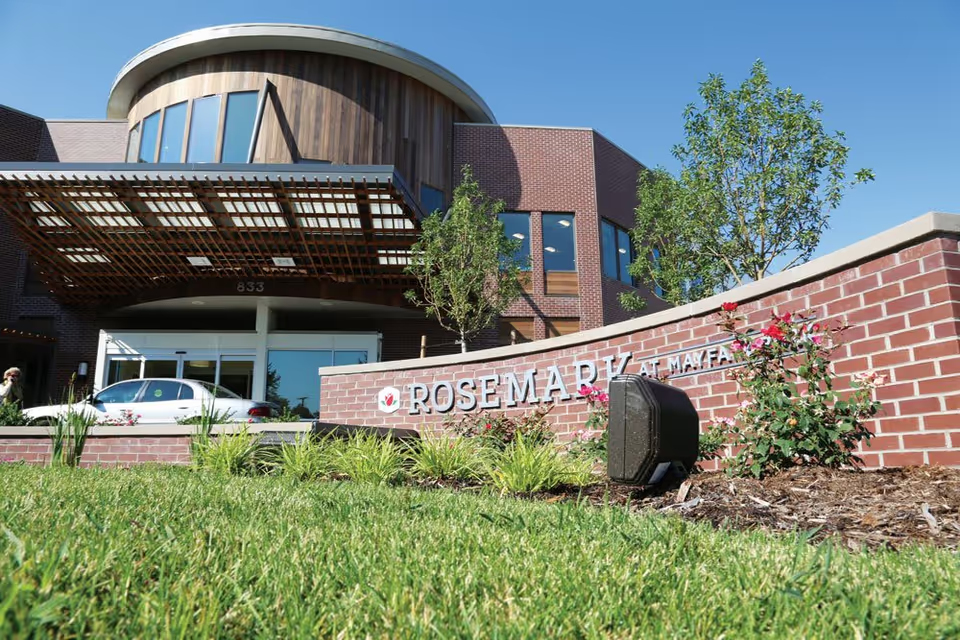
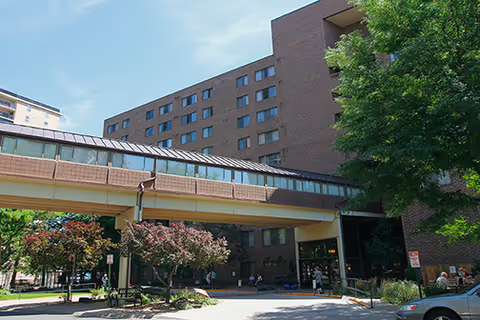
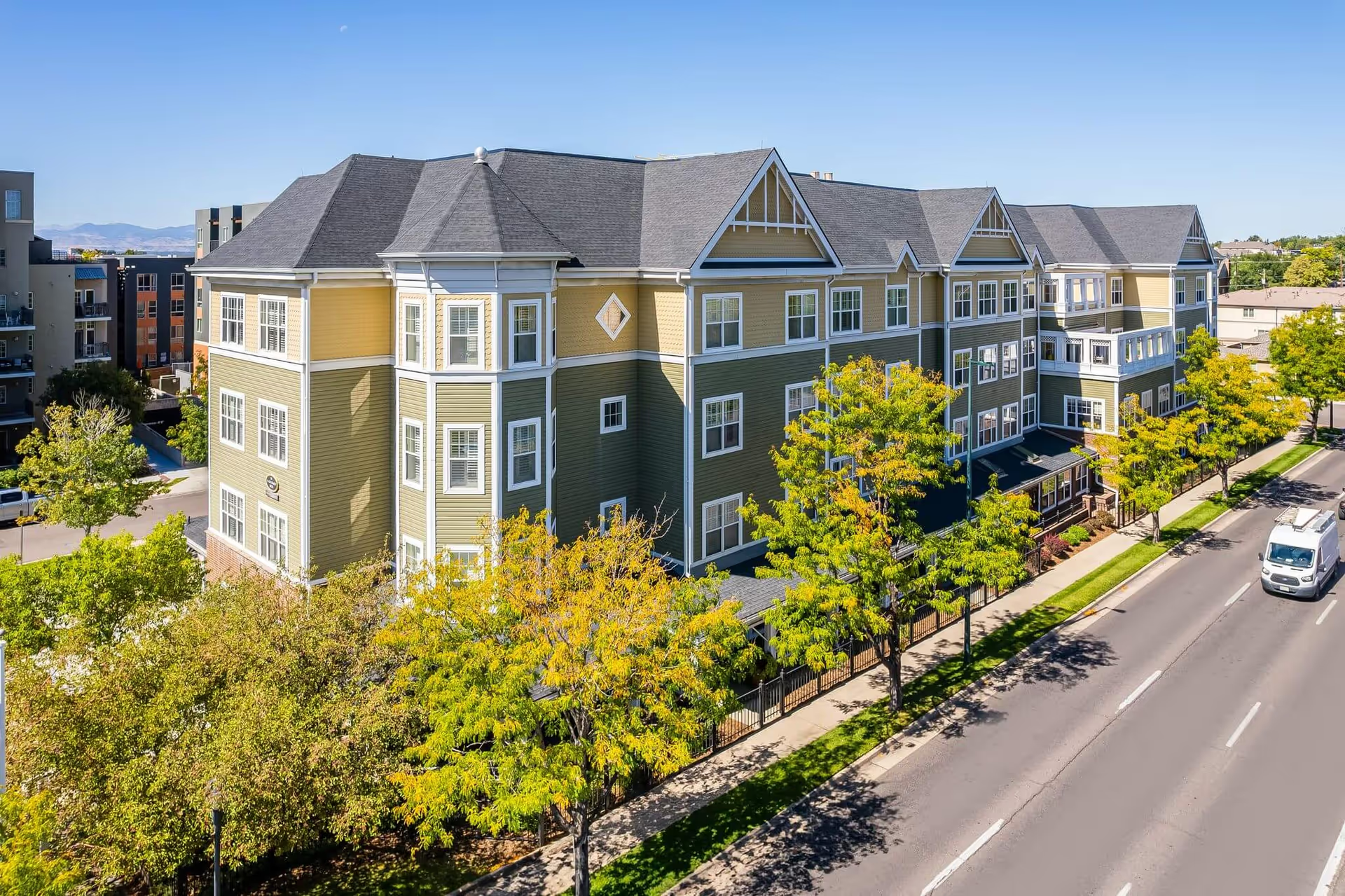
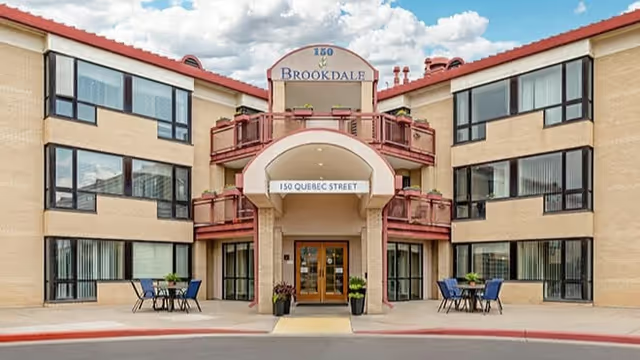
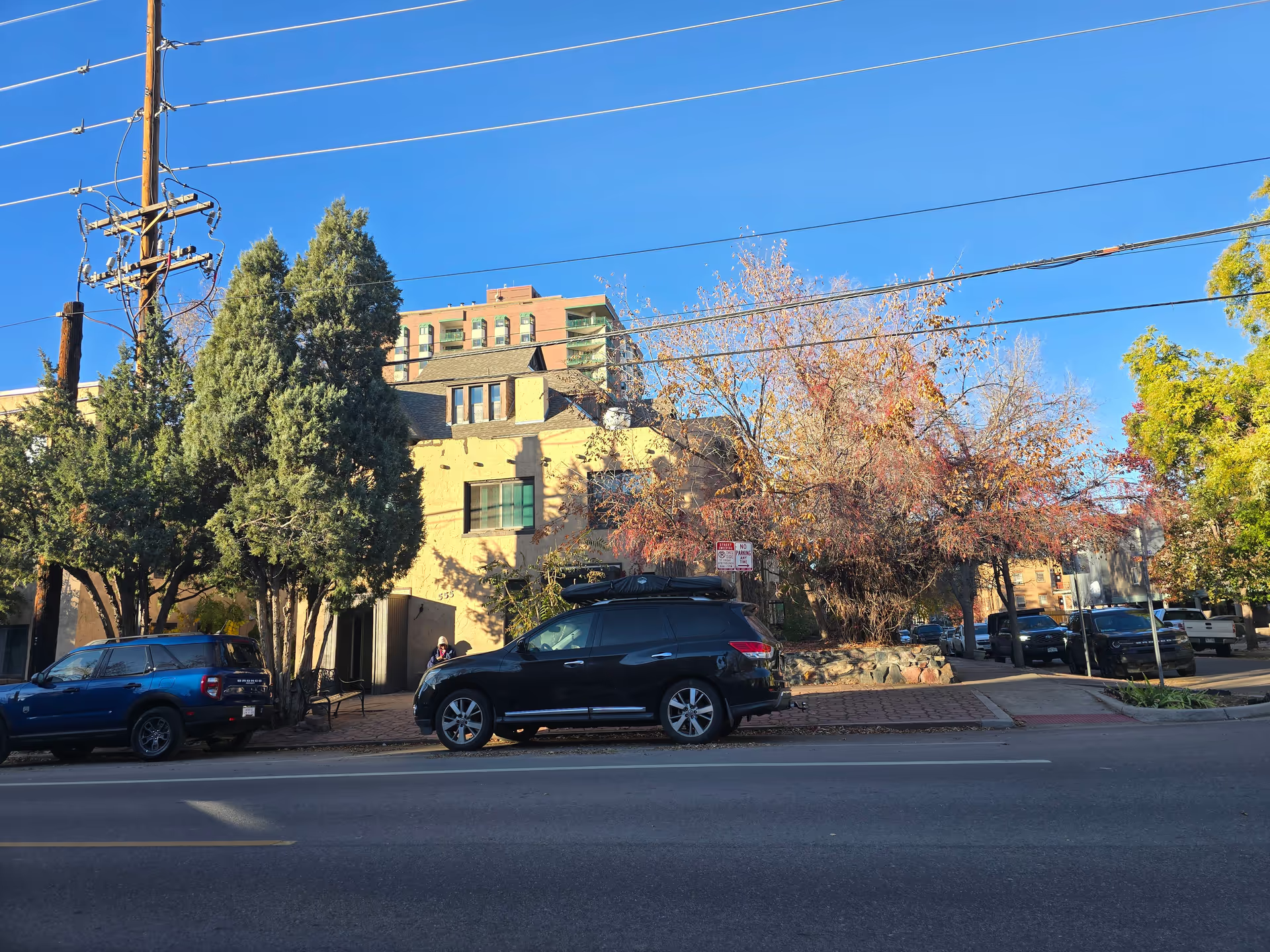
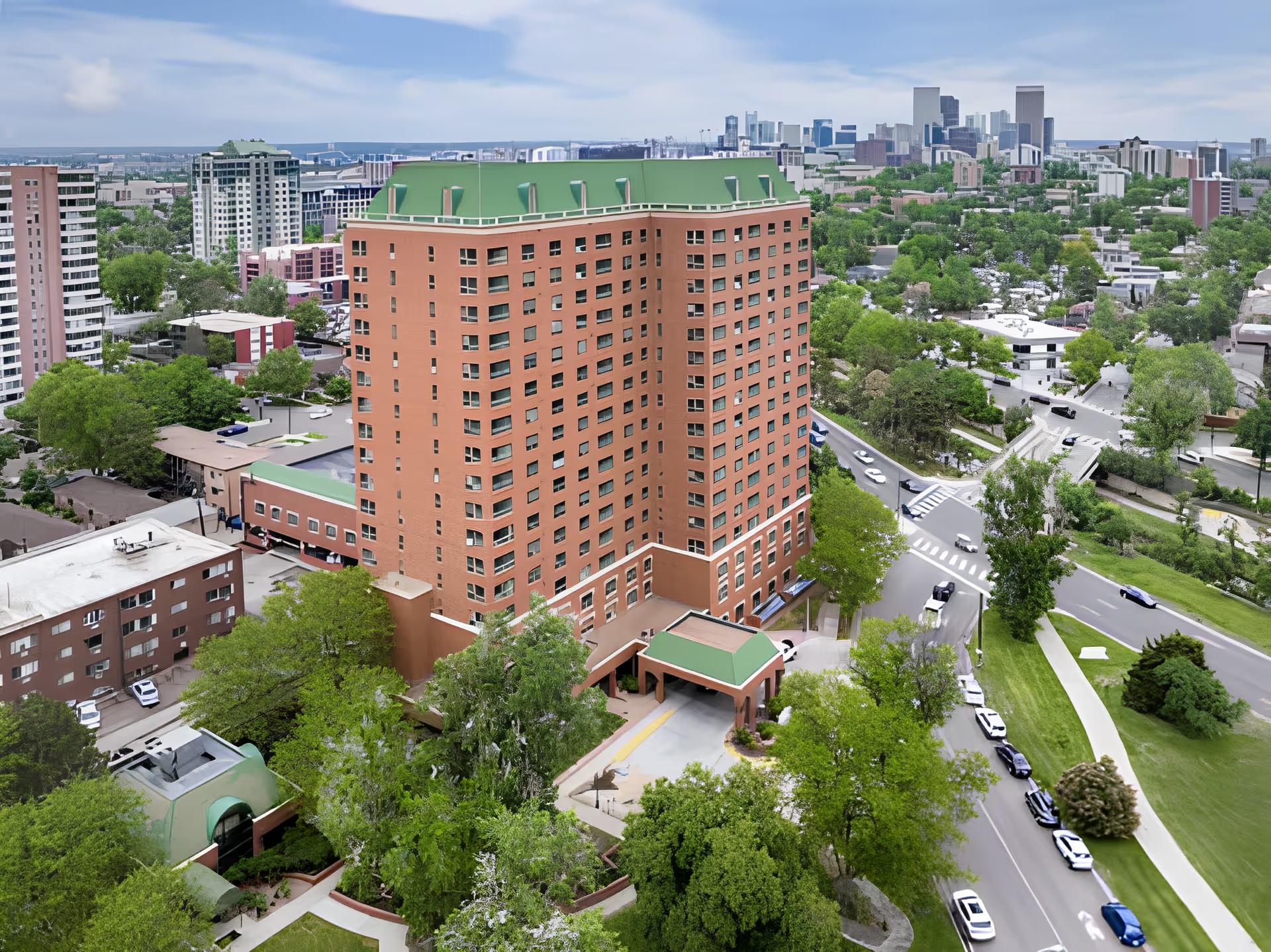
Park Hill Residence presents a mixed profile: it occupies a notable historic property that many residents and families describe as attractive and homelike, and management has completed visible upgrades that have been well received by long-term residents. The facility’s location and community atmosphere are frequently cited as positives, and multiple accounts highlight attentive and pleasant staff members who contribute to a warm environment.
Care quality shows divergence. Positive accounts emphasize individualized attention and staff kindness; however, other accounts point to operational weaknesses. There are consistent concerns about staffing stability and training, including gaps in clinical and medication-administration practices (references to QMAPS-related issues). Families described conduct-related problems in how incontinence care is handled, raising questions about dignity-preserving procedures and staff approach to sensitive care tasks. These issues suggest variability in both staff competency and adherence to person-centered care protocols.
Dining and daily living services also show uneven performance. Several comments note inconsistent meal quality, inadequate portion sizes, and meals served at inappropriate temperatures, indicating lapses in kitchen operations or service workflows. Activity and social-life aspects are less prominent in the feedback, but the facility’s strong community feel and resident satisfaction with recent changes imply meaningful social supports for many residents.
The physical environment combines strengths and weaknesses. The building’s historic character and recent upgrades are clear assets, yet reviewers also raised cleanliness and sanitation inconsistencies, dim lighting in some areas, and constrained or cramped common spaces. Ongoing on-site construction has been noted as a source of disruption and indicates the facility is in transition; management appears to be addressing capital improvements but may need more robust disruption mitigation.
Management and communications are another area of mixed feedback. Management is described as striving to improve the facility and completing visible upgrades, which residents appreciate, but there are documented problems with family communication and billing procedures — including instances where billing and authorization processes caused confusion or distress for family members not listed as legal guardians. Overall, the pattern suggests a facility with real community and environmental strengths that would benefit from focused improvements in staff training and retention, clinical and medication protocols, dining service consistency, sanitation oversight, and clearer family-communication and billing procedures.