Springbrooke presents as a privately owned, value-oriented retirement community with many strengths alongside recurring operational inconsistencies. Positive themes include a generally warm, community-oriented atmosphere, active ownership involvement, well-maintained common areas, and attractive exterior features such as ponds, bridges and courtyards. The community offers a broad activities schedule (music, games, religious services, happy hours), available therapy services, transportation to appointments, and flexible meal-plan structures that many residents and families find convenient and affordable.
Care and staff are the most frequently praised elements: many families describe compassionate, attentive caregivers and engaged frontline staff who know residents by name. Leadership changes and individual managers have been credited with improving culture in specific cases. At the same time there is variability in staff performance and availability; reviewers describe periods of short staffing, inconsistent follow-through on nursing or care tasks, and uneven performance between different shifts or departments. Memory-care and assisted-living quality is mixed — some accounts describe an outstanding, well-designed memory unit, while others note gaps in supervision, resident-to-resident conduct management, and insufficient staffing for higher-acuity needs.
Dining and nutrition receive mixed evaluations. The community offers multiple meal-plan options and several reviewers praised very good meals and accommodating dining staff. Conversely, many reviews note inconsistent food quality (ranging from excellent to bland/mediocre), occasionally small portions, and limited accommodation for specific diets. Families should verify menu variety and special-diet processes during a tour.
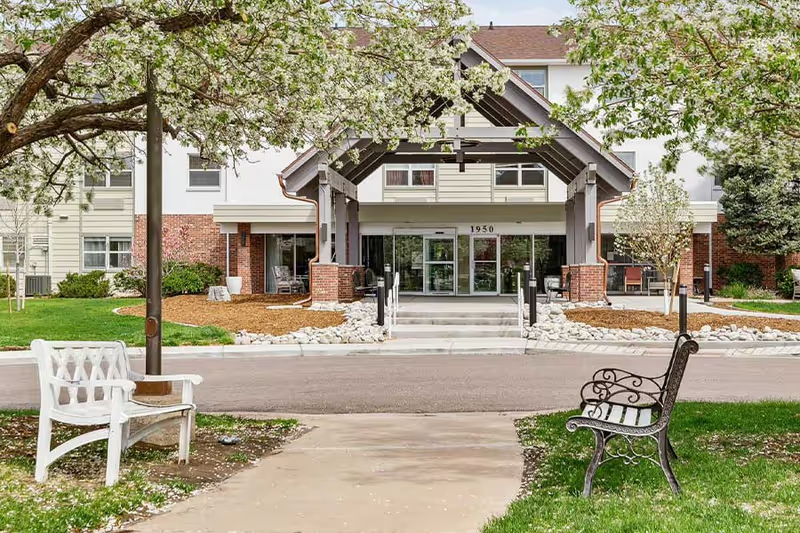
Physical facilities score well in common spaces and outdoor amenities: bright, sunny lounges, renovated lobbies, clean common areas, koi ponds, and private patios or balconies on many units. Unit-level critiques are consistent and operational: apartments are often described as small with limited storage, narrow galley kitchens and layouts that are not well suited for residents who want to cook. There are also periodic environmental-control issues (rooms that run hot, doors or windows left open in inclement weather) and safety-related concerns around balcony access that warrant direct discussion during a visit.
Management and operations show a mixed pattern. Private ownership and hands-on leadership are seen as positives, but reviewers also note problems with communication, coordination across departments, delayed move-ins, unexpected fees or higher-than-advertised pricing, and unreliable after-hours contact methods. There are isolated allegations concerning leadership conduct and claims of retaliatory behavior in a few accounts; such serious assertions merit careful follow-up with facility administration and, if appropriate, regulators.
Overall, Springbrooke may be a good fit for residents seeking an active, affordable community with strong social programming, attractive grounds, and engaged frontline staff. Prospective residents and families should conduct a focused tour that inspects unit size and layout, reviews staffing ratios (particularly in assisted-living/memory-care), confirms dietary accommodations and meal examples, asks for clear written fee disclosures, and tests after-hours communication procedures before deciding.