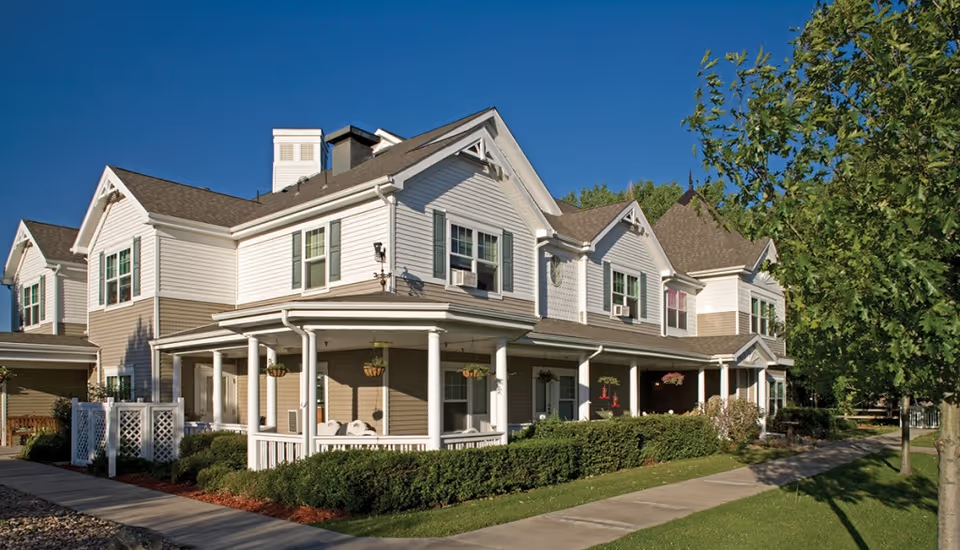
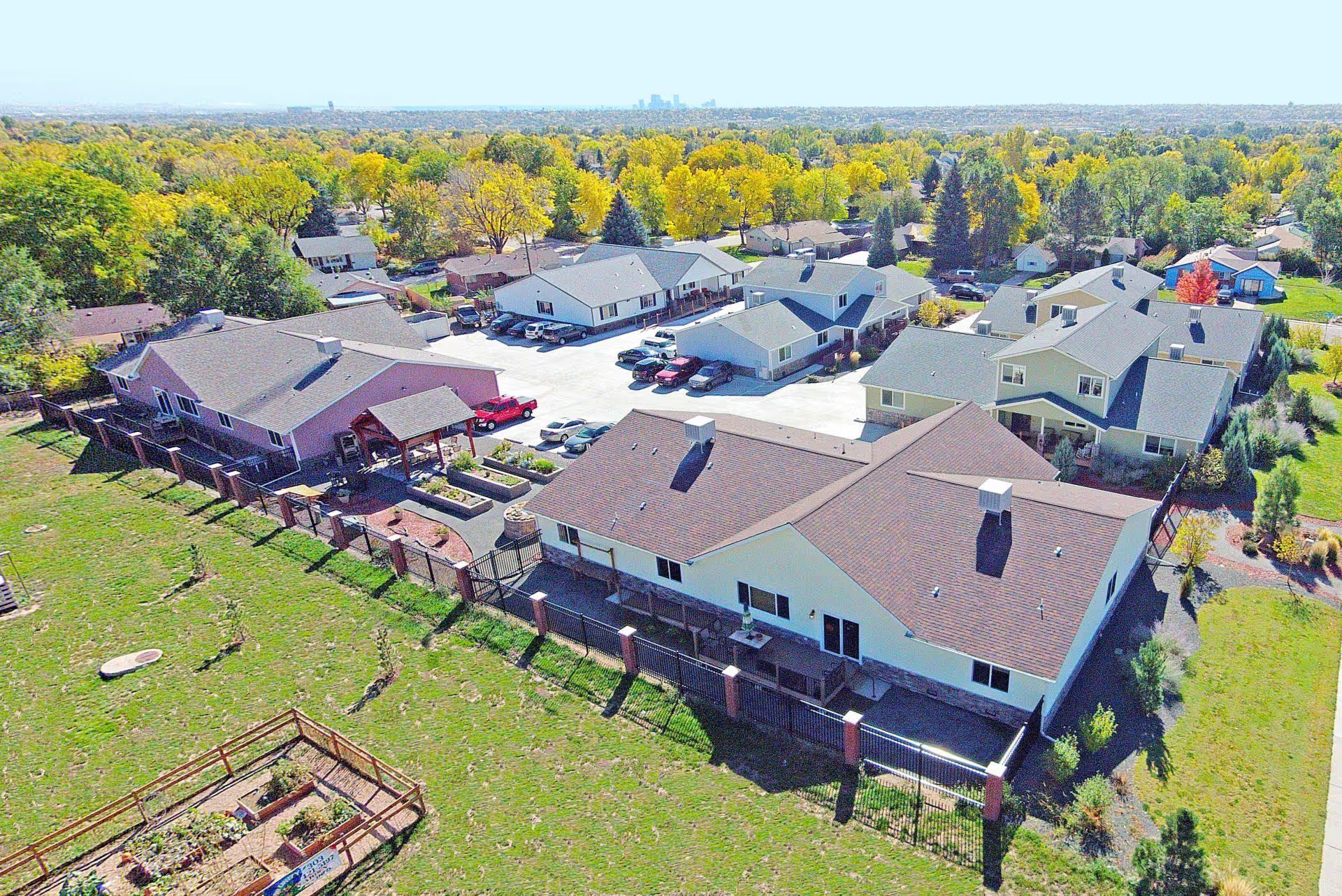
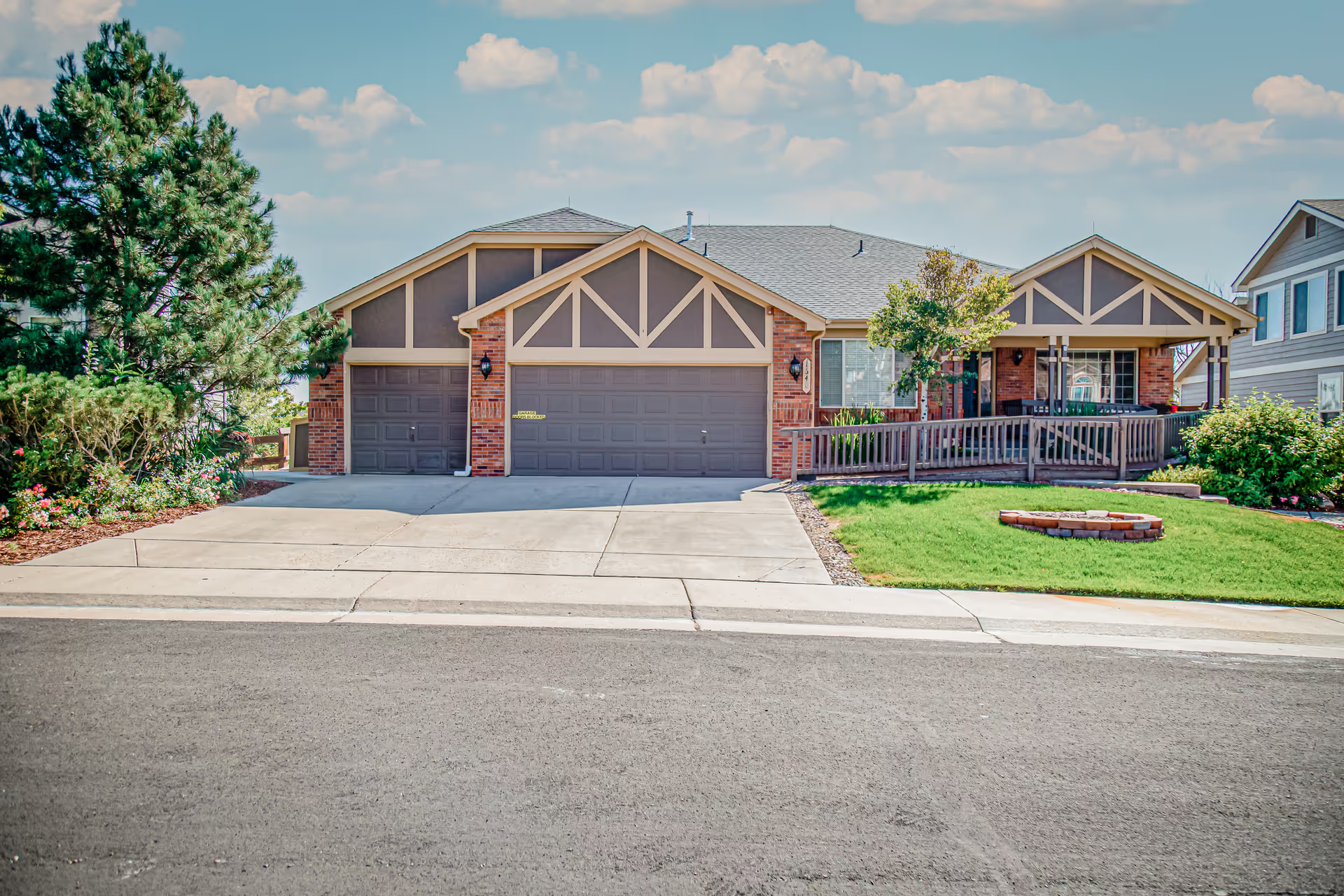
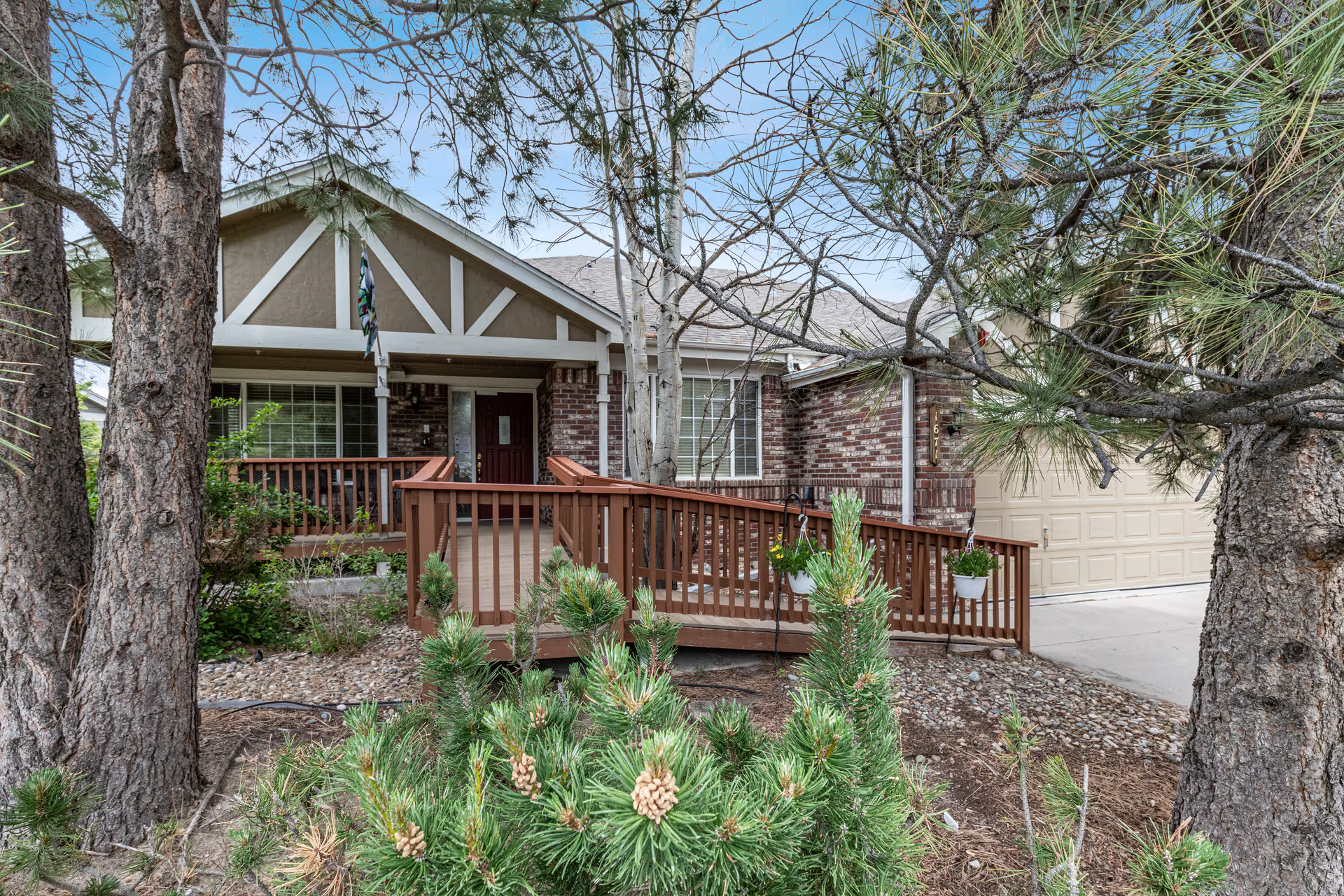
Overall impression: The reviews portray Pine Ridge Terrace as a small, family-oriented assisted living with many strengths in daily care, cleanliness, and individualized attention. Multiple accounts emphasize an organized, light and airy environment with competent nursing and caregiving teams that communicate effectively with physicians, therapists, and specialists. Families commonly describe the setting as an extension of home where residents are treated with patience and compassion and where staff demonstrate practical clinical skills, including ostomy and other specialized care.
Care and staff: Care quality is a prominent positive theme. Nursing staff are described as professional, attentive, and quick to respond to resident needs, with ongoing dialogue between families and direct caregivers. Several comments highlight staff flexibility — for example, accommodating irregular sleep schedules and coordinating meaningful family events — which family members valued during end-of-life and transitional periods. That said, a minority of accounts raise concerns about staff conduct and tone in specific interactions; these indicate inconsistency in interpersonal communication that could affect family confidence in certain cases.
Dining and activities: Dining is generally characterized as homestyle and satisfactory; reviewers mention good, comforting meals and accommodations such as comfortable dining chairs and unrestricted television access. A few notes point to simple menu items on occasion, suggesting some variability in meal variety. Activity offerings appear modest but appropriate for a small facility — games, quiet time, and opportunities for social engagement are available and contribute to residents’ reported quality of life.
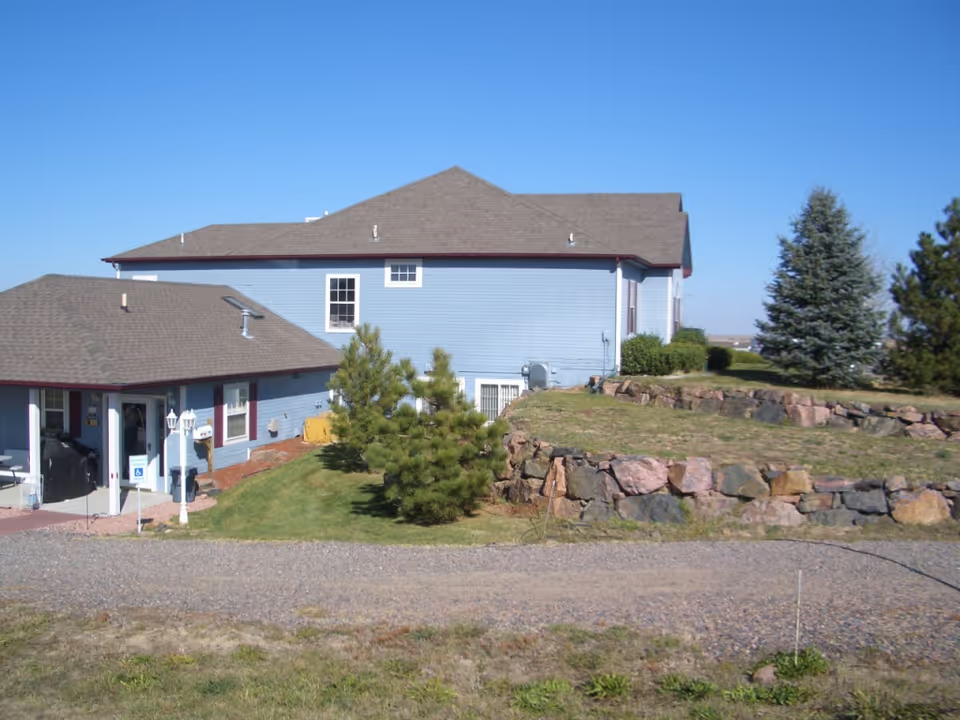
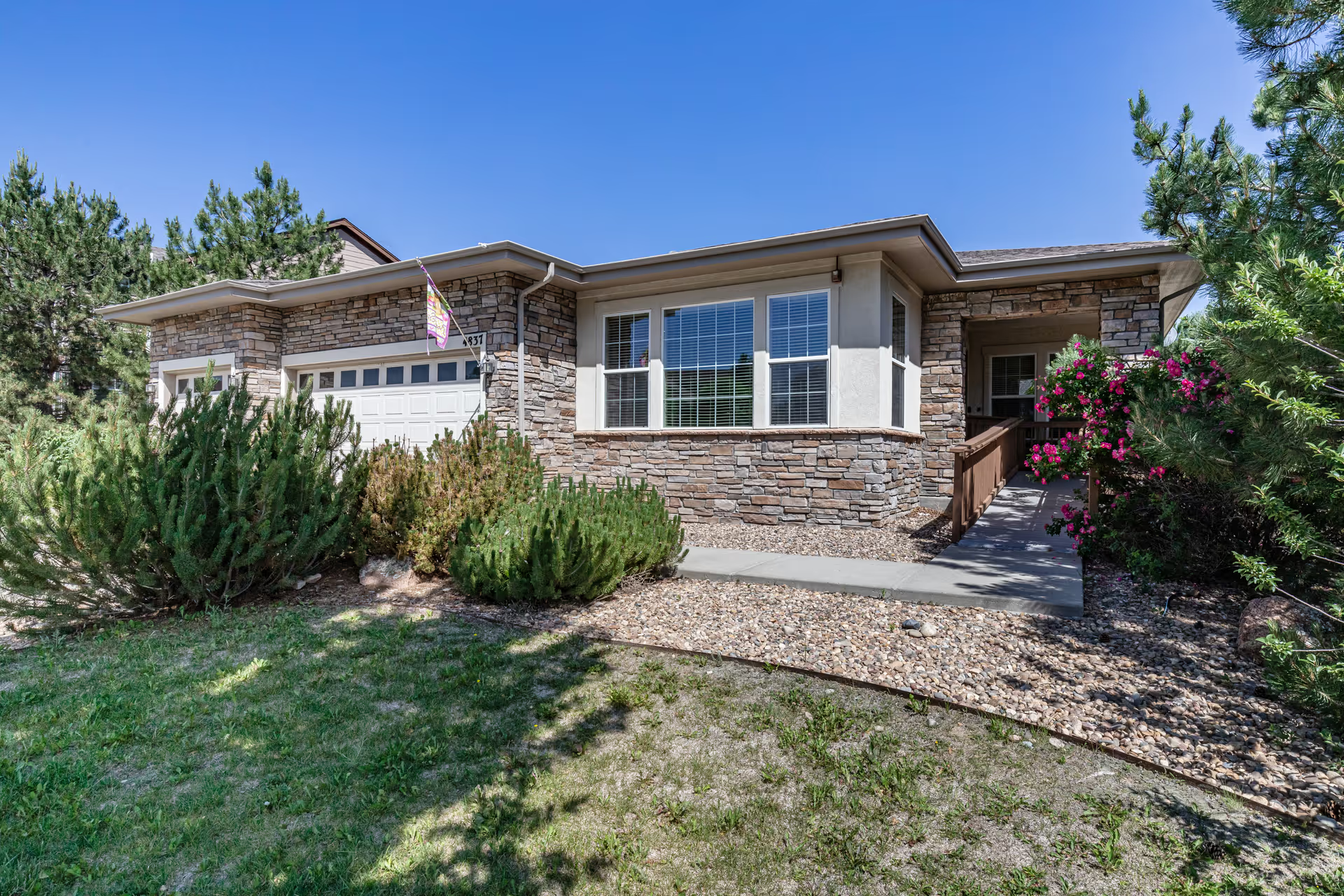
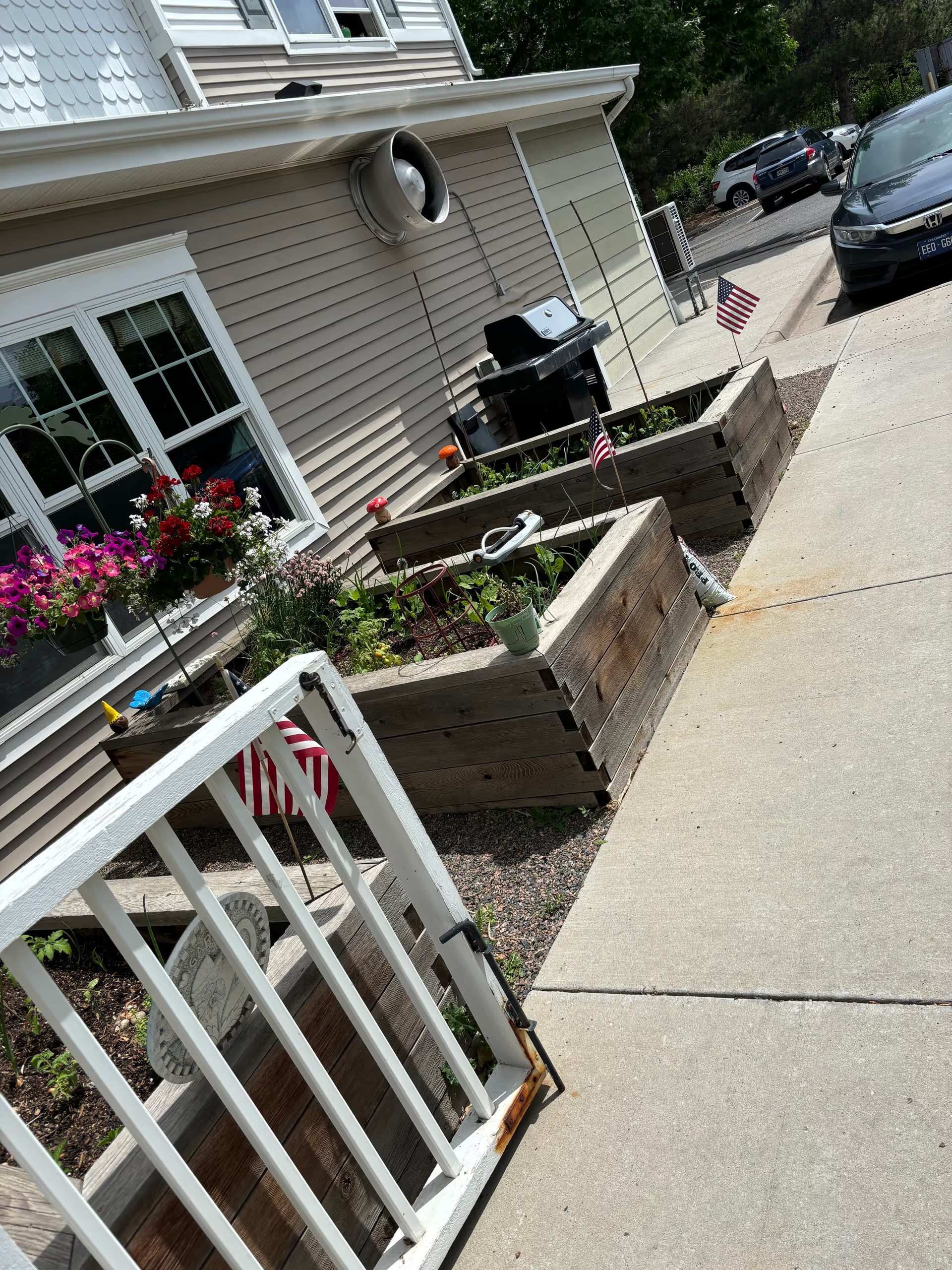
Facilities and operations: The physical facility is described as clean, well-maintained, and odor-free, with a small footprint that supports close staff–resident relationships. Plans for expansion were reported by management, which reviewers saw as a potential positive but also one that could introduce scalability and staffing challenges. Administrative weaknesses surfaced around responsiveness outside direct caregiving: examples include difficulties reaching staff by phone and a problematic website flag, indicating room to improve digital communication and front-office processes.
Management and notable patterns: Many families expressed confidence in clinical care and praised teamwork and continuous-improvement efforts. There is also an undercurrent of perceived management priorities; a few dissatisfied families suggested financial considerations influenced certain interactions, which points to a need for clearer communication and transparency about care decisions and billing. Infection-control policies (e.g., visitation limits during COVID restrictions) affected family access at times; this is consistent with external public-health measures but may influence prospective residents’ comparisons with other providers.
Bottom line: Pine Ridge Terrace appears to deliver strong, personalized assisted-living care in a clean, small-community setting with capable nursing and good coordination with outside medical providers. Prospective residents and families should weigh the facility’s close-knit strengths against potential variability in staff interpersonal consistency, administrative responsiveness, and how the facility manages growth and higher-acuity emotional or behavioral needs. Visiting the site, observing staff–resident interactions, and discussing phone/website communication and escalation procedures with management are recommended steps before placement.