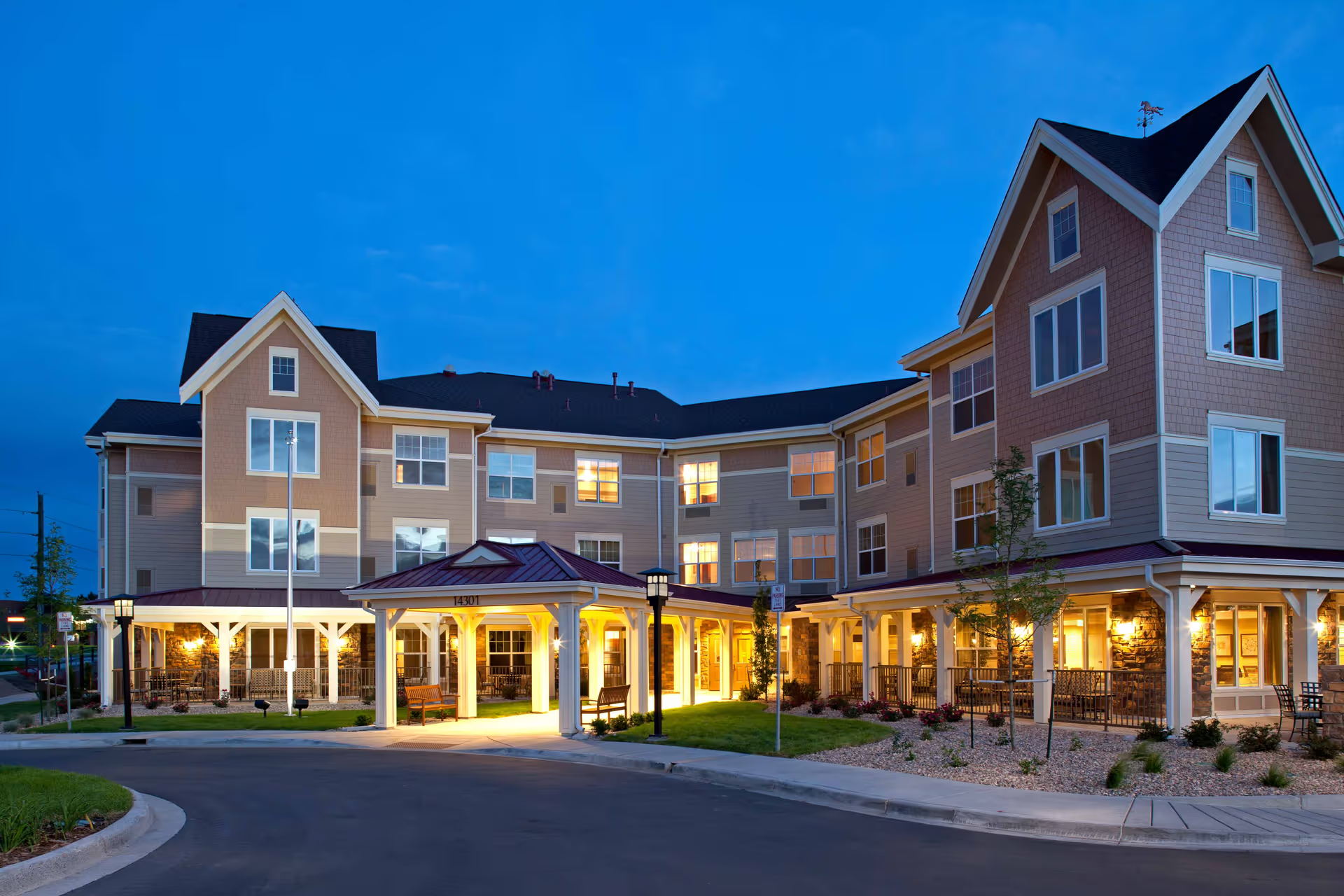
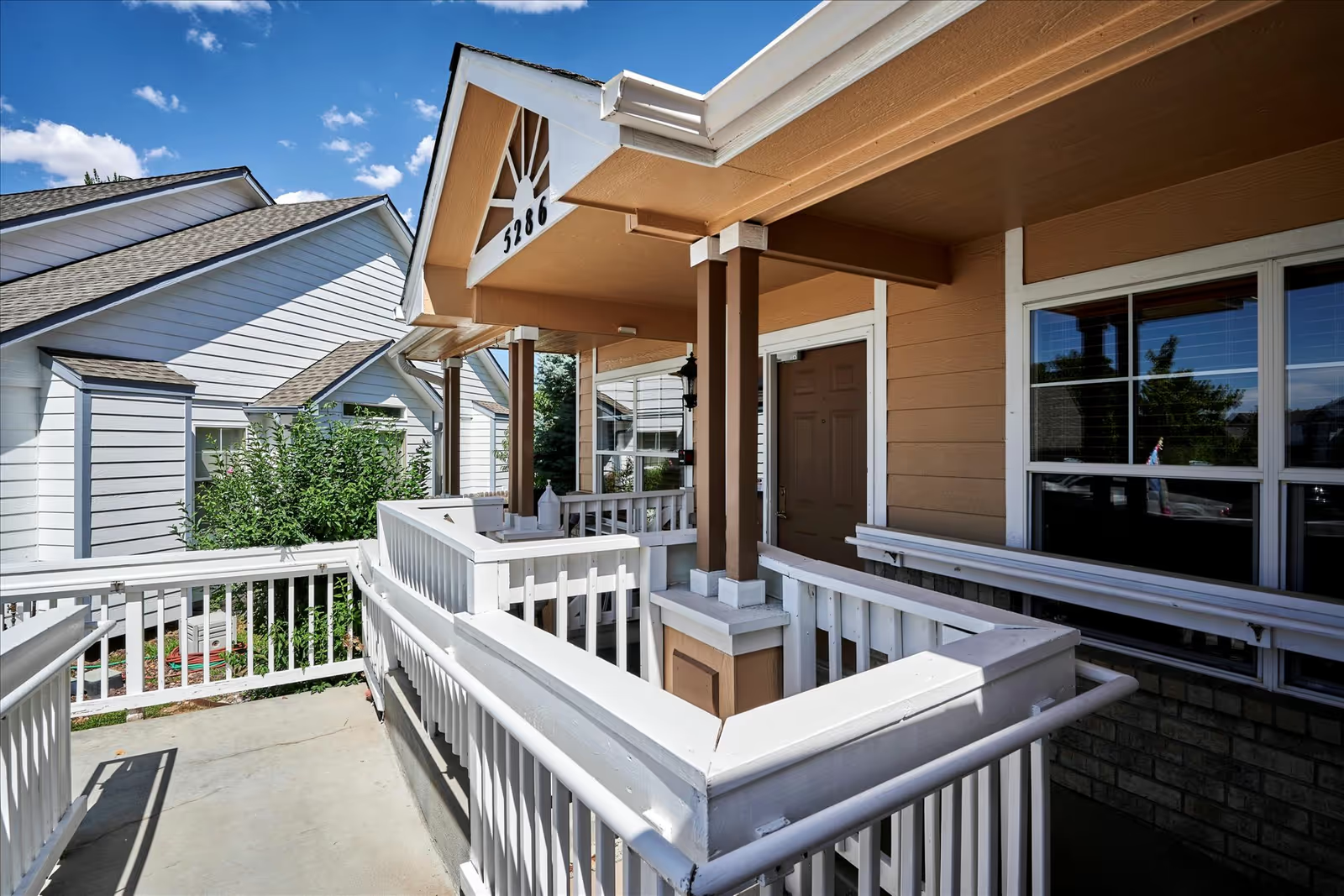
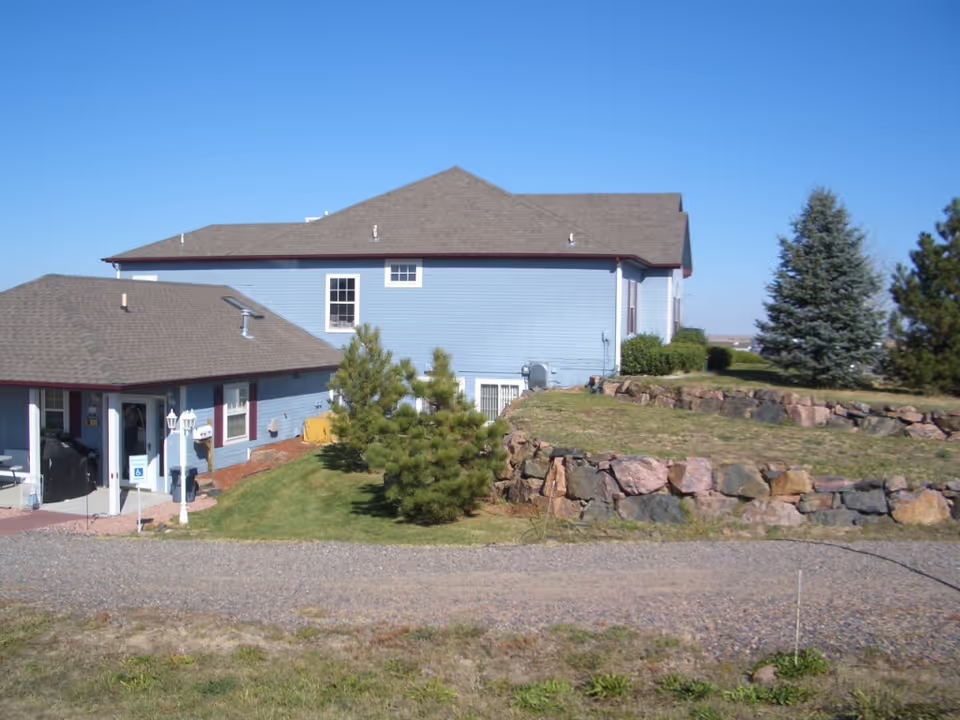
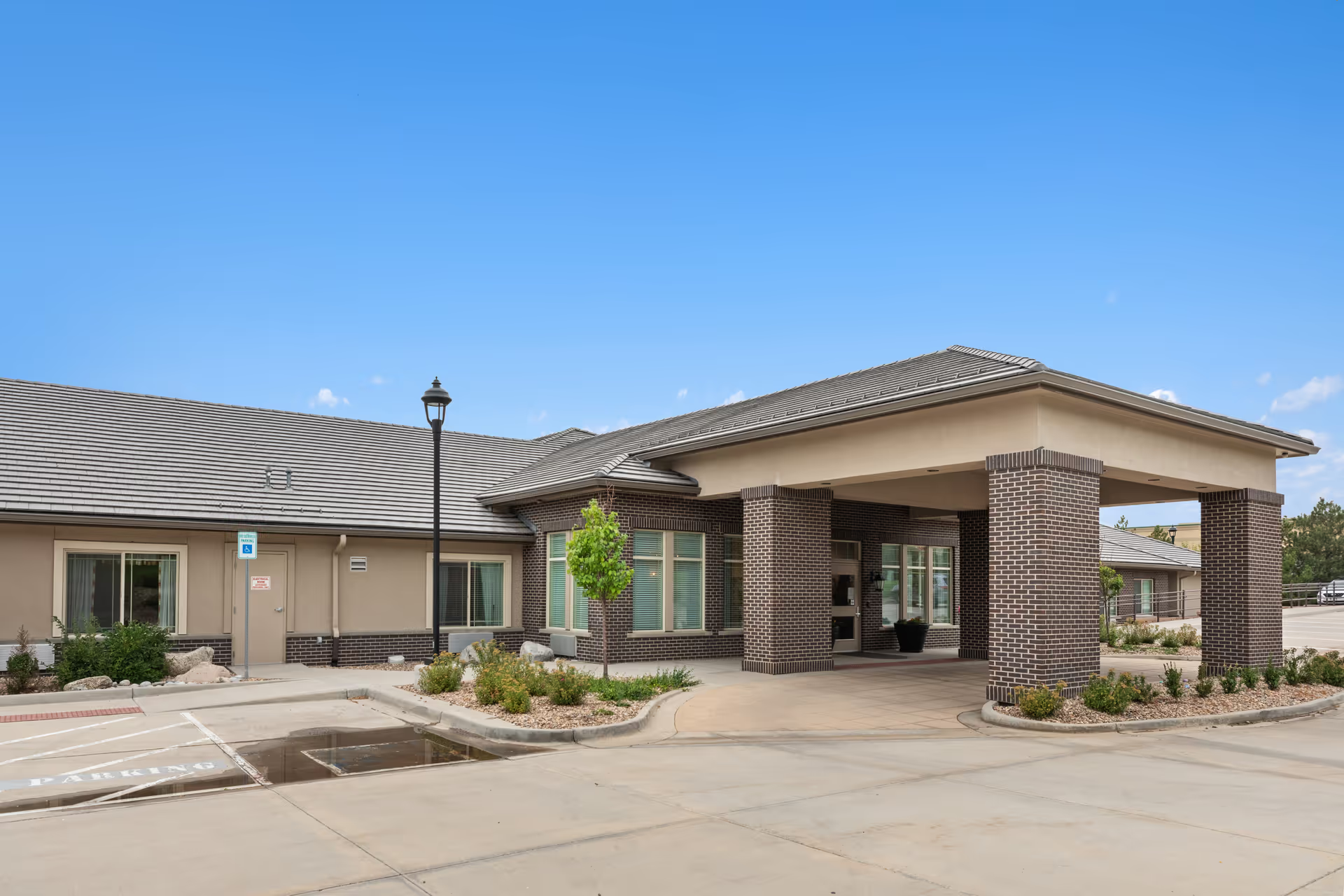
Castle Country Assisted Living - Victorian House is described as a small, home-like assisted living community with a prominent Victorian aesthetic located in downtown Parker. Many accounts emphasize a warm, residential atmosphere — clean, comfortable private rooms, attractive outdoor spaces, and a dining area that supports socialization. The facility’s walkable location and visible community presence (parades, parks, shops) are frequently noted as lifestyle strengths.
Direct care quality is a strong and recurring theme: caregivers are frequently described as kind, attentive, and knowledgeable, with many residents receiving personalized attention and staff learning residents’ names and preferences. Reviewers highlight 24-hour assisted-living structure, safety-focused practices, mobility support, and examples of long-tenured direct-care staff and a proactive Wellness Coordinator who contributes to communication and care planning. These features suggest the community is well suited to residents who need assisted-living level supports rather than higher-acuity medical supervision.
Dining and programming are mixed. Several comments praise homemade, simple, nutritious meals, a welcoming dining space, and age-appropriate activities such as bingo and community outings. At the same time, there are recurring operational concerns: inconsistent food quality and difficulty retaining kitchen staff (notably for dinner and weekend coverage), and variability in how robust the activities and outings schedule is. The net impression is that dining and programming can be strengths but may be uneven depending on staffing and scheduling.
Operational and leadership issues are the primary areas of concern. Reviewers cite limited clinical staffing (no licensed medical staff onsite) and gaps in weekend managerial coverage, which affect continuity of oversight. There are also references to high staff turnover and workplace-culture challenges at the administrative level, and some comments that governance lacks deep senior-care operational experience. These factors appear to drive variability in service consistency (kitchen staffing, activity frequency) and create occasional communication or administrative friction.
Pricing and admissions-related notes include comments that the community can be relatively expensive, particularly for two-person/full-price arrangements, and that family-supplied meals or negotiated short extensions have occurred in individual cases. Prospective residents and families should assess financial terms carefully and confirm how pricing applies to couples and specific service needs.
Overall, the Victorian House presents as a welcoming, small-scale assisted living community with strong direct-care relationships and a homelike environment. Families prioritizing compassionate, personal caregiving and a walkable neighborhood may find it appealing. Those requiring regular on-site licensed clinical staff, consistent weekend management, or a highly structured, activity-rich program should clarify staffing patterns and service continuity during the decision process. A tour and direct questions about weekend leadership, kitchen staffing, activity calendars, and pricing for couples are advisable before committing.