The reviews present a mixed but clear pattern: many families emphasize warm, personalized attention and a comfortable, home-like environment, while a minority describe operational gaps that materially affected their experience. Positive comments focus on the quality of interpersonal care and facility upkeep. Caregivers are frequently described as compassionate and attentive, owners are characterized as involved, and specific staff members are praised for individualized attention. The setting is often described as well-maintained and safe, and several reviewers framed the cost as reasonable for the level of personal attention received.
Care and staffing: Care quality is a prominent strength when families experience continuity and direct caregiver engagement. Multiple comments highlight individualized care plans and communicative staff who make families feel informed. At the same time, reviewers also identified staffing constraints — for example, a small caregiving team — that can limit coverage and responsiveness. Clinical concerns raised include wound- and skin-care management gaps; these suggest the facility may need clearer clinical protocols or faster escalation pathways for changing clinical needs. Overall, experiences appear variable: many residents are described as well tended, while a minority experienced care issues serious enough to prompt early discharge.
Activities and dining: Activity programming is consistently described as limited or average. Prospective residents with higher expectations for structured social or recreational programming may find the options insufficient. Reviewers also noted limited information about meals and dining services, indicating that communication about menu content, dietary accommodations, and meal routines could be improved. Families valuing robust therapeutic or social programming should ask for activity schedules and examples of engagement opportunities during a tour.
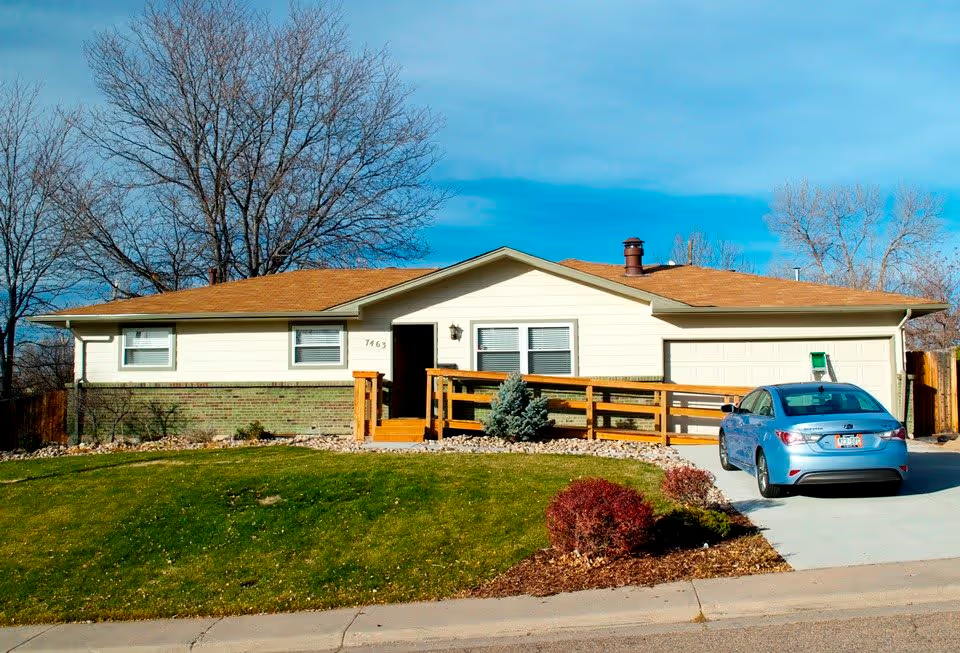
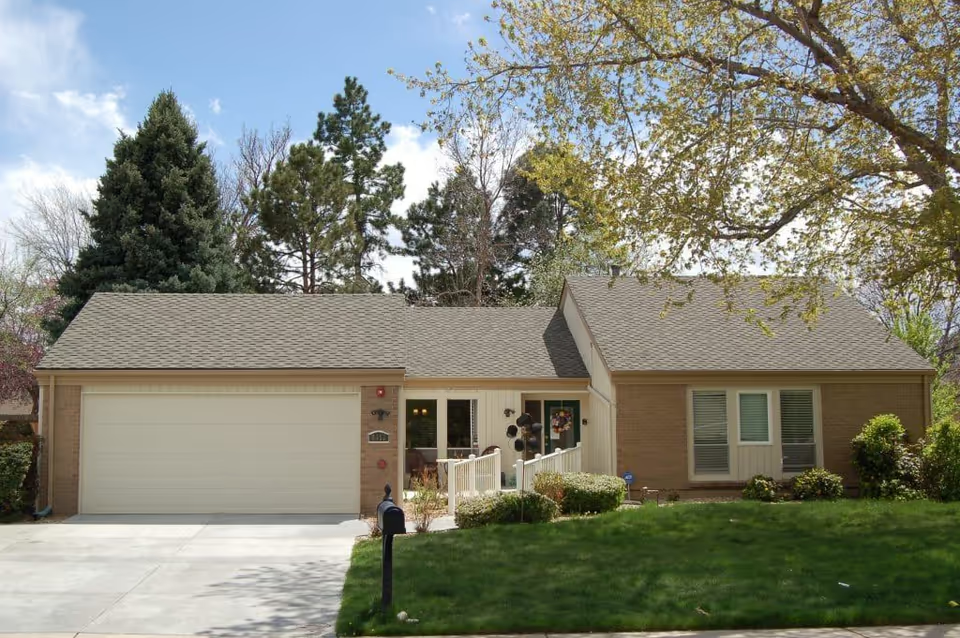
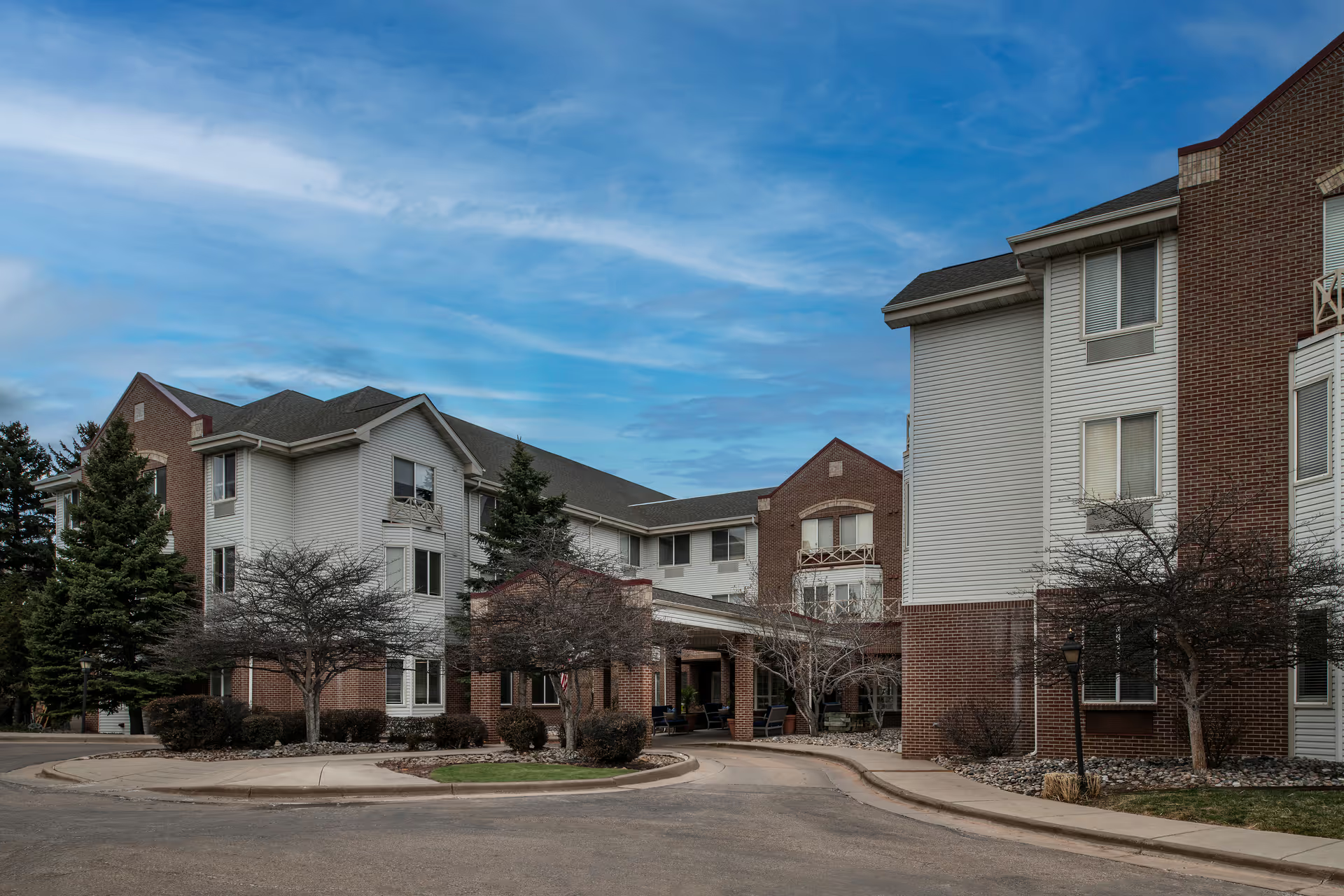
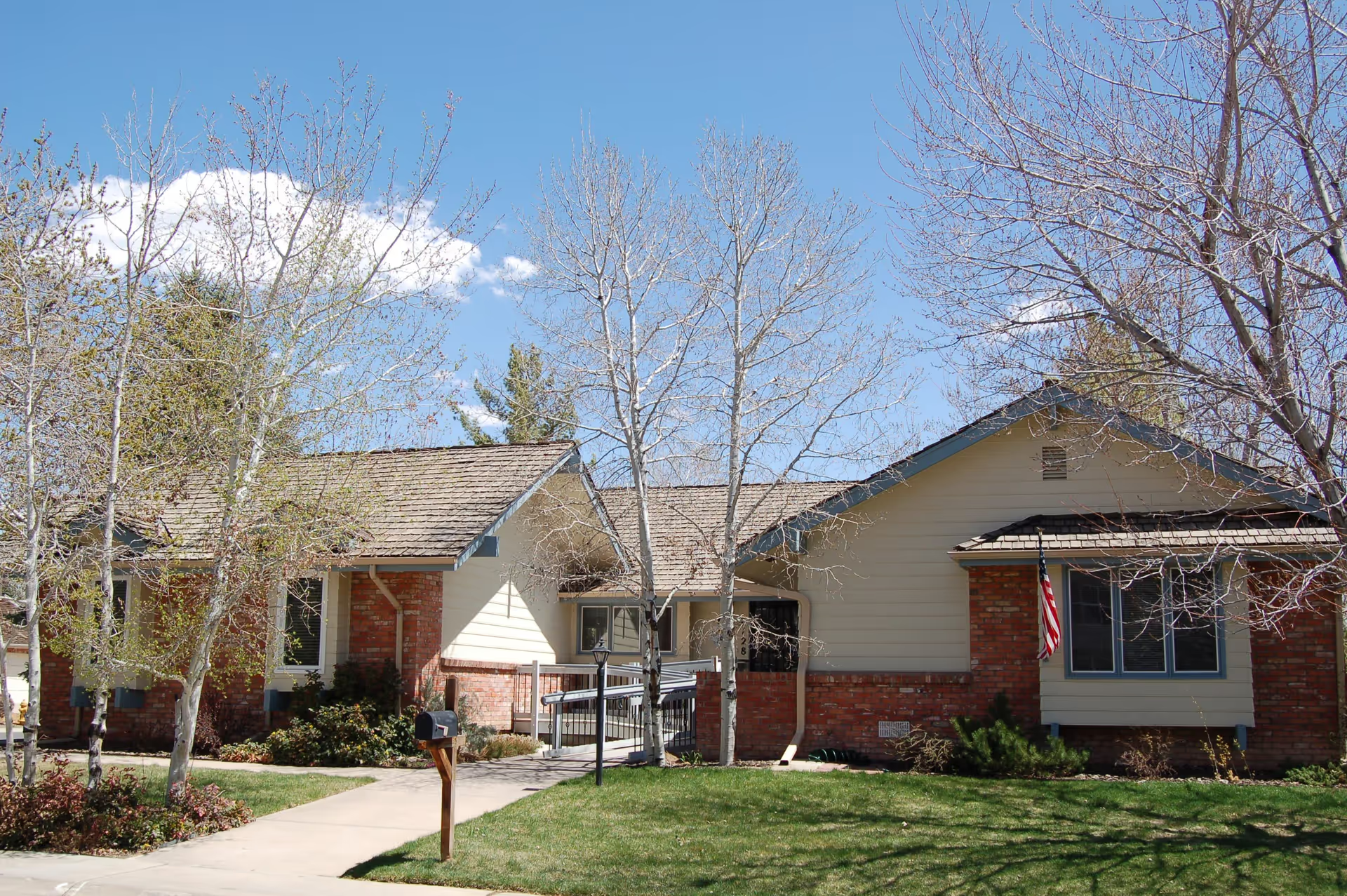
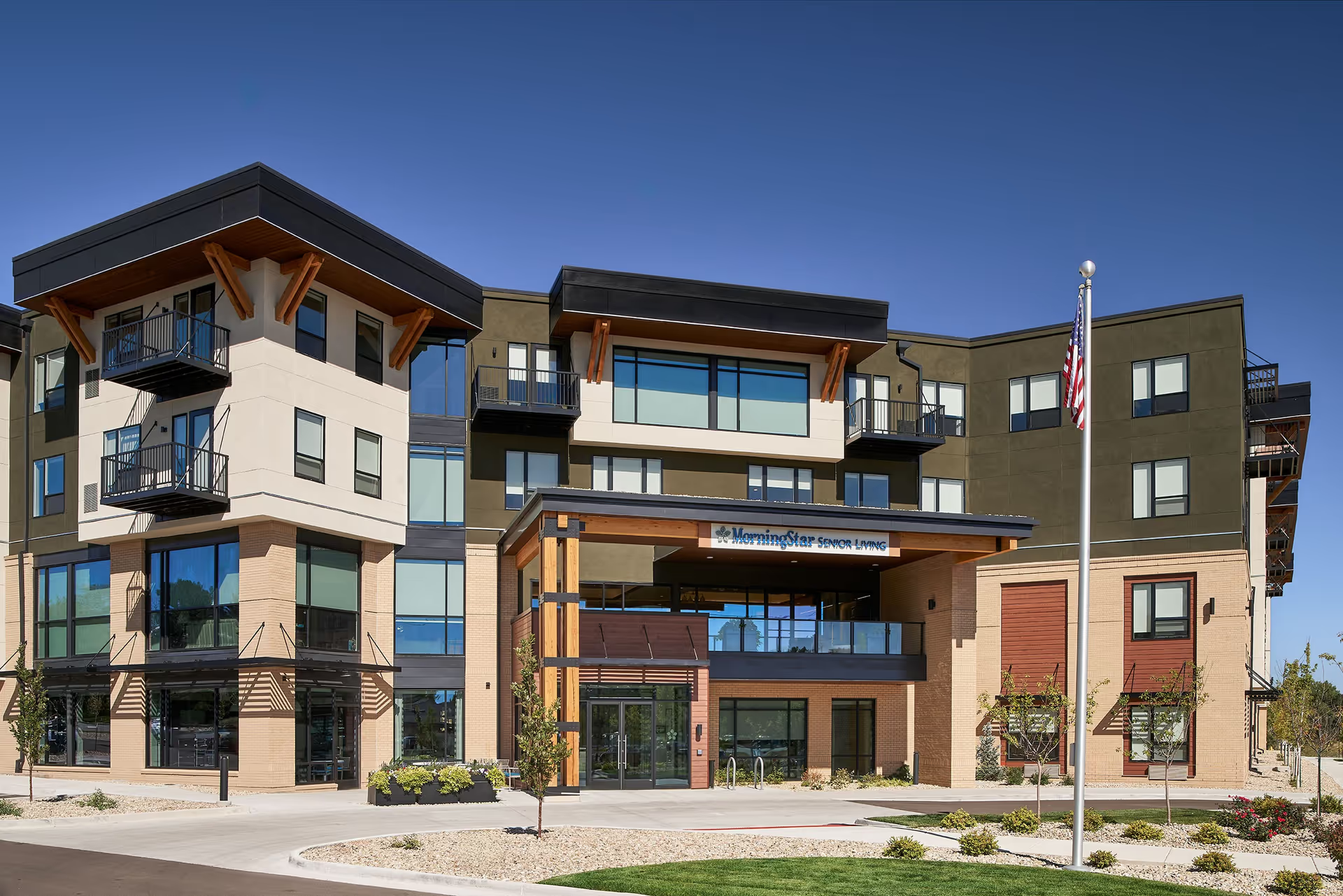
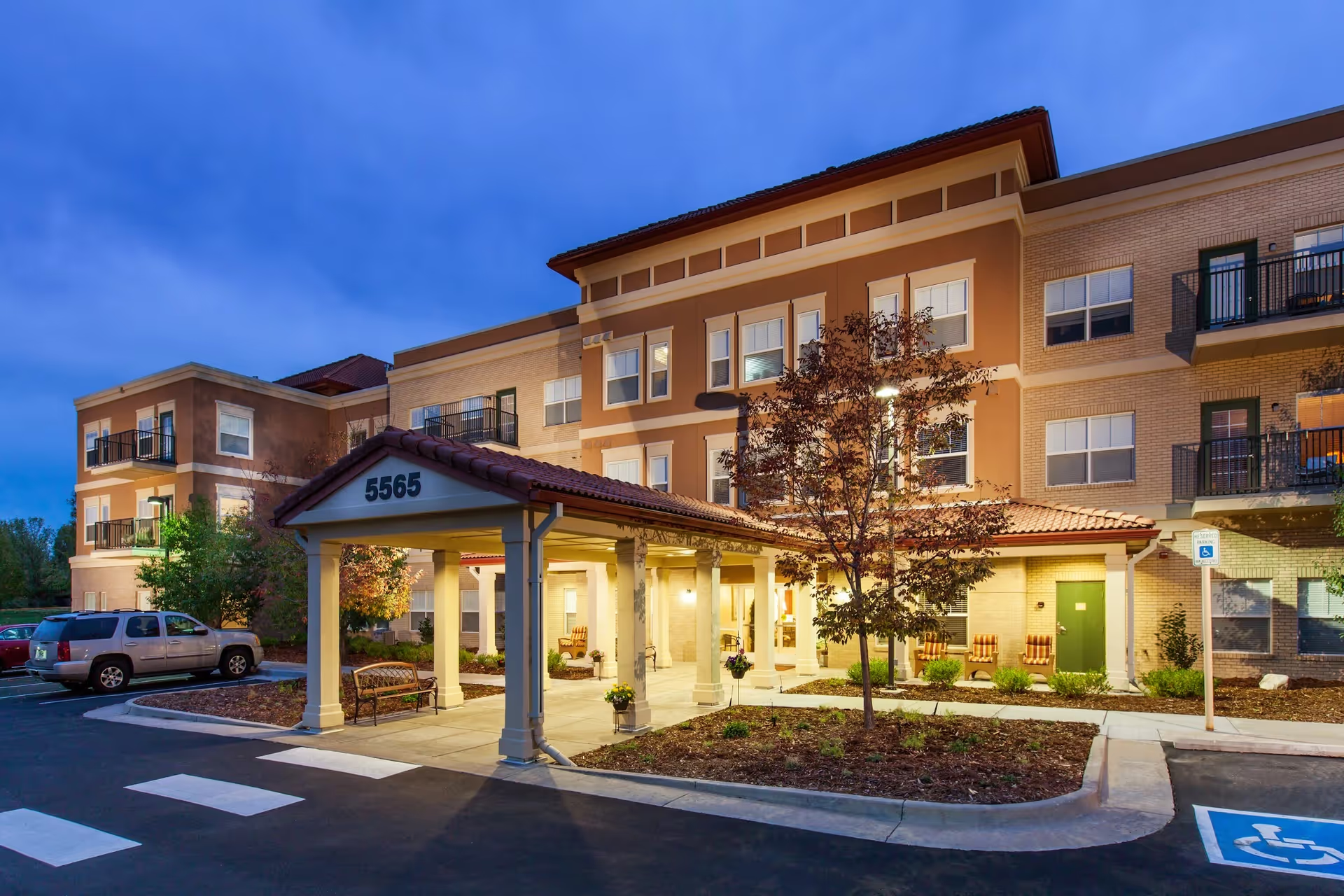
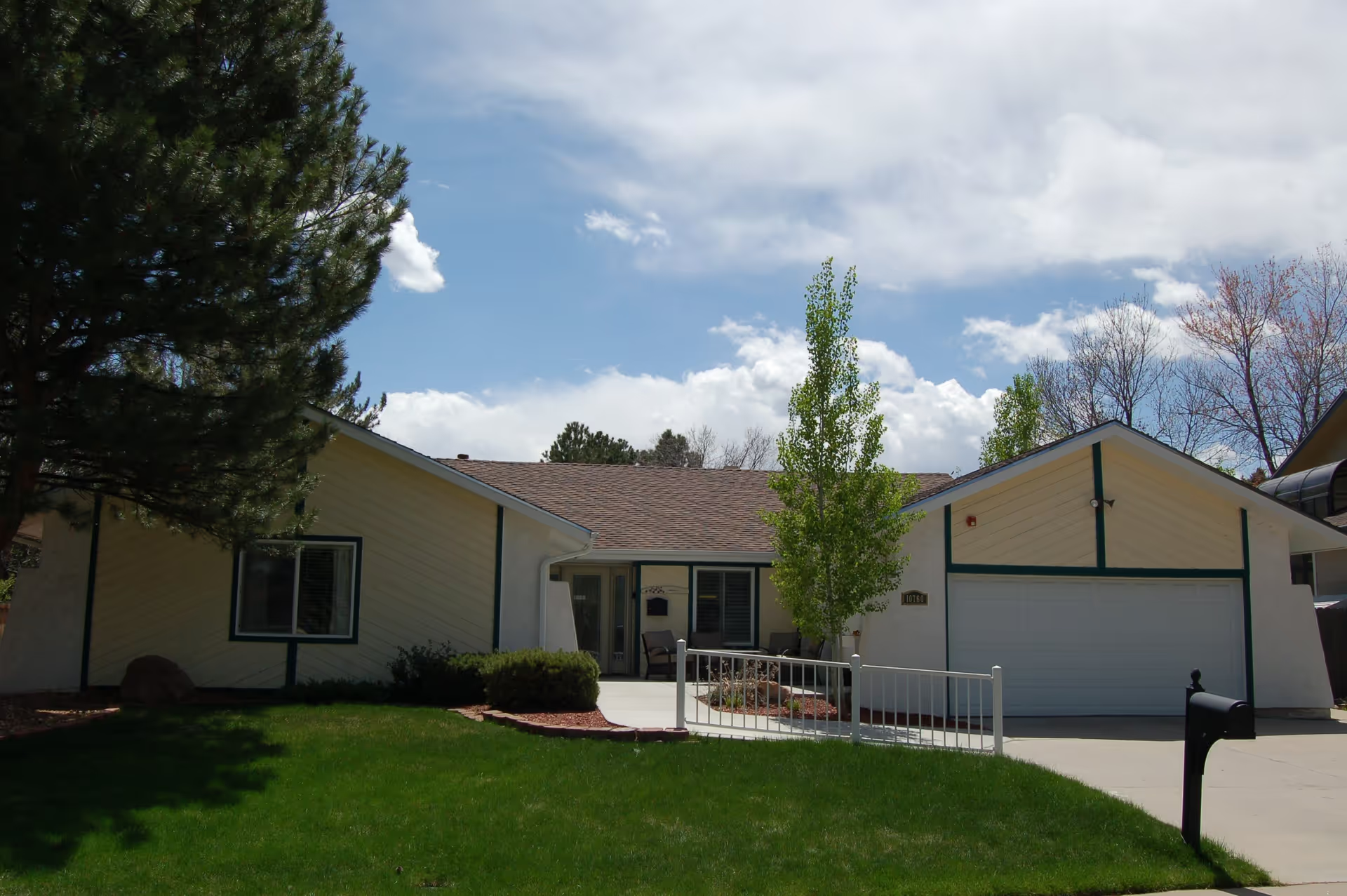
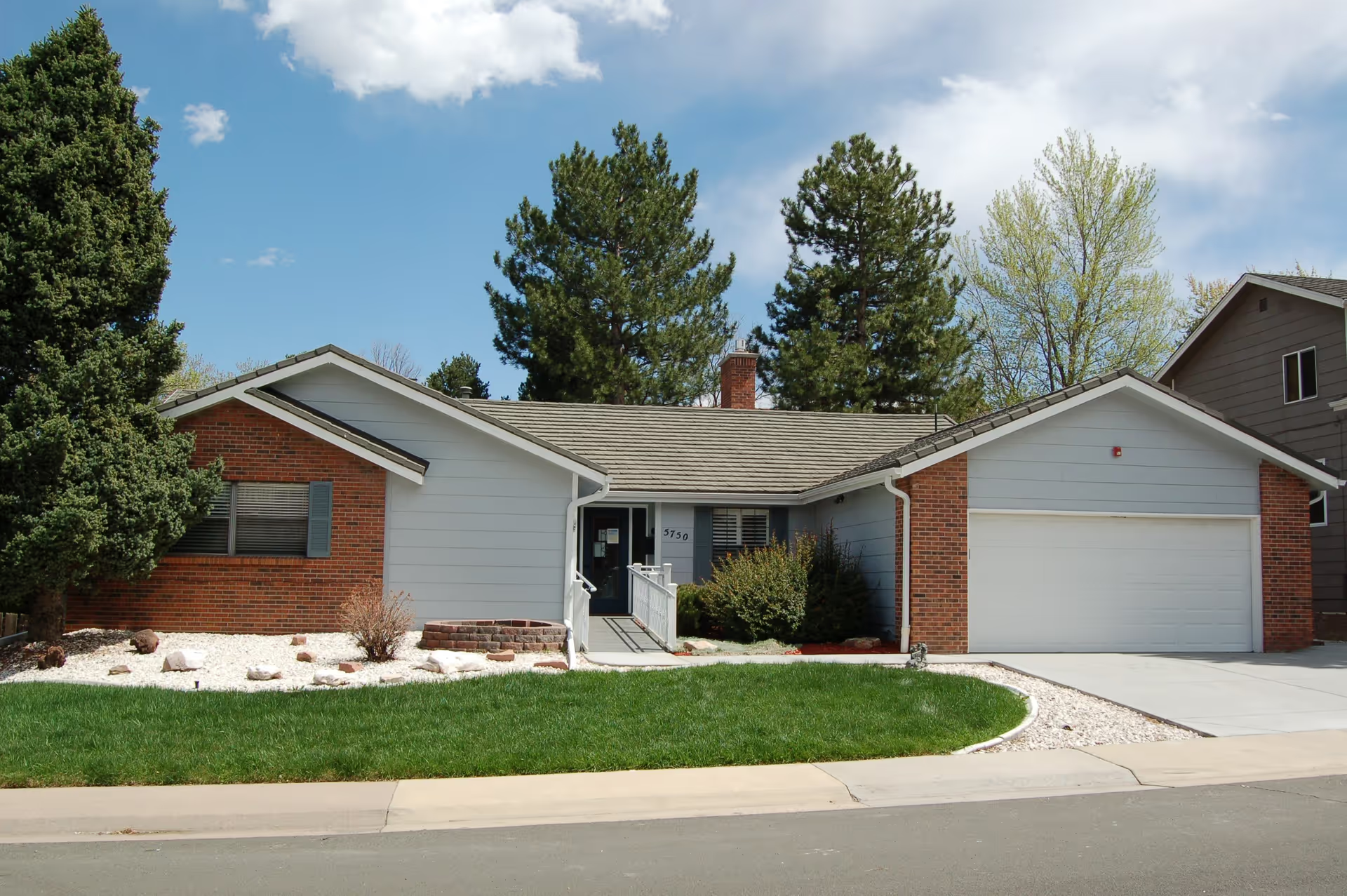
Facilities and management: The physical environment is a strength; the facility is described as home-like and well-kept, and ownership is portrayed as hands-on. Communication from staff is generally seen as open and approachable. However, management-level concerns include inconsistent admissions decisions and inflexible financial or refund policies — the latter has led to disputes in at least one instance. These operational issues point to the importance of reviewing contracts and admissions criteria closely before move-in.
Notable patterns and recommendations: The overall pattern is polarized: several families report satisfaction with individualized, compassionate care in a comfortable setting, while others experienced notable operational shortcomings that led to quick departures. Prospective residents and families should observe staffing levels at different times of day, request written descriptions of clinical and wound-care protocols, review the activity calendar, and read admission and refund policies carefully. Asking for references from current families and clarifying how the facility handles changes in clinical needs will help assess fit and reduce the risk of unexpected transitions.