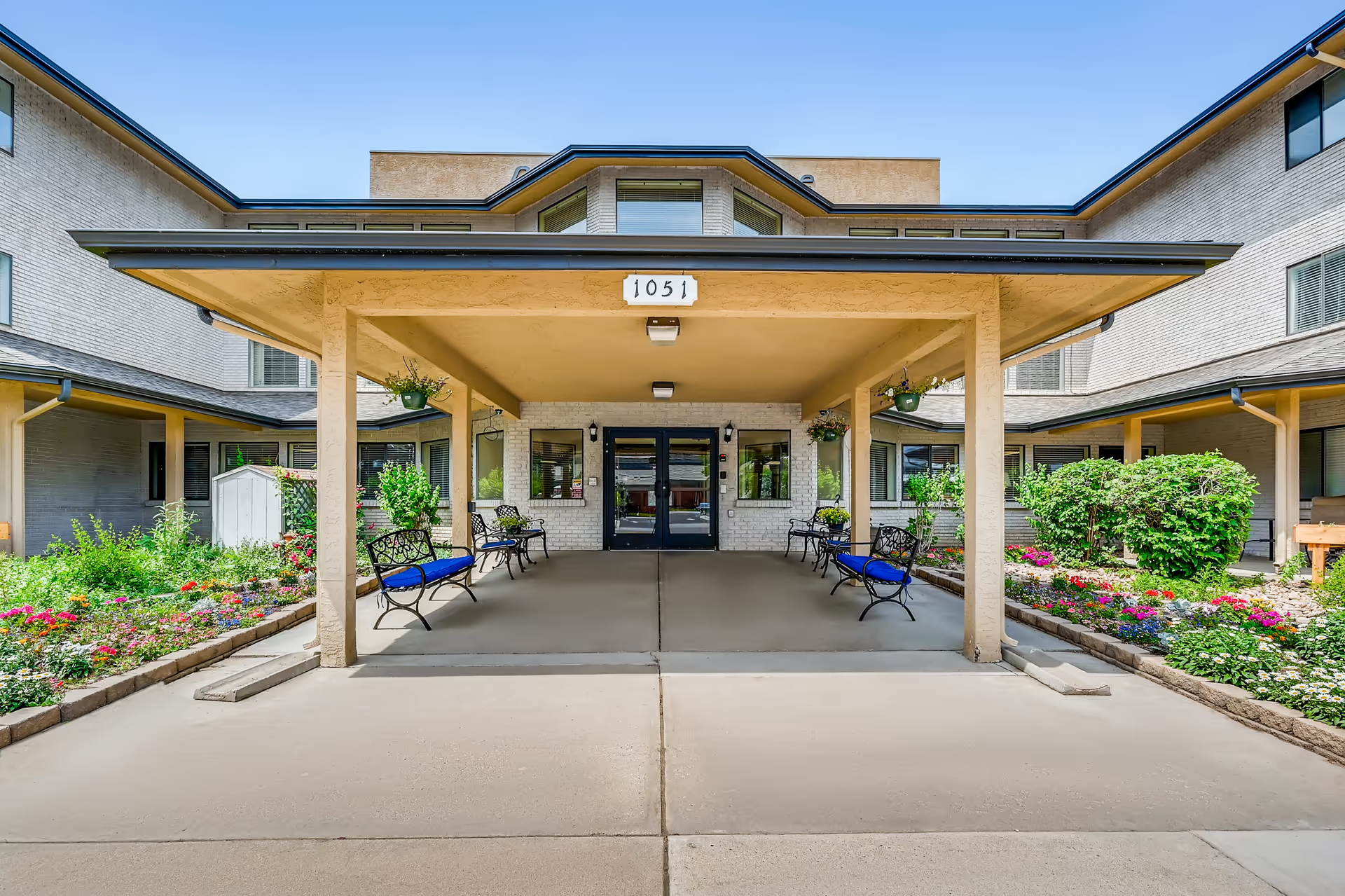
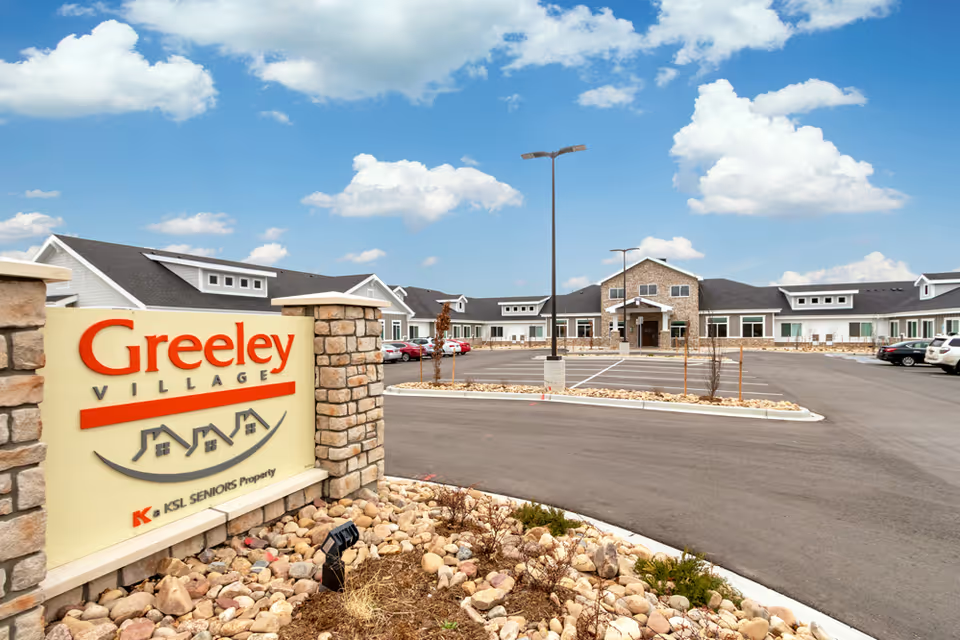
Reviews of Ashley Manor Evans 1 show a pronounced split between families who describe a warm, home-like setting with attentive caregivers and those who raise operational and safety concerns. Positive accounts emphasize a small, familial atmosphere, engaged ownership, and staff who are described as respectful and compassionate. Several families highlighted home-cooked meals, clean living spaces, active family engagement, and positive experiences with memory-care interactions. Payment flexibility (private pay to Medicaid) and the availability of single and double rooms were also noted as practical advantages.
At the same time, a number of reviews identify recurring operational weaknesses that warrant attention. Staffing emerged as a central issue: reviewers described chronic understaffing, extended or double shifts, and staff spread thin, which reviewers associate with reduced responsiveness and limited one-on-one attention. Related to staffing are concerns about hiring and training processes; reviewers raised questions about vetting practices and consistency of clinical competencies. Medication management is another salient concern, with reviewers pointing to gaps in medication-administration controls, auditing, and inconsistent presence of QMAP-trained personnel. These issues suggest variability in clinical oversight and record-keeping.
Safety, maintenance, and security patterns also appear inconsistent across accounts. While some families found the environment clean and secure, others described maintenance and sanitation inconsistencies, physical hazards in resident areas, and lapses in visitor/entry controls. Reviewers expressed concern about how behavioral risks and visitor access are managed, indicating that safety and security protocols may not be uniformly enforced. Privacy and dignity safeguards were reported as unevenly applied in some instances.
Dining and programming receive mixed evaluations. Several reviewers praised home-style meals and attentive dining staff, yet others noted limited menu variety and inconsistent meal quality. Activity offerings are similarly mixed: some residents experienced engaging visits and stimulation, while other accounts describe insufficient programming and limited opportunities for physical activity and social engagement.
Management impressions are split: some families describe transparent, cooperative leadership that responds quickly to care concerns, while others report a lack of support from administration and inconsistent leadership practices. This variability contributes to an overall sense that care quality and operational reliability may depend heavily on timing, specific staff on duty, and the expectations of individual families.
For prospective residents and families, the pattern suggests clear strengths in the facility’s ability to provide a warm, small-home environment when staffing and management are working effectively. At the same time, the recurring operational themes—staffing levels, medication controls, hiring/vetting practices, maintenance and safety protocols, and consistency of activities and dining—are areas to verify during a tour. Recommended clarifications include current staffing ratios and schedules, medication administration procedures and auditing, presence of QMAP-certified staff, background-check and hiring policies, sample activity schedules, and recent maintenance logs or inspection records.