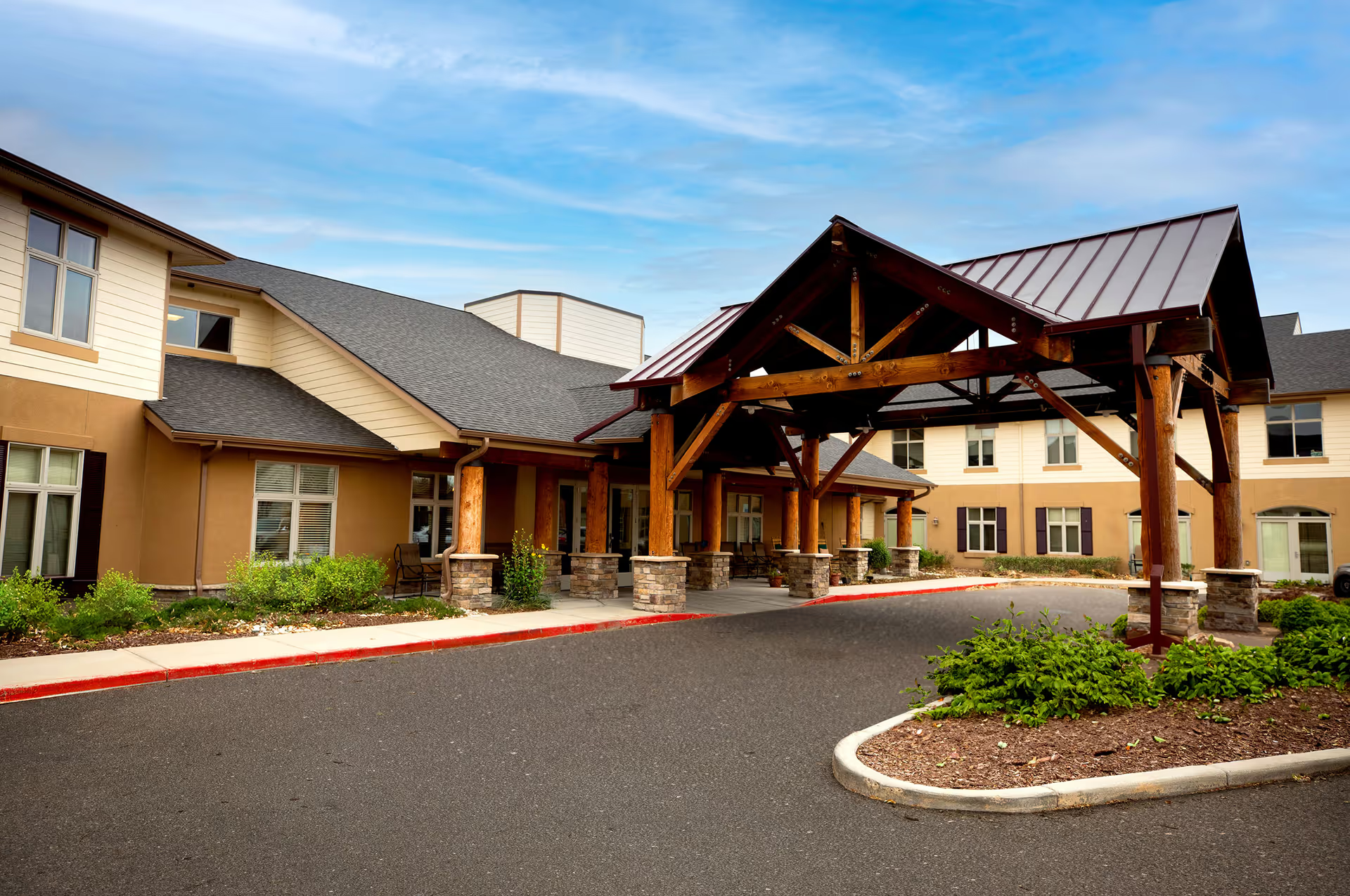
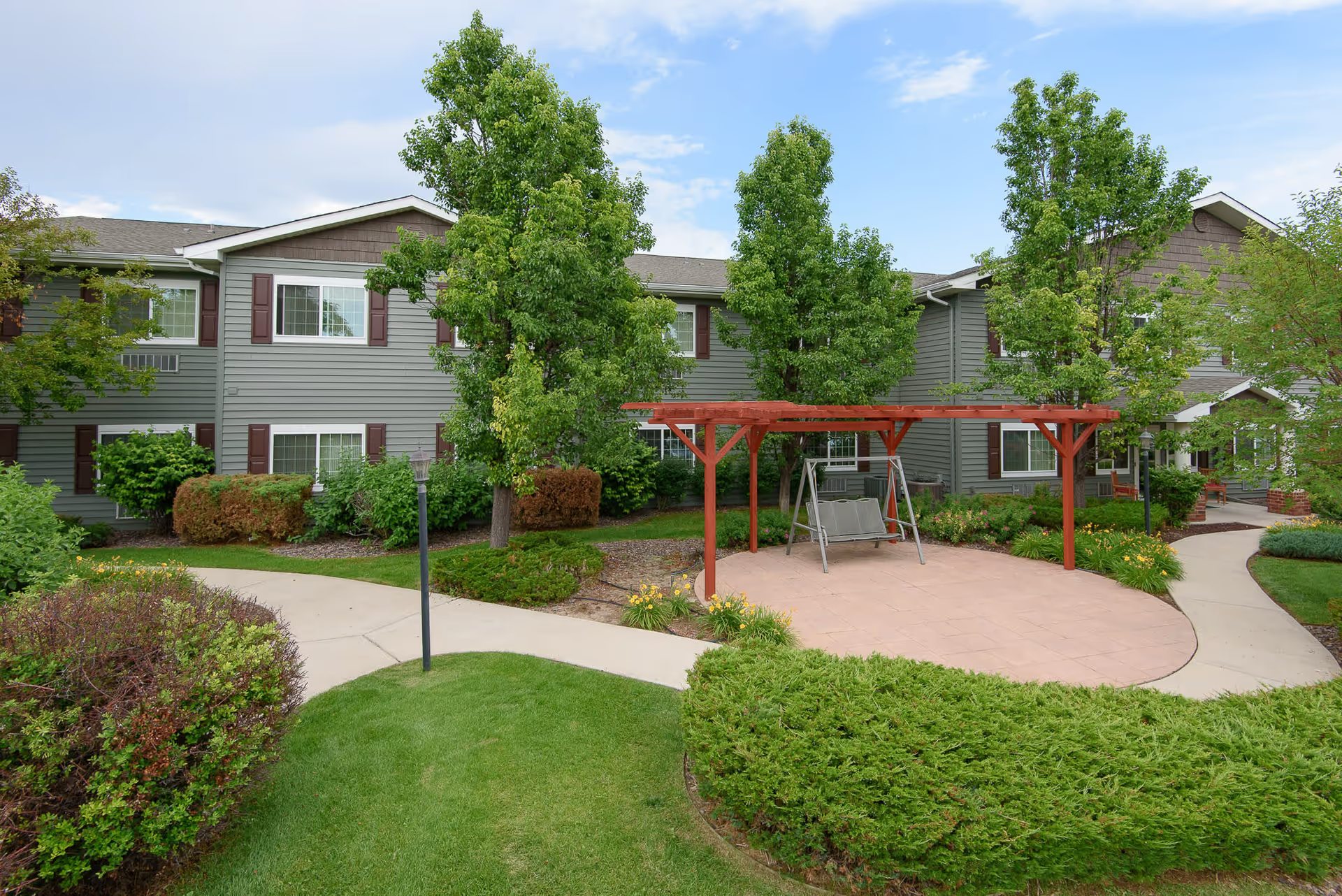
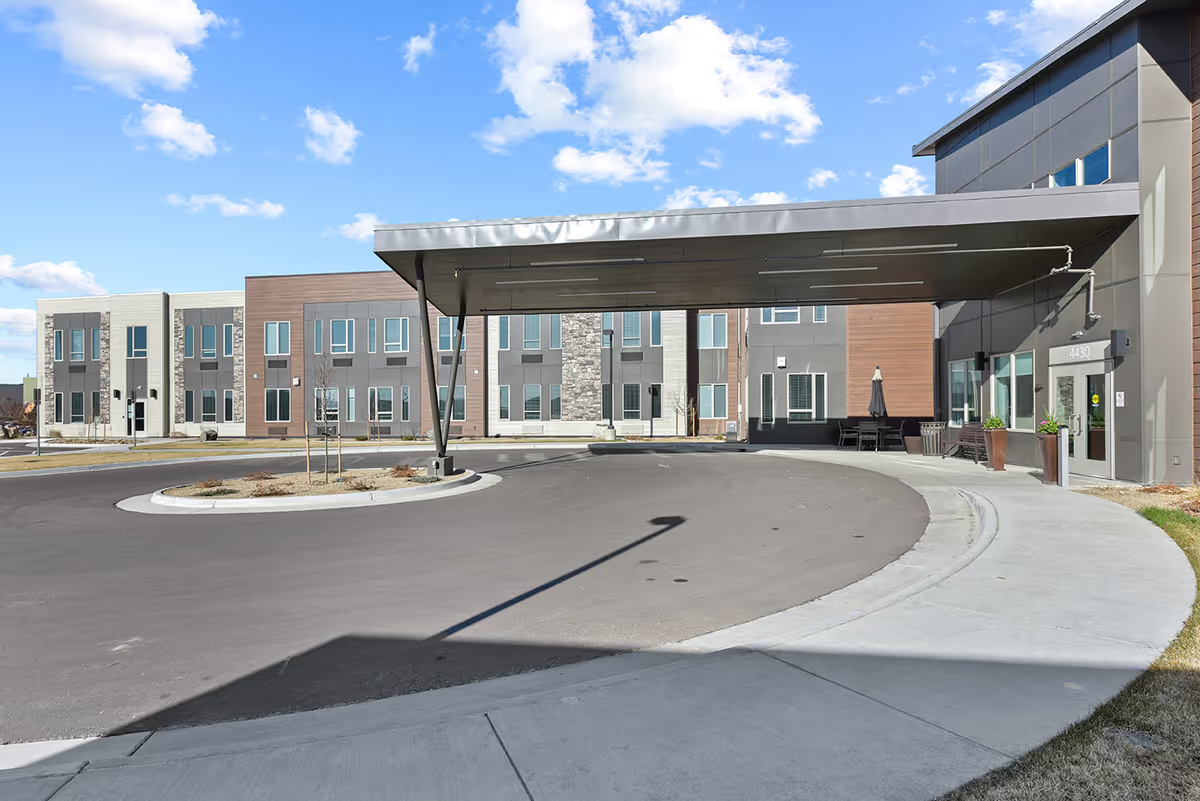
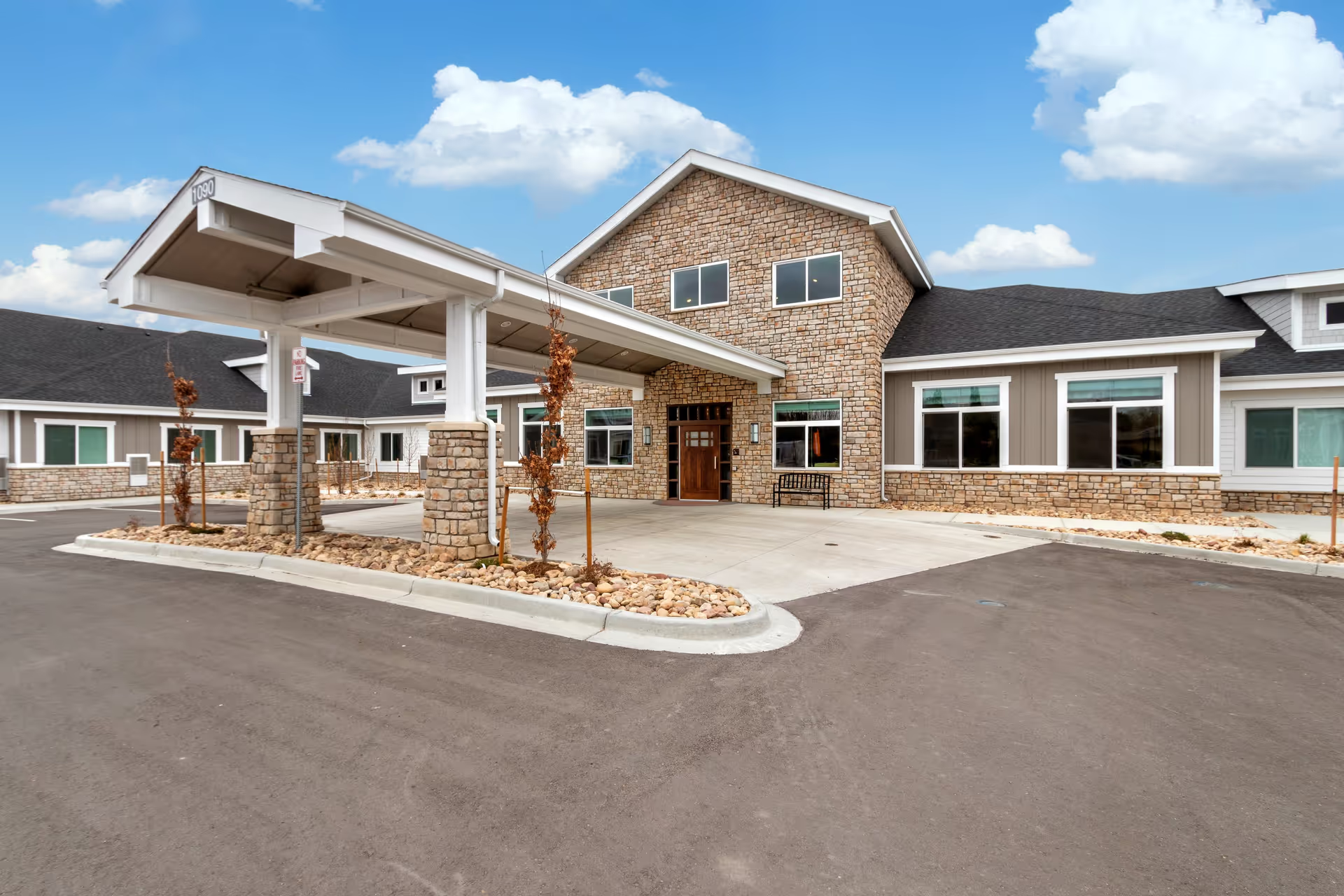
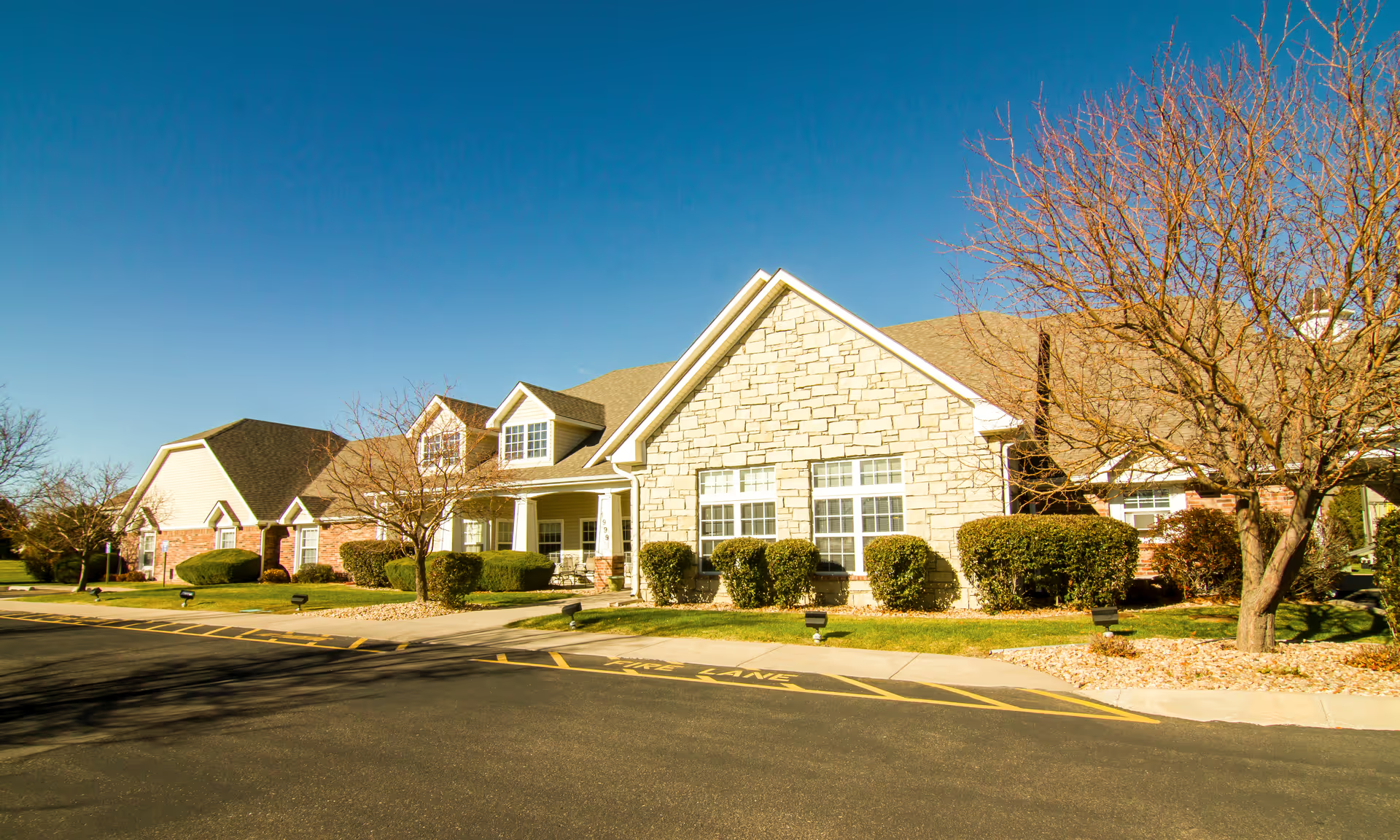
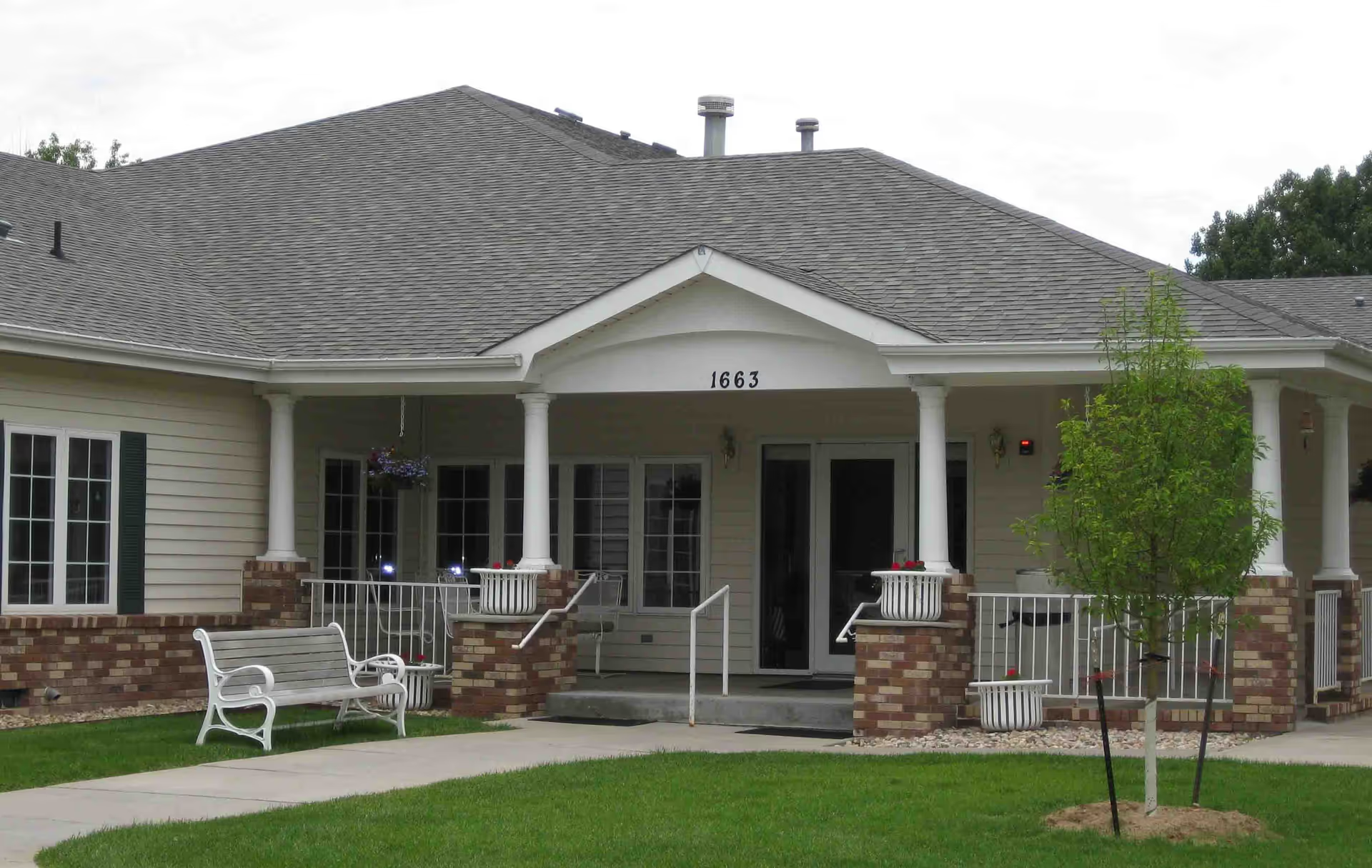
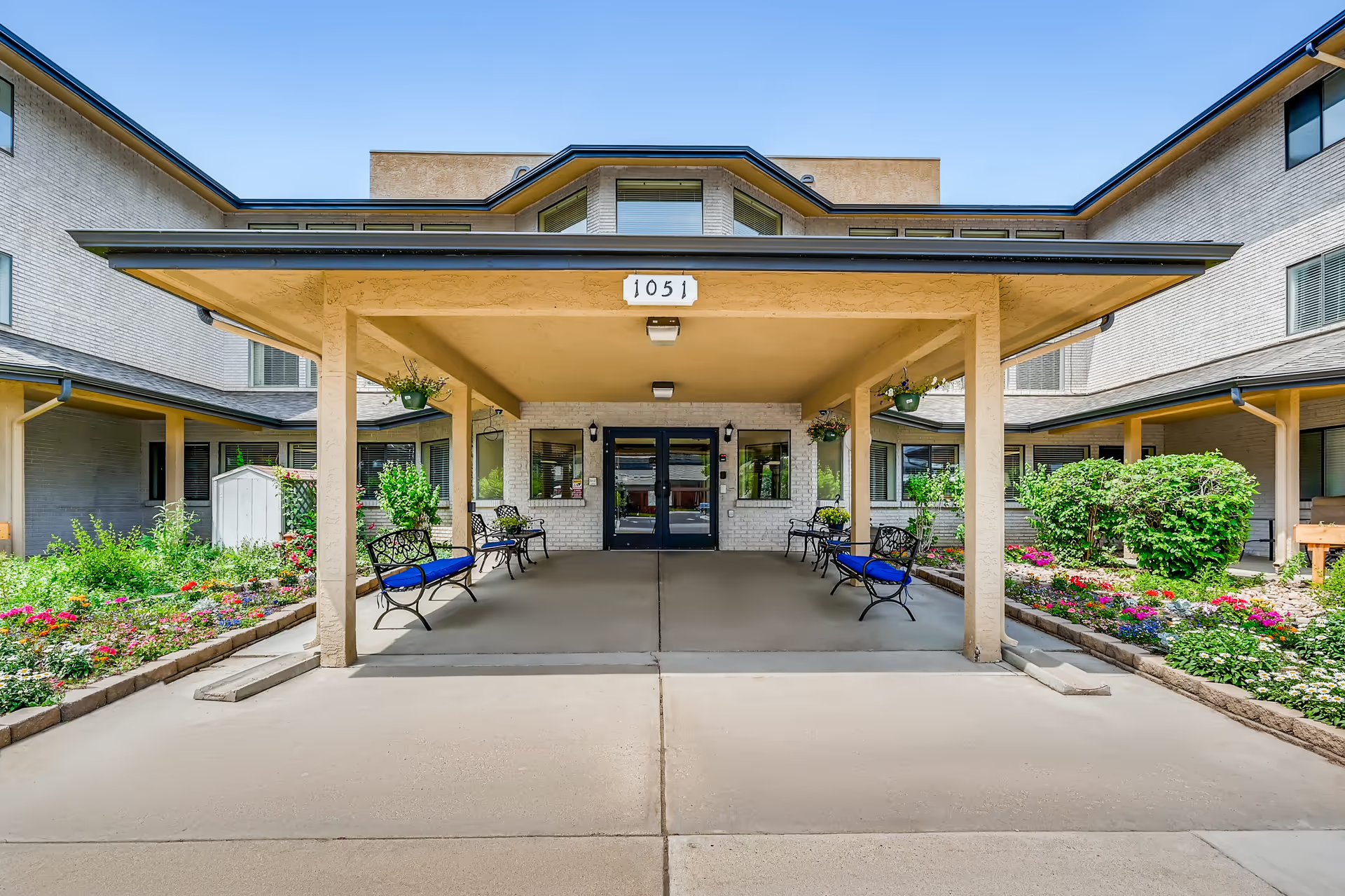
Grace Pointe Senior Care Community elicits strong, polarized impressions. Many families and residents commend the facility for compassionate, person-centered caregiving, highly regarded rehabilitation services, and an active social program. Reviewers frequently highlight skilled therapists, attentive nurses and CNAs, a welcoming front desk, and staff who make residents feel at home. The building itself is described as modern, well maintained, and clean, with spacious rooms, salon services, and a variety of communal amenities that support a family-style atmosphere.
Care quality shows a mixed but instructive pattern. Numerous accounts describe effective post-acute rehabilitation, successful stroke recovery and restoration of function, and thoughtful multidisciplinary involvement from therapists, nurses, social workers, and dietary staff. At the same time, recurring operational concerns around medication administration — including inconsistent timing and handling practices — and episodes suggestive of inadequate monitoring raise questions about clinical process reliability. Safety-monitoring and transfer-safety practices are an area of concern for some families and should be clarified during inquiries.
Staffing and interpersonal culture are central to residents' positive experiences; reviewers often use words such as compassionate, attentive, and personable. However, the facility also shows signs of staffing strain and turnover. Short-staffing and overwork were cited as contributors to delays in care, uneven activity participation, and variability in day-to-day responsiveness. These operational pressures appear to influence both care consistency and staff morale.
Dining and nutrition receive praise for accommodating special diets, attractive presentation, and personalized meal adjustments, but evaluations are inconsistent. Several families praised the kitchen and dietary staff for flexibility during supply disruptions; others cited unhealthy menu items or dissatisfaction with food quality. Prospective families should ask about menu planning, dietitian oversight, and how dietary needs are handled when there are supply or staffing interruptions.
Activities programming is a clear strength in many reports: daily events, musical performances, games, crafts, outings, and spiritual offerings are described as engaging and varied. That said, there are notes about unequal access to programming for residents in different units or with higher care needs. Confirming how activities are adapted and how residents who require more support are included would be advisable.
Management and transparency present a mixed picture. Positive interactions with administrators and moments of family support are described, but several reviewers expressed frustration with leadership responsiveness, human-resources practices (including wage-posting and careers-page changes), and communication following clinical events. These concerns about operational transparency and responsiveness suggest prospective families should evaluate administrative communication practices, escalation pathways, and staffing plans.
Overall, Grace Pointe appears to offer a high level of personal warmth, strong rehabilitation services, and a robust activity environment within a clean, attractive facility. The notable operational weaknesses—particularly medication-administration consistency, staffing levels/turnover, communication with families, and occasional dining variability—are the primary areas to probe during a tour. Recommended next steps for families: review medication-administration protocols, ask about staffing ratios and turnover, observe activity programming during a visit, discuss dietary oversight and sample menus, and request written communication and escalation policies so expectations are aligned before decision-making.