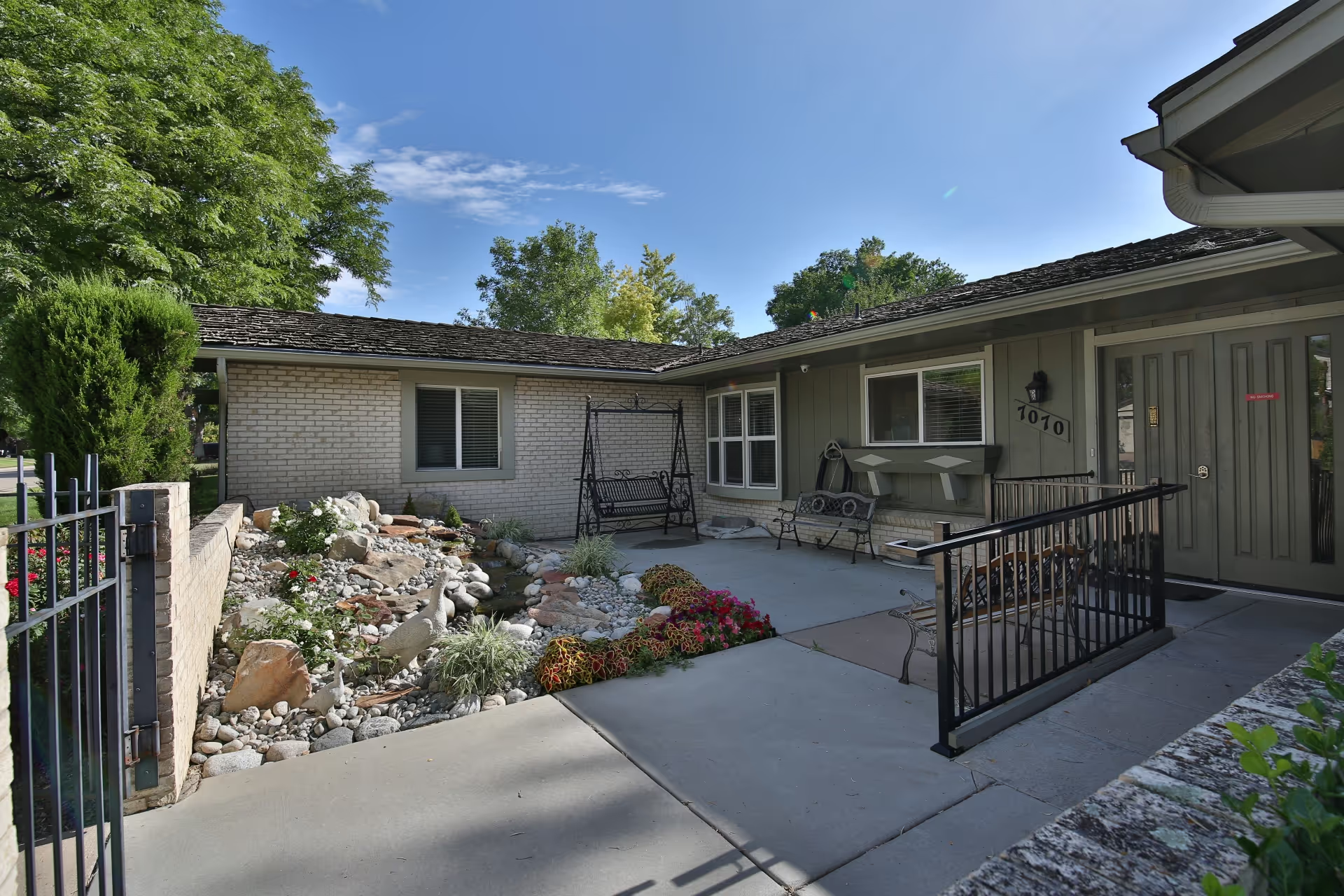
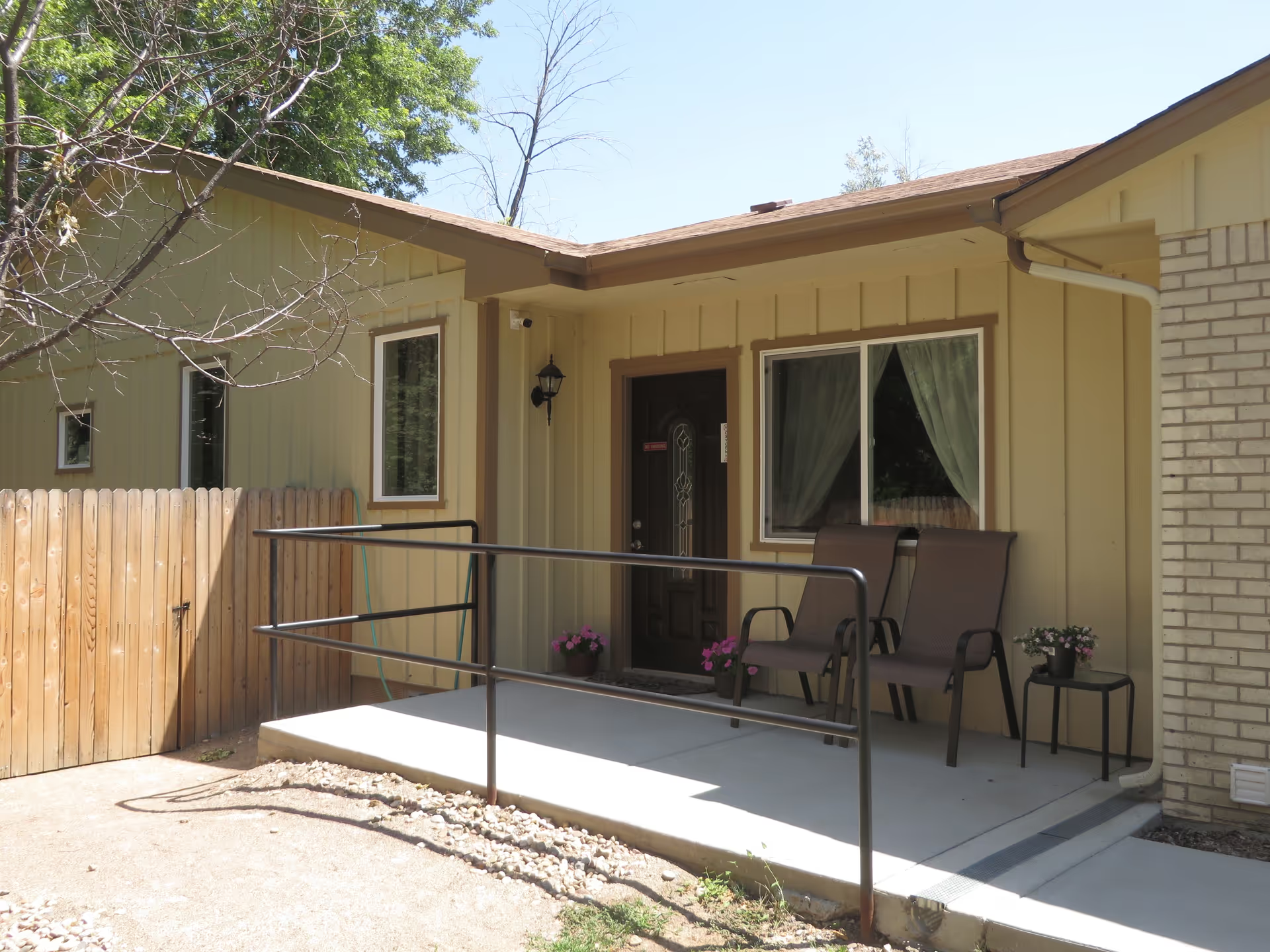
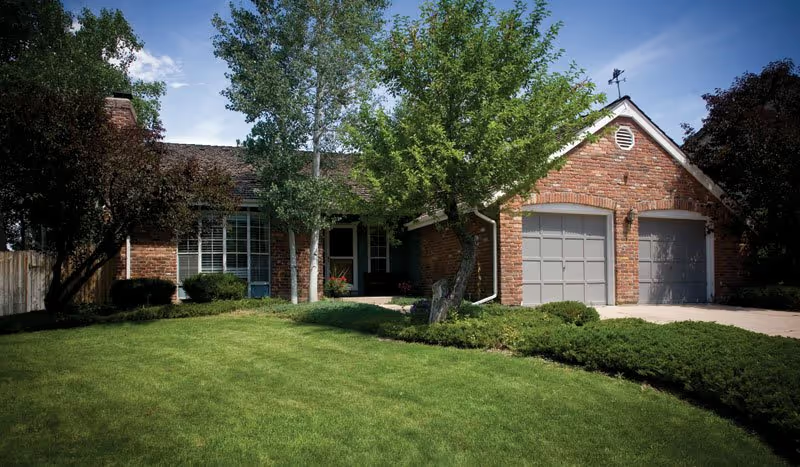
Wind Crest presents as a well-appointed, resort-like senior living campus with a broad amenities package and an active social environment. The facility's physical assets are frequently praised: modern, spacious apartments with large kitchens and granite counters; private balconies and mountain views; extensive landscaping; and multiple indoor walkways and communal lobbies. On-site services are comprehensive and convenient, including primary-care clinicians, rehabilitation services, a market, salon/barber, bank, and multiple fitness centers with pools, hot tub, and structured exercise programming. Many reviewers cite a rich social calendar — hundreds of clubs, classes and recurring programs such as a Learners Club, music and theater offerings, woodworking, hiking, and pickleball — that supports an active independent-living lifestyle.
Staff performance is characterized by a mix of strengths and weaknesses. Numerous accounts commend front-line employees in dining, fitness, rehab and nursing for being personable, helpful and professional; several families described positive care transitions and effective rehabilitation coordination. At the same time, there are recurring concerns about inconsistent staffing levels (particularly on some shifts), uneven staff training, and variability in tone and responsiveness from reception and supervisory personnel. Clinical concerns include gaps in communication among CNAs, nurses and managers and isolated reports of medication-administration errors; reviewers describe these as operational weaknesses rather than universal failures.
Dining is a focal point of mixed feedback. The campus offers multiple restaurants and rotating menus intended to provide variety and a restaurant-style dining experience; some residents praise the food quality, portion size and service in specific venues. However, a substantial number of accounts indicate a perceived decline in food quality and selection over time, tighter portioning, and inconsistently trained dining staff. The facility's meal-plan structure—mandatory plans, nonrefundable credits with monthly expiration, and occasional extra charges—emerges as a frequent source of frustration. Prospective residents should review meal-plan contracts and sample menus carefully and ask about accommodations for therapeutic diets.
Care levels beyond independent living show variability. While short-term rehab and some in-home care services receive positive comments, reviewers raised concerns about the facility's capacity to manage advanced assisted-living needs and progressive memory-care cases. Complaints include difficulties obtaining continuous 24/7 clinical coverage without expensive third-party arrangements, policy-driven discharges from memory care, and perceived gaps in long-term skilled-nursing suitability. These patterns suggest Wind Crest is strongest for independent living and short-term rehabilitation, and that families should probe staffing ratios, care protocols, and escalation pathways for higher-acuity needs.
Management, contracting and administration are areas with repeated critique. Themes include aggressive marketing tactics and perceived discrepancies between promotional materials and lived experience, billing and refund disputes, slow responses to maintenance and administrative requests, and frustration with buy-in terms and perceived pricing practices. Construction activity associated with campus expansion also created dust, noise and temporary service disruptions in several accounts. At the same time, specific staff members and some managers received praise for taking corrective action when contacted; outcomes appear to vary by individual dispatcher or department.
In sum, Wind Crest offers a high-amenity, socially active campus with strong on-site services and attractive living environments that many residents find satisfying for independent retirement living. However, reviewers consistently identify operational and governance areas to investigate before commitment: dining-plan mechanics and quality, clinical communication and medication controls, memory-care and long-term-care policies, maintenance turnaround times, billing and contract terms, and staffing patterns. Prospective residents and families should conduct focused tours, request recent menus and sample contracts, meet supervisory clinical staff, and obtain clear written answers on meal-plan rules, staffing levels, and refund procedures prior to signing any long-term agreement.