Overall impression: Bethany Nursing and Rehab elicits mixed but distinct themes. Many families and residents describe warm, compassionate direct care from nursing aides, therapists, and several clinicians — qualities frequently cited as reassuring for rehabilitation stays and daily care. The facility’s short-stay rehab suites, therapy staff, and visible caregiver presence are recurring strengths, and numerous comments note a welcoming front desk, clean and well-appointed interior spaces, and engaging activities that support socialization. For some residents the environment provides a comfortable, family-like atmosphere with convenient outdoor access and responsive discharge coordination.
Care quality and clinical issues: Clinical quality descriptions are variable. Positive accounts emphasize attentive nursing and strong therapy outcomes; negative accounts point to inconsistent clinical follow-up, missed or delayed medications, and delays in attending to routine personal-care tasks such as bathing. There is at least one serious, individual safety incident that prompted concerns about the timeliness of clinical response and family communication. These contrasting observations indicate that while clinical capability exists at the facility, execution is uneven and appears sensitive to staffing levels and shift handoffs.
Staffing and communication: Staff kindness and individual staff members receive frequent praise, but reviewers also report patterns of inconsistent communication with families and limited responsiveness at times — particularly on weekends or during certain shifts. Phone/communication outages, delayed callbacks, and billing or administrative responsiveness gaps are noted as operational weaknesses. Several comments describe effective, helpful staff in therapy and direct care roles alongside frustrations with office-level follow-through.
Dining and kitchen practices: Dining impressions are mixed. Some residents and families praise nutritious, well-prepared meals and positive dining experiences; others describe cold meals, low-calorie portions, and kitchen sanitation concerns, including equipment cleanliness. These divergent accounts suggest variability in meal service quality and the need for stronger kitchen oversight to ensure consistent meal temperature and sanitation standards.
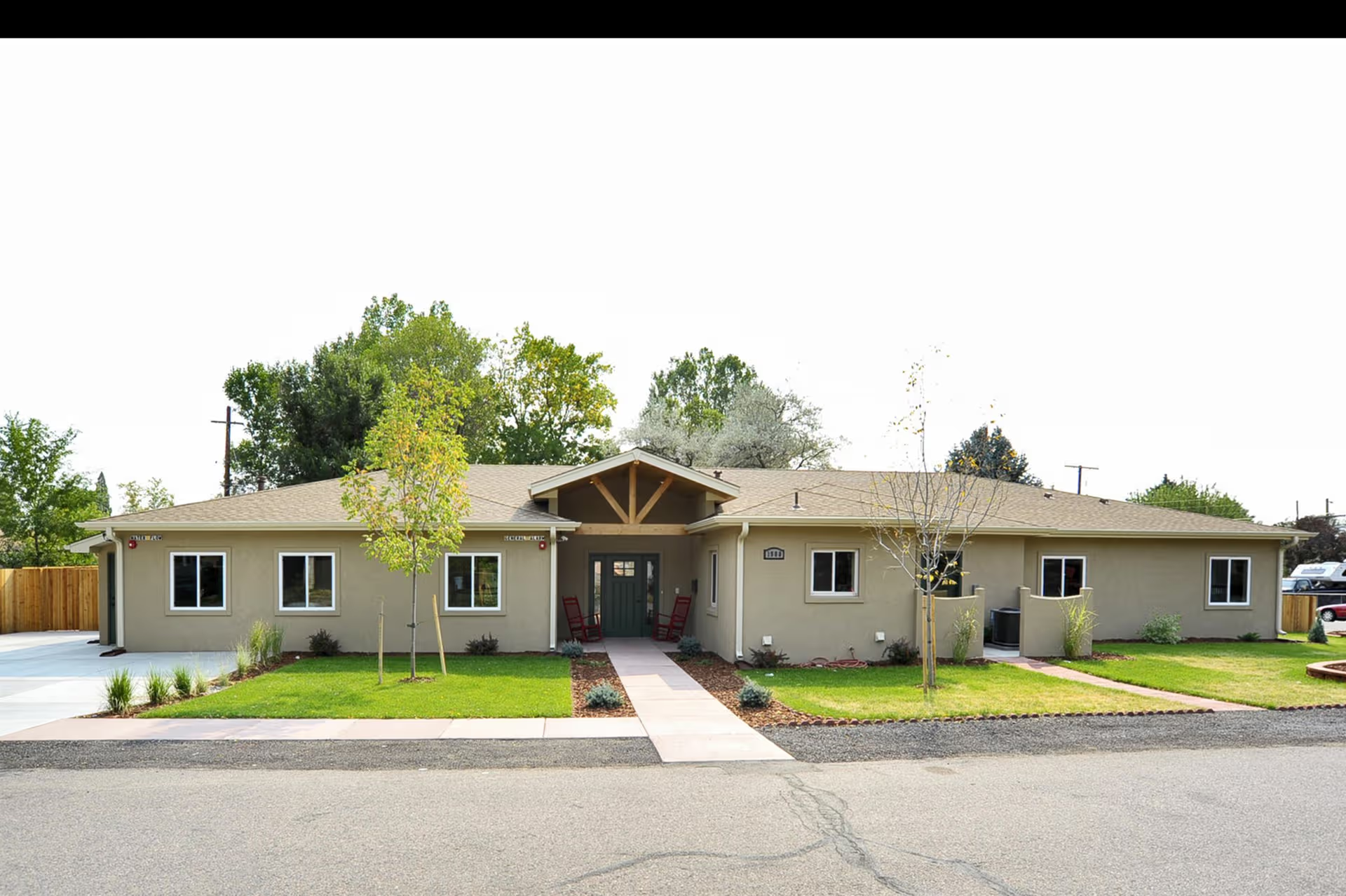
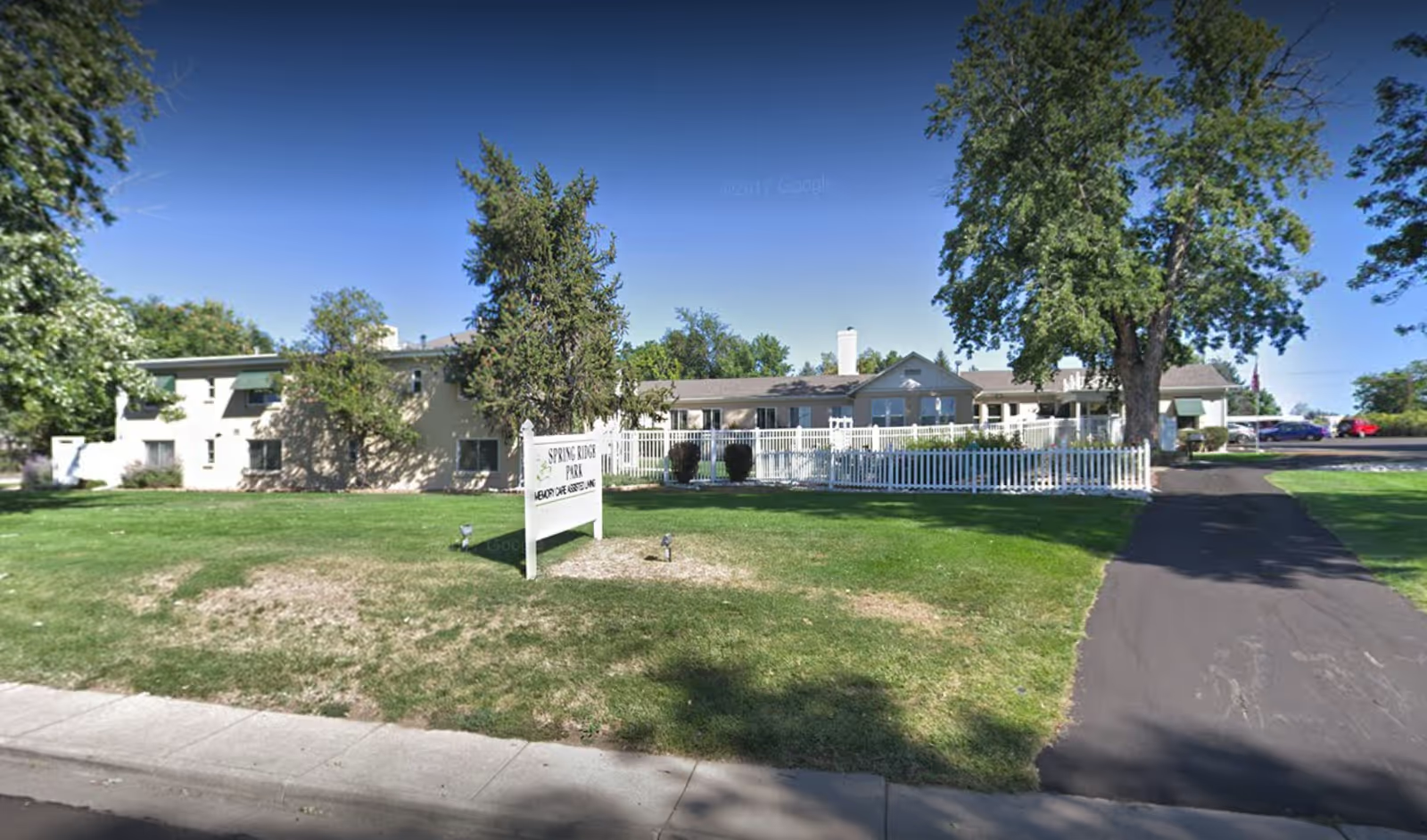
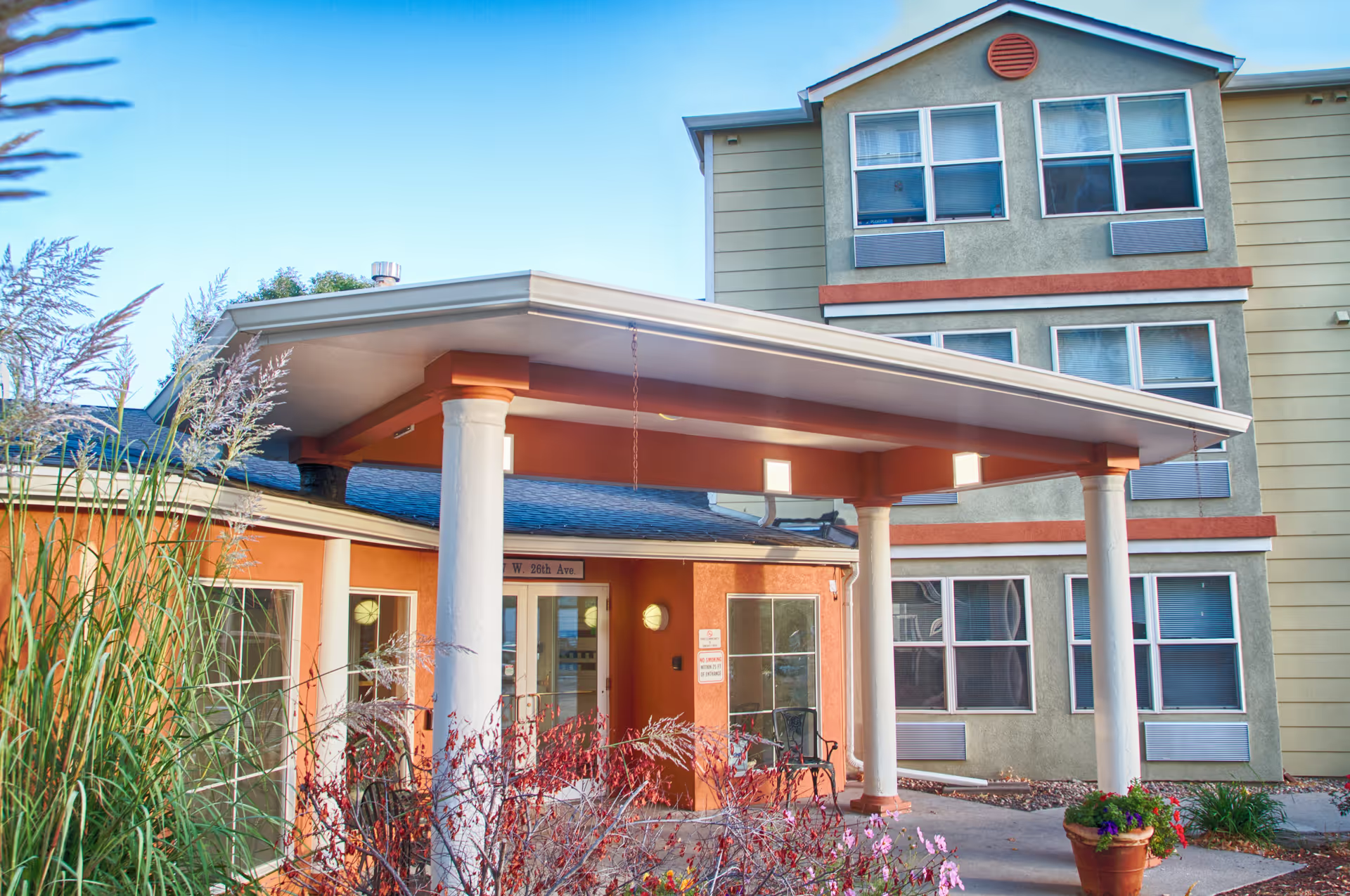
Facilities and environment: The interior is often described as clean and nicely appointed, with private rehab suites praised for comfort. At the same time, reviewers note localized sanitation and odor concerns in some common areas and hallways and limited ventilation or HVAC performance in back areas. Room configurations vary; some units lack an in-room bathroom or have small living quarters, which may influence resident satisfaction depending on individual needs.
Management and operational patterns: Management performance appears inconsistent in reviewers’ experiences. Positive interactions with administrators and specific staff members are reported, but there are also complaints about unresponsiveness from office/billing staff, incomplete follow-up, and the departure of a director of nursing that some families felt affected continuity. Recurrent operational themes include understaffing, uneven shift handoffs, property-management issues (misplaced personal items and package delivery problems), and the need for clearer family communication protocols.
Notable patterns and recommendations: The strongest, most consistent positives are the compassion and clinical skill of many direct-care staff and therapists, and the facility’s capacity to provide effective short-term rehabilitation. The primary operational risks identified are inconsistent communication, staffing variability that affects continuity of care, sanitation and kitchen oversight gaps, and lapses in personal-property and laundry management. Prospective residents and families should weigh the facility’s strong therapy resources and caring staff against variability in facility-level processes; when possible, request specifics about staffing patterns, infection-control practices, meal-service protocols, and family-communication workflows before admission. Monitoring these operational areas and maintaining active family engagement will help address the uneven elements reflected across reviews.