Overall impression: Reviews portray Rocky Mountain Assisted Living and Memory Care as a facility with strengths in its physical environment, daily living experience, and front-line caregiving, while also indicating operational weaknesses related to clinical monitoring and staffing stability.
Care quality: Many comments describe attentive, compassionate caregiving and consistent daily support that contributes to residents' wellbeing. At the same time, some reviewers raised substantive concerns about clinical monitoring for condition-specific needs—most notably diabetes management and blood-glucose surveillance—and about gaps in continuity of care during hospital transitions. These concerns suggest variability in clinical follow-through rather than uniformly poor care; they point to areas where clinical protocols and monitoring could be reinforced.
Staff and management: Staff are frequently characterized as kind, hands-on, and responsive, with management noted for prompt issue resolution and proactive engagement. Positive interactions and an engaged leadership presence are recurring themes. Conversely, reviewers also cite high overall staff turnover and specific issues on night shifts, which can affect continuity, institutional knowledge, and perceived reliability of care during off-hours. These staffing dynamics appear to be a central operational vulnerability.
Dining and activities: Dining receives generally favorable remarks—food quality is described as good and menus are visible and accessible. The activity program is consistently described as engaging and socially supportive, contributing positively to residents' mood and social connection. These elements reinforce the facility’s strength in promoting a home-like, socially active environment.
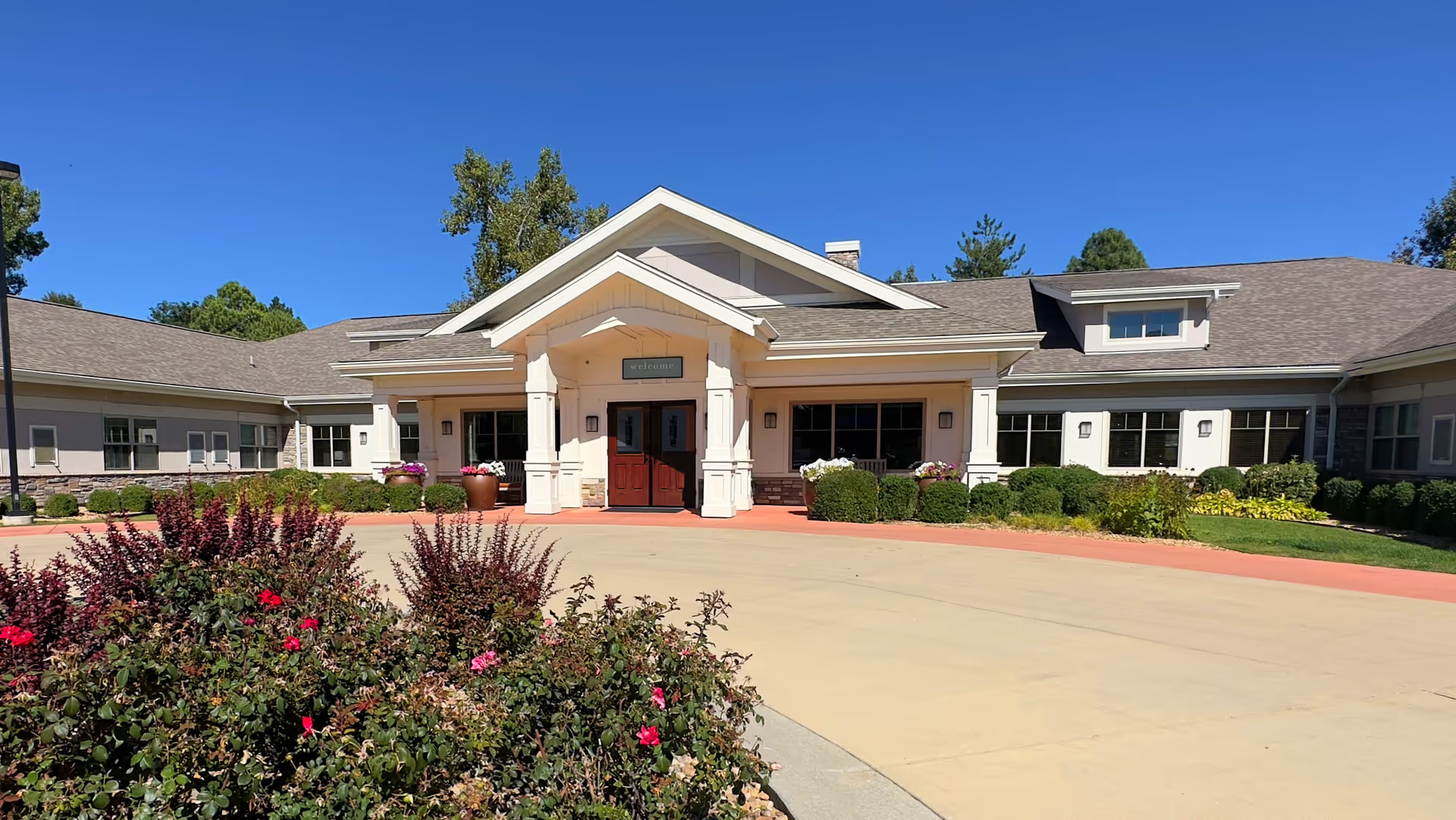
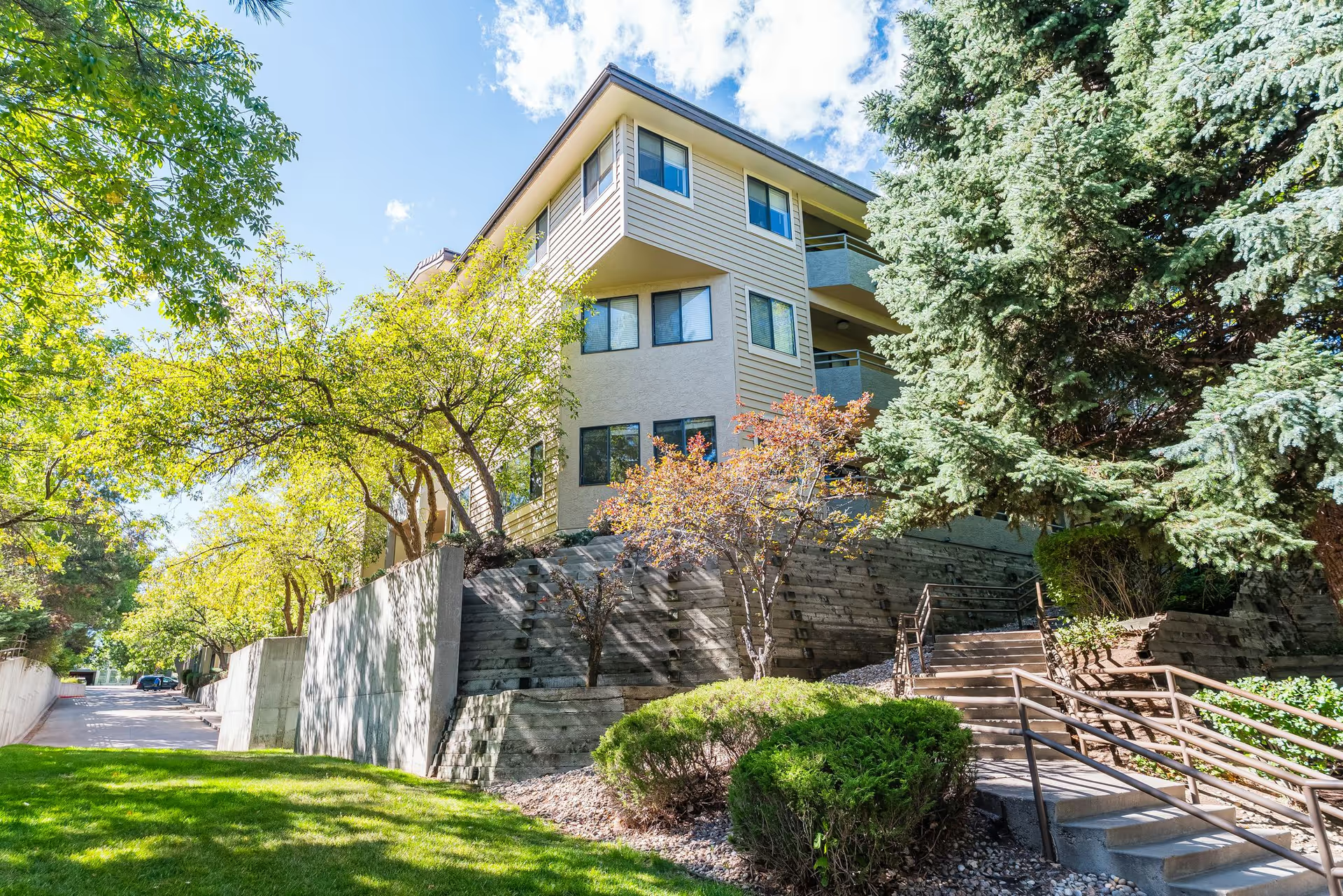
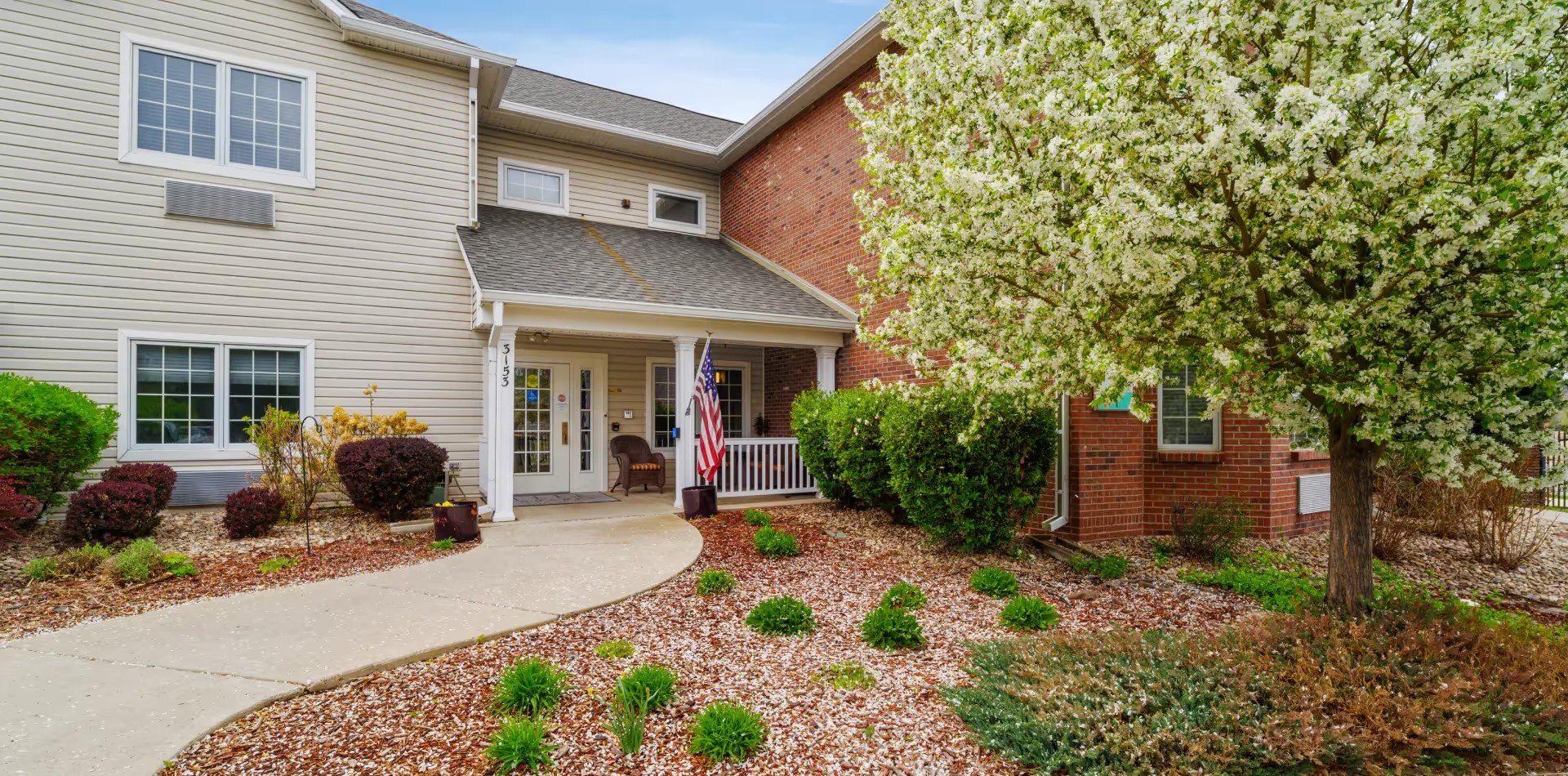
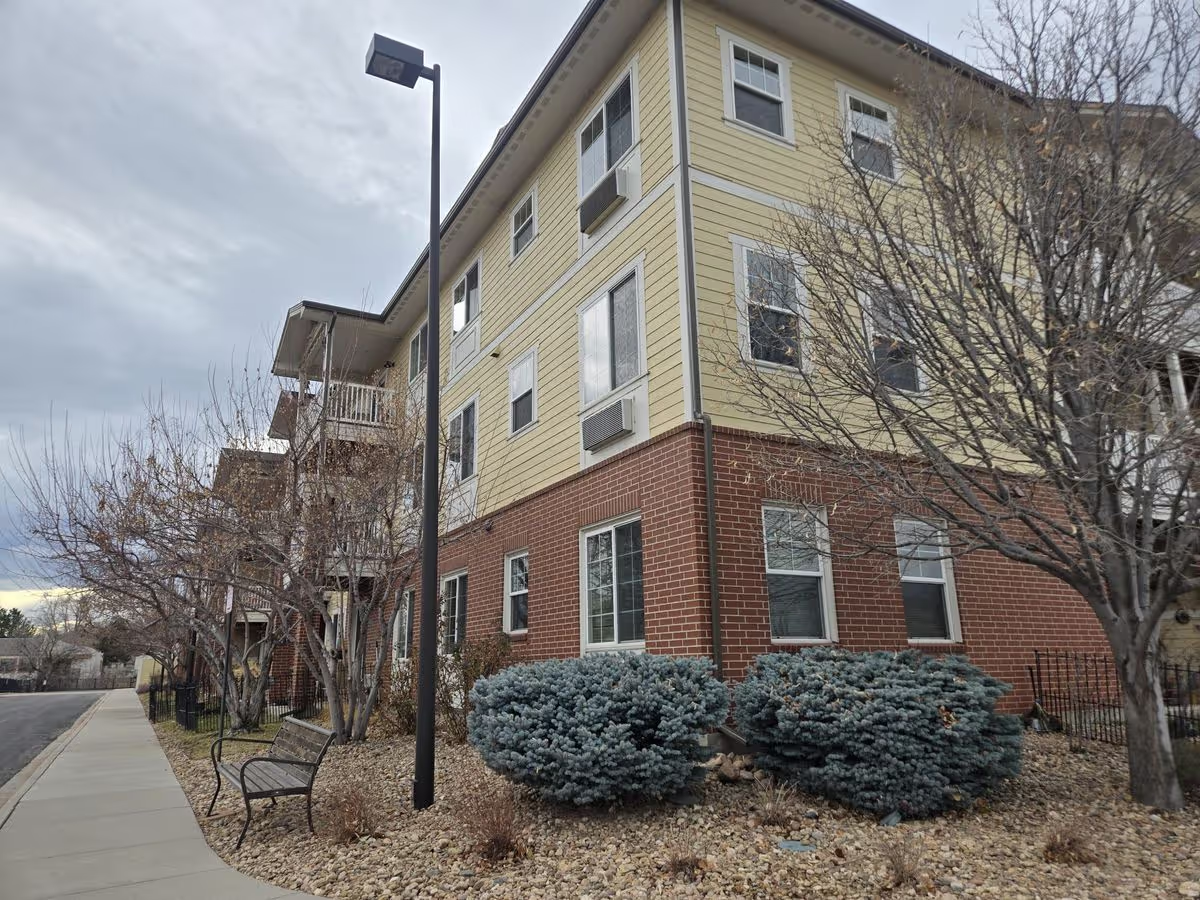
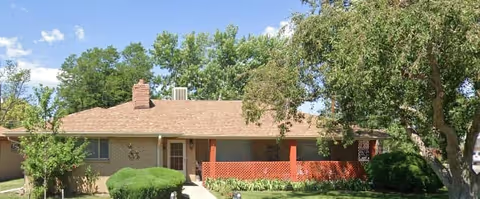
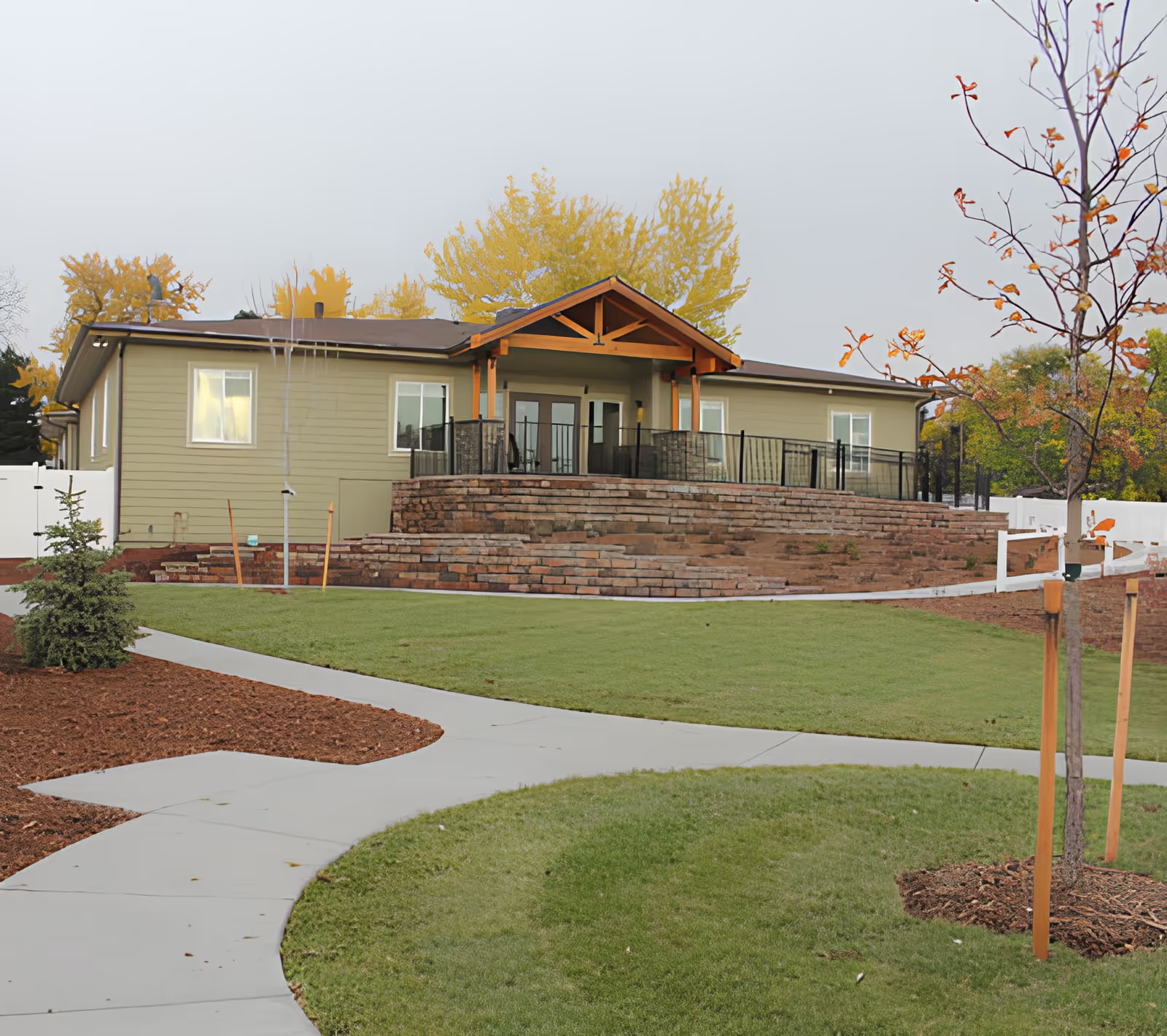
Facilities and atmosphere: The physical plant is presented as attractive, clean, and home-like, with roomy common areas and a large open kitchen. Tour experiences are described as helpful and informative, and the environment is often called welcoming and family-oriented. However, there are isolated statements about inconsistent room-level cleanliness at move-in or during transitions, indicating that housekeeping practices may vary between common areas and individual units.
Notable patterns and guidance for families: The dominant positive pattern is a warm, social community supported by engaged staff and attractive facilities. The dominant negative pattern centers on clinical monitoring and staffing stability—issues that can materially affect residents with complex medical needs. Prospective residents and families may want to clarify protocols for chronic-condition monitoring (for example, diabetes and blood-glucose checks), staffing levels and turnover (especially for night coverage), and how the facility manages hospital transitions and readmissions. Asking for documentation of clinical protocols, staff continuity measures, and recent staffing metrics can help assess whether the facility’s strengths align with a prospective resident’s medical and personal needs.