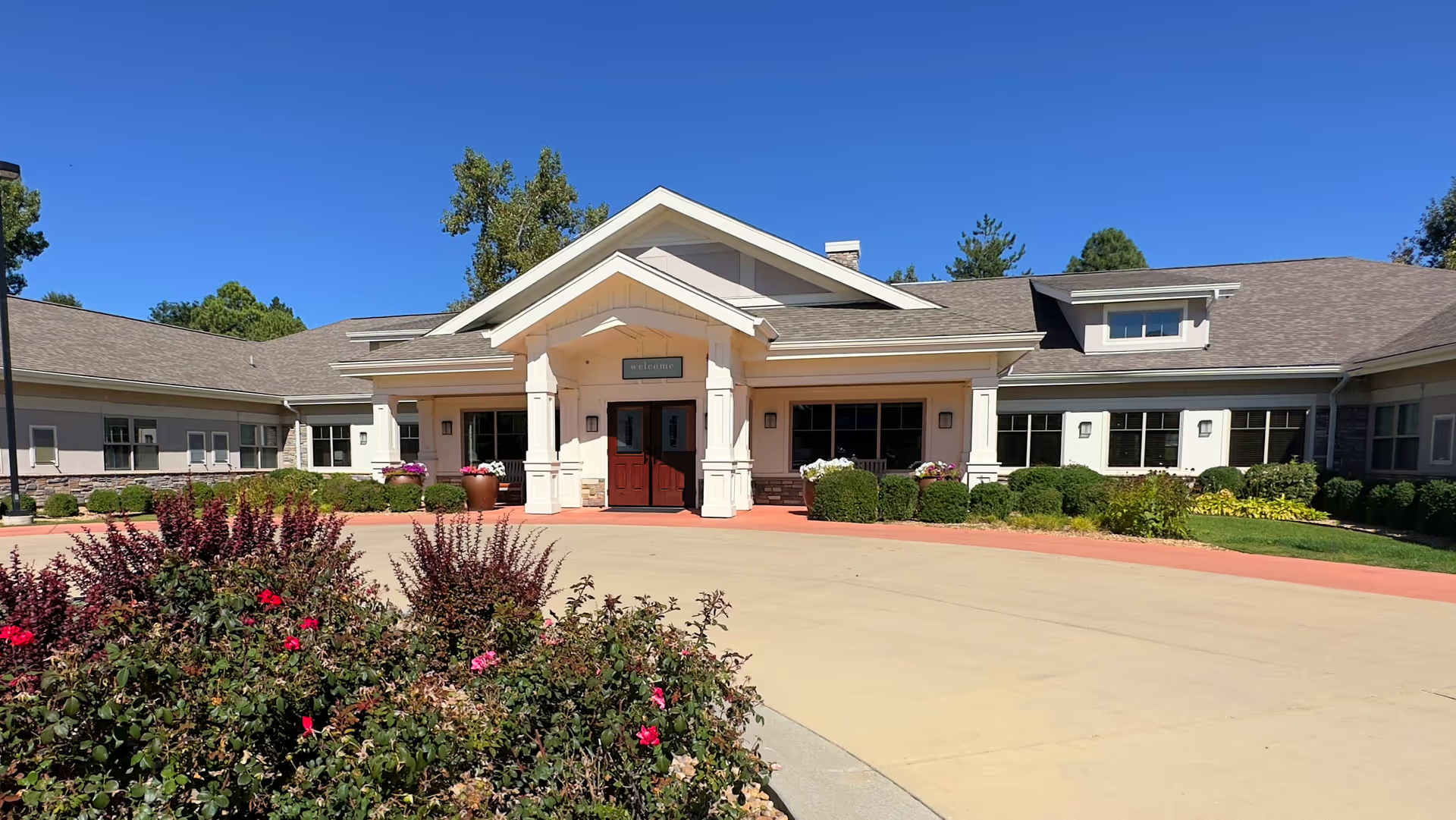
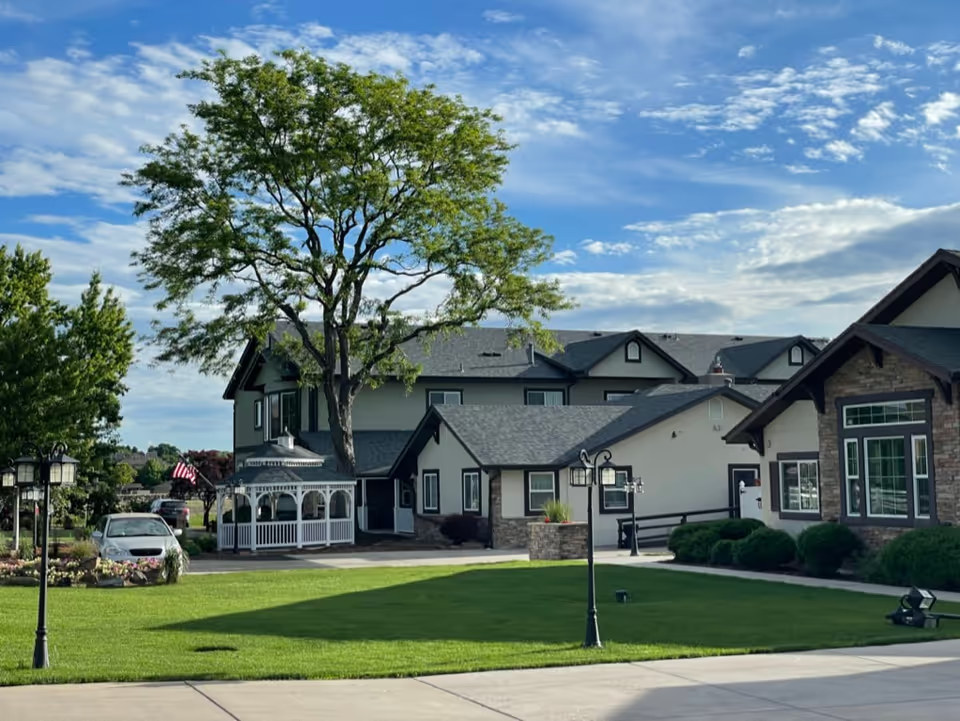
Overall impression: The Village of Bear Creek/Cadence presents as a well-maintained, community-oriented assisted living campus with many strengths but some operational inconsistencies to probe during a tour. Reviewers commonly praise the facility’s physical environment — updated, clean interiors, large bright studio apartments, accessible bathrooms, and attractive grounds and courtyard — and highlight a broad activities program that keeps residents socially engaged. Housekeeping, laundry, and general cleanliness of common areas are frequently noted as positives, and many families found move-in support helpful and professional.
Care and staff: Caregiving staff are widely described as compassionate, courteous, and attentive; families repeatedly singled out individual caregivers and nurses for their responsiveness and warmth. The community offers active nursing and medical coordination, therapy support, and personalized care planning for residents at assisted-living level. However, there is a notable pattern of staffing inconsistency and turnover that affects reliability. Several families described delays in staff responding to call lights or requests for assistance, and a subset raised concerns about delayed assistance after falls and about follow-up communication. There are also comments indicating gaps in nursing oversight and medication-administration processes; prospective residents with higher-acuity needs should verify clinical capacity and nurse coverage before choosing the community.
Dining: Dining impressions are mixed. Some families and residents find the food enjoyable and well accommodated for special diets, while others describe a repetitive menu, bland or overcooked vegetable options, and limited alternative selections. The facility provides three on-site meals per day and can accommodate dietary needs, but menu variety and consistency appear uneven across mealtimes.
Activities and community life: The activity program is a clear strength — reviewers mention music, games, dance, yoga, crafts, outings, and memory-care-specific activities. The size of the community in some areas promotes one-on-one attention and close social connections; many residents are described as engaged and forming friendships. Memory-care programming is generally viewed positively, with families noting safety, engagement, and structured activities.
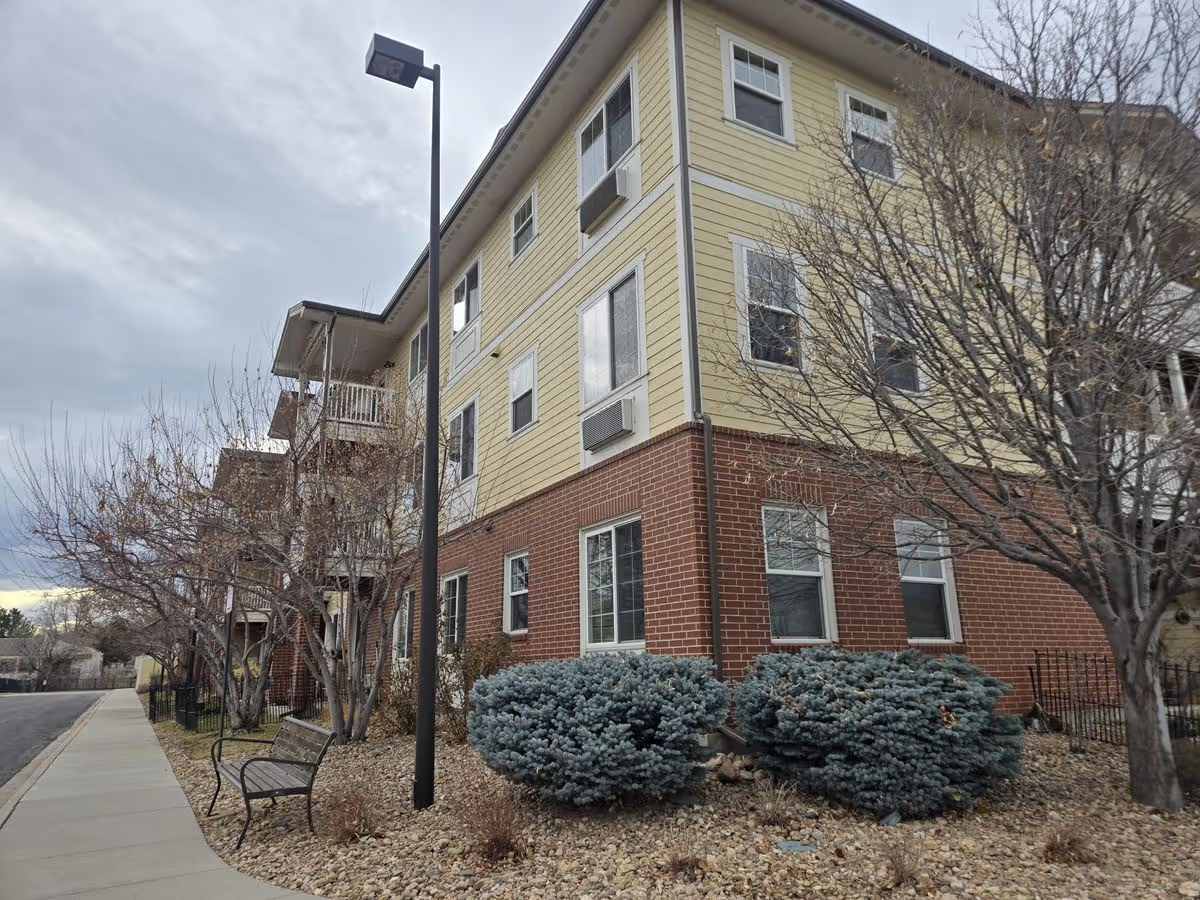
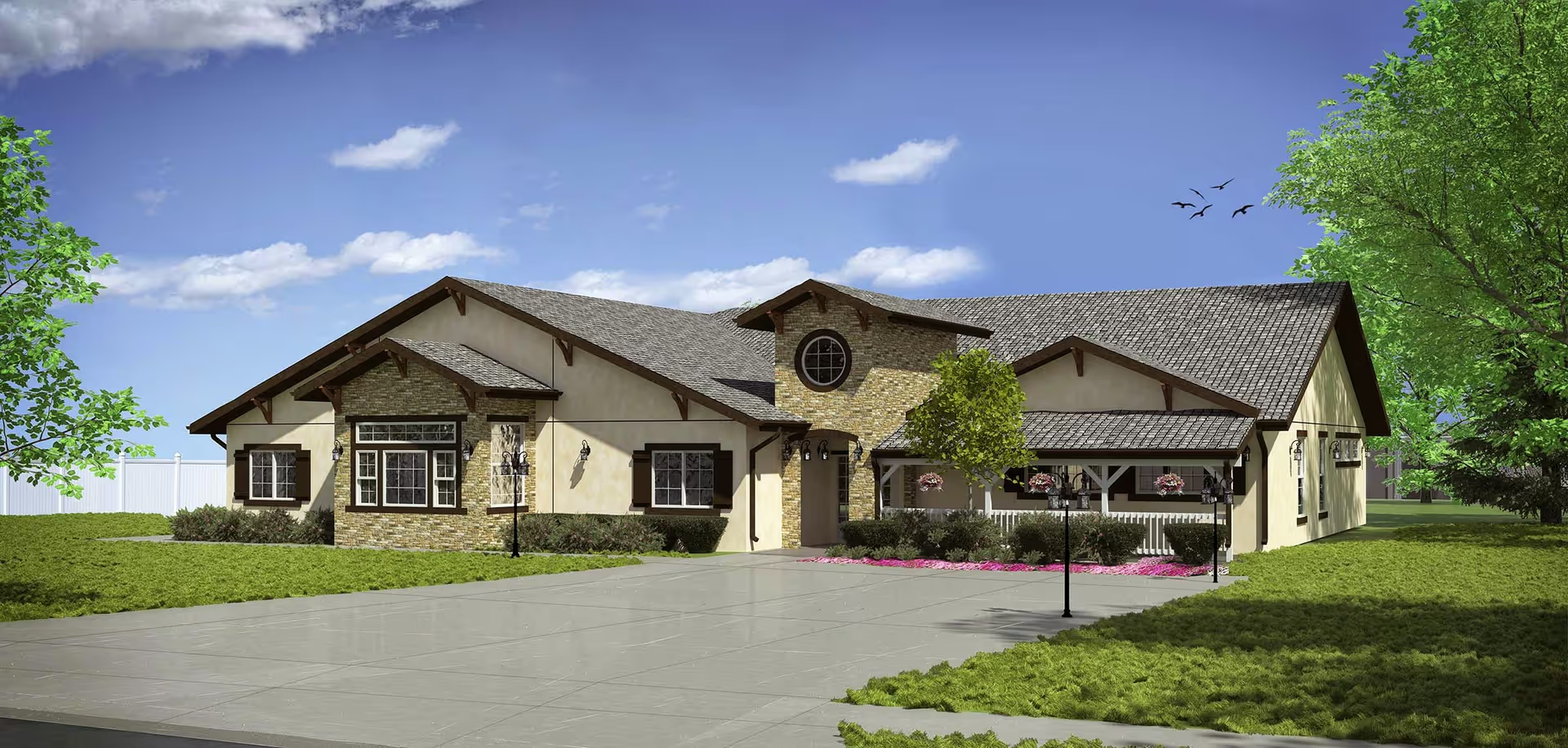
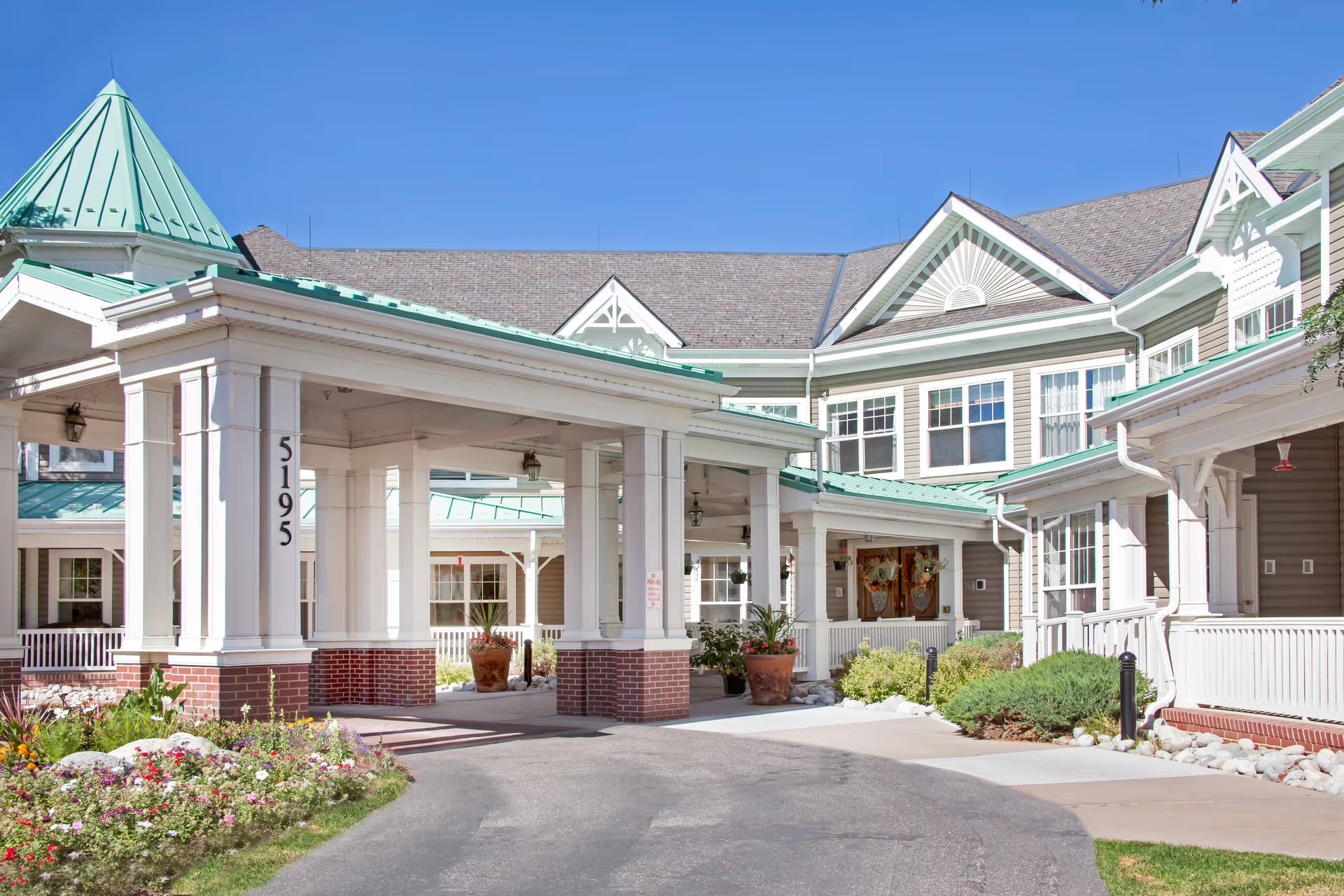
Facilities, housekeeping and safety: Physical plant strengths include bright apartments with ample storage and large windows, accessible one-level layouts or handicap-accessible apartments, a secure gated campus, and well-kept outdoor walking paths. Housekeeping and laundry services receive consistent praise. Parking is limited in some accounts, and prospective visitors should check availability if frequent family visits are expected.
Management and transparency: Management strengths include helpful move-in coordination and staff who try to resolve issues. At the same time, reviewers describe leadership communication challenges, occasional broken promises, and fee-transparency issues — unexpected charges for basic items at move-in were cited. There is evidence of periodic leadership turnover and protocol changes; these dynamics appear to contribute to variability in service consistency. Prospective families should request clear written documentation of what is included in the contract, staffing ratios, night coverage plans, and procedures for medication administration and incident follow-up.
Notable patterns and recommendations: The strongest, most consistent positives are the compassionate staff, clean and modern facilities, robust activity offerings, and an engaged resident population. The primary operational risks are variability in staffing continuity (including nights), inconsistent responsiveness to assistance requests, uneven meal quality, and occasional concerns about nursing oversight and personal-care delivery. For families considering the community, recommended questions to ask on tour include current caregiver-to-resident and nurse-to-resident staffing levels across shifts, medication-administration protocols, how call-light response times are monitored, menu rotation and accommodation policies, what is included in monthly fees, and the facility’s policies for higher-acuity residents and emergency transfers. Touring during meal and activity times and speaking directly with nursing leadership can help assess whether the current operational consistency matches your expectations.