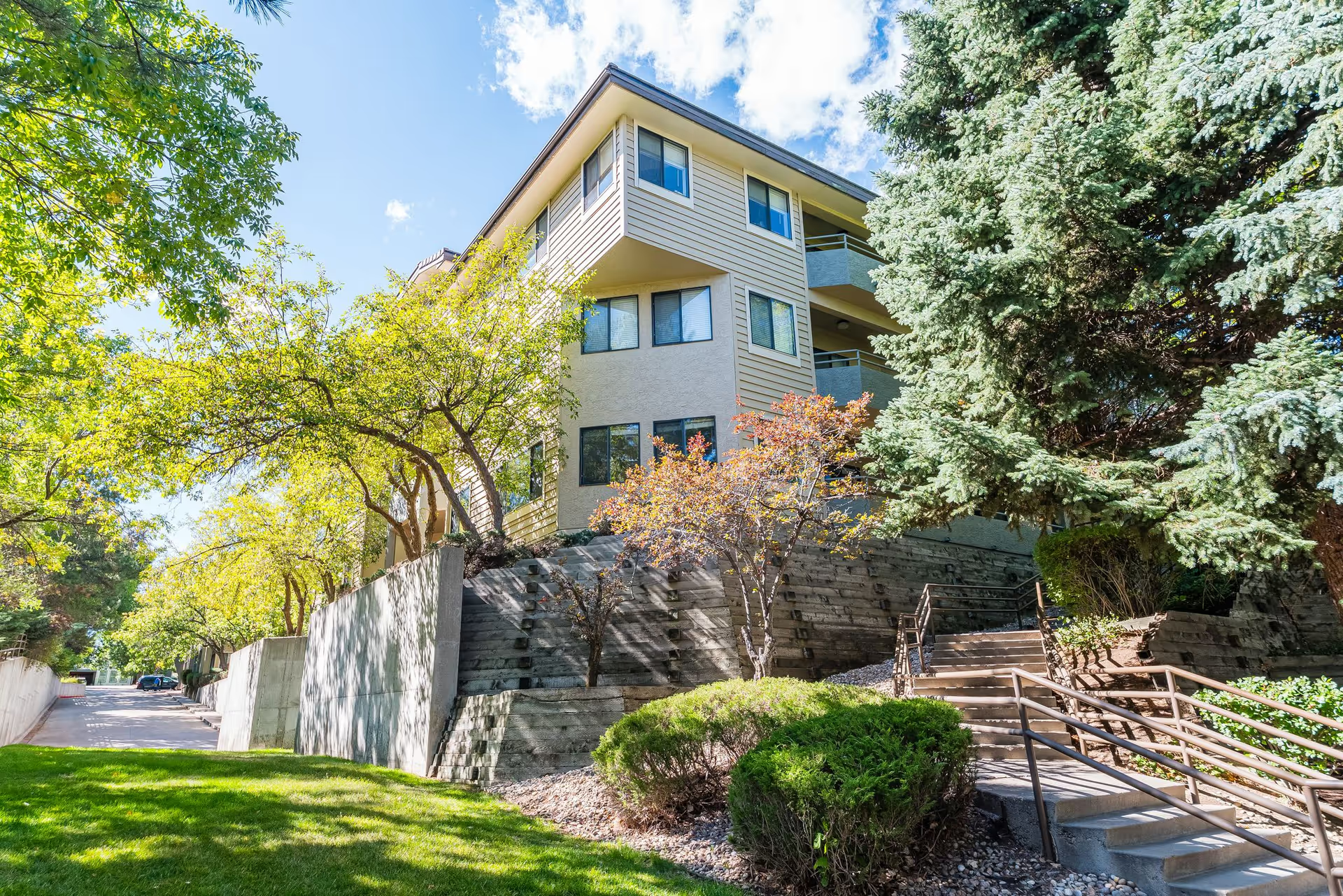
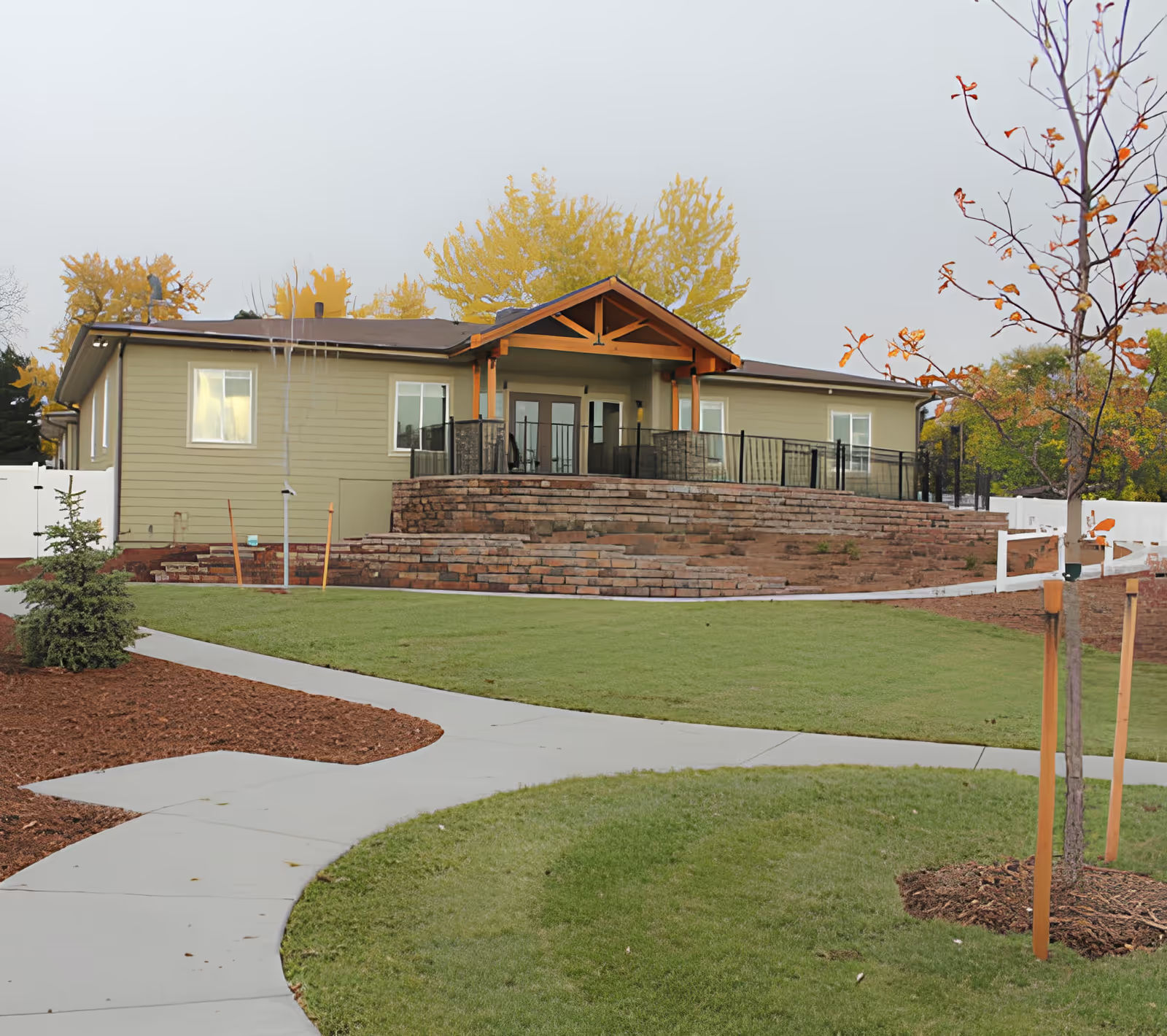
Overall impression: Lakewood Memory Care presents as a well-appointed, memory-care–focused community with many families praising its compassionate caregiving, large private apartments, and resort-like common areas. Reviewers frequently note a bright, secure environment with activities, gardens, salon and library spaces that contribute to a home-like atmosphere. The community offers therapy services (PT/OT/ST), dietary accommodations, routine housekeeping and laundry, and many residents and families describe strong interpersonal connections with caregivers and an active social program.
Care and clinical operations: Care quality descriptions are mixed. Many families describe attentive, respectful caregiving and reliable assistance with daily needs. However, a recurrent operational concern is inconsistency in clinical staffing: limited licensed nursing coverage, periods without on-site nurses, and uneven staff availability. Several reviews describe issues linked to that staffing pattern, including delays in responding to clinical needs and medication-administration problems. Medication-management weaknesses cited include erroneous doses, incorrect medication handling practices, and inconsistent administrative controls. These items suggest prospective families should confirm current clinical staffing levels, medication protocols, and supervision before admission.
Staff, leadership, and training: Staff warmth and individual caregivers receive strong, repeated praise; many names and interactions are recalled positively. At the same time, leadership and administrative performance are described variably—some families commend an open, communicative director and active nurse leadership, while others report frustrating communication, billing errors, and limited managerial follow-through. Relatedly, reviewers describe gaps in staff training and occasional conduct or tone concerns; these point to variability in staff experience and supervisory consistency across shifts.
Dining and activities: Dining experiences are described at both ends of the spectrum. Several reviewers praise well-prepared, varied meals and accommodations for texture-modified diets, while others find the food quality disappointing. One item noted is a substantial extra charge linked to specialized meal preparation, which affects perceived value. Activities are generally a strength—many accounts highlight an energetic activity director and a broad calendar (arts, games, holiday events, outings). A smaller set of comments indicates activity quality can vary by campus or shift, so program consistency may differ day to day.
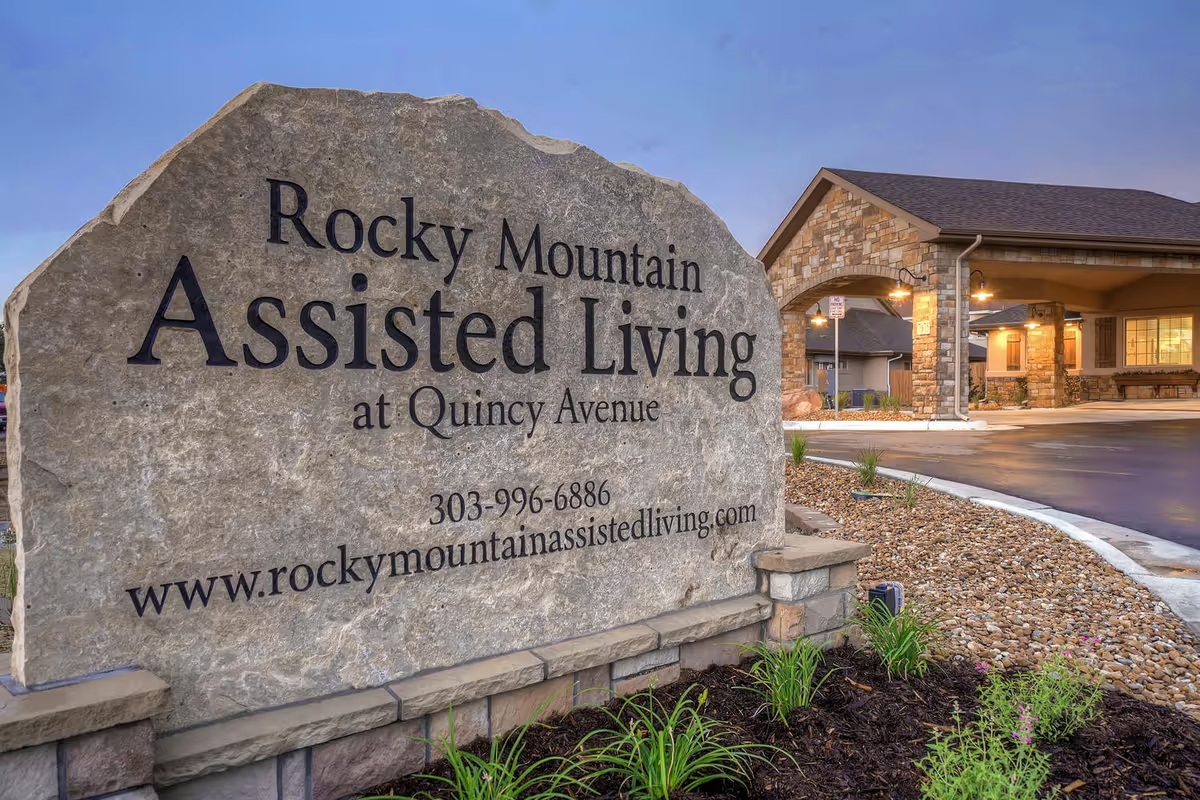
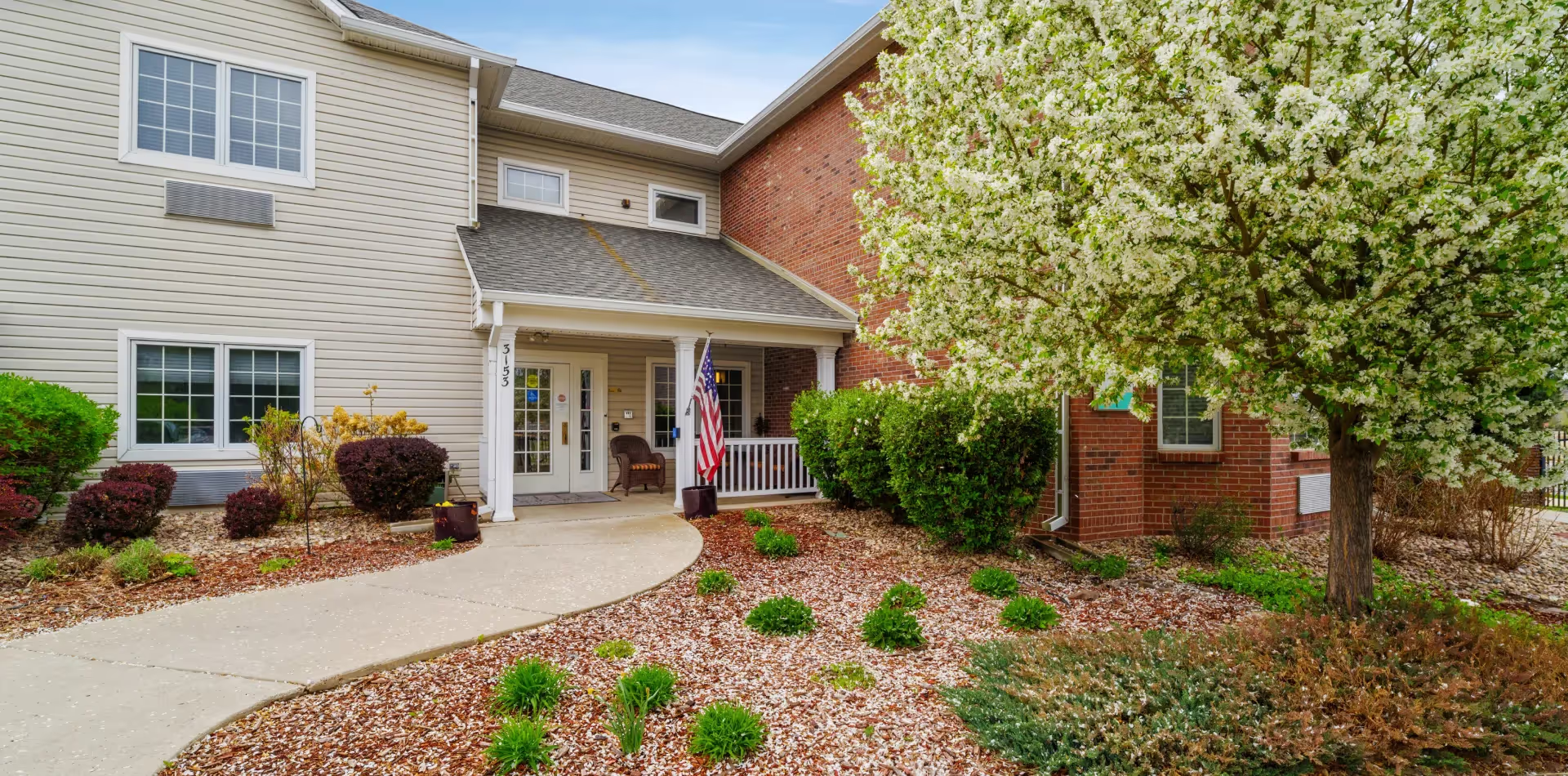
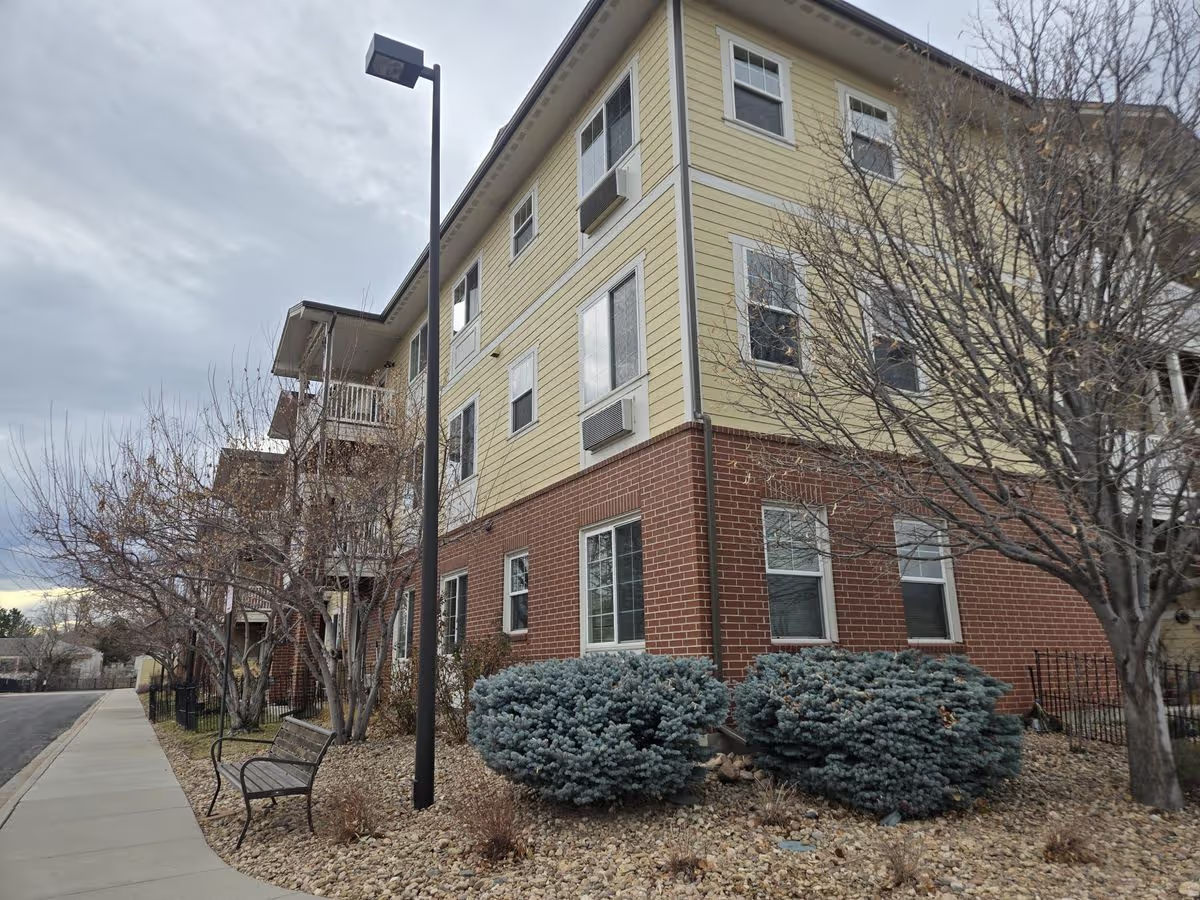
Facilities, safety, and logistics: The physical plant and grounds are frequently described as attractive and well-kept, with spacious apartments and secure memory-care design. Practical amenities—salons, courtyards, and accessible common areas—support resident engagement. Some reviews raise sanitation and odor concerns in specific rooms or areas, and a few describe missing personal items, indicating opportunities to strengthen custodial routines and property controls. There are also layout-related concerns about distance to primary care hubs and emergency-call access that could affect response times in certain parts of the building.
Cost and value: Cost is a consistent theme. The community is positioned at a higher price point; several families find it expensive or have concerns about additional fees (transportation, special diets, billing practices). Positive reviewers often accept the cost because of staff engagement and amenities; others question value when clinical or administrative issues arise.
Notable patterns and guidance for families: The dominant positive pattern is strong, compassionate direct care and an active, amenity-rich environment suited to memory-care needs. The dominant negative patterns are variability in clinical coverage and medication controls, occasional cleanliness and belongings-management lapses, and inconsistent administrative responsiveness. Prospective residents and families would benefit from confirming current nurse staffing levels, medication administration protocols, cleaning schedules, lost-item procedures, and a clear breakdown of fees during a tour. Observing meal service and an activities session, and asking for recent staffing and inspection documentation, can help reconcile the mixed reports into an informed placement decision.