Littleton Care and Rehabilitation is a small, centrally located post-acute and long-term care facility that generates strongly polarized experiences. Many families and residents describe a very supportive, home-like environment with a stable core of compassionate nursing assistants, nurses, therapists, and administrative staff who are effective at post-operative and rehabilitation care. At the same time, a sizeable portion of comments point to operational inconsistencies that can materially affect clinical experience and satisfaction.
Care quality: The facility's rehabilitation program is frequently praised—residents report measurable strength and mobility gains under the physical and occupational therapy teams, and several families credit therapy staff with positive recovery outcomes. Nursing and CNA staff are described as warm, attentive, and dignified in numerous accounts. Conversely, reviewers also describe gaps in clinical care that include delayed responses to assistance requests, medication-administration problems (including continuity gaps over weekends and issues at discharge), variable wound-management practices, and instances of delayed diagnosis or escalation. These represent important areas of risk for medically complex patients and warrant direct review by prospective families (for example, asking about weekend clinical coverage, wound-care protocols, and medication handoff procedures).
Staff and professionalism: Staff professionalism elicits both strong praise and criticism. Many reviewers single out individual caregivers, nurses, therapists, and department leads for exemplary care, teamwork, and communication. At the same time, there are recurring concerns about inconsistent front-line responsiveness (front-desk or nursing staff spending time away from patient checks), visible unprofessional behavior in a few instances, and use of temporary staff that may affect continuity. Leadership stability also appears mixed—some comments commend engaged management and low agency use, while others note turnover and uneven administrative responsiveness.
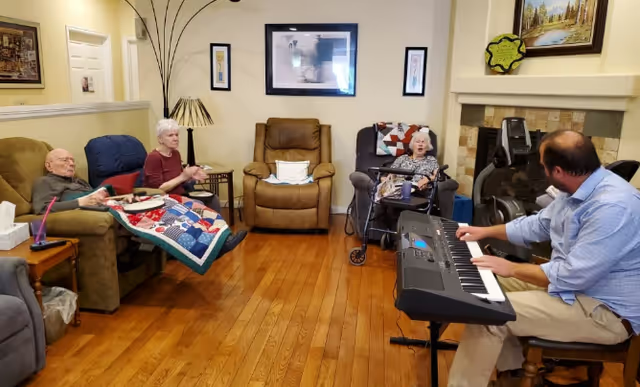
Dining and activities: Dining is another area of mixed feedback. Several families and residents highlight hot, appealing meals, an accommodating chef, notable soups, and supportive dining staff. Yet other reviewers describe episodes of poor meal quality or preparation. Activities and social programming receive mostly positive remarks, with examples of outings, themed events, and in-house entertainment that contribute to a communal atmosphere.
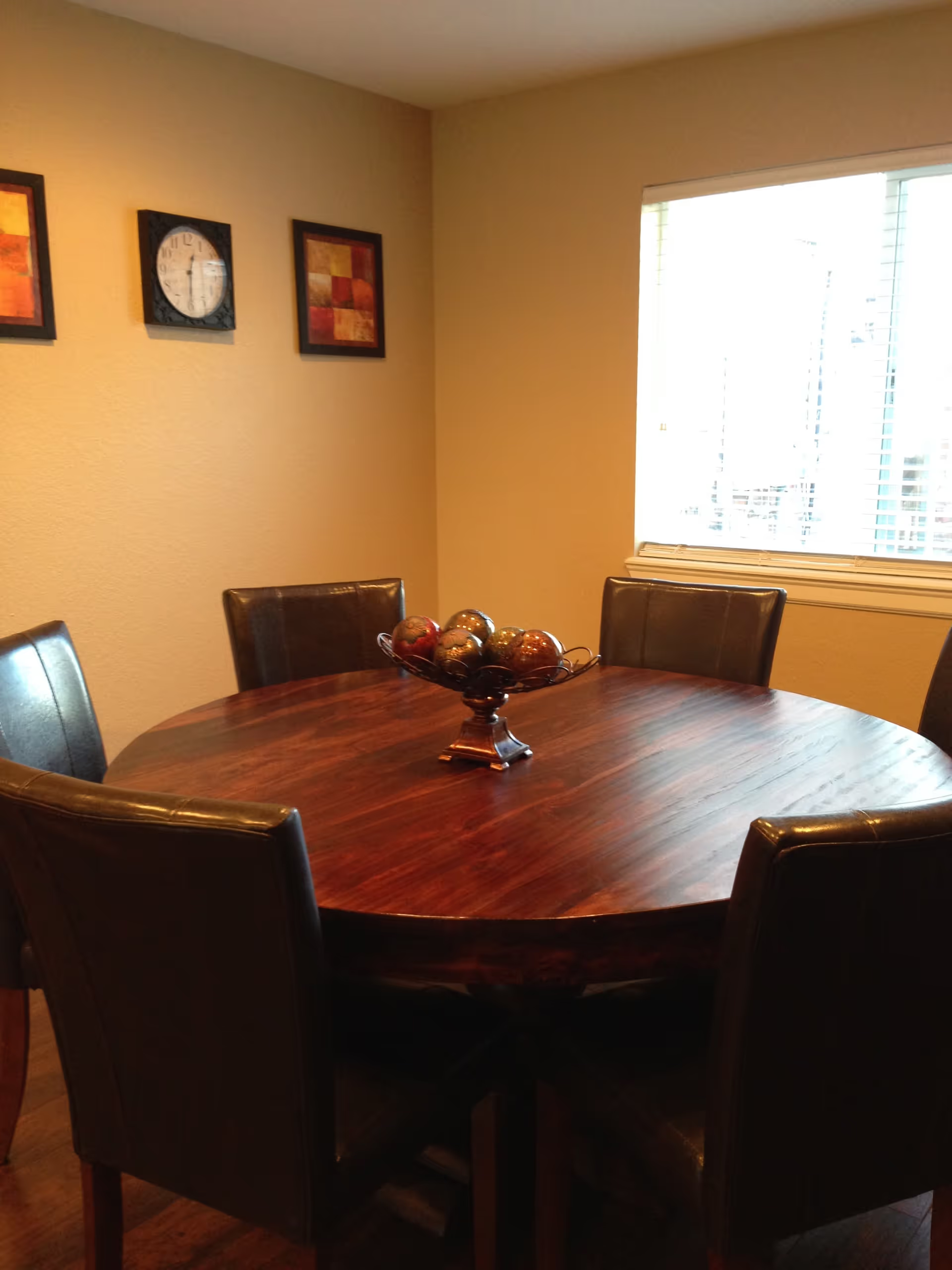
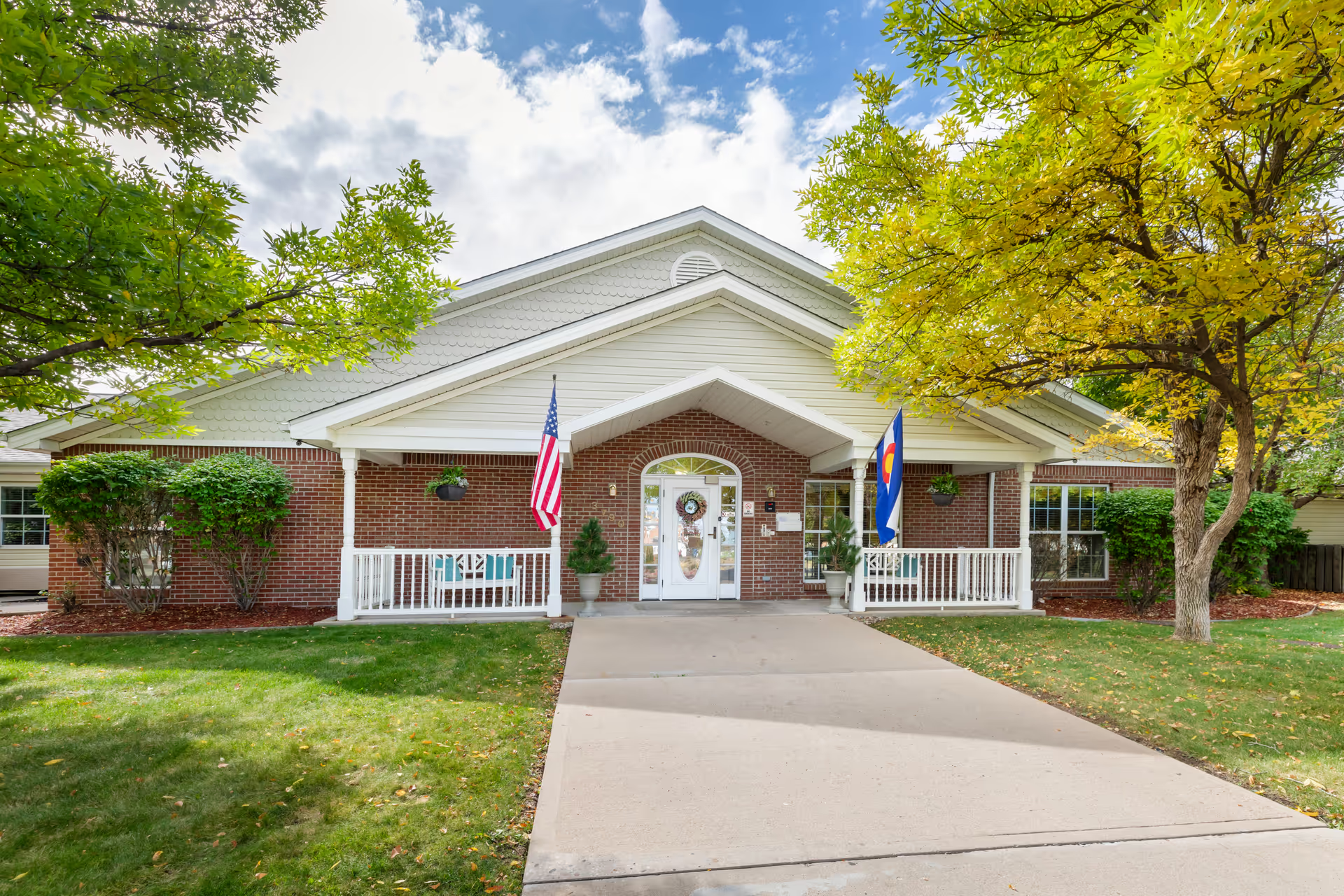
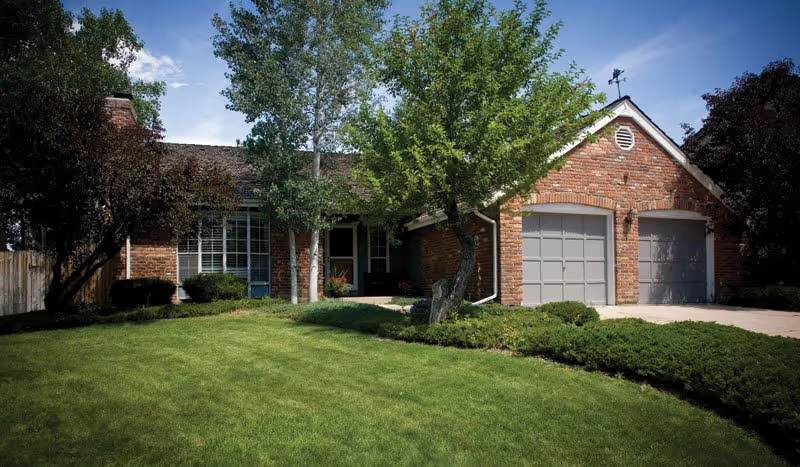
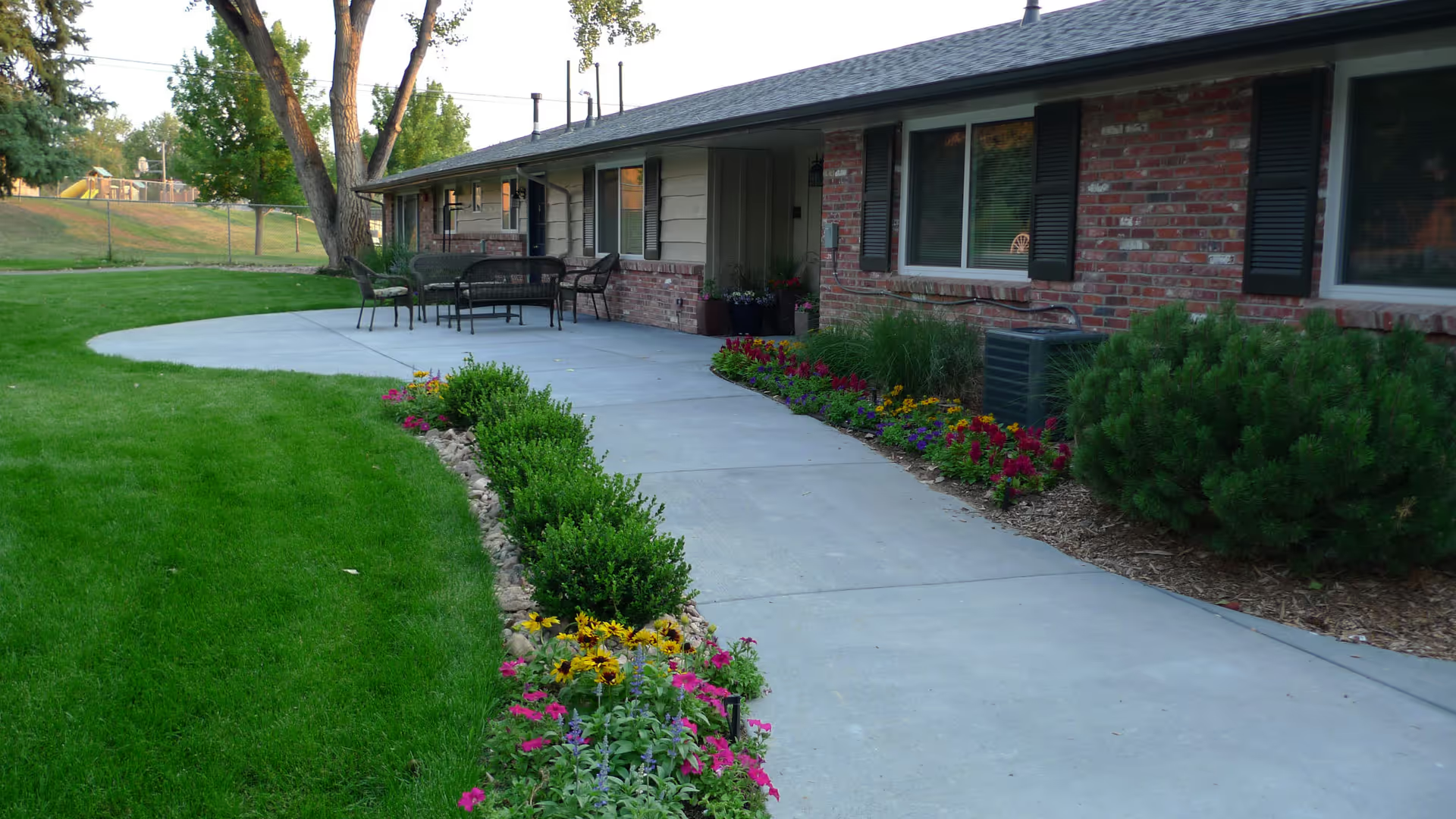
Facilities, maintenance, and safety: The physical plant is described as small and homey but aging. Strengths include a tidy, odor-free common area and a compact layout that supports personalized care. Weaknesses include small or cramped rooms, limited or no in-room bathing in many rooms, occasional maintenance issues (broken switches, yellowed walls, dated fixtures), and uneven housekeeping frequency. Several comments also raise concerns related to equipment and supply management—missing mobility aids, insufficient discharge supplies, and transport-safety process weaknesses—which are operational matters that affect safety and comfort.
Management, billing, and communication: Experiences with administration vary. Some families report timely bed placement, helpful discharge planning, and assistance with insurance. Other accounts describe abrupt discharge notices, billing and documentation inconsistencies, and problems resolving insurance or therapy-visit charges. Prospective residents should confirm billing practices, ask for written discharge and medication-transfer protocols, and verify clinician availability for follow-up communications.
Overall pattern and recommendation: Patterns in the reviews indicate a facility capable of delivering excellent, individualized rehabilitation and compassionate day-to-day care when staffing and systems are functioning well. However, variability in staffing consistency, clinical oversight (particularly for wound care and medication continuity), housekeeping, and the physical plant means experiences can vary significantly. Families considering Littleton Care and Rehabilitation should visit in person, observe staffing levels and mealtime service, ask specific questions about wound-care protocols, medication continuity (including weekends), equipment and supply availability at discharge, transport safety practices, and the facility's plan for addressing maintenance and cleanliness. These targeted inquiries will help clarify whether the facility's strengths align with a given resident's clinical and comfort needs.