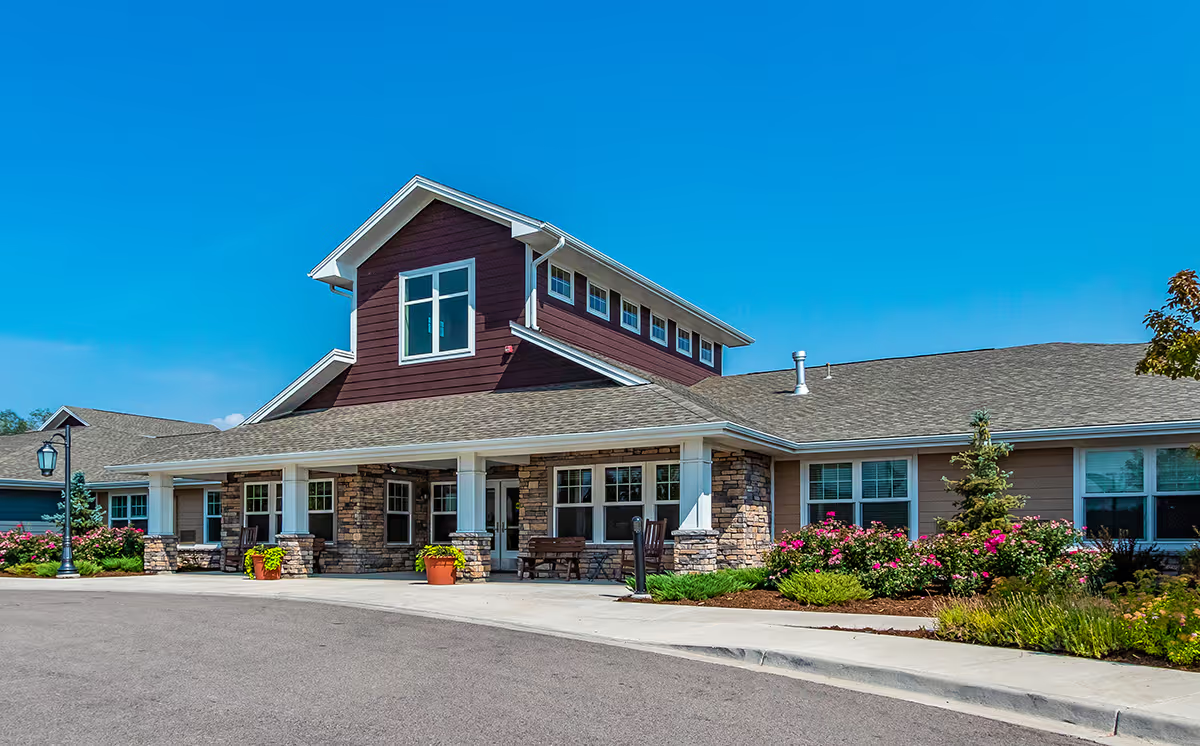
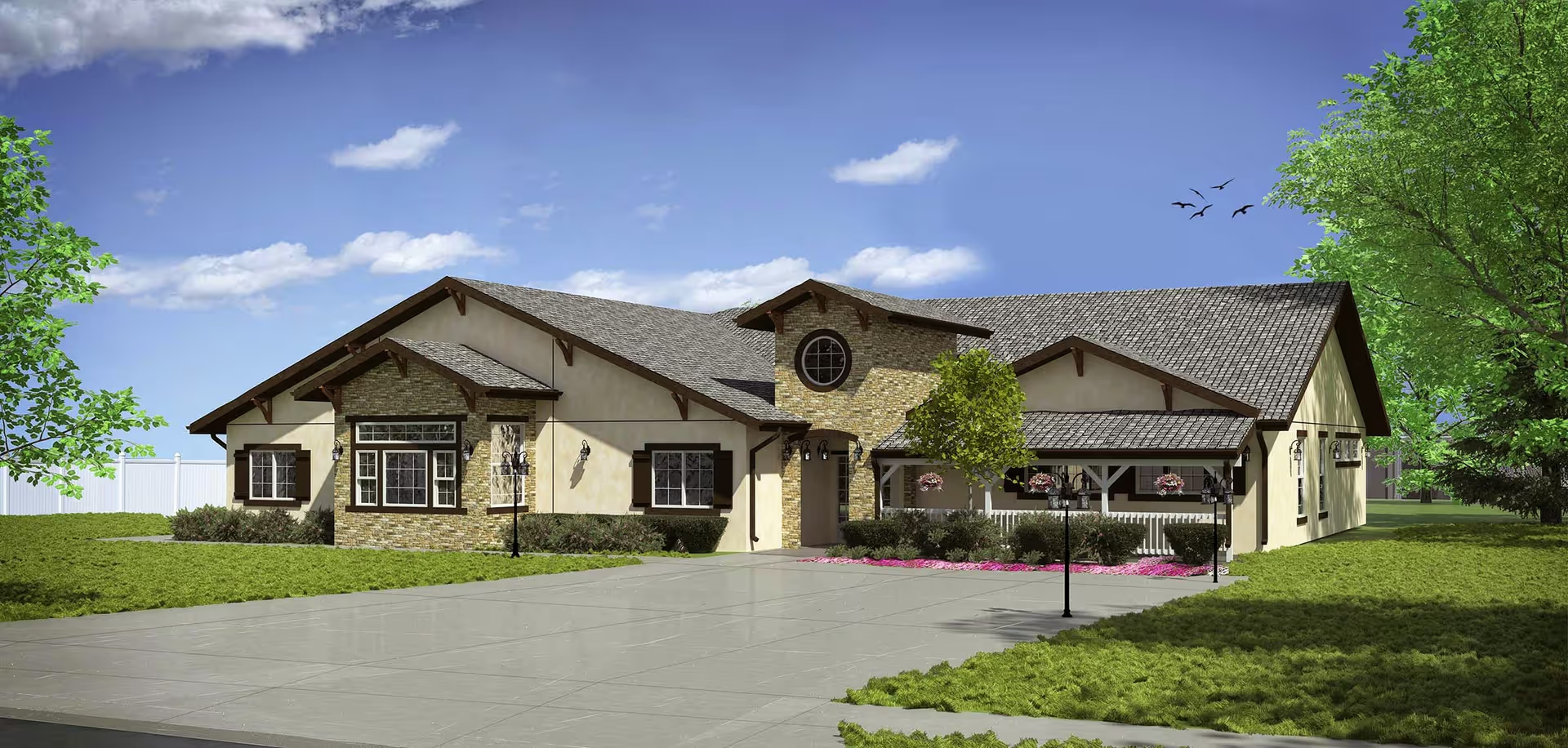
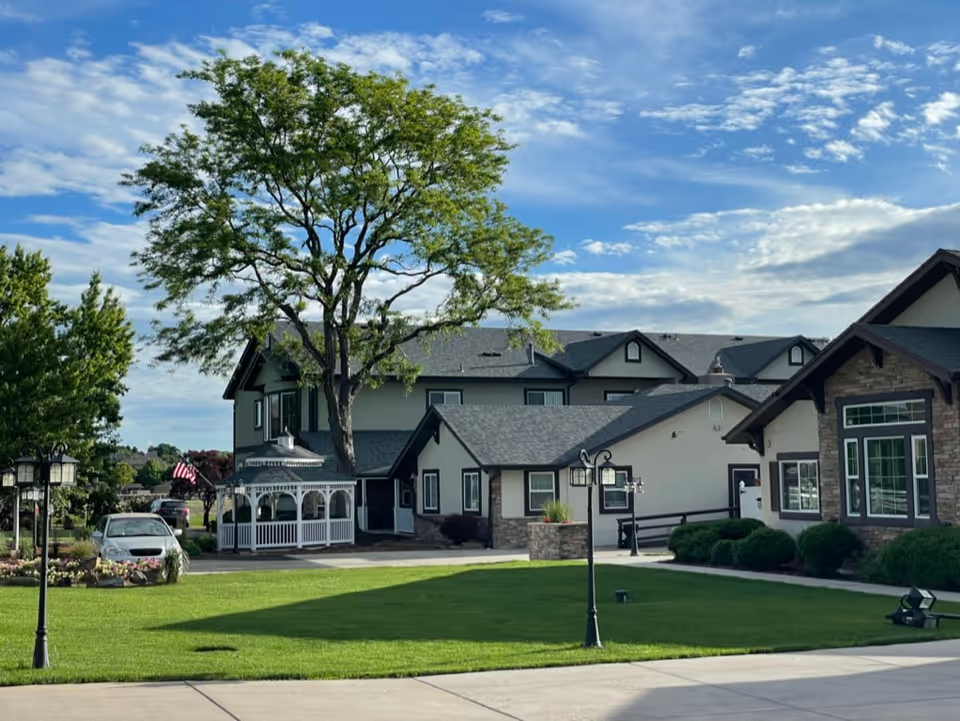
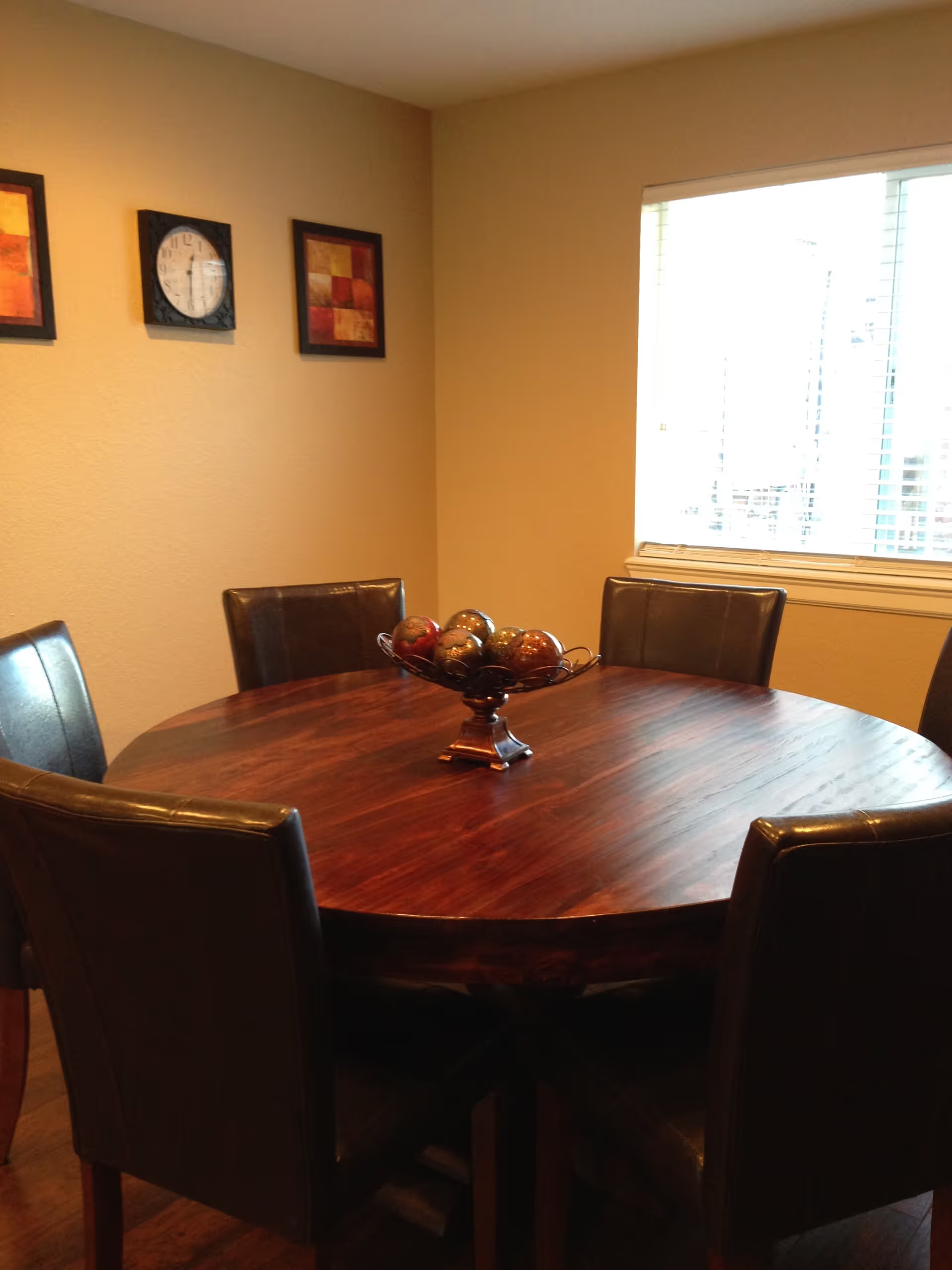
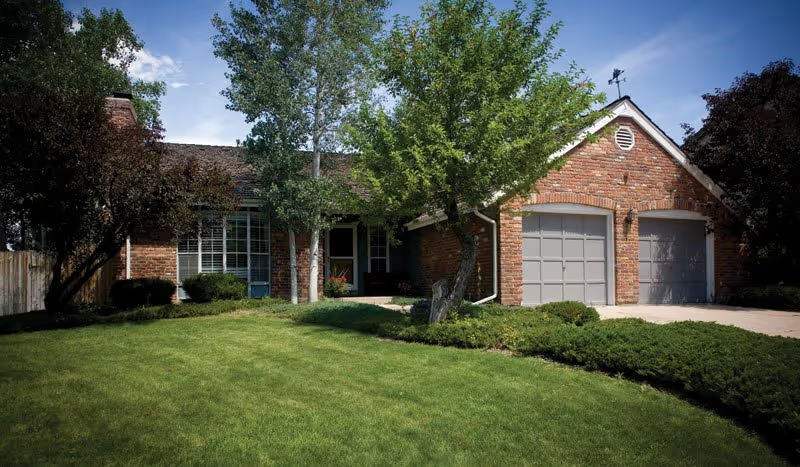
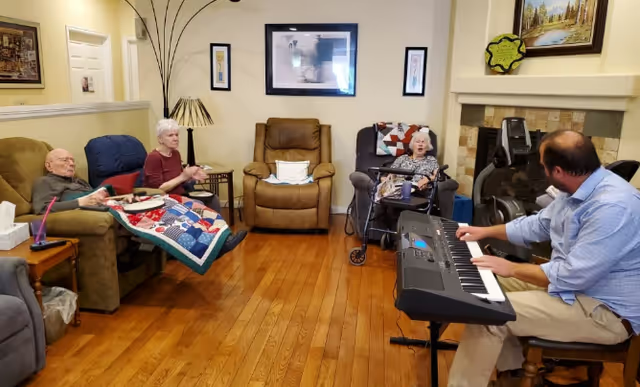
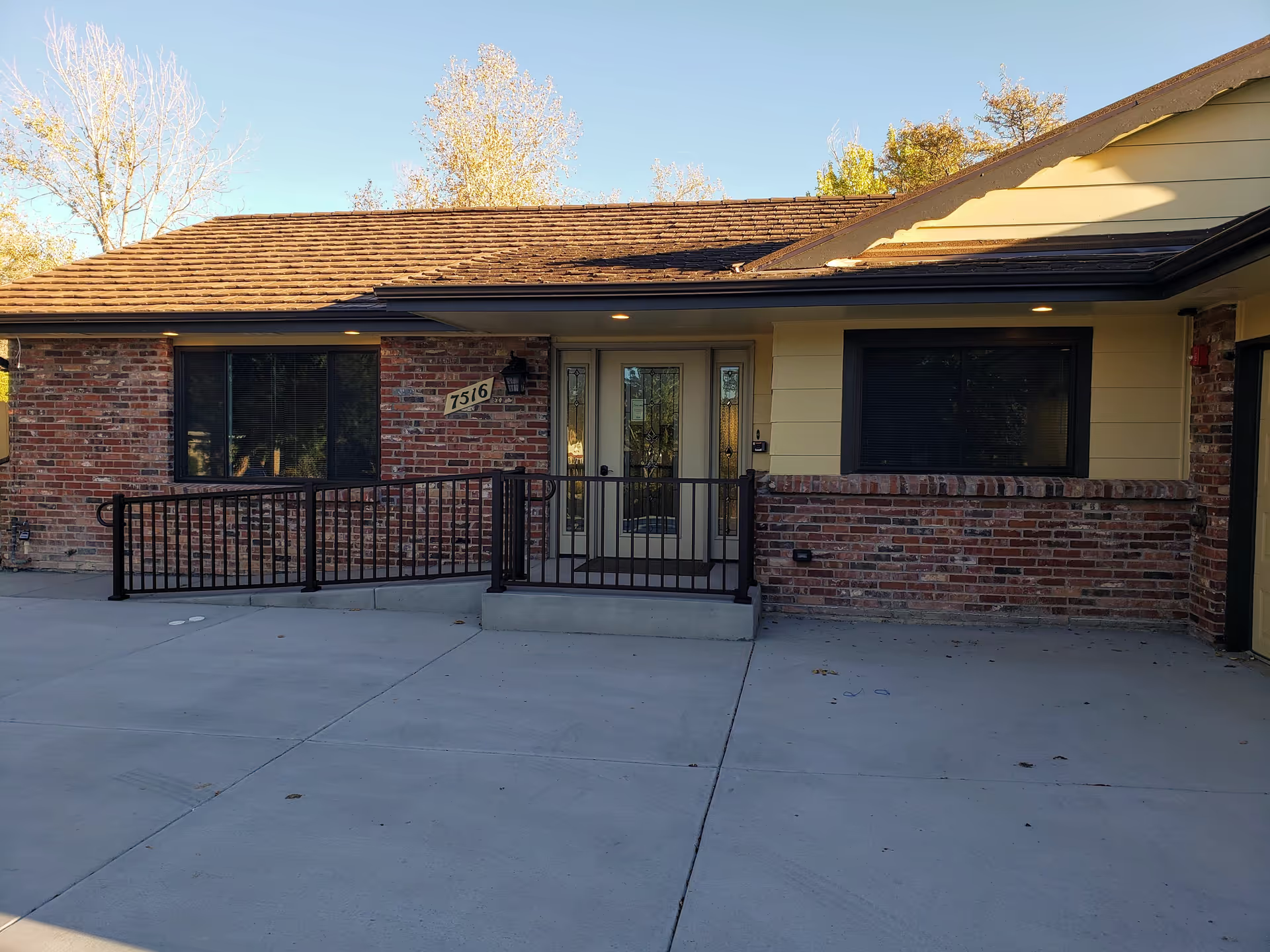
MorningStar Assisted Living & Memory Care of Littleton elicits strong, repeated praise for the quality of interpersonal care, the breadth of activities, and the physical environment. Many families emphasize compassionate, knowledgeable caregivers who provide companionship and go beyond basic duties; reviewers often describe smooth move-ins, engaged leadership, and staff who facilitate family involvement. The community’s programmatic strengths include an active calendar of outings and in-house events, a dedicated activity director, and amenities such as a fitness room, garden, theater, and a variety of indoor and outdoor gathering spaces. Apartments are frequently described as bright, private, and well-appointed, and many families report that the facility feels home-like and well maintained.
Dining and social programming are notable strengths for many residents. Several reviewers highlight varied menus, special-event dining, family-meal opportunities, and a pleasant dining room atmosphere. Activities are described as plentiful and inclusive — from Mystery Rides to musical events — and families commonly cite improved mood and social engagement after move-in. Clinical and end-of-life care receive positive mentions in many accounts, with families noting attentive nursing, responsive hospice coordination, and staff who provided comfort during decline.
At the same time, the reviews reveal operational weaknesses that prospective residents should evaluate. There are recurring sanitation and incontinence-care concerns and some accounts of housekeeping and maintenance follow-through that fall short of expectations. Multiple comments indicate inconsistent responsiveness to call bells and delayed assistance at times, and at least one reviewer highlighted gaps in memory-care emergency call or response systems. These issues translate into broader concerns about staffing stability and adequacy for residents with higher care needs. Dining quality is described inconsistently across reviews — while many praise the food, others report underwhelming meals or service delays.
Management and communication patterns are mixed. Several reviewers commend accessible leadership, tenured staff, and supportive transitions; others cite broken promises, poor follow-through, and discretionary decision-making that affected families’ trust. There are also serious, isolated allegations of theft and financial misconduct that families should treat as a high-priority inquiry during their evaluation. Pricing and perceived value are also a recurring theme: some families consider the community appropriately priced for the services received, while others view cost as high relative to certain aspects of care or dining.
Overall, MorningStar Littleton appears to offer a robust social program, a well-kept physical environment, and many instances of compassionate, individual-centered caregiving. However, the pattern of remarks around sanitation practices, responsiveness during care episodes, emergency-call systems in memory care, and inconsistent management follow-through suggests areas for targeted questions. Prospective families should ask for current staffing ratios and turnover metrics, the community’s emergency-call and response protocols (especially in memory care), sample menus and dining schedules, housekeeping and incontinence-care procedures, and written policies addressing resident finances and safeguards. These targeted inquiries will help clarify whether the facility’s strong interpersonal and programmatic qualities are matched by consistent clinical and operational reliability for a given resident’s needs.