Willowbrook Place elicits a mix of strong praise and substantive operational concerns. Many families and clinicians highlight the facility’s strengths in memory-care programming: caregiving staff are frequently described as compassionate and trained in dementia care, the physical environment is clean, bright, and purpose-built for wandering residents (circular corridors, motion detection), and on-site therapy services support rehabilitation needs. Reviewers consistently note a broad activities program — arts, music, walking clubs, bus outings and community trips — that fosters engagement and socialization. Several accounts emphasize timely admissions support, active family outreach (including family councils and support groups), and effective hospice coordination during end-of-life care.
Care quality is a central theme with bifurcated impressions. A substantial number of families describe attentive, personalized caregiving with consistent caregiver assignments and regular check-ins; these caregivers are credited with improving residents’ mood and participation. At the same time, a recurring pattern of clinical and procedural gaps appears: concerns about medication administration practices, inability to provide certain clinical tasks (for example, insulin injections in some cases), inconsistent nursing coverage (particularly overnight), and safety-process shortcomings that reviewers associate with falls or transfer-related incidents. These patterns suggest variability in clinical oversight and skill mix across shifts.
Dining and nutrition show similarly mixed feedback. Many reviewers praise customized menus, thoughtful diet accommodations, and occasional standout meals. Conversely, others report uneven meal quality and problems with meal temperature and consistency. Laundry and housekeeping are also areas of divergence: while many describe a clean, well-maintained facility, other accounts point to inconsistent housekeeping routines, laundry mishaps, and lapses in cleaning common areas and dish handling.
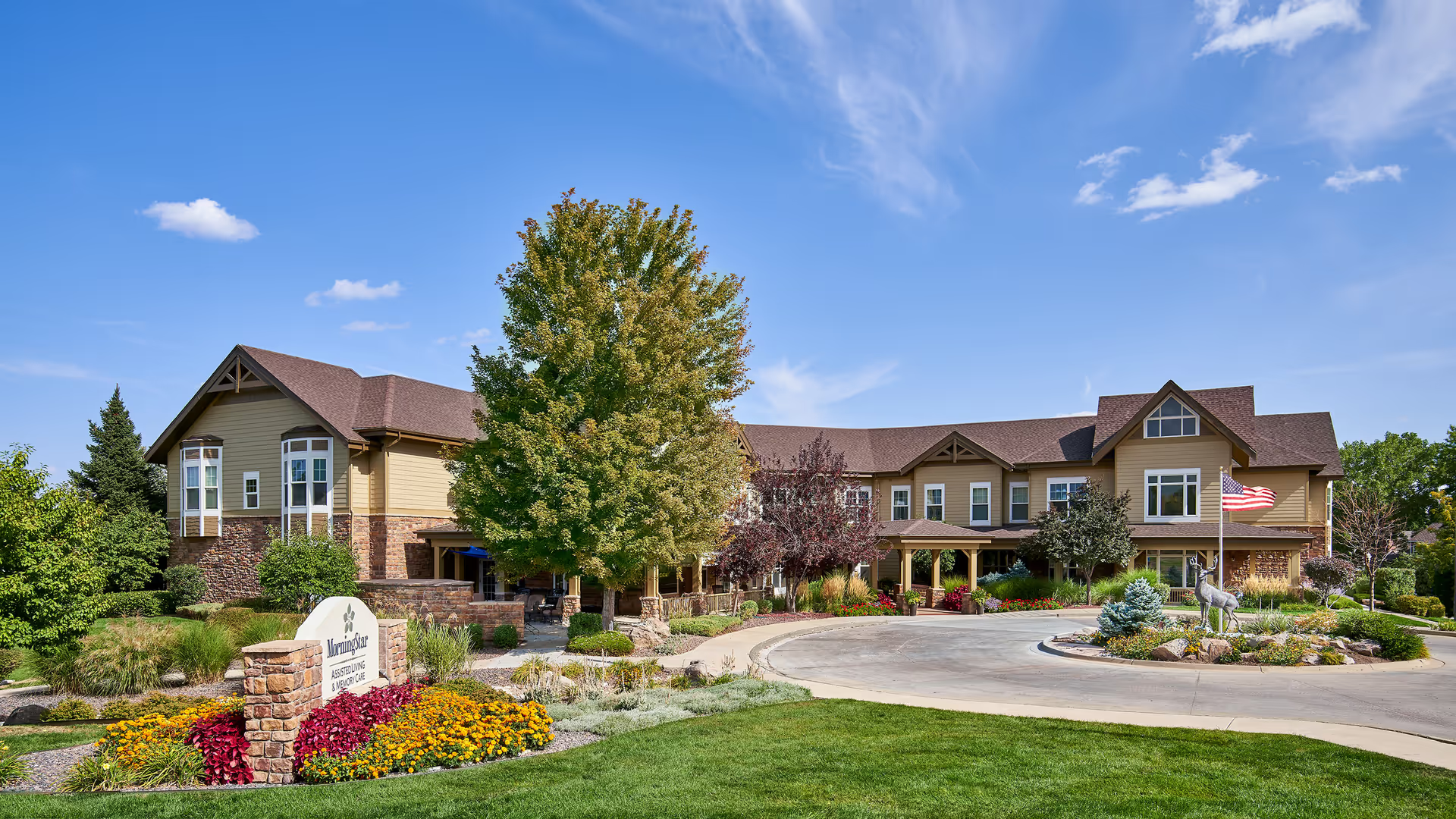
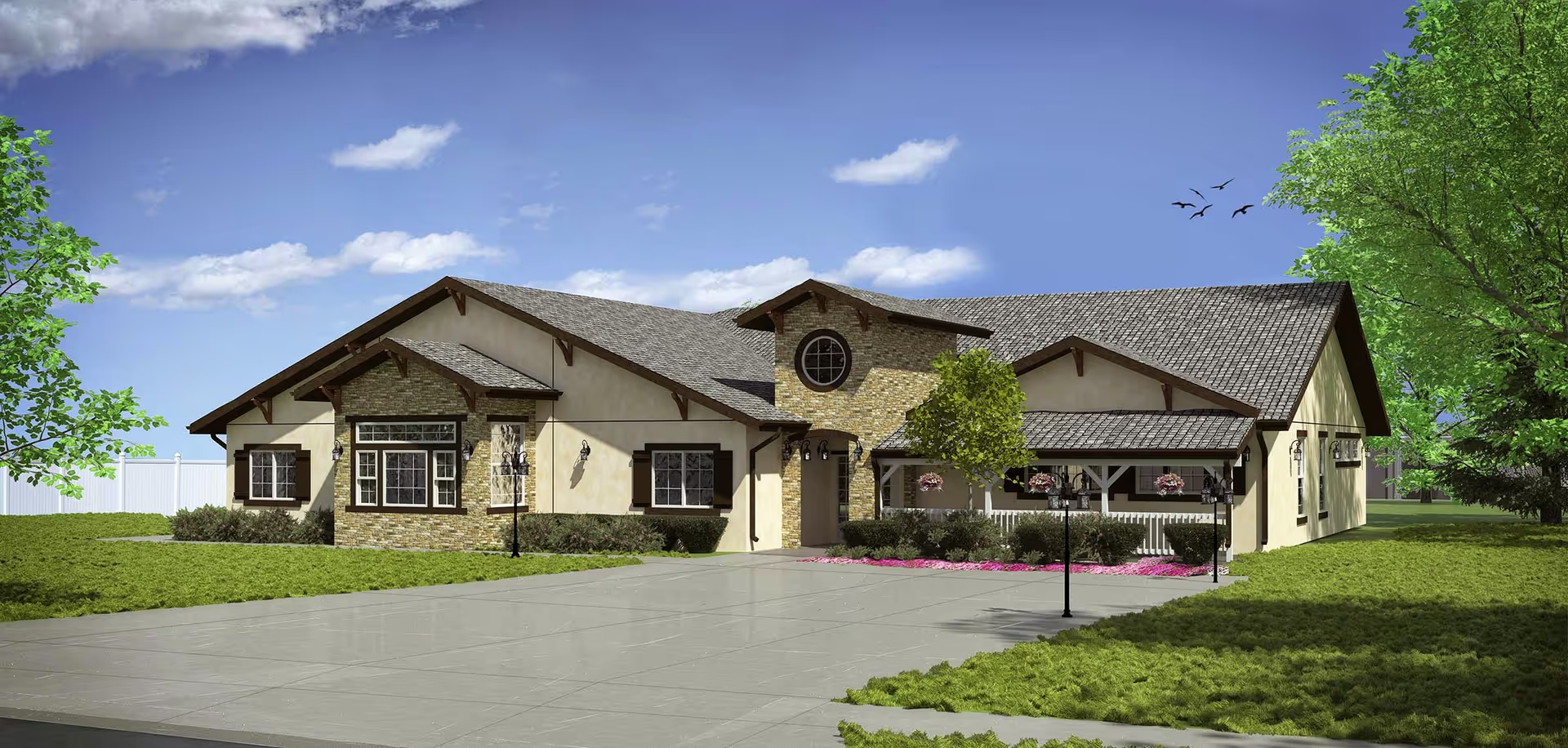
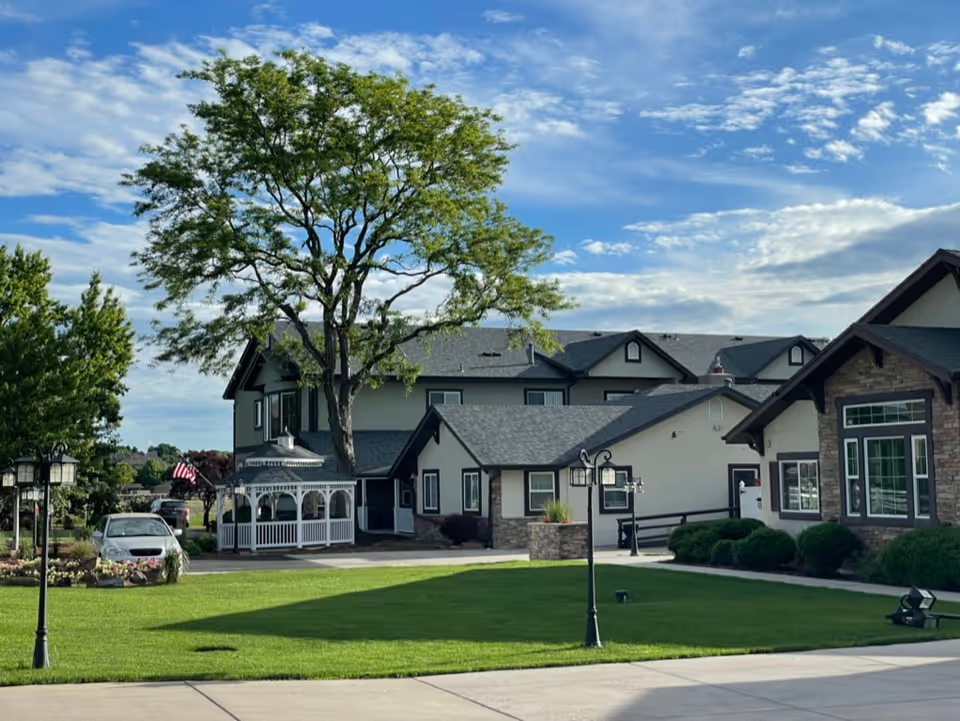
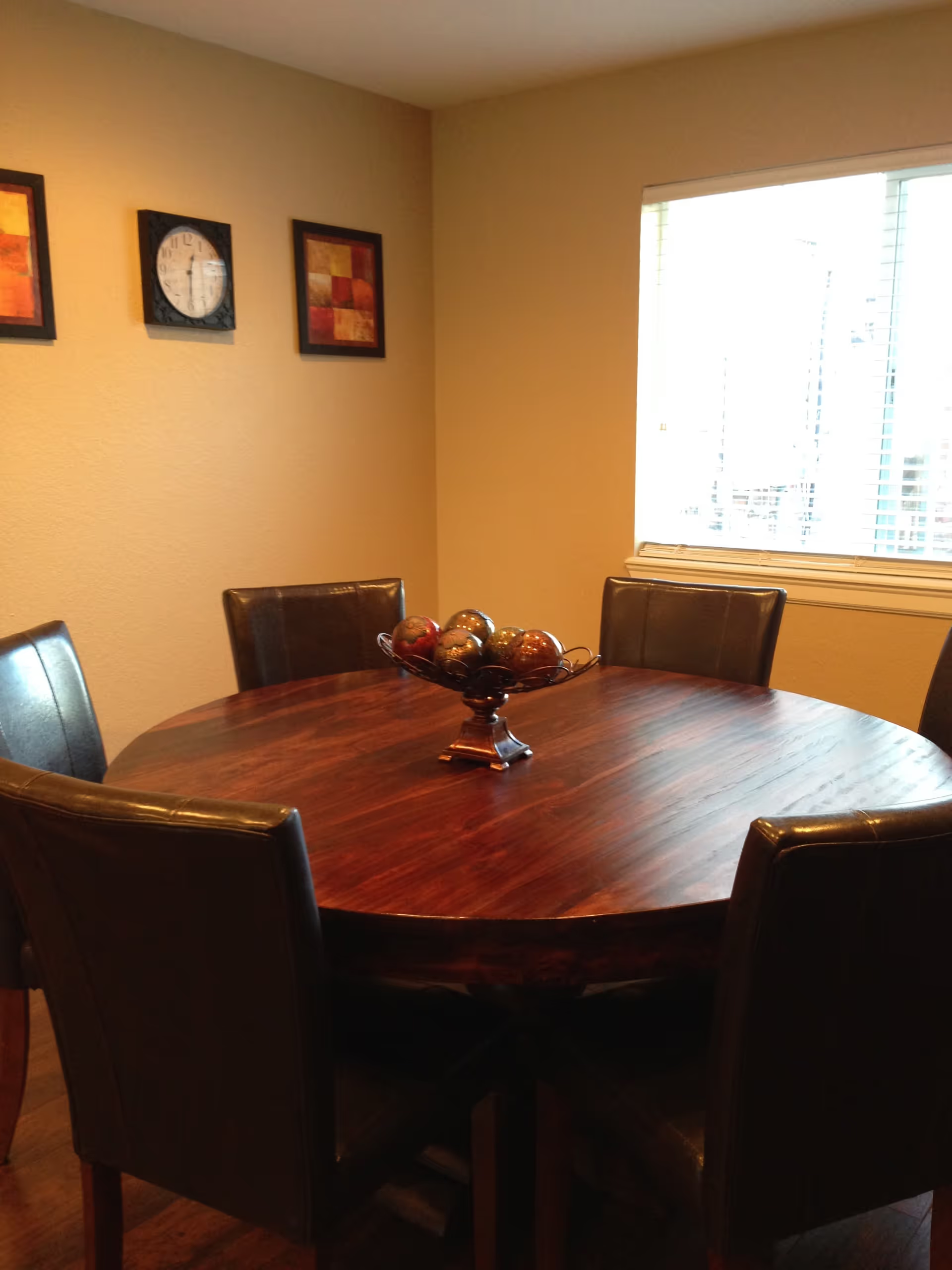
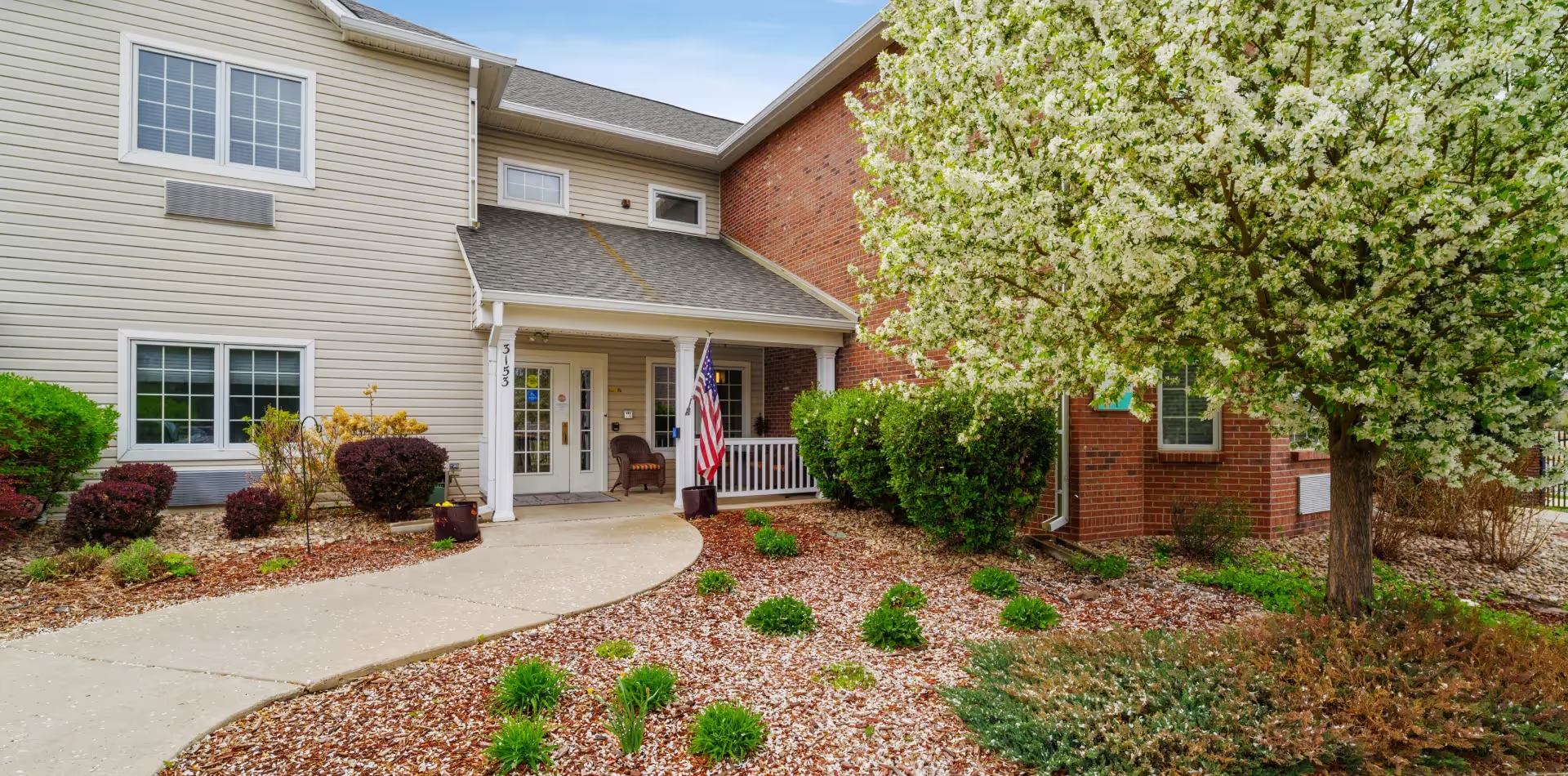
Activity programming and the built environment are overall strengths. The facility’s layout supports mobility and supervised wandering, and staff-run activities — from music and crafts to outings — are frequently listed as meaningful contributors to resident quality of life. The facility’s newness and aesthetic presentation are often cited positively, and several families say the setting feels less institutional and more home-like when staffing and leadership are steady.
Management and communication are a notable source of variability. Numerous families commend accessible, hands-on leadership and proactive communication, while others report abrupt changes in leadership, ineffective follow-through on concerns, and breakdowns in family notification after incidents. Staffing instability and turnover appear linked to many of the negative operational themes; when teams are stable and leadership is engaged, families report high satisfaction, but when turnover increases, service gaps become apparent.
Bottom line: Willowbrook Place offers many elements sought in memory-care — compassionate dementia-focused caregivers, purposeful design, robust activities, and on-site therapy — and can provide a high-quality, engaging environment when staffing and clinical oversight are intact. Prospective residents and families should weigh those strengths against recurring operational risks: variability in staffing and clinical training (especially for medical tasks such as insulin administration and safe transfers), inconsistent housekeeping and dining execution, and mixed experiences with administrative communication. If clinical complexity (significant diabetes management, high transfer-dependency) or continuous overnight nursing presence is required, families should verify current staffing, medication-administration policies, and documented incident-communication practices before admission.