Overall impression: Reviews describe a facility with a strong focus on dementia care, a compassionate caregiving culture, and a small-neighborhood design that many families find reassuring. Strengths consistently cited include attentive direct-care staff, on-site nursing and clinical leadership, personalized family communication (regular photos, Zoom meetings, and weekly newsletters), and a varied activities program that includes music, equine therapy, outings, and frequent social engagement. The physical plant and grounds are generally described as clean, well-maintained, and home-like, with pleasant courtyards, salon services, and communal dining areas.
Care and staffing: Many families praise the empathy and dedication of caregivers and supervisory staff, and reviewers highlight formal dementia-focused training and partnerships that shape the care model. On-site nursing oversight and regular clinical involvement are noted as strengths that support resident health needs. At the same time, there are recurring operational concerns about staffing consistency and caregiver availability: reviewers report periods when response times are longer than expected and when coverage feels thin. A subset of accounts raises more serious concerns about how certain clinical incidents were managed and communicated to families; prospective families should ask about incident-reporting protocols, staffing ratios per neighborhood, and the facility's approach to escalation and family notification.
Dining and daily living: The dining program receives mixed commentary. Positive points include home-style cooking, visually appealing desserts and baked items, and attention to resident food preferences. However, there are recurring comments about variability in meal quality and temperature, and a few families perceived the cost as high relative to experience. Housekeeping and general cleanliness are generally praised, but some reviewers reported sanitation and incontinence-care issues in particular units; this indicates variability in day-to-day care tasks rather than a universal standard.
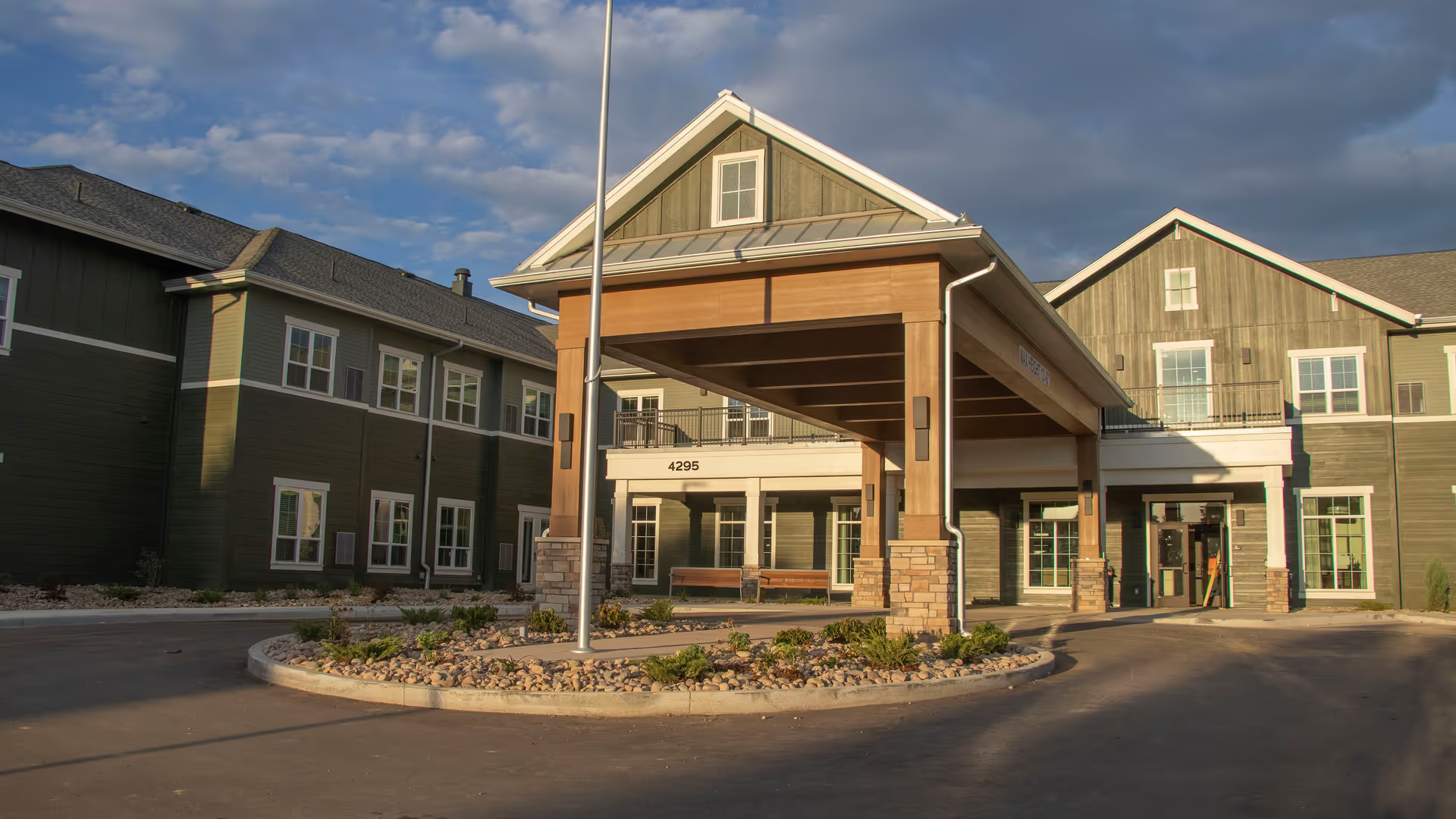
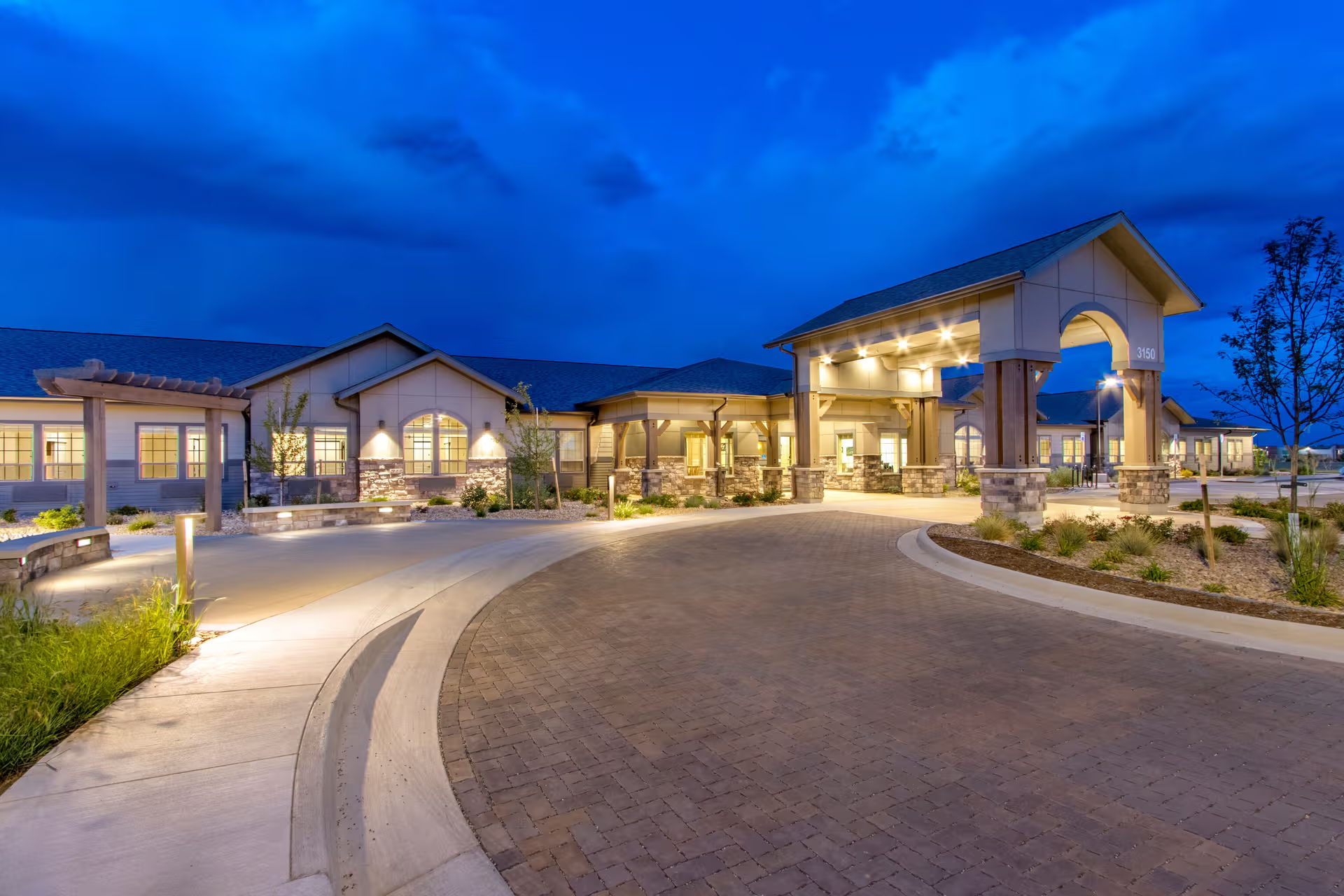
Activities and environment: The facility's small-pod design (typically 12 residents per neighborhood) is frequently credited with enabling more personalized attention and social connection. Activity offerings are extensive and creative, ranging from on-site therapeutic programs to regular outings and seasonal events. The building and grounds are usually described as attractive, peaceful, and easy to navigate, though a number of families found some areas to be cluttered or the layout confusing — factors that can affect circulation for residents with mobility or cognitive impairments.
Management and transparency: Leadership and administrative staff are commonly described as responsive, approachable, and transparent about billing and care plans; family councils and regular communications are noted as positive engagement mechanisms. Still, there is variability in staff conduct and communication style reported across shifts, and some families experienced difficulties with belongings management and security of personal items. Financially, the community operates on a private-pay basis and does not accept Medicare/Medicaid in some cases; cost and payer acceptance are important considerations for prospective residents.
Bottom line and guidance for families: The facility appears to offer a strong dementia-focused program with many compassionate, well-trained staff and a desirable small-neighborhood model. However, reviewers also point to operational inconsistencies — especially around staffing levels, response times, meal consistency, sanitation tasks, belongings management, and some serious incident-handling concerns. Prospective families should tour in person, request current staffing ratios for the intended neighborhood, review incident-reporting and clinical escalation policies, ask about sanitation and incontinence-care protocols, confirm payer acceptance, and seek references from current families before making a placement decision.