Aspens at Fort Collins Memory Care presents a mixed but generally positive profile for families seeking a dementia-focused community. Strengths that recur across feedback include a caregiving team described as compassionate, skilled, and dementia-aware; a robust activities program with dedicated staff and themed engagement areas; and well-regarded dining led by a noted chef offering appealing, non-canned meals and snacks. Many reviewers highlighted a home-like atmosphere, plentiful natural light in common spaces, and attractive outdoor courtyards that support resident engagement and socialization. The presence of on-site hospice resources and availability of short-term respite stays were cited as important supports for families during transitions and end-of-life care.
Care quality is described favorably by numerous families: caregivers and nurses are frequently characterized as attentive and competent, and many accounts emphasize meaningful, individualized interactions that reduce resident anxiety. At the same time, an identifiable pattern of operational weaknesses appears in parallel. Staffing instability and turnover have produced variability in continuity of care, contributing to concerns about inconsistent personal-care routines (for example, bathing and oral care), occasional medication-administration problems, and uneven attentiveness among front-line staff. A number of comments indicate that housekeeping and laundry processes are not uniformly reliable at the apartment level, even when common areas are maintained well.
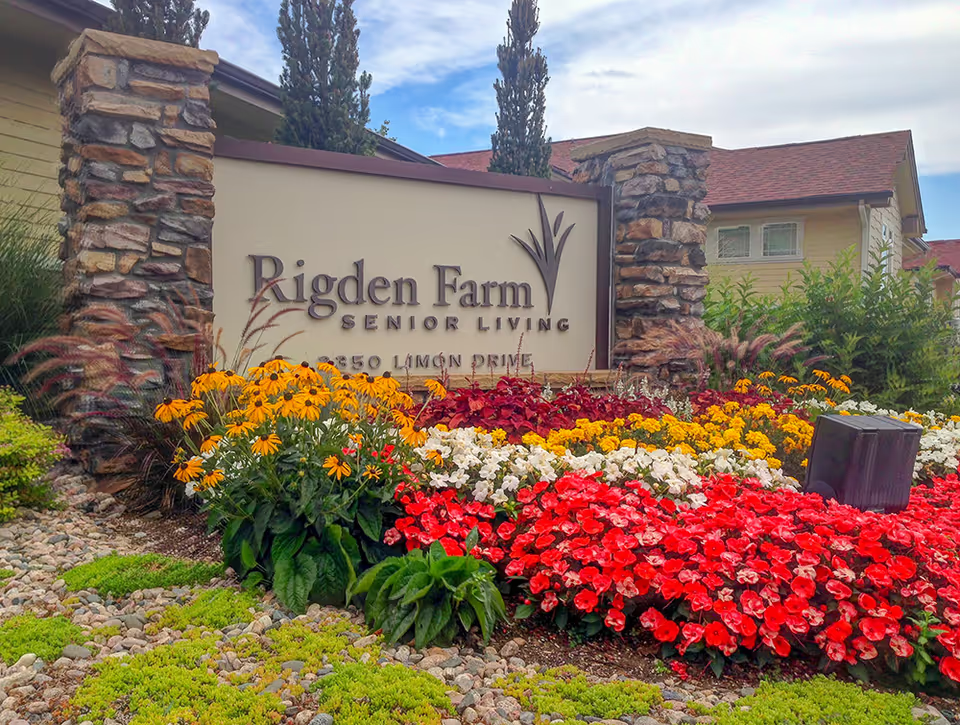
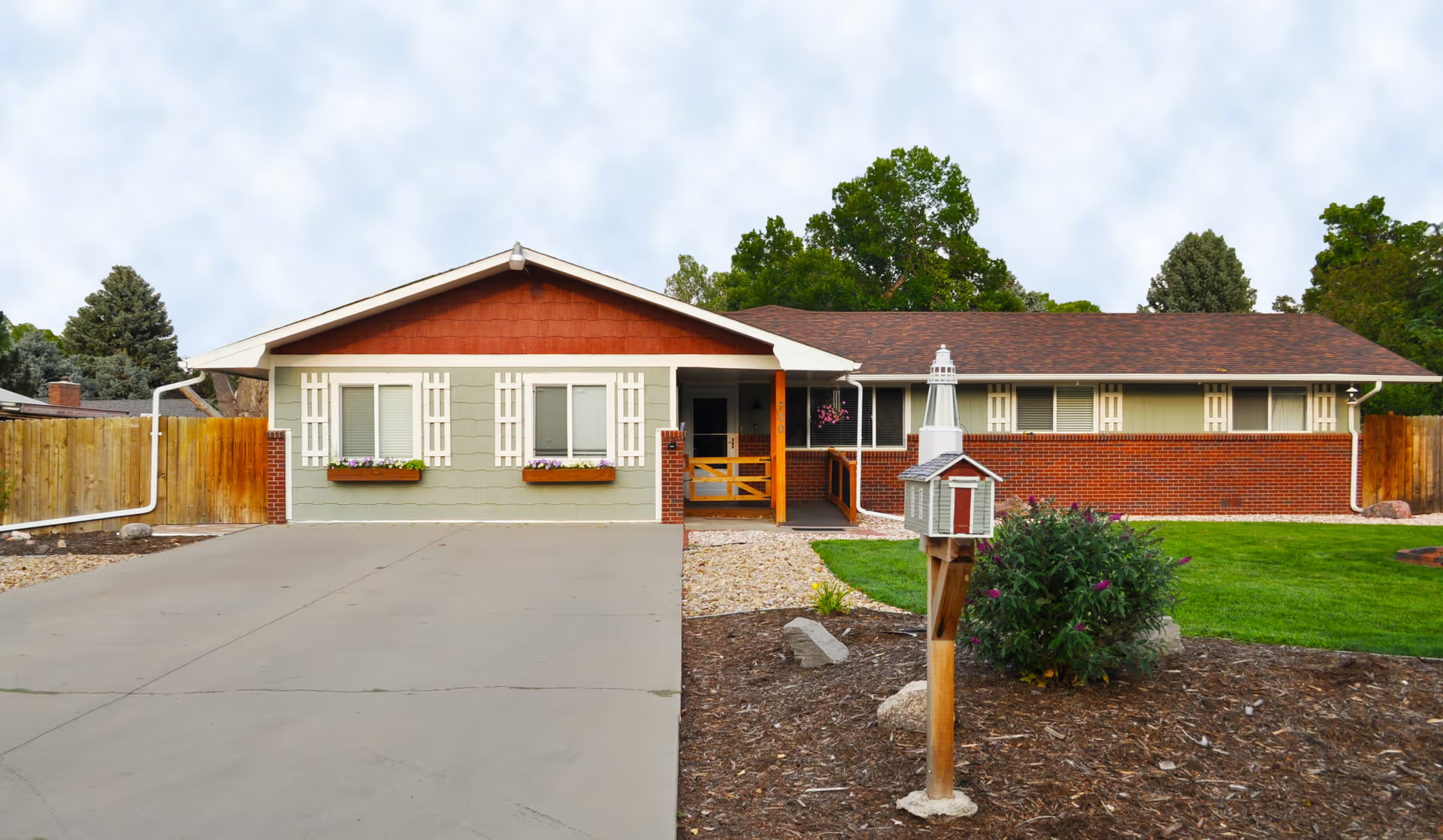
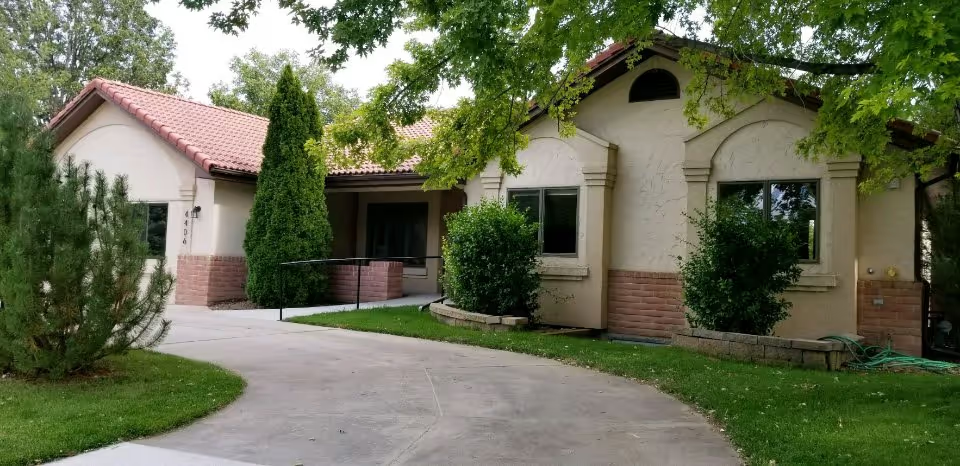
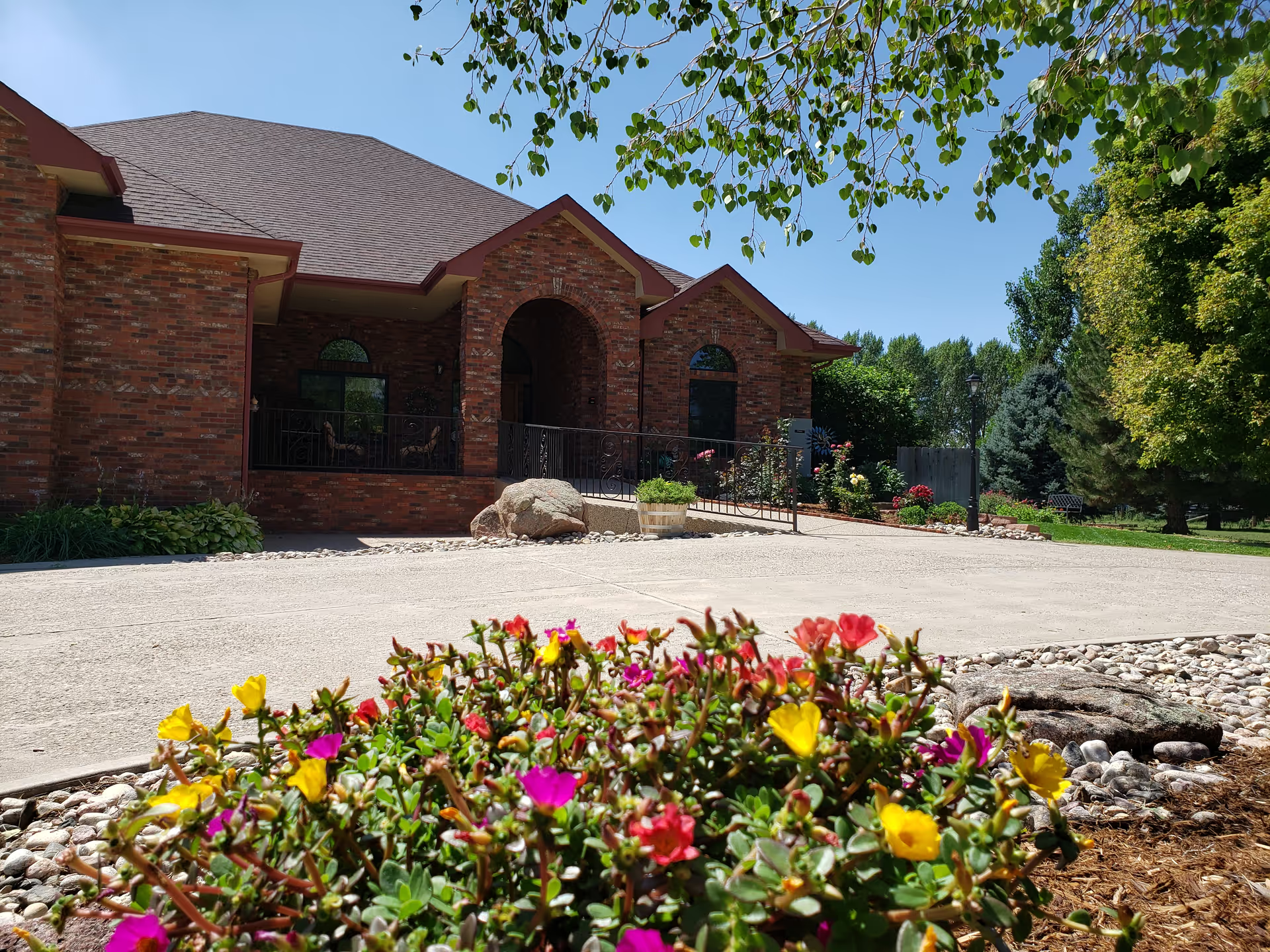
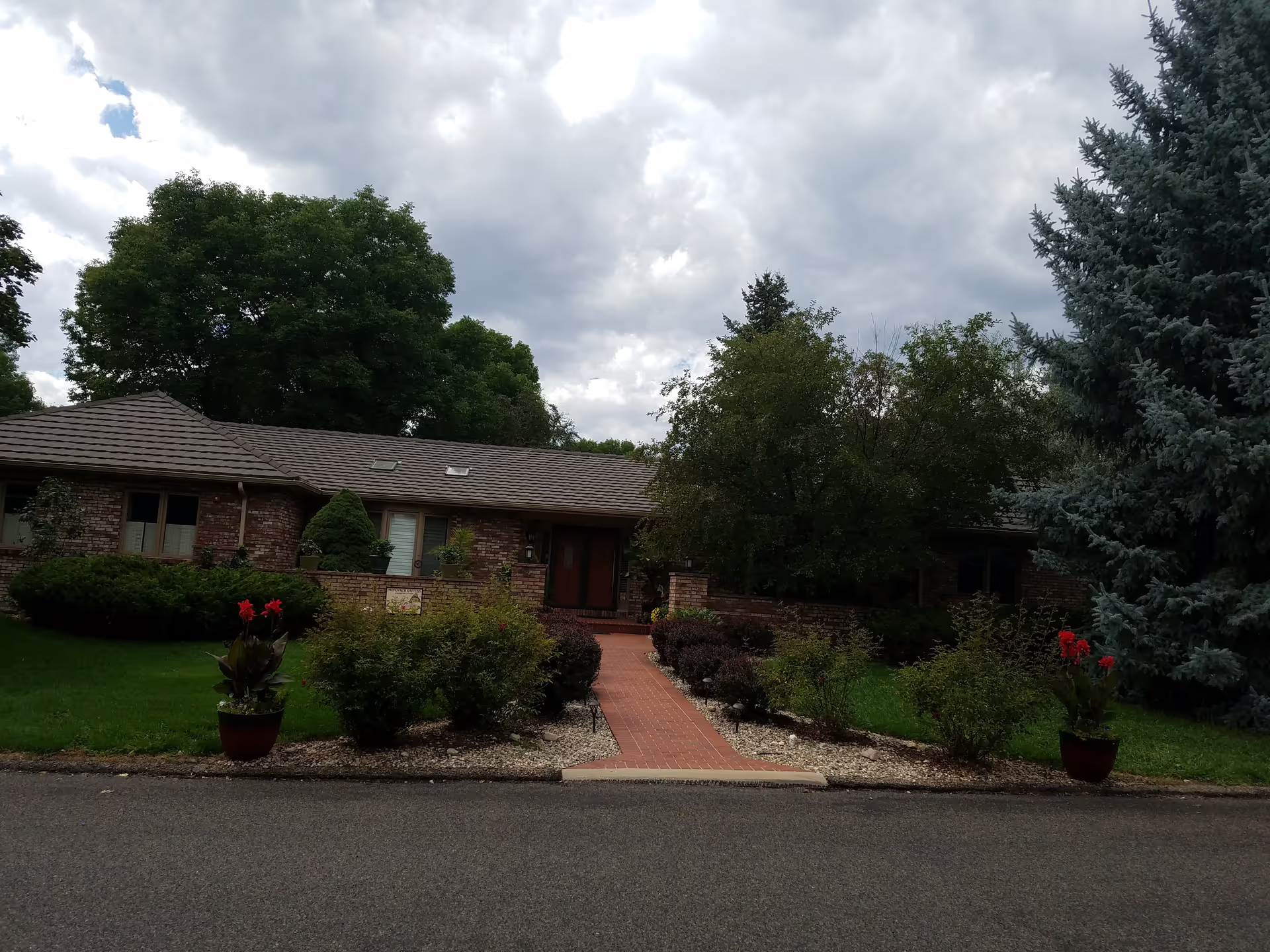
Activities and dining are notable assets. The community offers a wide range of programming — concerts, puppet and themed interactions, outings, and an active calendar — and these elements are repeatedly credited with keeping residents engaged and socially active. Meals are a frequent praise point: reviewers mention appealing presentations, accommodating kitchen staff, and a chef praised by name. The facility’s environment, including landscaped outdoor spaces and comfortable gathering areas, supports those programs and contributes to an overall impression of a welcoming community.
Management and communication show greater variability in reviewers' experience. Several families described responsive, compassionate executive leadership and a smooth move-in process, while others experienced inconsistent communication, delays in administrative responsiveness, and multiple management changes over time. These managerial inconsistencies appear to amplify operational problems: unclear fee practices or additional charges for services, lapses in family notification after clinical events, and concerns about follow-up after a resident’s death. A small number of serious individual allegations involving safety and conduct have been raised; those accounts, while not the prevailing narrative, underscore the need for robust safety oversight and consistent family communication.
For prospective residents and families, the overall pattern suggests Aspens at Fort Collins can provide warm, activity-rich, dementia-focused care with strong dining and an attractive physical environment. However, decision-makers should assess current staffing stability, clarify billing and extra-fee policies, evaluate personal-care and laundry procedures, and ask for evidence of medication-safety protocols and incident-response practices during touring and admission. Where these operational issues are actively managed, the community’s strengths — engaged staff, programmatic depth, and a welcoming setting — are likely to be valuable for people with memory-care needs.