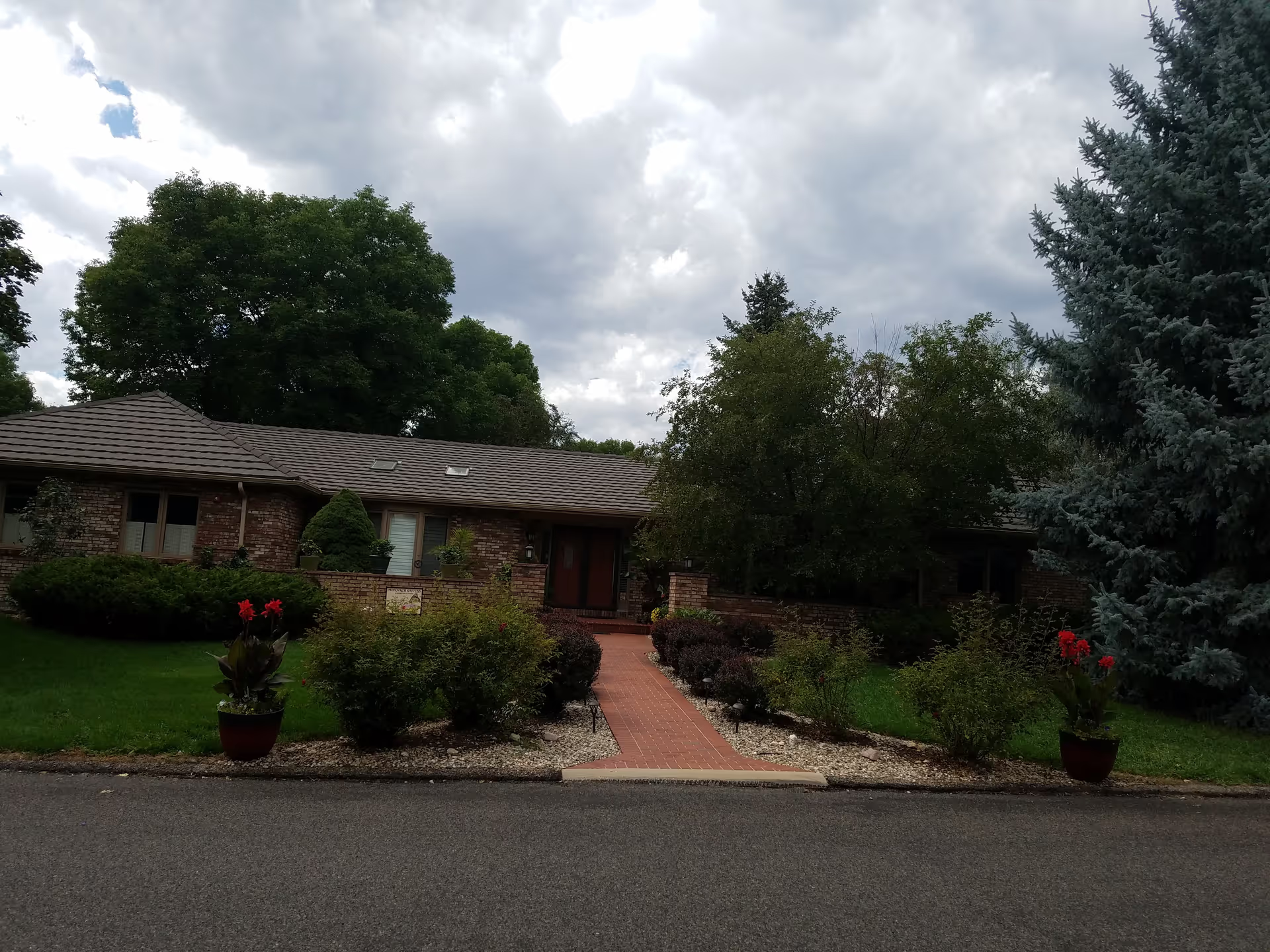
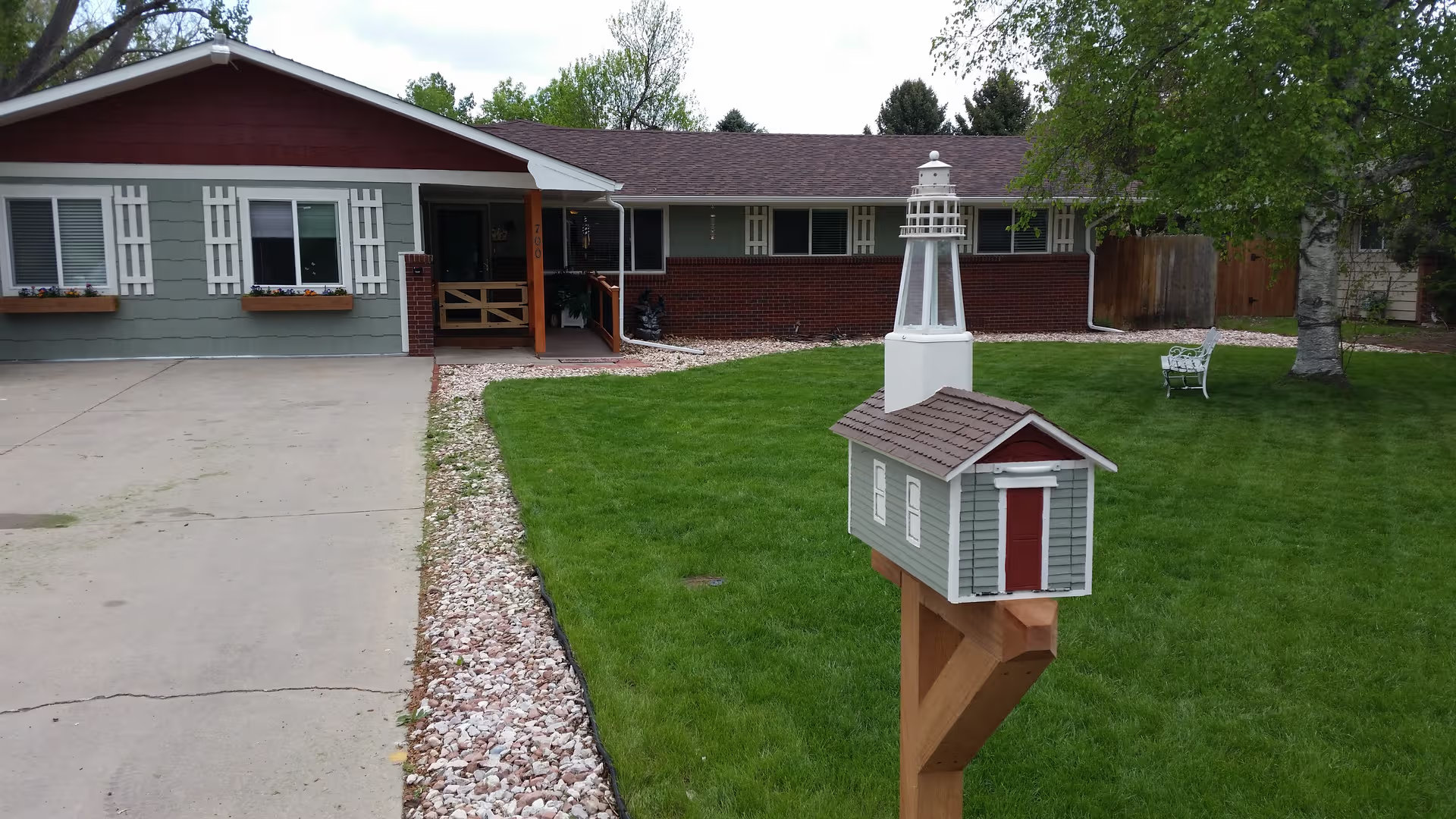
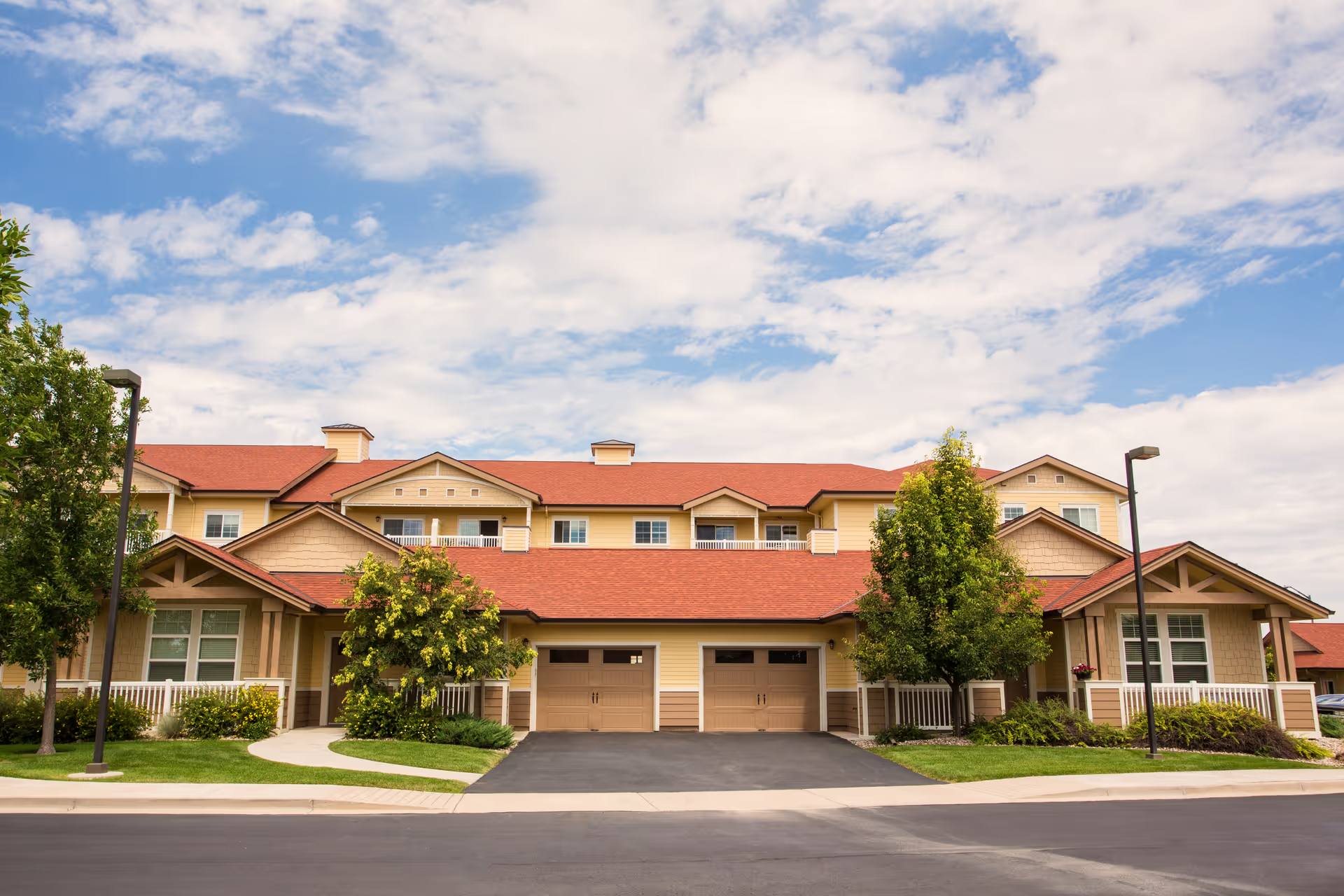
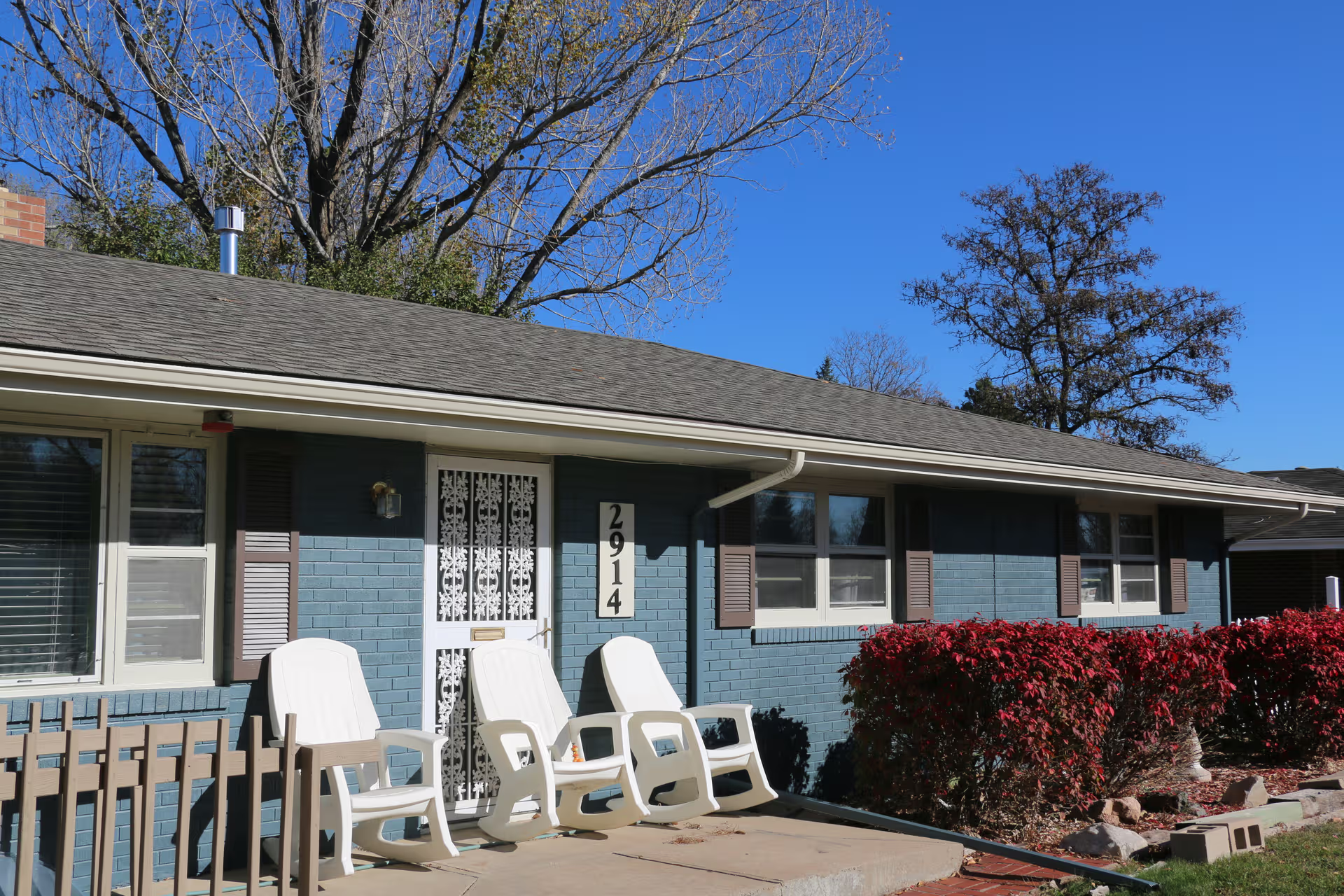
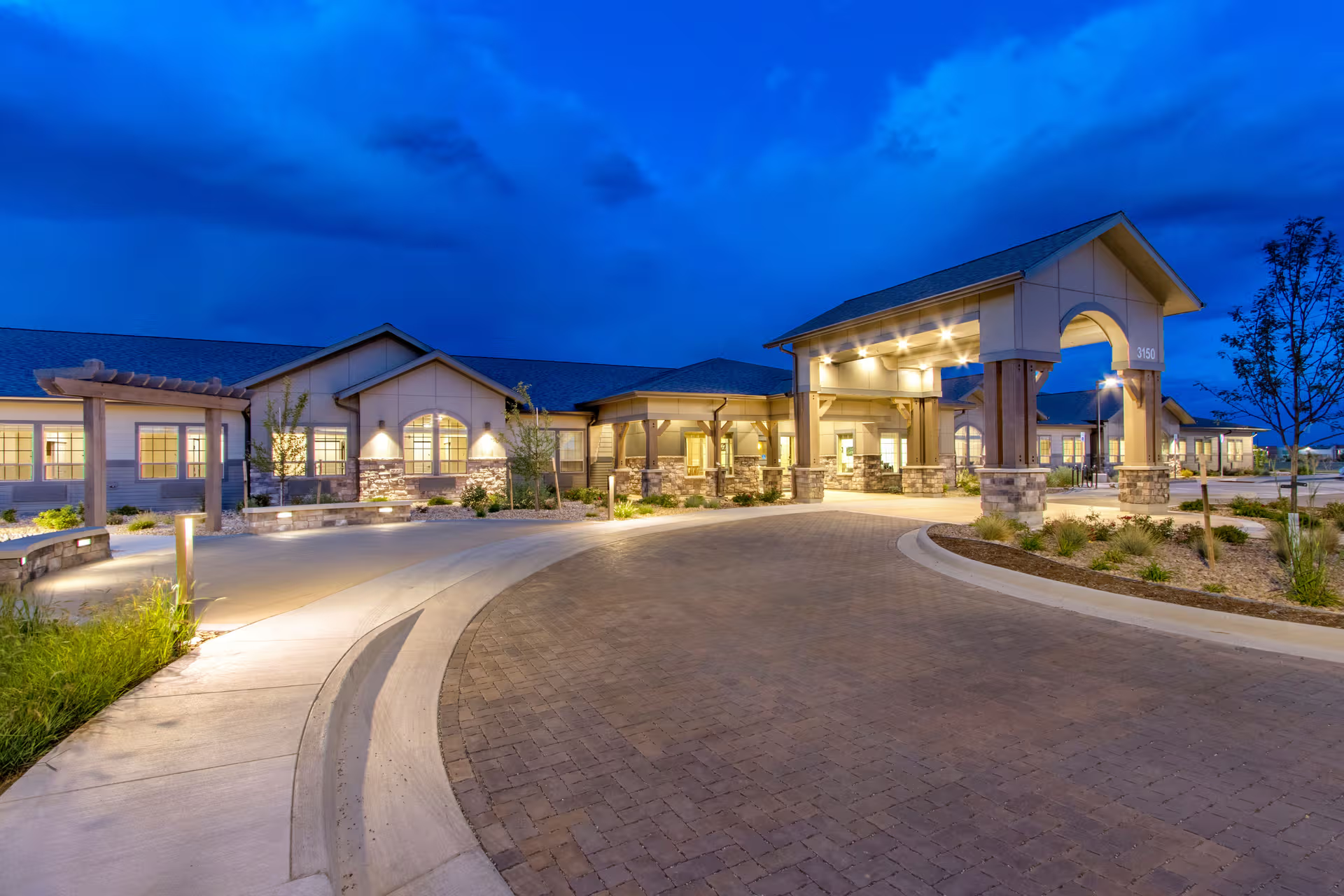
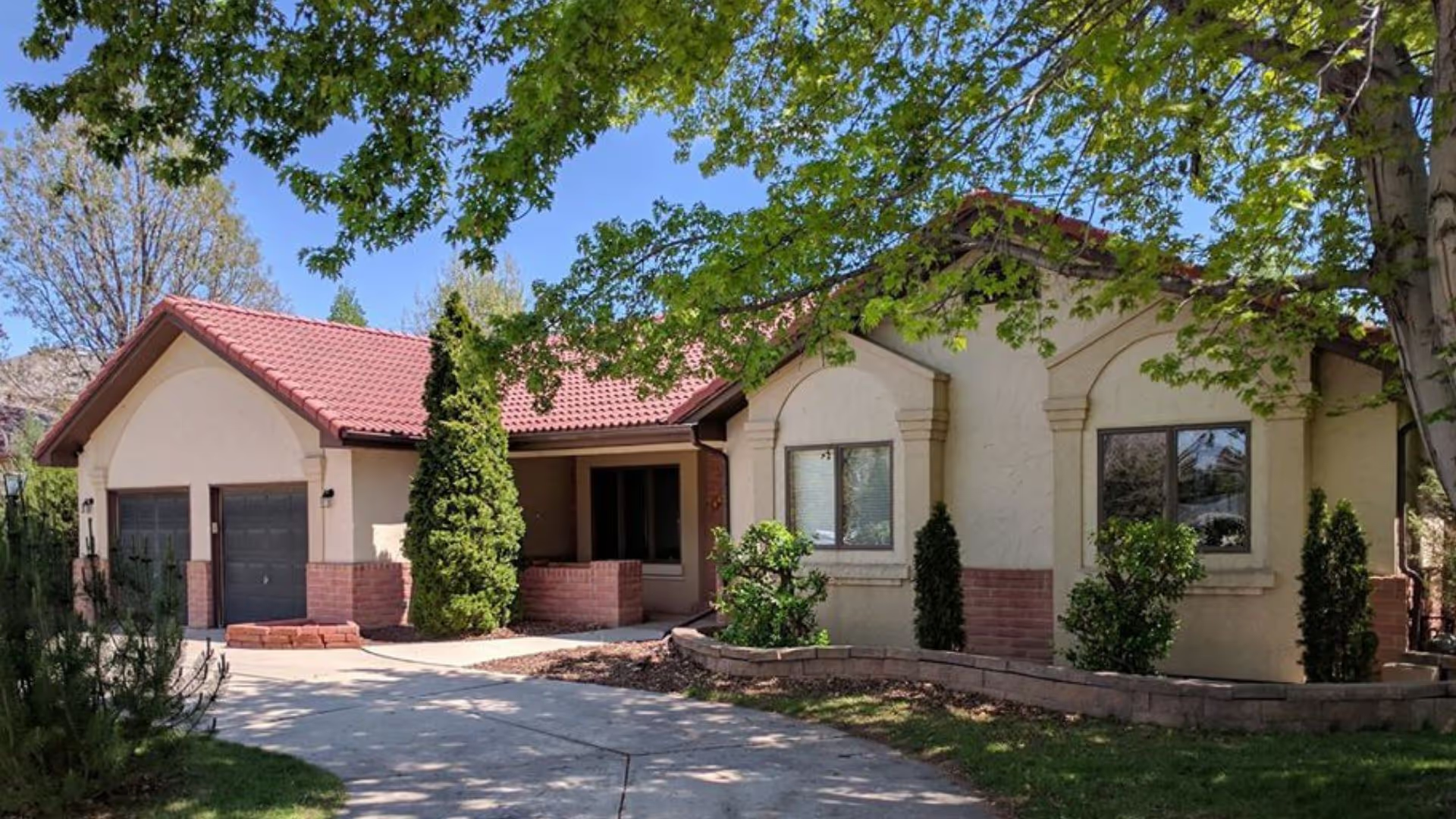
Overall impression: Review summaries portray Turnberry Place Assisted Living as a small, well-kept, family-style community with a strong emphasis on personalized attention and a warm, home-like atmosphere. Care quality is described as attentive and compassionate; reviewers emphasize consistent staffing, individualized attention, and a welcoming environment that many characterized as feeling like family. Staff behavior and camaraderie are frequently highlighted, and owner involvement is noted as visible and accessible, which reviewers link to the facility's resident-focused culture.
Dining and activities: Dining appears to be a deliberate strength — meals are repeatedly described as home-style and enjoyable, and the dining atmosphere is characterized as family-like. Activities and social engagement are regular components of life at the facility: organized outings, local trips (for example to seasonal events), music visits, and holiday decorations were mentioned as contributing to a lively community rhythm. The small size supports tailored activity programming and close social bonds among residents.
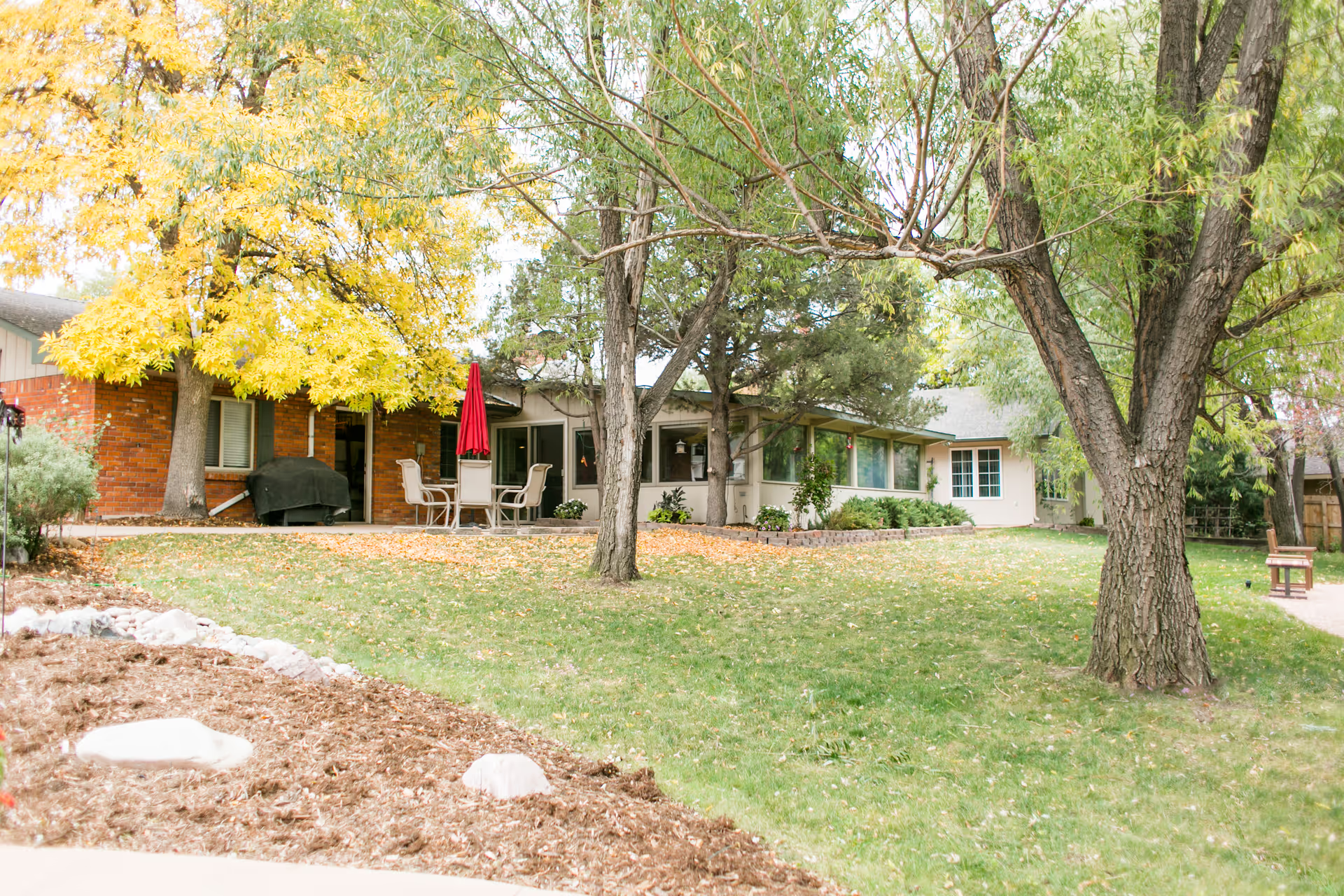
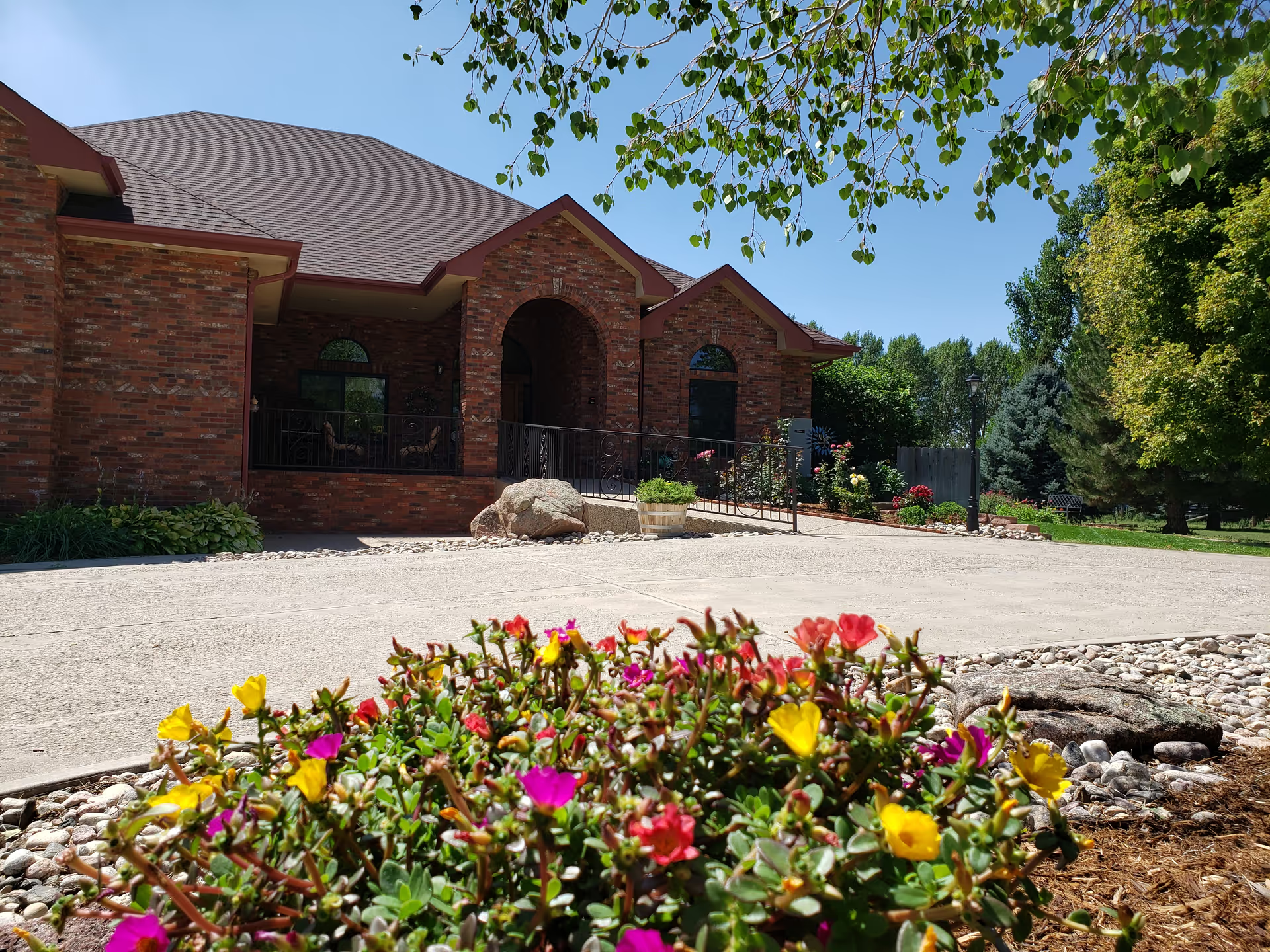
Facilities and management: Physical spaces are consistently described as clean, well-maintained, and comfortably appointed. The property benefits from attractive grounds and a golf-course view that reviewers found pleasant; interior spaces (sunlit exercise area, comfortable common rooms) were also singled out. Management presence and accessibility are frequently noted, with owner involvement seen as enhancing responsiveness and community culture.
Notable patterns and considerations: The dominant pattern across the summaries is a close-knit, residential model emphasizing personalized attention, social engagement, and an upscale, quiet setting. This configuration is a strength for prospective residents seeking a small, homelike environment. Potential limitations implied by the same characteristics are operational: the small, family-style scale can mean limited capacity and fewer on-site specialized clinical services or higher-acuity supports compared with larger assisted-living campuses. Likewise, while activities and outings are active and well-curated, the variety and depth of amenities may be narrower than those offered by larger facilities. Prospective residents and families should weigh the appeal of personalized, intimate care and well-maintained grounds against the need for advanced medical services or a broader range of campus amenities.