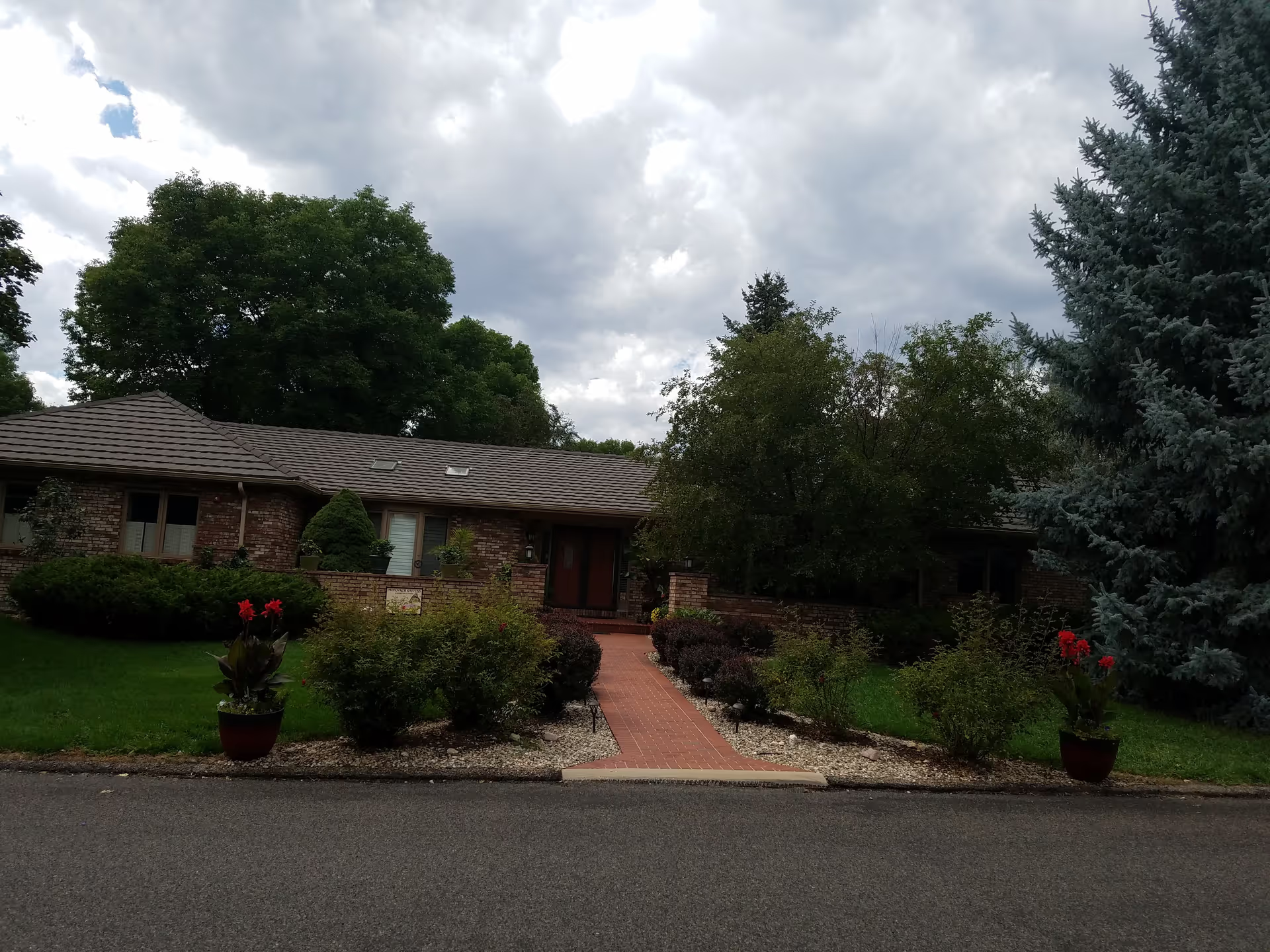
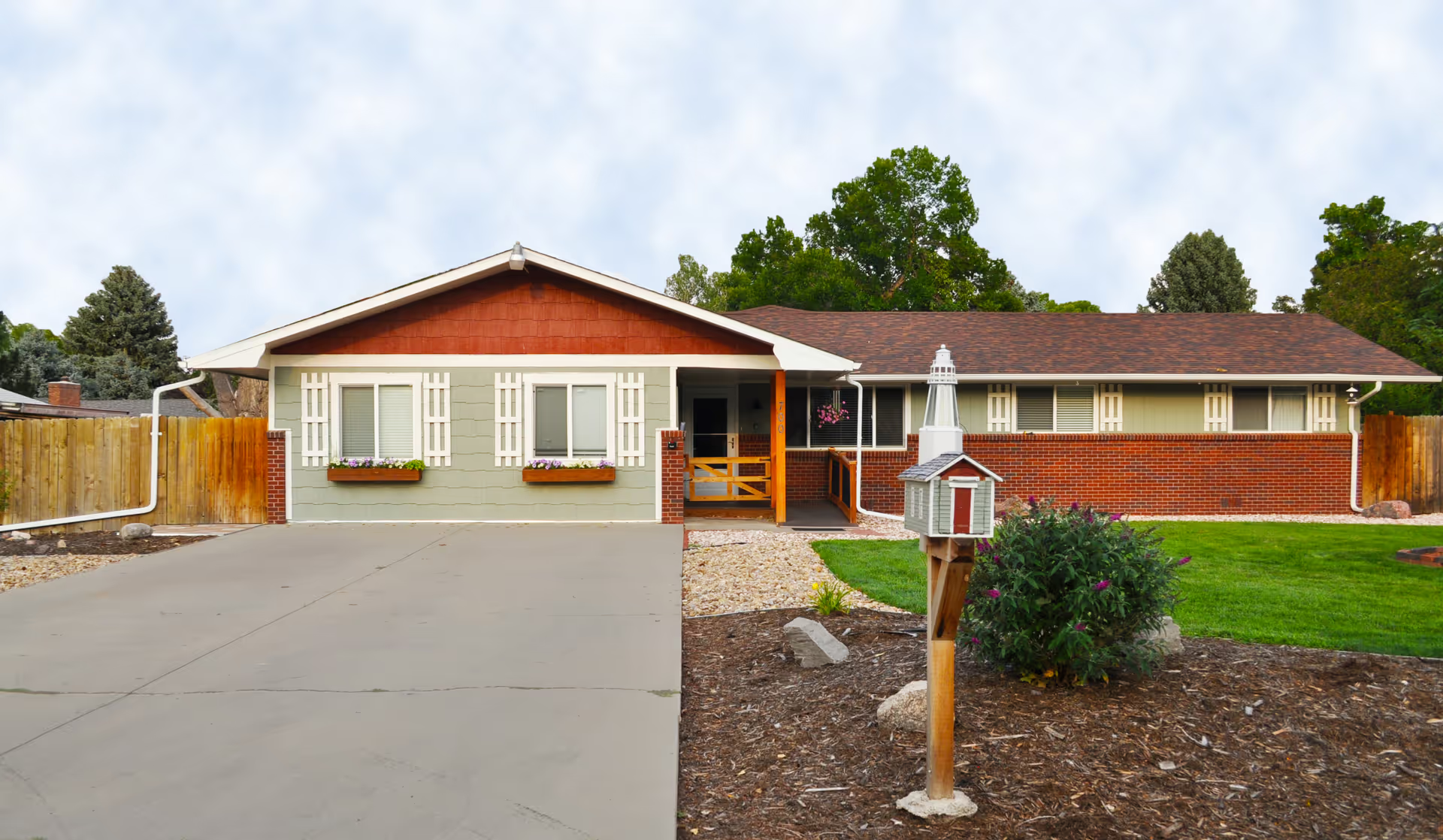
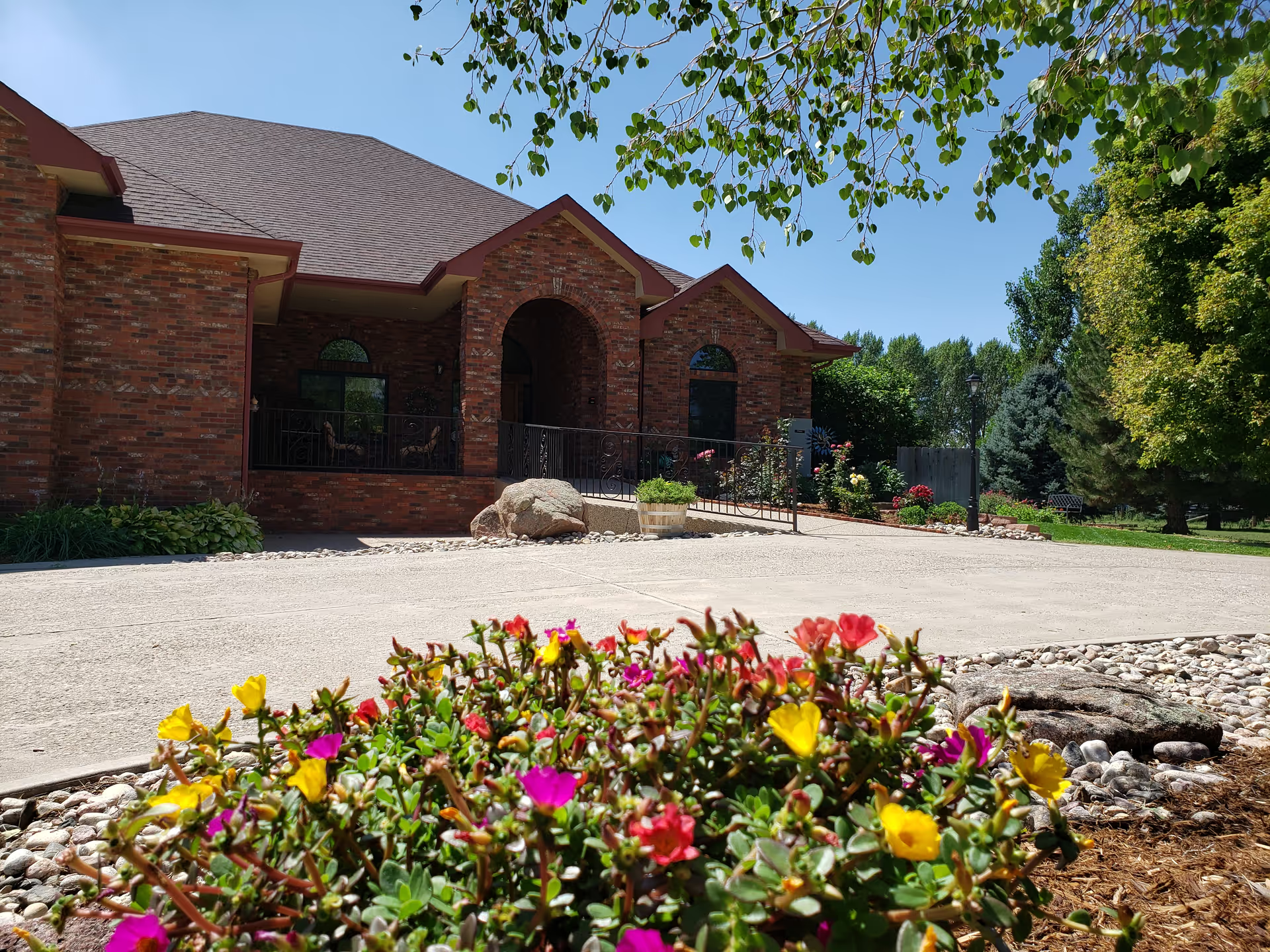
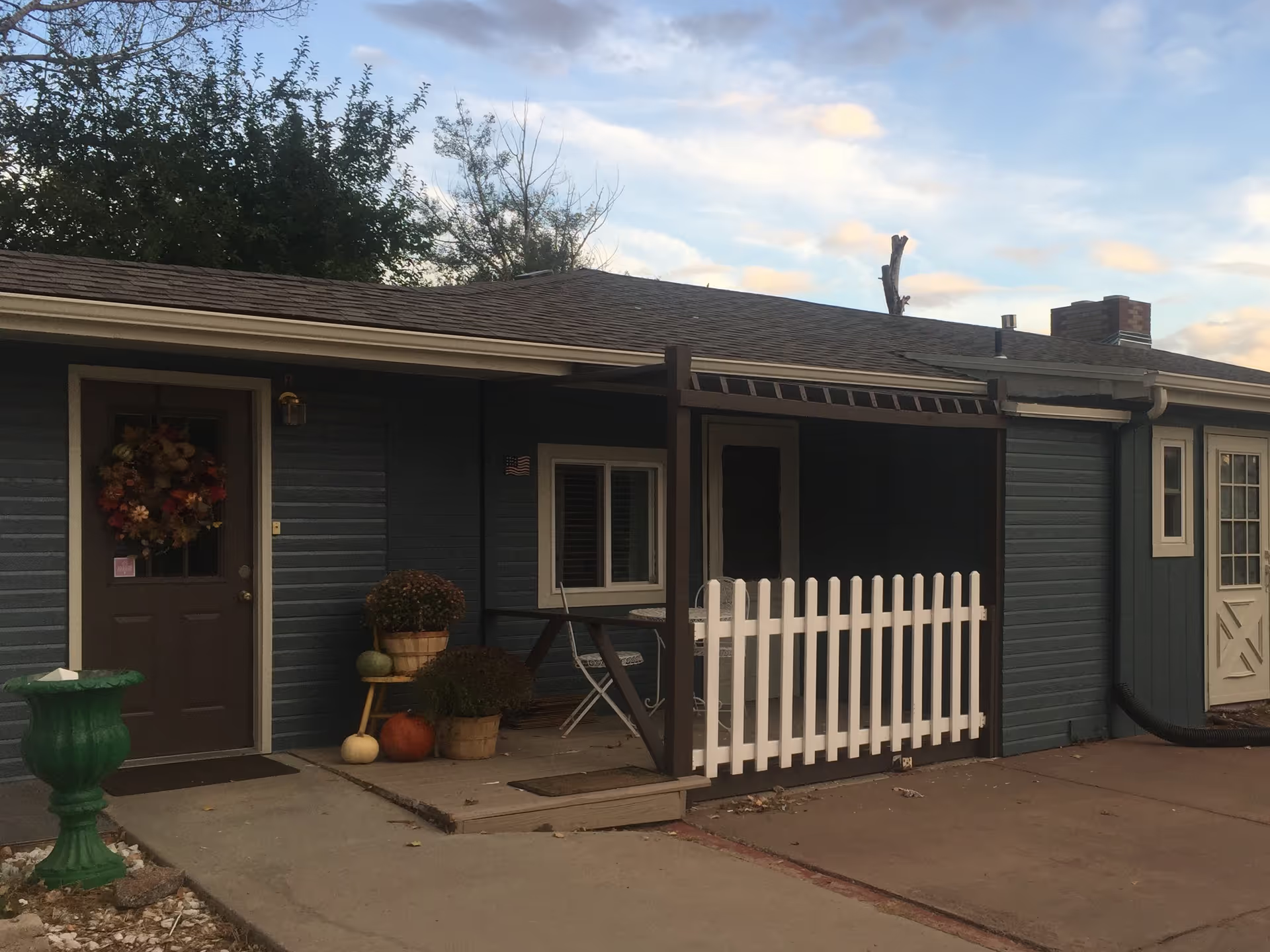
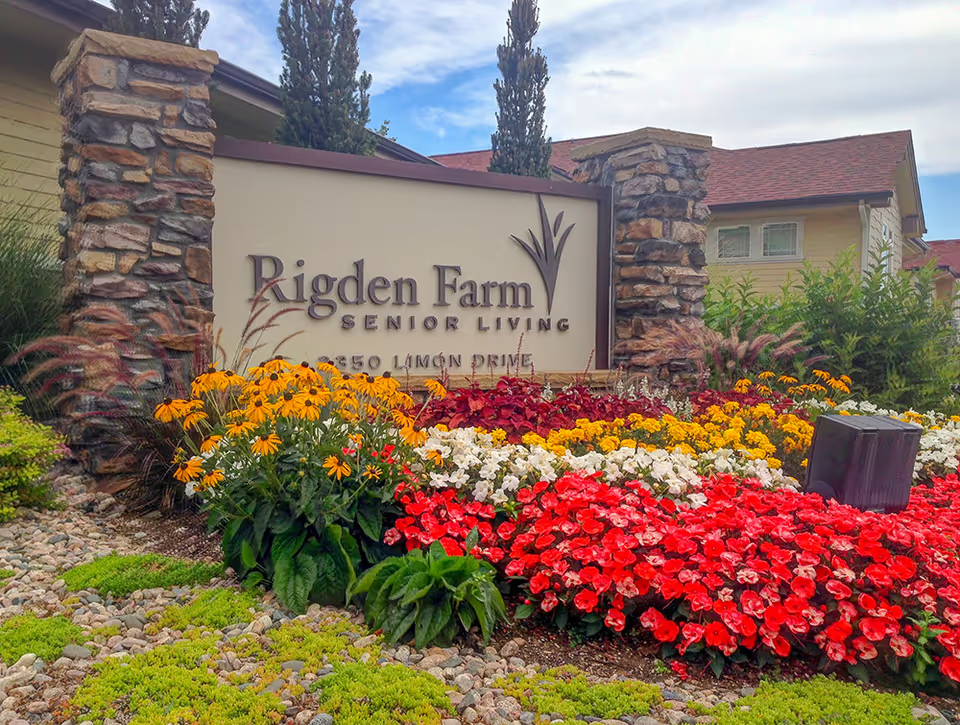
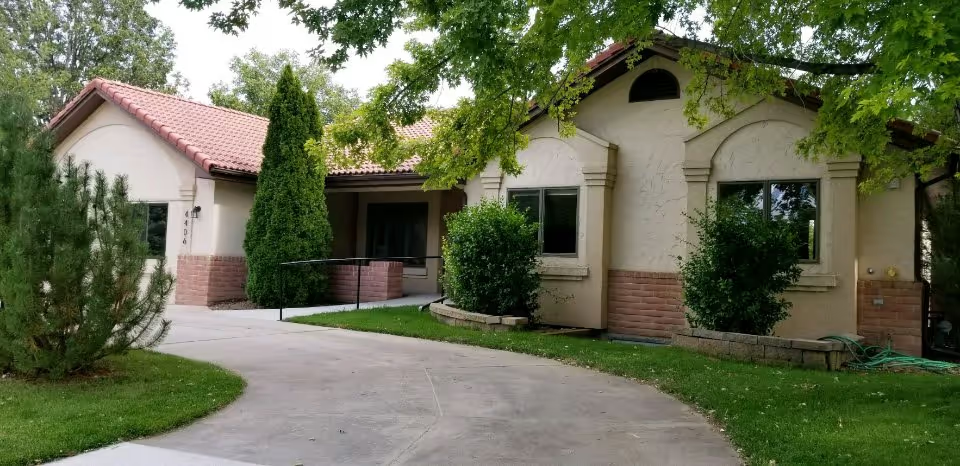
Overall sentiment across the reviews is strongly positive, with multiple reviewers emphasizing a home-like, family-centered atmosphere and consistently attentive, loving caregiving. Reviewers repeatedly note that the facility feels comfortable and personal rather than institutional. The small resident count is highlighted as a practical advantage: reviewers tie it directly to highly personalized care, closer attention from staff, and an environment where individual needs are noticed and met.
Care quality is a standout theme. Several reviewers explicitly say the level of care is higher than that found in most facilities, and at least one noted that outside doctors were impressed with the quality of care provided. That clinical endorsement, combined with family reports of relief and peace of mind, suggests both day-to-day comfort and clinically competent support. Reviewers describe staff as attentive and loving, and they credit owners with being understanding and accommodating—especially around the uncertainties that come with aging. This combination of hands-on staff and engaged ownership is portrayed as a core strength that increases trust and satisfaction.
Facility characteristics and management receive consistent praise. The descriptors "homey" and "comfortable" recur, reinforcing that the physical setting and day-to-day culture lean toward a domestic, small-community feel rather than a large institutional model. Management/ownership is repeatedly described as approachable and understanding, able to work with families through transitions and changing needs. Affordability is another recurring, concrete benefit: reviewers mention lower cost compared with other options, making the facility attractive from a value perspective.
There is limited or no direct commentary in the provided summaries about dining or organized activities. Because these topics are not mentioned, no conclusions about meal quality, dietary accommodations, or the scope and frequency of activities can be drawn from these reviews. If dining and programming are important decision factors, prospective families should request details or visit to assess those elements directly.
Patterns and minor concerns: the only negative items that appear in the summaries are initial skepticism (some families or residents were uncertain at first but subsequently reported improvement and enjoyment) and mentions of short-term stays. "Initial skepticism" appears as a transitional sentiment rather than an enduring complaint—several reviews note that impressions improved over time. "Short-term" appears in at least one summary and may reflect the context of a temporary stay rather than a criticism; however, it does mean there is limited evidence in these summaries about long-term residency experiences. Overall, the dominant pattern is strong approval for personalized, compassionate care delivered in an affordable, home-like setting with hands-on, responsive ownership.