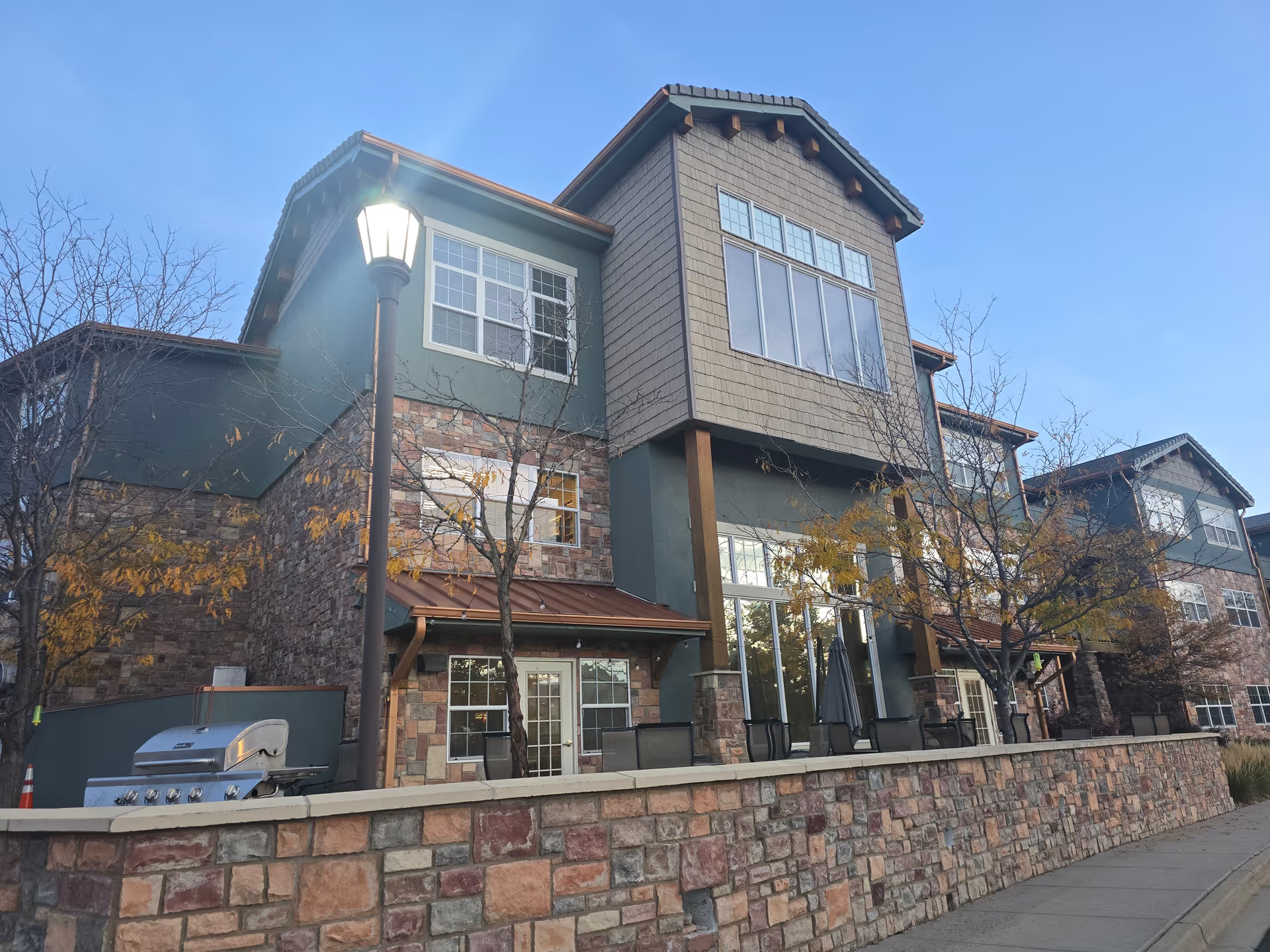
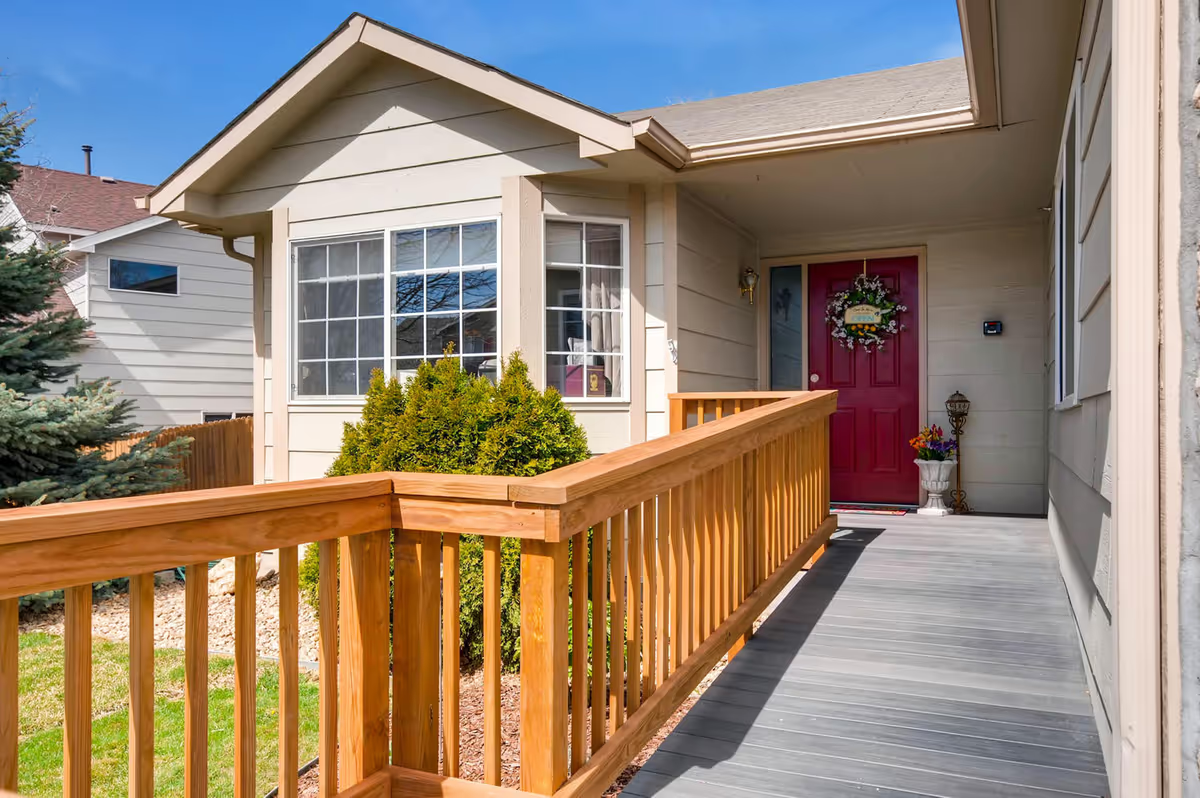
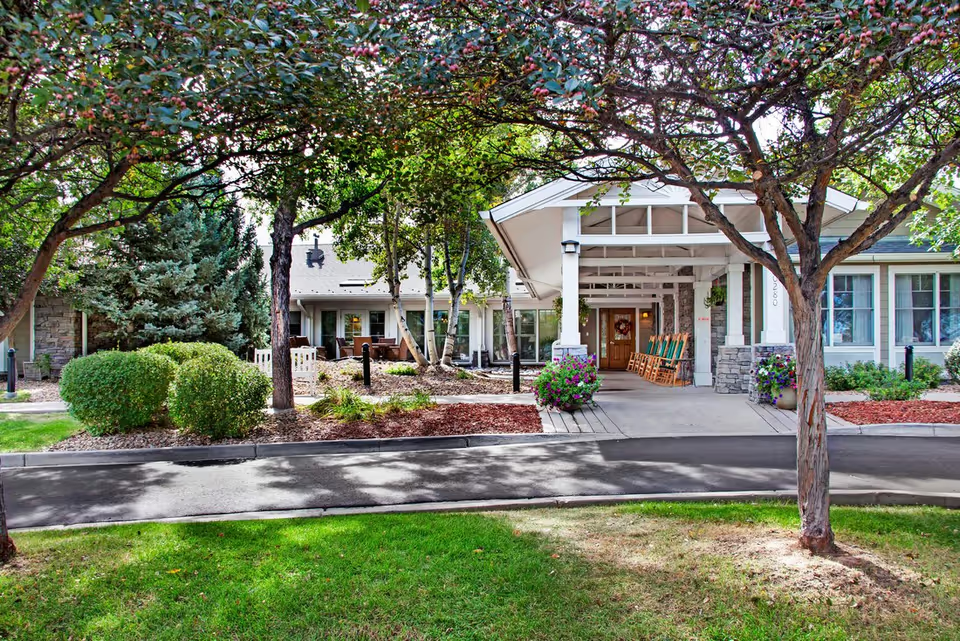
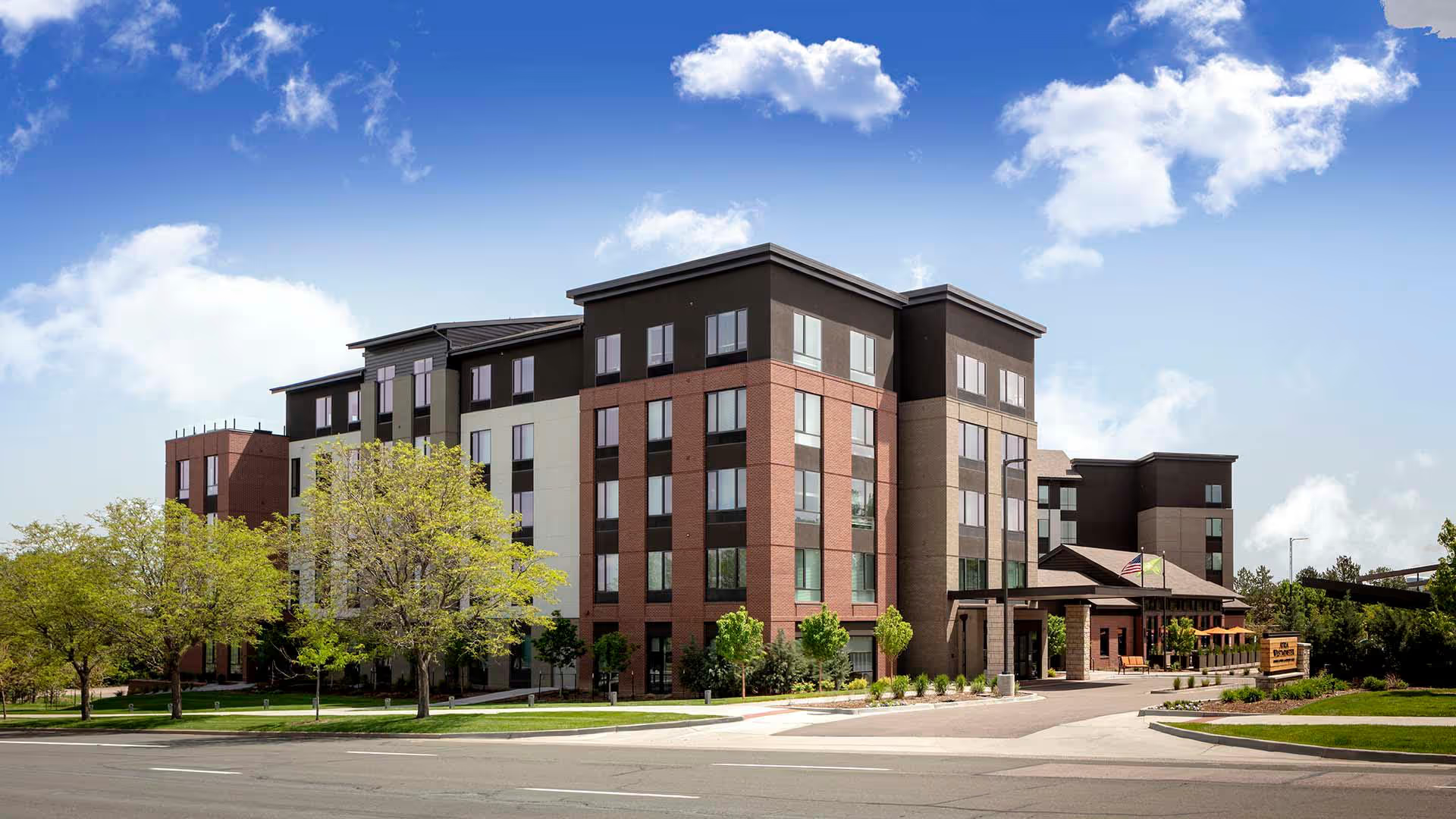
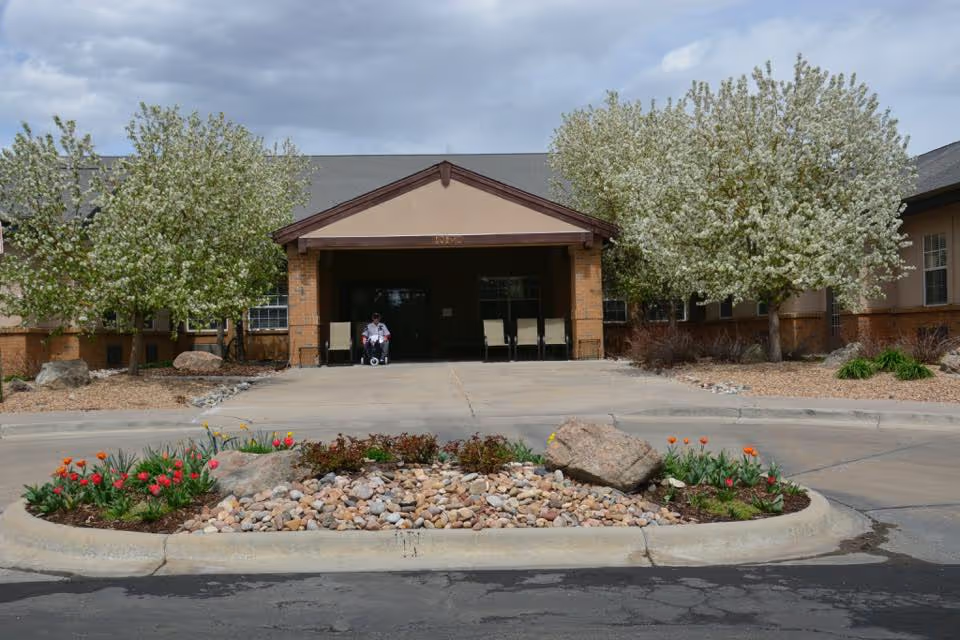
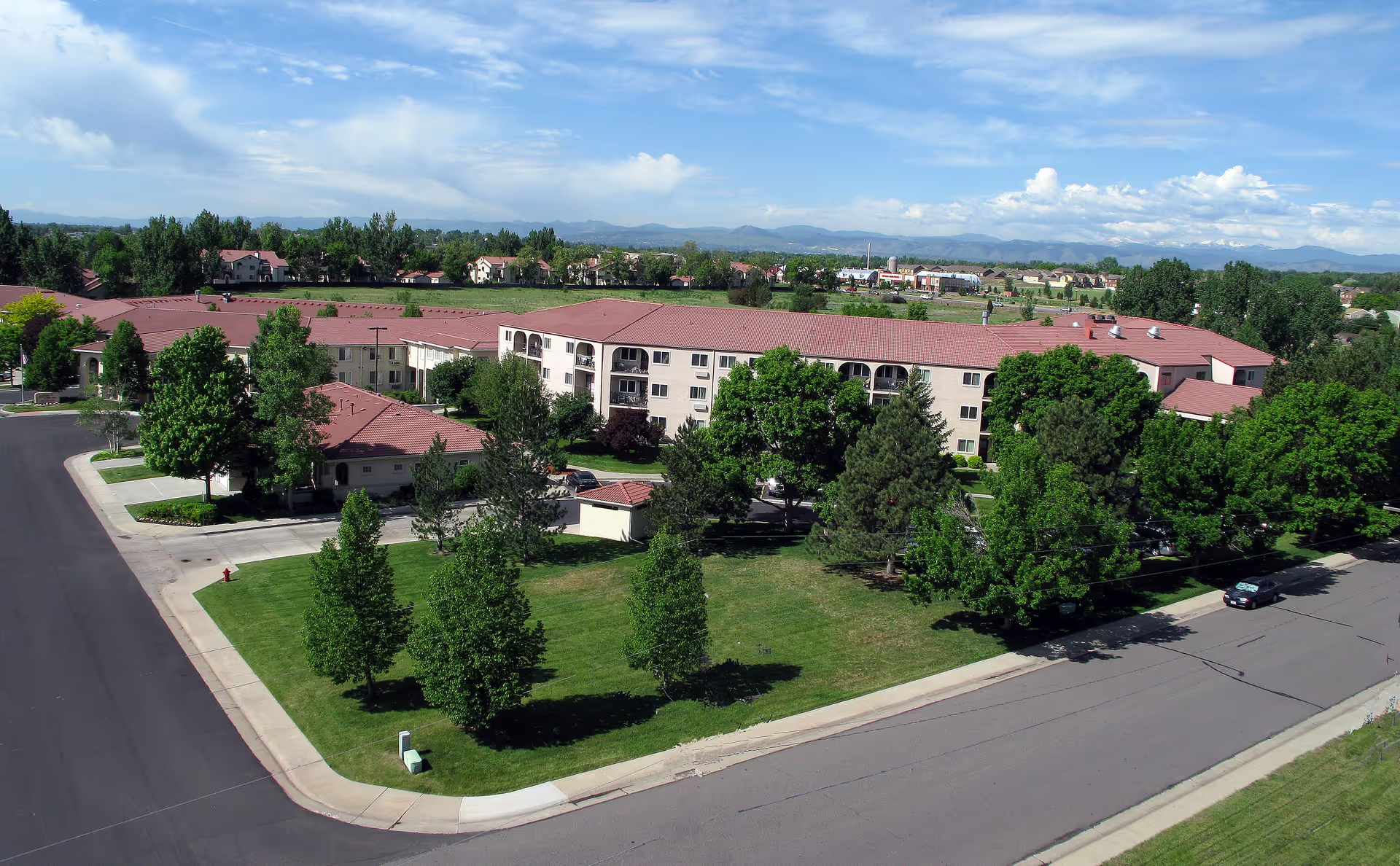
Overall impression: Northglenn Heights presents as an established, community-oriented assisted-living and memory-care campus with several clear strengths alongside recurring operational weaknesses. Many families and residents praise the interpersonal side of the operation: staff are frequently described as friendly, caring, and willing to help, and several accounts highlight individualized attention during moves and transitions. The property and outdoor spaces — including a landscaped courtyard, benches, and walking paths — are commonly noted as attractive and well maintained. Apartment features such as patios/sliding doors, individual temperature control, and some included services (laundry, light apartment cleaning) are also cited as positives.
Care and staffing: Care quality descriptions are mixed. Positive reports emphasize compassionate nursing and attentive aides, while a substantial pattern of concern centers on staffing stability and responsiveness. Reviewers describe high turnover and periods of understaffing that correlate with delays in assistance, missed or delayed personal-care activities, and inconsistent availability of help for transfers and mobility. Language- and training-related gaps among some staff members were also noted as affecting communication and the efficiency of care.
Medication, clinical coordination, and end-of-life issues: Several reviewers raised consistent concerns about medication administration processes, including delayed deliveries, missed doses, and incorrect dispensing in some instances. There are also repeated accounts indicating difficulties coordinating with hospice providers and delays in administering end-of-life medications. These themes suggest gaps in clinical handoffs, medication-control workflows, and hospice coordination that prospective families should clarify directly with the facility.
Dining, activities, and resident life: Dining impressions vary. Many reviewers compliment the chef, homemade breads and desserts, and certain high-quality entrees; others describe bland meals, small portions, or inconsistency between scheduled and delivered meal types. Meal timing and off-schedule meal delivery have been cited as occasional problems. Activities programming is available and can be engaging — music events, outings, and social opportunities are noted — but some residents (particularly men or those with higher-care needs) may find the offerings less engaging. Memory-care activities and supervision drew variable reviews, with some families praising the director and team and others indicating insufficient, poorly engaged programming.
Facilities, cleanliness, and safety: The campus generally receives commendation for outdoor maintenance and many clean, well-kept apartments. At the same time, reviewers describe uneven cleanliness in some common areas and inconsistent housekeeping or laundry follow-through. There are isolated but serious operational concerns related to privacy and property control, including missing personal items and unauthorized room access; these suggest the facility’s room-access controls and property-tracking procedures would be prudent topics to review in person. Several reviewers also described dated apartment interiors and fixtures, so unit condition may depend on the specific apartment.
Management, fees, and communication: Administrative themes include variable responsiveness from office staff, occasional broken promises around move-in and service commitments, and inconsistent application of fees (examples include charges for transfers, medication administration, or equipment installation). Deposits and discharge communications were also referenced as points of friction. Transportation availability improved in some instances after escalation, but prospective residents should confirm current transportation services and fee structure ahead of move-in.
Notable patterns and recommended due diligence: The reviews reflect a split pattern — a meaningful number of families are satisfied and praise staff, food, and the campus environment, while a distinct set of families report operational lapses that affect clinical reliability and resident dignity. Prospective residents and families should tour apartments (inspect dated units versus updated ones), ask for current staffing ratios and turnover data, request written medication-management and hospice-coordination procedures, clarify all fees in writing, and review security and personal-property safeguards. For those requiring higher-dependency or specialized memory care, it is advisable to request a meeting with the memory-care director to review programming, supervision protocols, and staff training practices before committing.