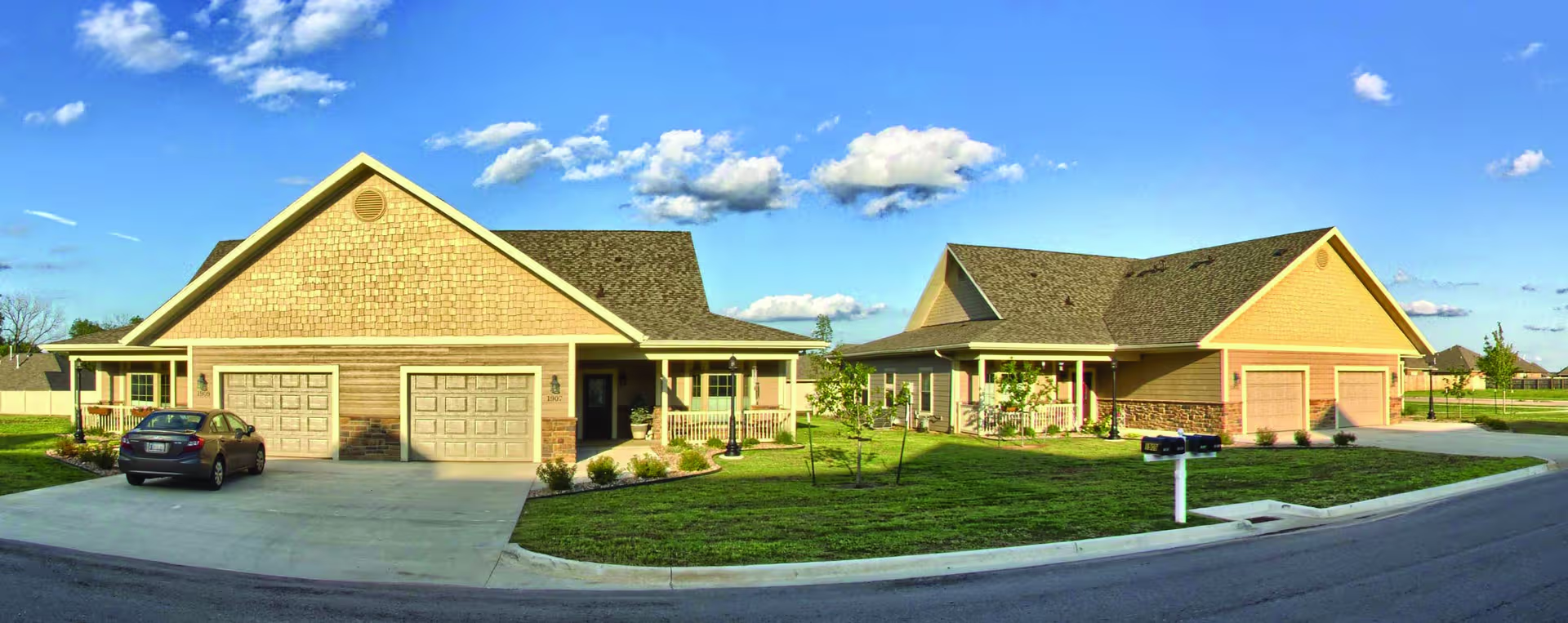
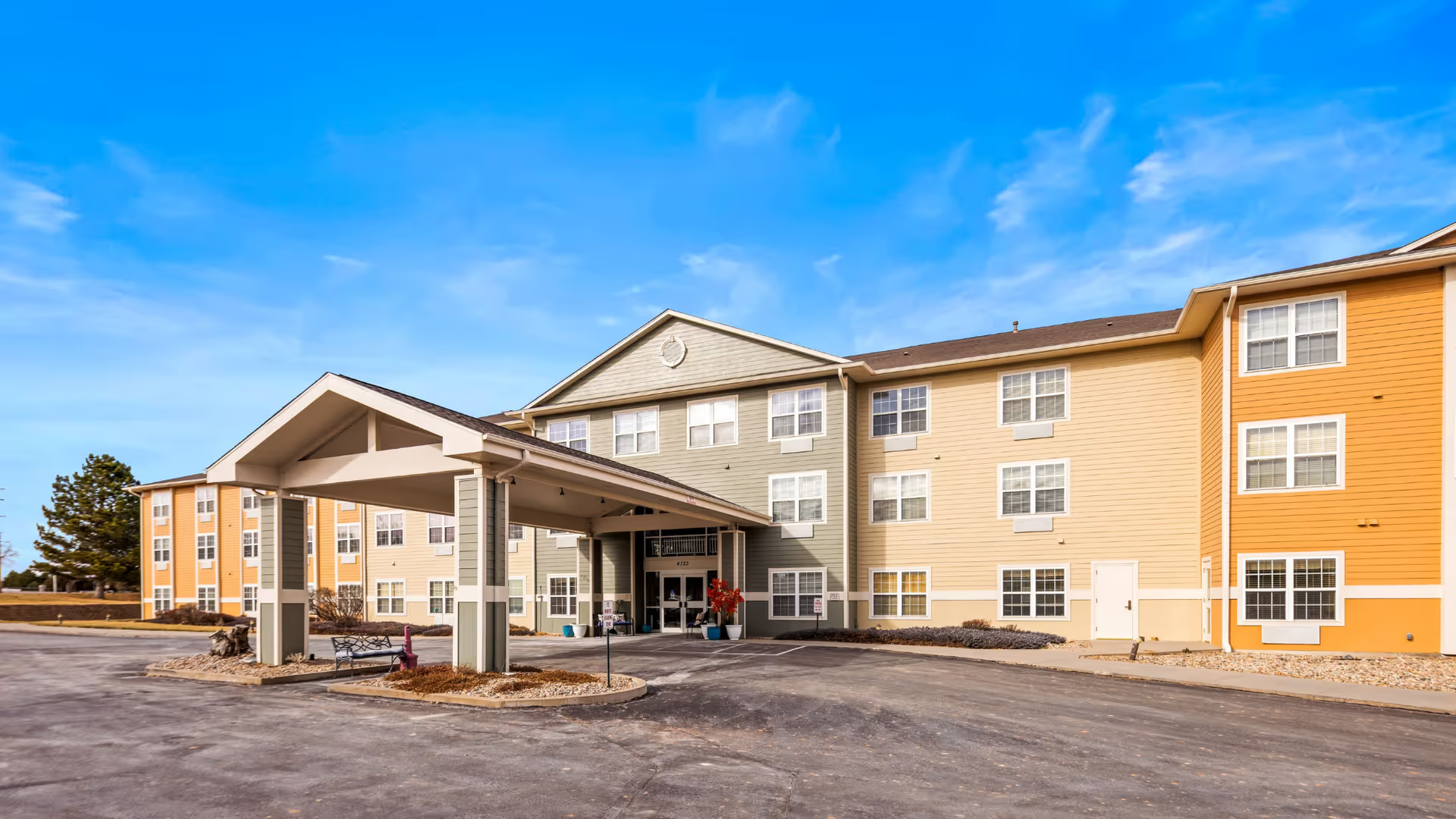
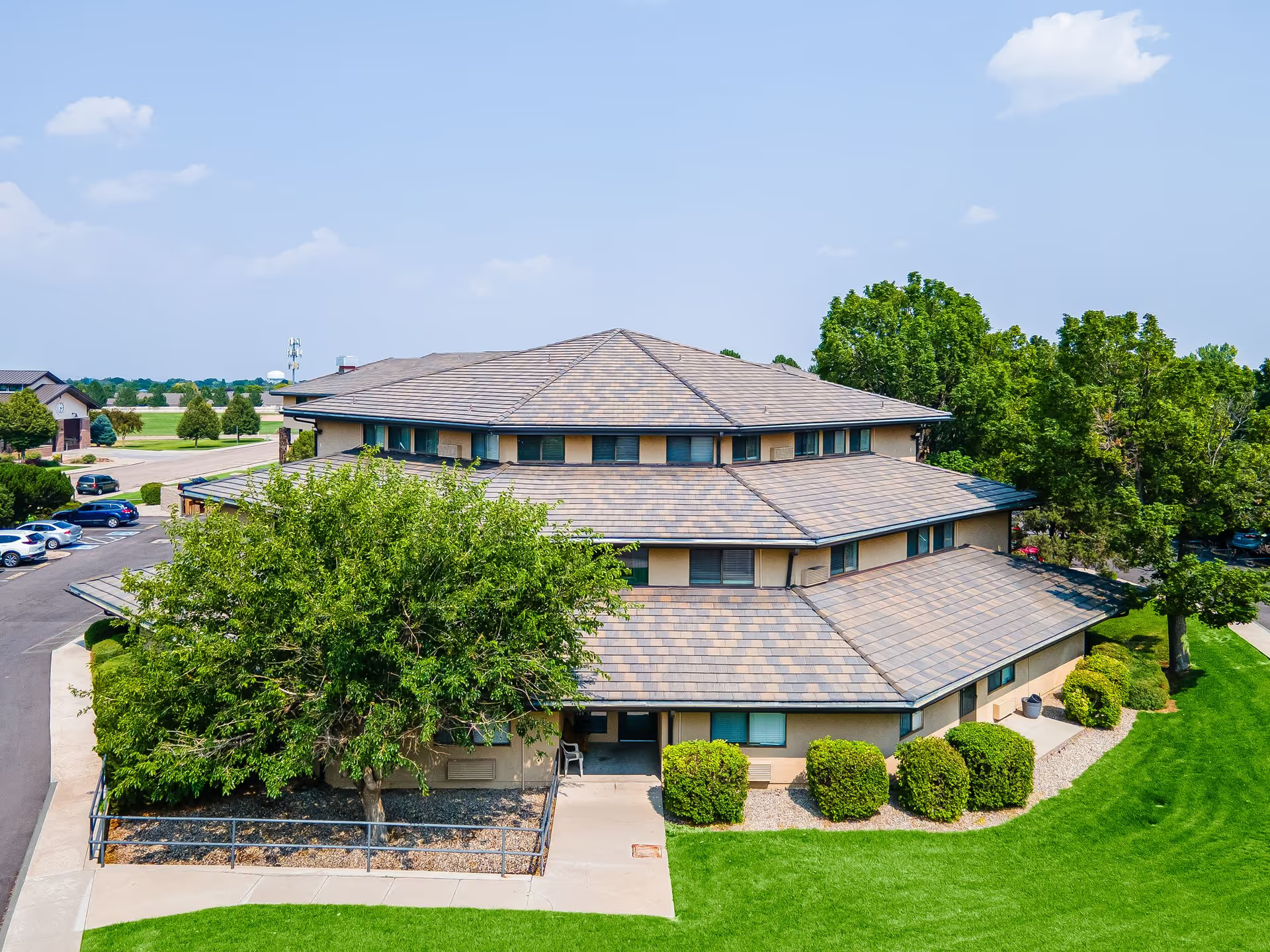
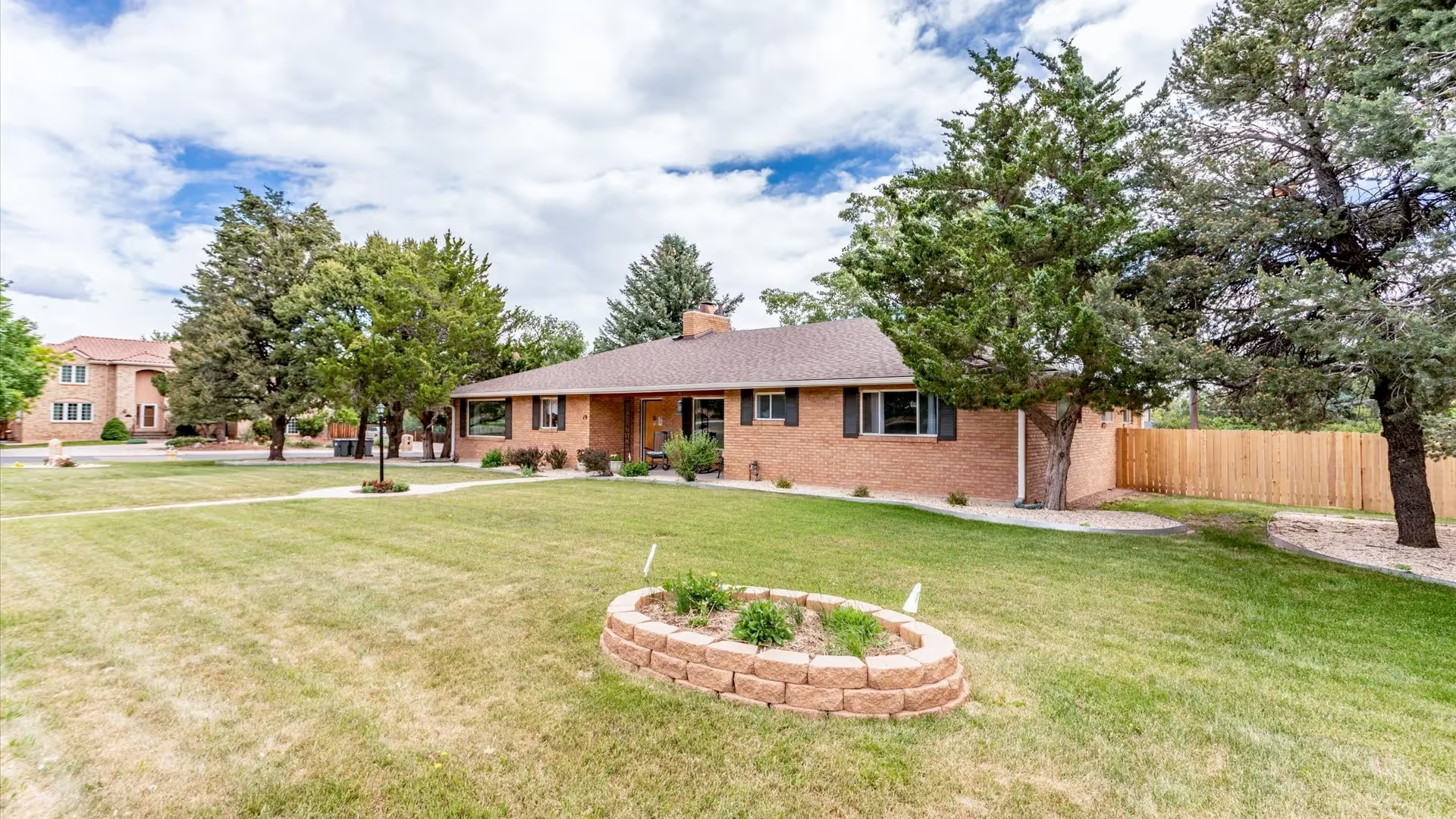
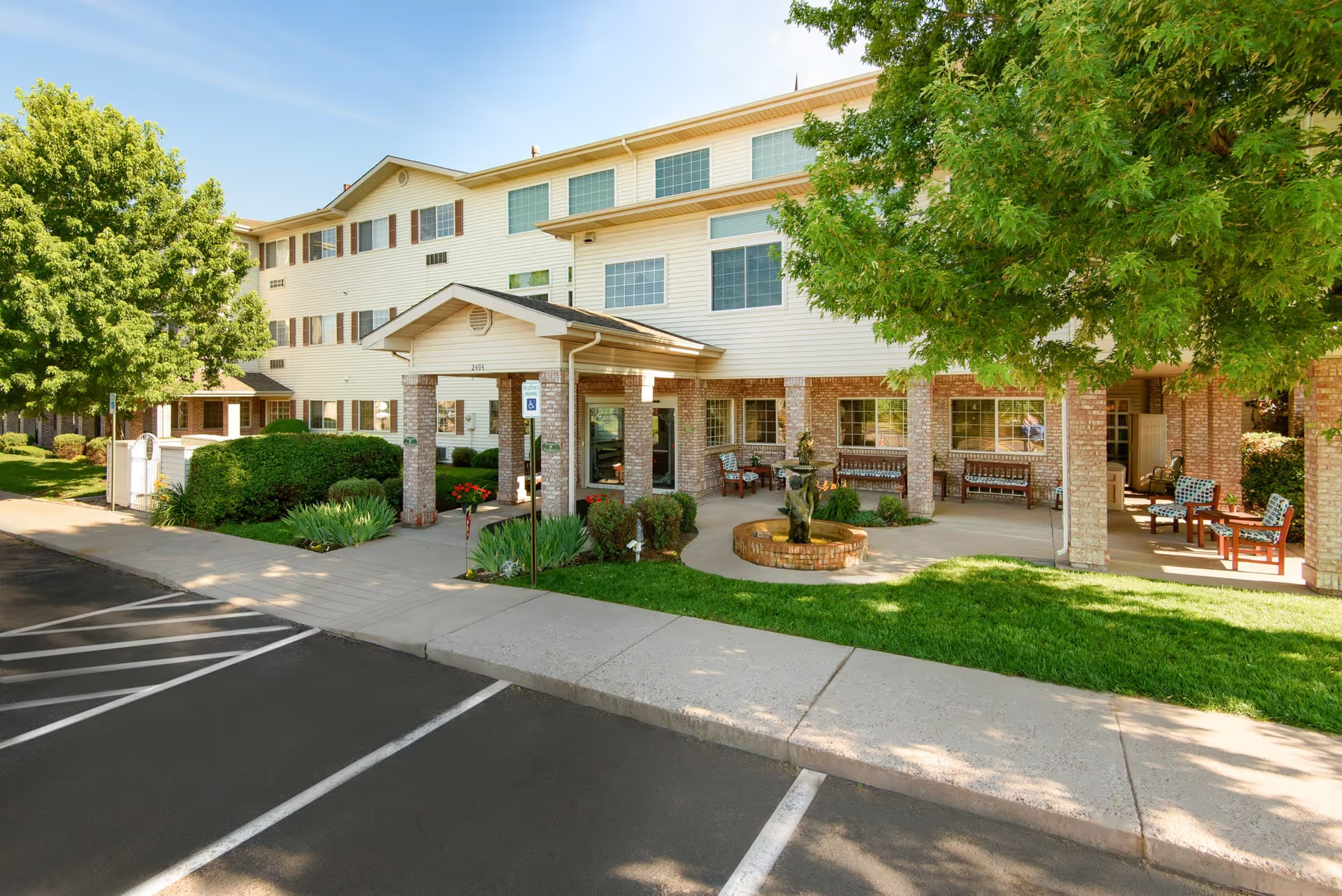
Overall impression: Reviews portray Cappella of Pueblo West as a small, single-story community that many families find welcoming and homelike. Strengths frequently cited include a clean, well-maintained physical environment, an accessible layout, an attractive enclosed courtyard, and a range of living options (studios and one-bedrooms). The community offers on-site conveniences such as housekeeping, laundry, and an on-site pharmacy, which several families identified as helpful for day-to-day care and medication access.
Care and staff: The facility is repeatedly described as having compassionate, attentive caregivers who provide personal assistance with dressing, bathing, and medication dispensing. Families often praised specific caregivers and highlighted prompt responses to medical needs. At the same time, there are recurring operational concerns about staffing consistency—periodic shortages and turnover appear to affect continuity of care. Reviewers also raised issues suggesting gaps in staff training and competence in some situations, which can create uneven experiences across residents.
Dining: Dining is a mixed area. Multiple reviewers complimented the food and named an engaged chef and pleasant dining service. The activity of meals as a social experience was appreciated. However, others flagged inconsistent meal quality, restrictive menus, and occasional limitations in serving options or portioning. Prospective residents should inquire about menu flexibility, dietary accommodation processes, and how the kitchen manages special requests.
Activities and social life: The activity program is a clear strength. Families and residents described an active calendar with themed events (e.g., dances, casino nights, BBQs, holiday parties) and routine reminders to participate. These offerings are credited with improving residents’ social interaction and overall satisfaction.
Facilities and services: The property’s single-level design, safe-forward features, and easy-to-navigate layout are valuable for residents with mobility limitations. On-site services such as housekeeping, laundry, and pharmacy support contribute to perceived value. Some reviewers did note concerns about security and controlled access, suggesting prospective families ask about entry controls and unit security during a tour.
Management, communication, and policies: Management experiences are inconsistent. Several reviewers praised an informative and helpful director and long-tenured leadership, while others described poor initial communication, curt interactions, or slow follow-through. Family communication and notification practices appear uneven—some families received clear updates, others experienced lapses (including inadequate hospital notifications). Visitation practices also drew concern in a few accounts, with references to restrictive visit durations and perceived monitoring; these point to the importance of clarifying visitation policy and family-access protocols before move-in.
Notable patterns and guidance for families: The dominant pattern is one of strong, caring frontline staff and an active community environment tempered by operational variability in staffing, dining, medication handling, and management responsiveness. Prospective residents and families would benefit from focused questions during a tour: current staffing ratios and turnover, medication-administration protocols and pharmacy arrangements, how dietary needs are accommodated, visitation and access policies, security measures, and transportation options. Asking for references from current families and observing mealtime and an activity in progress can help confirm whether the facility’s strengths align with an individual’s needs.