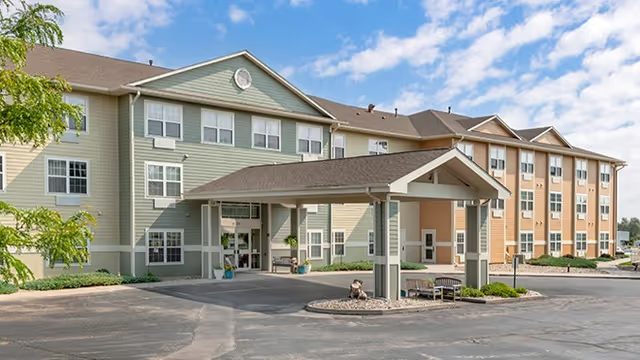
Overall impression: Columbine Chateau elicits polarized impressions. Many families and visitors describe a small, home-like environment with friendly, attentive staff and specific strengths in memory-care programming. At the same time, a distinct set of operational concerns appears repeatedly — primarily around staffing consistency, management involvement, and clinical oversight. Prospective residents should expect an intimate setting with communal dining and common areas, but also should verify the facility’s current staffing and management practices during a tour.
Care and staff: Several accounts highlight compassionate, cheery caregivers, good staff-to-resident interactions, and staff who are accommodating and transparent about capabilities. Reviewers also praise individualized assistance with activities of daily living (medication dispensing, dressing, showering) and attentive hospice coordination. Contrasting accounts raise concerns about understaffing, inconsistent training, and delays in attending to personal-care needs. Families should confirm staff training, turnover rates, and typical staff-to-resident ratios; documentation and clear handoff protocols are important given the mixed feedback on clinical oversight.
Dining and nutrition: Some reviews describe well-prepared, healthy meals and a communal dining experience that supports conversation. Other reviewers note inconsistent portion sizes, marginal food quality, and occasions of insufficient meal service. These comments suggest variability in meal preparation and service continuity; asking about menu planning, portioning, and special-diet management is advisable for residents with nutritional or dietary needs.
Activities and engagement: The facility is described as offering activities, outings, and park trips at times, and several accounts indicate an improved activity schedule over time. However, there are also repeated notes about early gaps in programming, canceled outings, and periods with limited engagement, which contributed to resident disengagement in some cases. Prospective families should review the current activity calendar, transportation availability, and typical participation levels.
Facilities and accommodations: Columbine Chateau generally presents as a small, well-maintained home with garden space, communal living rooms, and some private larger rooms equipped with TVs and storage. At the same time, double-occupancy rooms are common and raise privacy concerns for some families. Physical-condition comments vary — many describe clean, inviting spaces, while others note worn or mismatched furniture, plastic dining ware, and occasional odor concerns. Verify room configurations, cleaning schedules, and furnishings during a visit.
Management and administration: Management-related issues appear frequently in the feedback. Positive items include an efficient admission process and coordination during intake. Negative patterns include limited owner/manager presence, poor communication with families, billing or rental-agreement transparency problems, and instances where staff relied on families to complete paperwork. There are also serious workforce-treatment and payroll concerns cited; one category of comments alleges inappropriate conduct involving ownership-family members. These are significant administrative flags to investigate directly with the provider and, if relevant, with oversight authorities.
Notable patterns and recommendations: The overall pattern is one of strong caregiving in many individual interactions paired with system-level inconsistencies. Positive experiences often correlate with consistent staff, active management involvement, and reliable activity schedules; negative experiences often correlate with understaffing, administrative opacity, and variable clinical practices. Prospective residents and families are advised to tour both household units if applicable, ask for current staffing ratios and training credentials, review the activity calendar and recent menus, confirm the room assignment and privacy options, and request written policies on medication administration, incident communication, and billing. Given the mixed reports and some serious administrative concerns, due diligence and direct conversations with current families are warranted prior to admission.