The reviews for Rock Canyon Respiratory and Rehabilitation Center describe a facility with sharply mixed performance across clinical care, staffing, and operations. Many families and former residents praised individual caregivers, therapy staff, and social-work coordination — citing skilled physical and occupational therapy, successful discharges home, compassionate nurses and CNAs, and a family-like culture in portions of the campus. These positive accounts highlight strong teamwork, responsive reception staff, robust rehabilitation services, and clean, bright areas where residents are engaged in programming and receive timely updates.
At the same time, a substantial subset of reviews describes operational weaknesses that have clinical and experiential impacts. Common clinical concerns include inconsistent medication management, gaps in pressure-injury prevention and repositioning, and clinical-continuity problems that contributed to hospital readmissions for falls and infections. Therapy and rehab delivery is uneven: some residents received effective, proactive therapy, while others experienced promised rehab that was delayed or incomplete. These patterns suggest variability in care processes and follow-through across different units or shifts.
Staffing and communication present another recurring theme. Reviewers report both attentive, compassionate staff and instances of slow call-light response, limited night coverage, and staff occupied with tasks that delay resident assistance. Family communication is inconsistent: some families received timely, transparent updates, while others describe delayed or incomplete incident notification and difficulty obtaining care reports or explanations about changes in condition. Incident documentation and reporting processes appear weak in some cases, which complicates family oversight and follow-up when concerns arise.
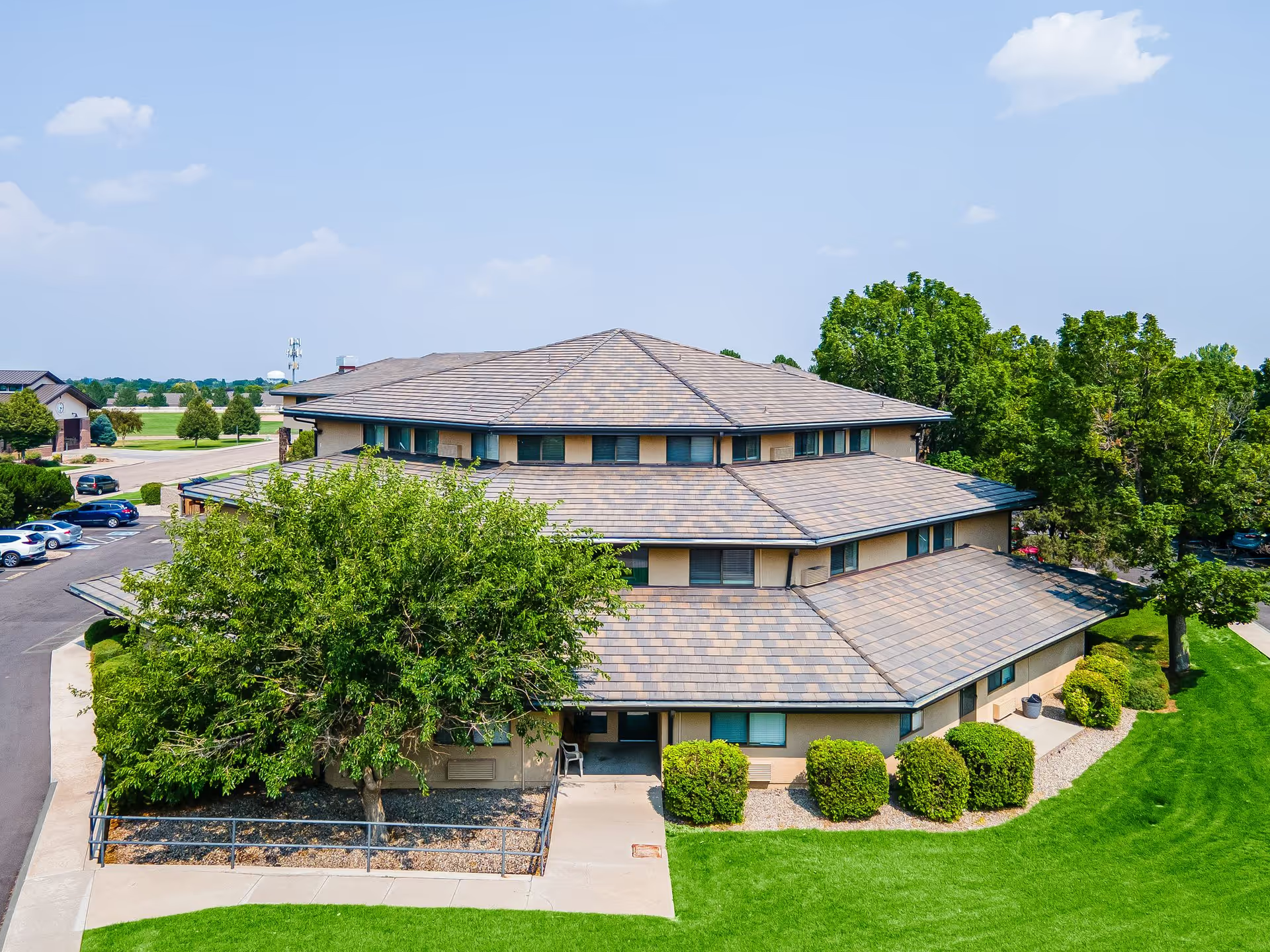
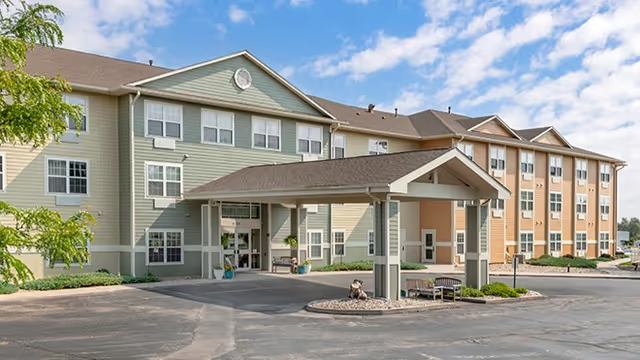
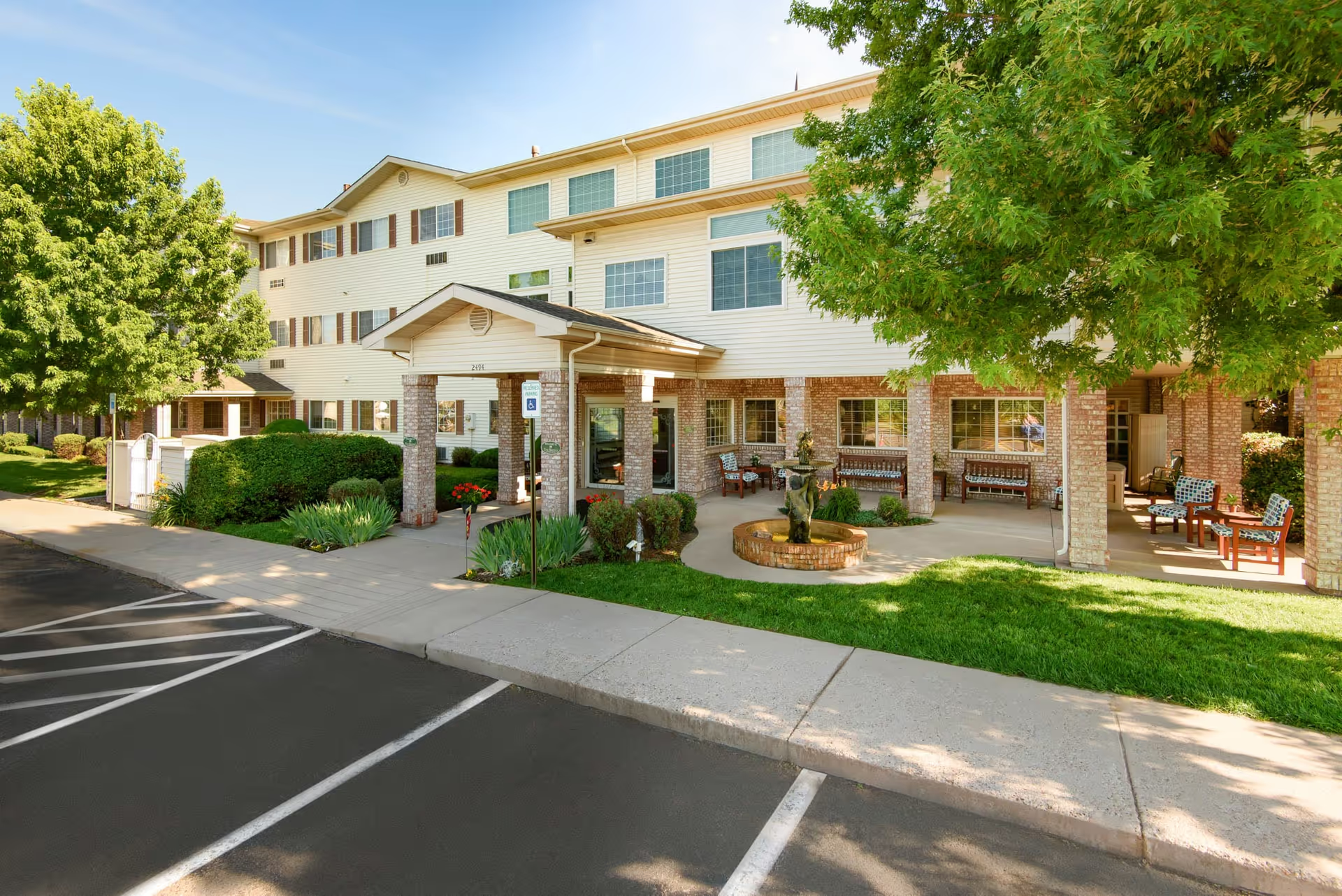
Facility environment and services also vary by unit. Several reviewers praised clean, comfortable spaces, good food, and a bright, welcoming atmosphere; others described dingy rooms, maintenance issues (stuck doors, outdated windows/AC), and sanitation or pest-control concerns in specific areas. Activity programming and social engagement similarly range from robust schedules with varied options to periods where residents spent most of the day in their rooms. Dining opinions range from positive to inconsistent, reinforcing the broader pattern of variability.
Management and administrative themes include perceived inconsistency in leadership, variable responsiveness to complaints, and concerns about property controls and financial practices; some reviewers raised serious allegations regarding missing personal items and financial pressure around placement or billing. There are also accounts of restricted visitation or difficult communication during infection-control events, which some families found inflexible. Notably, reviewers point to differences between buildings within the campus — some units (for example, Parkview in reviewer comments) were described positively while others (for example, Riverwalk) received critical feedback — indicating uneven quality across the facility.
For prospective residents and families: this body of feedback indicates strong capabilities in clinical rehabilitation and compassionate care in parts of the campus, but also operational and consistency risks that warrant targeted due diligence. Recommended inquiries include staffing ratios by shift, pressure-injury prevention protocols, medication-safety procedures, property-safeguarding policies, incident-reporting practices, unit-specific maintenance schedules, and examples of therapy plans and outcomes. A thorough tour of specific units, conversations with unit-level leadership, and direct questions about family communication practices will help clarify whether the facility’s strengths are present in the unit under consideration.