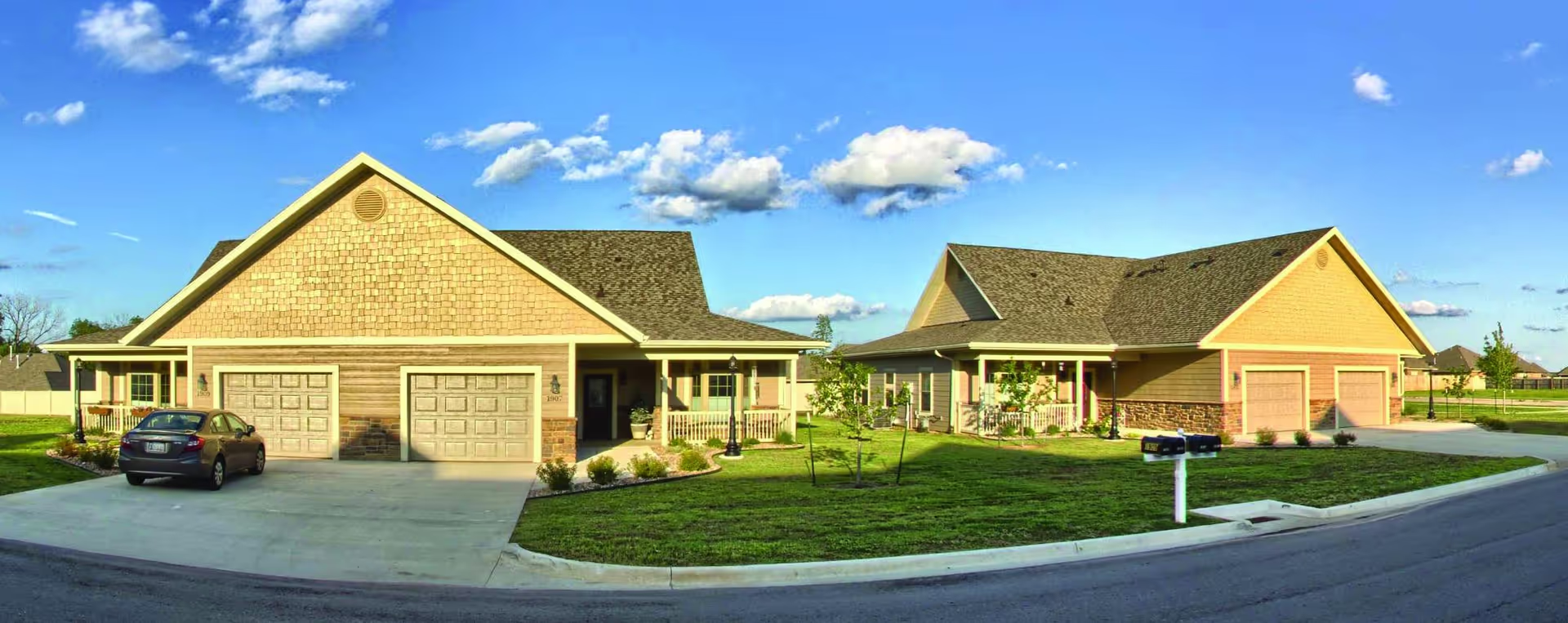
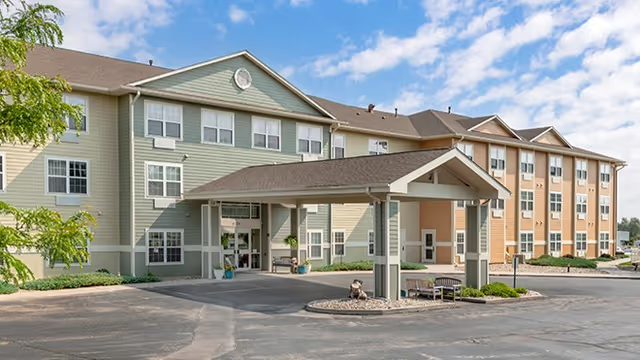
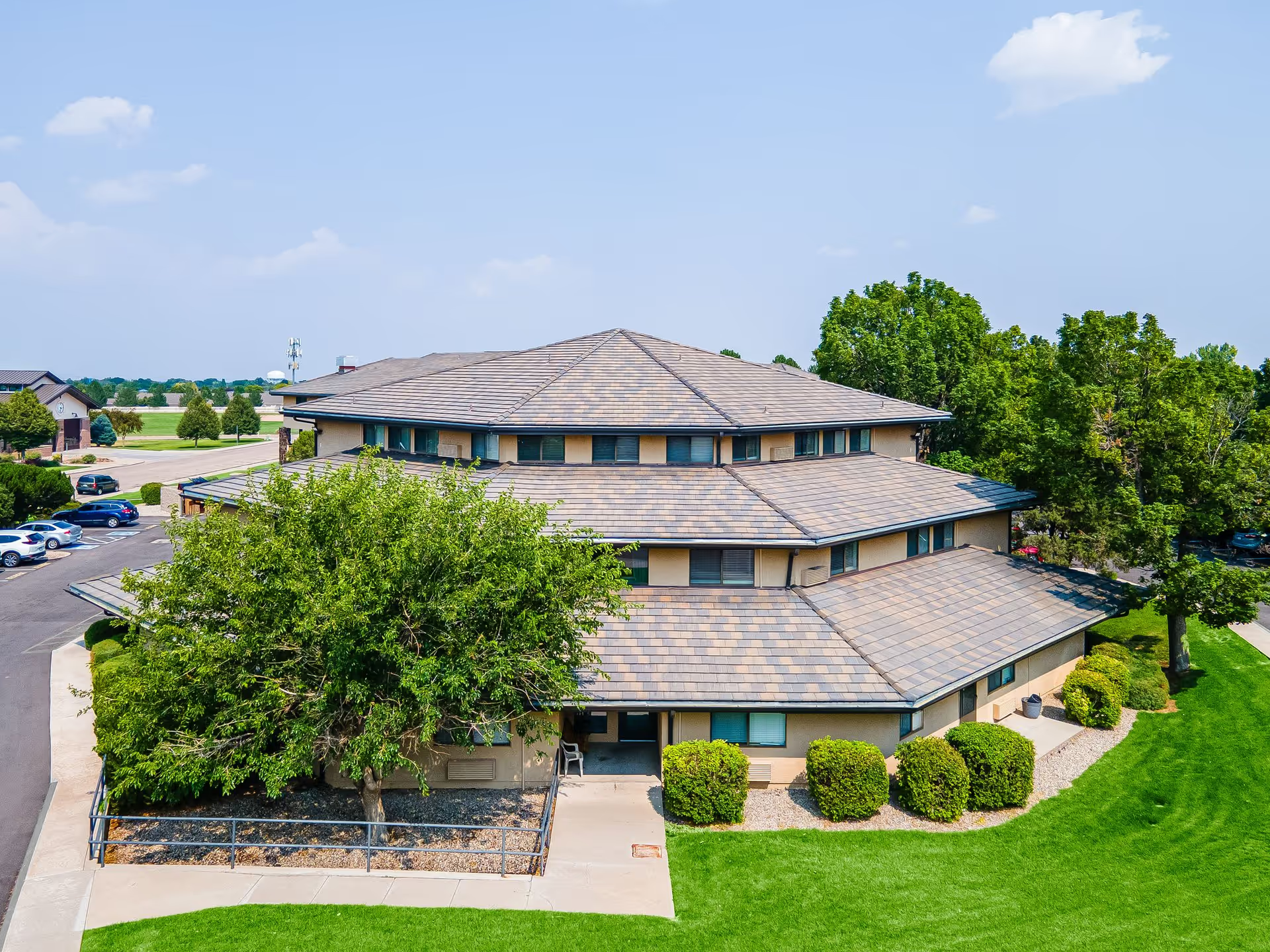
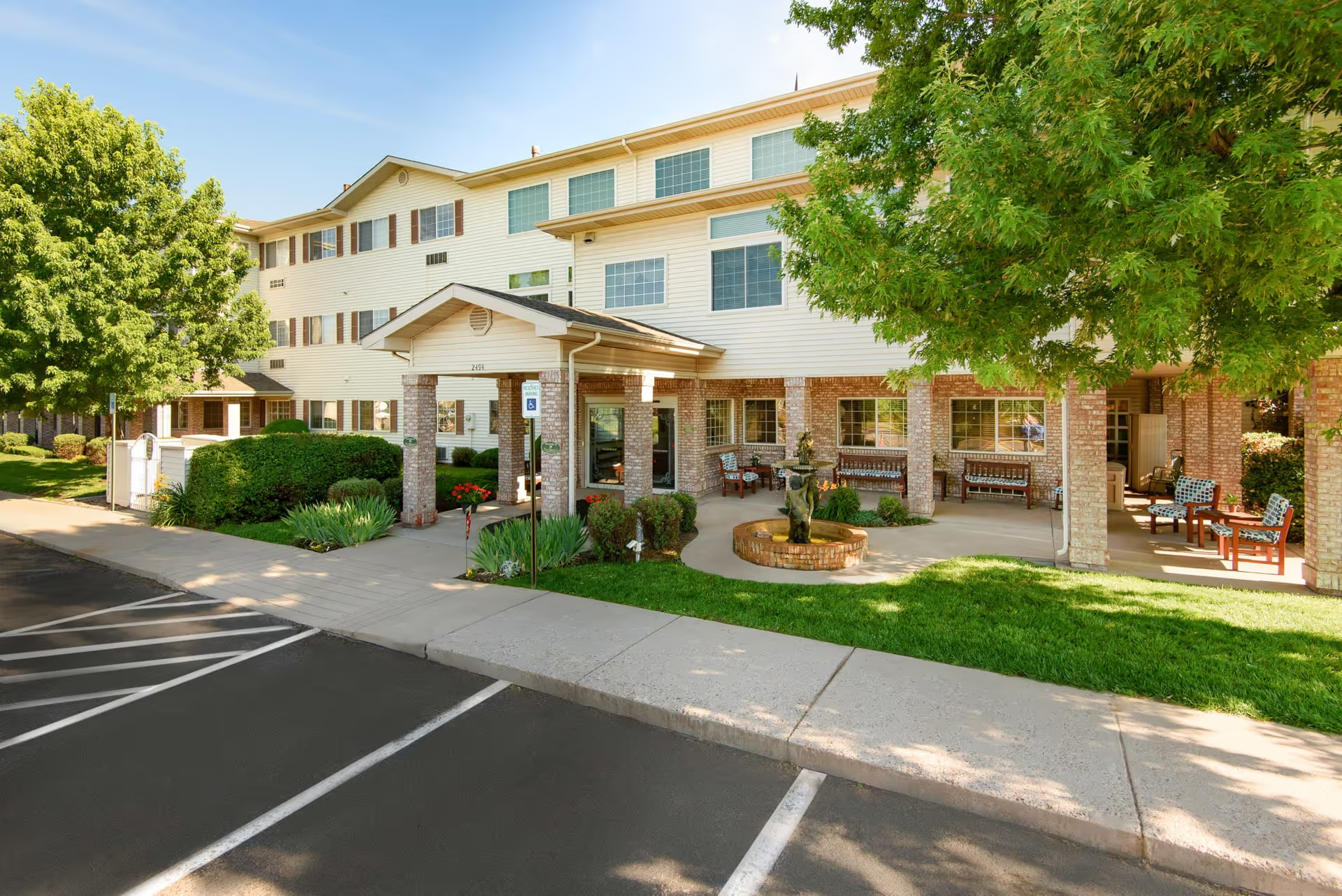
The Center at Park West elicits a strongly mixed set of experiences. Positive accounts emphasize a clean, modern building with private, well‑appointed rooms and a hotel‑like, visitor‑friendly atmosphere. Many families praised attentive CNAs and nurses, responsive maintenance and housekeeping, an engaged activities director, and a robust rehabilitation program (PT/OT) that is well resourced with a large gym. Several comments highlight chef‑driven meal options, nutritious selections, and welcoming common areas; case managers and front‑office staff are often described as proactive and helpful in explaining costs and procedures.
At the same time, a recurring set of operational weaknesses appears across reviews. Staffing levels and shift coverage are inconsistent, producing slow responses to call lights and care requests, especially overnight and on weekends. These coverage gaps are linked to delays in medication administration and occasional dosing errors, variable therapy availability, and interruptions in routine care tasks. Reviewers raised clinical‑quality concerns including lapses in skin‑care oversight and incontinence management that can contribute to pressure‑injury risk and related complications. Safety monitoring and fall‑prevention processes were also called into question in some accounts.
Communication and care coordination are another mixed area. When case managers and therapists are engaged, families describe clear plans and productive rehabilitation. Conversely, other families report confusing discharge procedures, missed or delayed appointments, inconsistent handoffs during transfers, and limited provider availability after hours. Phone responsiveness and internal communication systems were identified as pain points that compound coordination challenges. Some reviews described an operational emphasis on throughput and insurance timetables, which families felt sometimes superseded clinical readiness.
Dining and activities show variability: the facility offers appealing menus and positive dining experiences for many residents, but there are intermittent complaints about meal temperature, missing items, or food quality. Therapy programming and rehabilitation intensity are strengths for residents focused on discharge home, though staffing constraints can limit session frequency or depth for others. Facility upkeep, cleanliness, and aesthetics are consistently reported as strong, with responsive maintenance noted in several accounts.
Taken together, the pattern is one of a well‑equipped, modern skilled‑nursing and rehab environment with many staff who provide compassionate, effective care, offset by recurring systems problems tied to staffing, communication, and some aspects of clinical oversight. Prospective residents and families should weigh the facility’s strong rehabilitation resources, clean environment, and engaged clinical teams against the potential for variable staffing and episodic care‑coordination gaps. When evaluating placement, consider asking specific questions about staffing ratios by shift, night/weekend clinical coverage, skin‑care and pressure‑injury prevention protocols, medication‑administration controls, fall‑prevention measures, and the facility’s approach to discharge planning and after‑hours communication. Family advocacy and clear expectations for communication appeared to improve outcomes in several accounts.