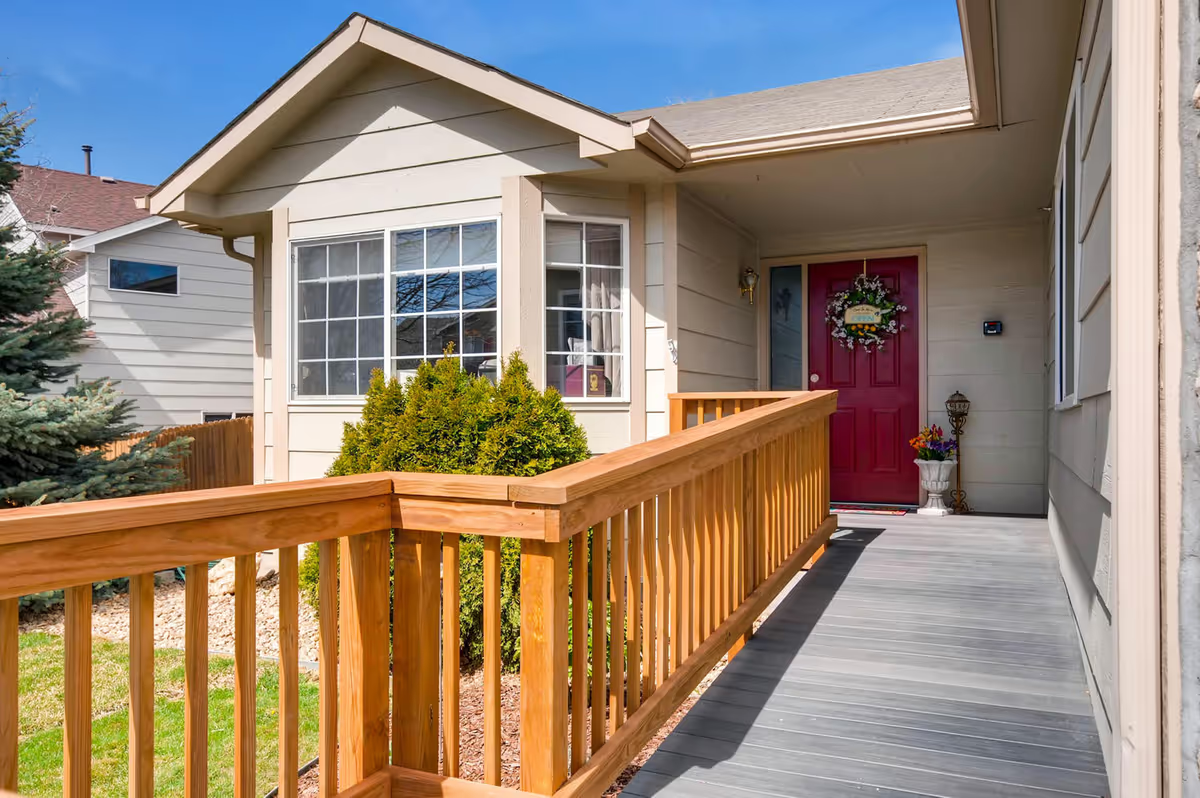
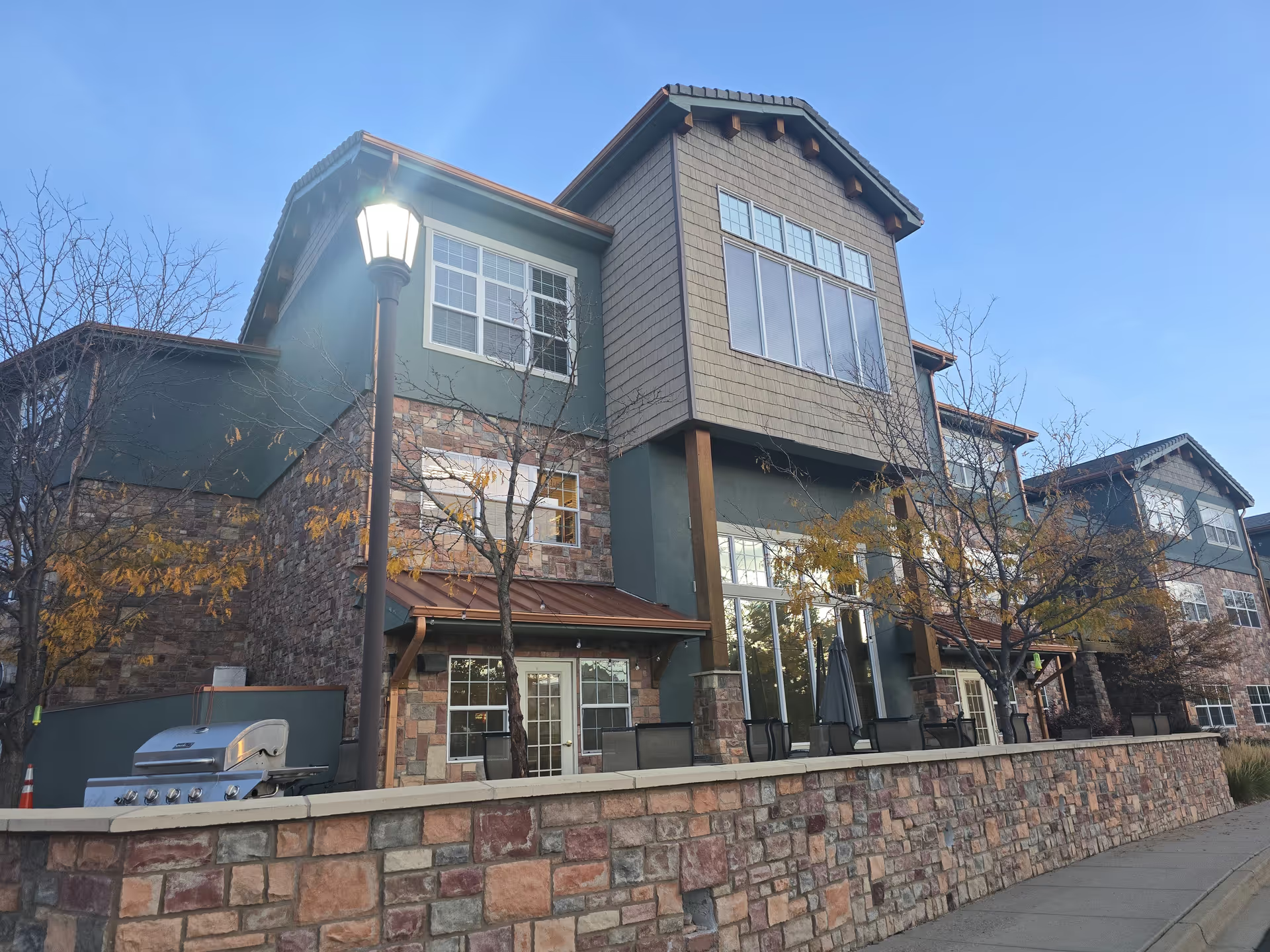
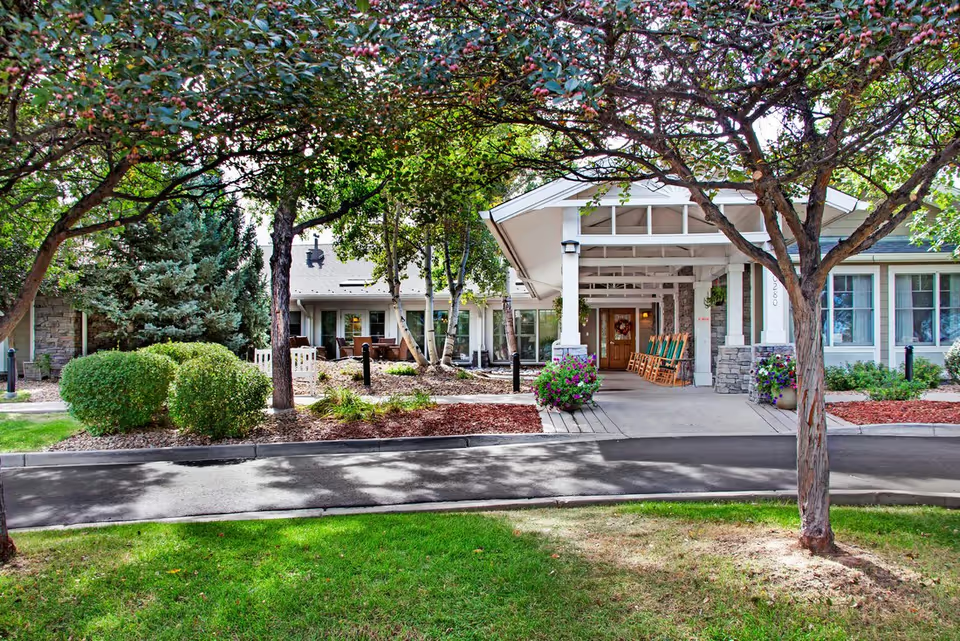
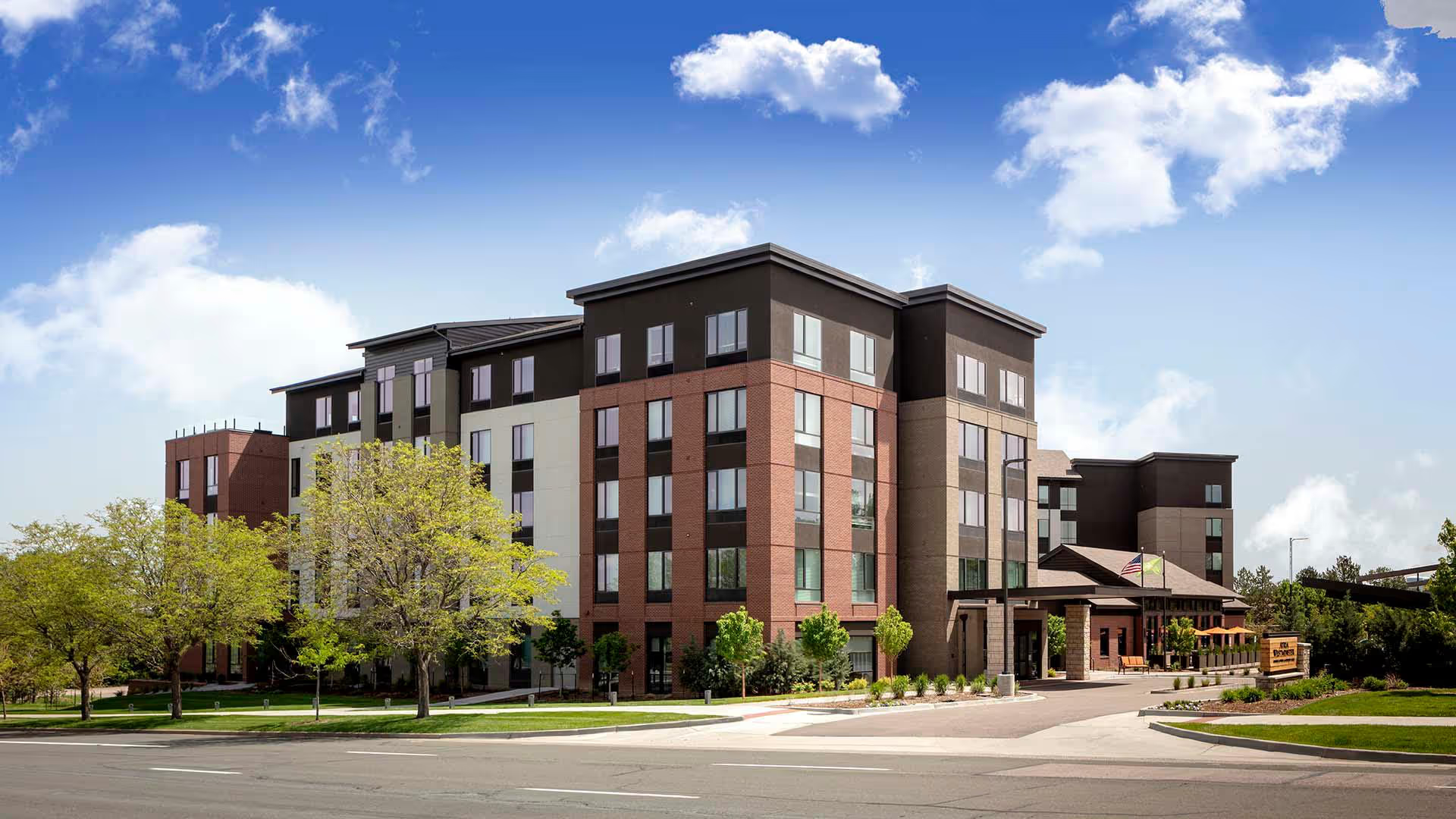
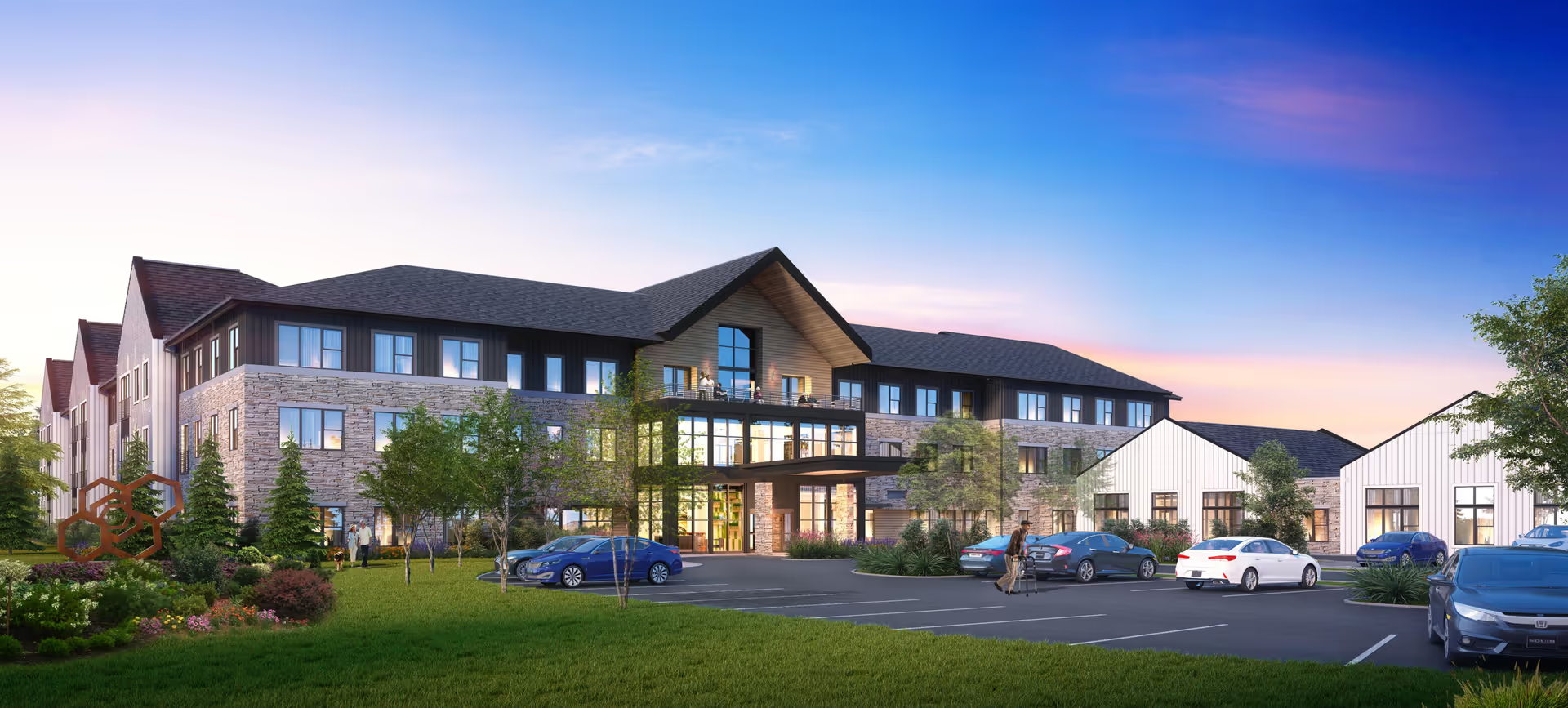
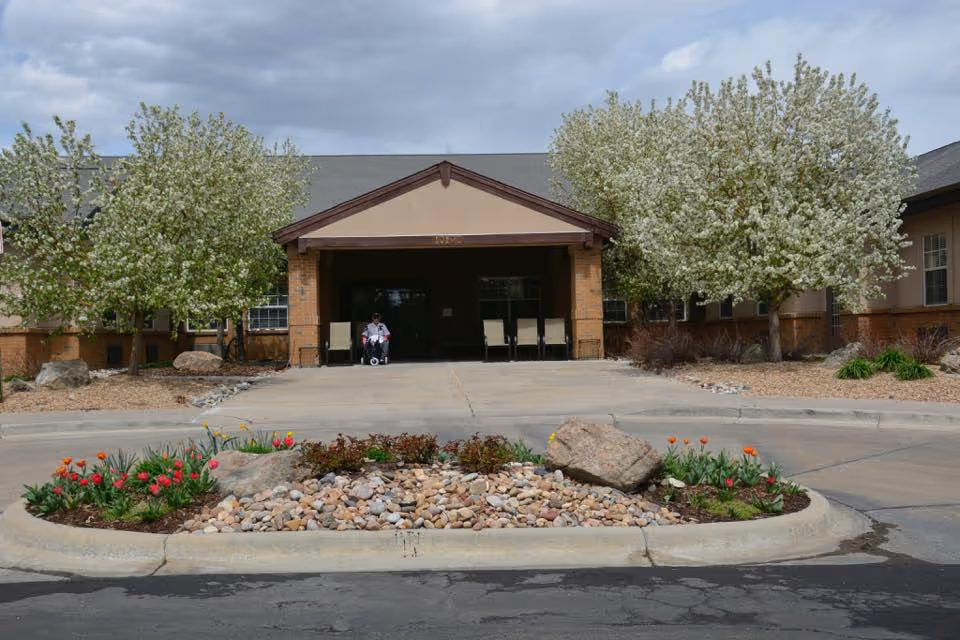
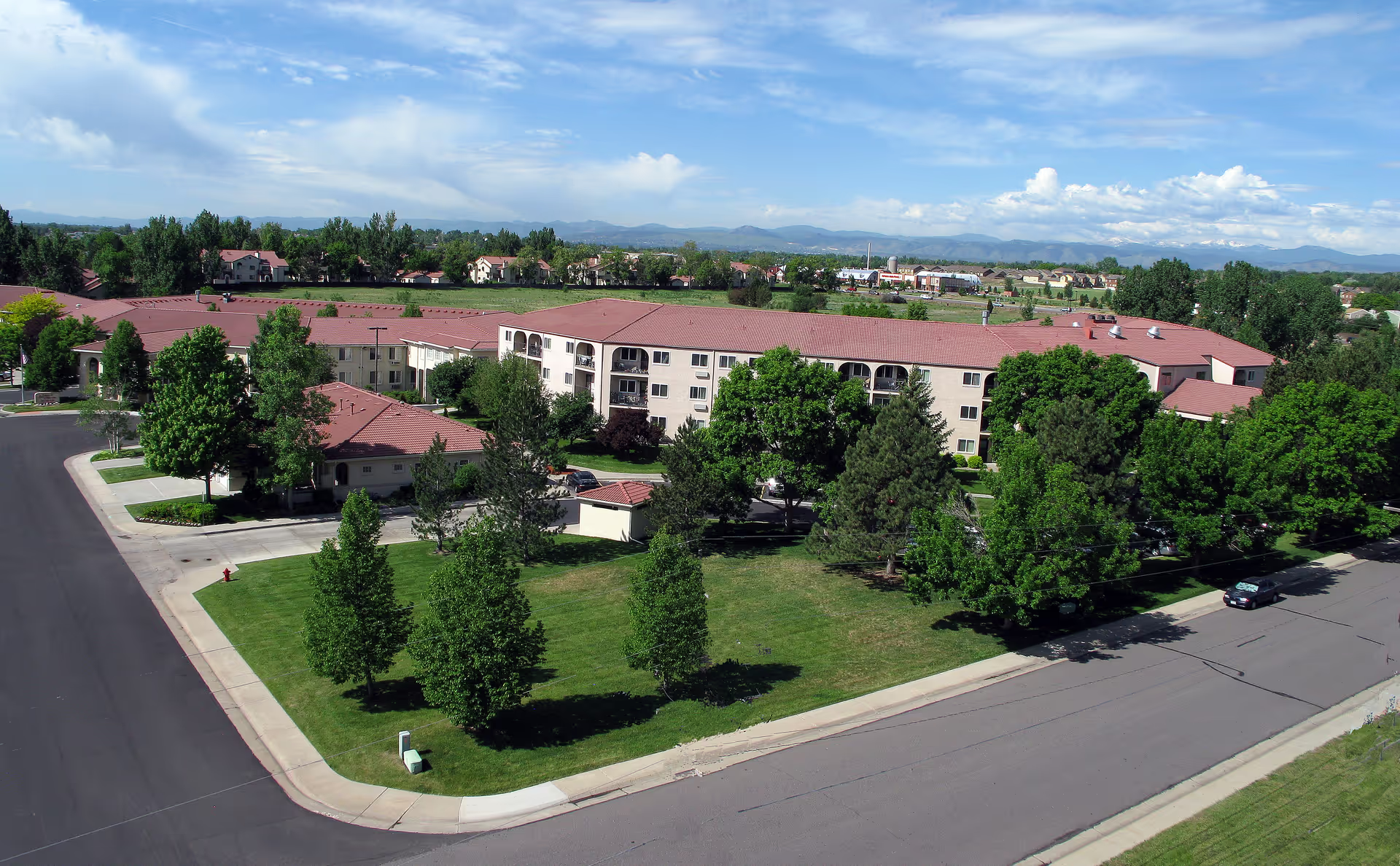
Bonaventure of Thornton presents as a modern, amenity-rich senior living campus with many tangible strengths. The building and apartments are frequently described as new, spacious, and well appointed — units with large floorplans, walk-in closets, sizable bathrooms, and full-size refrigerators are repeatedly noted. The physical campus supports social engagement with a movie theater, bowling lanes, cafe/pub, salon, fitness center, private dining rooms, and multiple activity spaces. Its location and parking are convenient for families, and the layout includes an accessible separate memory-care entrance.
Staff-level feedback is mixed but centers on two distinct patterns. Many comments highlight compassionate, attentive caregivers, positive front-desk interactions, fast maintenance response, and staff who provide personalized attention and meaningful engagement. Named staff and activity leaders receive particular praise. At the same time, a persistent pattern of chronic understaffing and high turnover is a dominant concern. That pattern manifests as inconsistent shift coverage, uneven continuity of caregivers, long response times, and gaps in night and memory-care supervision. Prospective families should assess current staffing ratios, turnover metrics, and night-shift coverage when evaluating clinical reliability.
Dining and housekeeping show uneven performance. The facility offers multiple dining venues and social meals, and some residents describe good, varied food and lively dining rooms. However, frequent chef turnover and kitchen staffing challenges have produced inconsistent meal quality, repetitive menus, slow service, and incidents of cold or overcooked meals. Housekeeping and laundry service are another recurrent weakness: reviewers describe irregular schedules, missed cleanings, and laundry left unattended. These operational inconsistencies can affect daily comfort and perceived value.
Activities and community life are strengths when programming is staffed and supported. The facility delivers a wide range of offerings — live music, clubs, games, bus excursions, and monthly socials — and many residents report improved well-being and social connection. Conversely, the activity schedule can be unreliable when coordinator roles are vacant or understaffed; some amenities and excursions have been canceled or reduced. Ask about the current activity leadership, weekly schedules, and contingency plans for cancellations.
Management and administrative issues are another recurring theme. Reviewers cite frequent leadership changes, lapses in communication with families, fee and billing disputes (including questions about community charges and rent increases), and promises made at move-in that were not consistently fulfilled. A small number of reviews describe serious clinical-event concerns and allegations of poor follow-through; these should prompt specific questions about resident monitoring protocols, escalation procedures, medication management systems, and incident-reporting practices during tours.
Overall, Bonaventure of Thornton offers an attractive physical environment and robust amenity set that many residents and families enjoy. The facility’s primary operational risks center on staffing stability, consistent clinical oversight, and reliable dining and housekeeping services. Prospective residents and families should perform focused due diligence: visit at different times of day (including evenings and mealtimes), ask for current staffing ratios and turnover data, review recent care-audit or inspection summaries, clarify billing and fee structures, and request sample activity and dining schedules. Those measures will help determine whether the current operational performance matches the facility’s strong physical and community attributes.