San Marino Retirement Community–Assisted Living presents a mixed but instructive profile for prospective residents and families. Many accounts describe a small, community-oriented environment with well-kept grounds, indoor aquaria and aviaries, and a pleasant lobby and dining area. The facility offers multiple housing options (studios, one- and two-bedroom units), in-room kitchenettes, a salon, laundry and housekeeping services, and organized activities and outings that contribute to an engaged social atmosphere. Several families cited timely medication dispensing and on-site support services that provide a sense of daily structure and peace of mind.
Care and staff performance elicit a range of perspectives. Numerous reviews praise compassionate aides, attentive nurses, and an engaged nursing director; residents and families attribute positive outcomes to individual staff members who are responsive and personable. Counterbalancing this, other accounts point to understaffing, high workloads, and inconsistent clinical competency, creating variability in day-to-day care. Language-proficiency gaps among some staff members and intermittent delays in administrative responsiveness were also noted as operational issues that can affect communication with families and the quality of supervision.
Dining and activities are frequently mentioned as strengths: an orderly dining room, meal choices (dine-in or in-room), visible food-service routines, and regular programming such as bingo, speakers, themed events, and excursions. That said, there is variability in perceptions of food quality and service; a number of families described inconsistency in meal satisfaction and server communication. Activities are well organized at times, but continuity of resident engagement has been uneven according to some accounts.
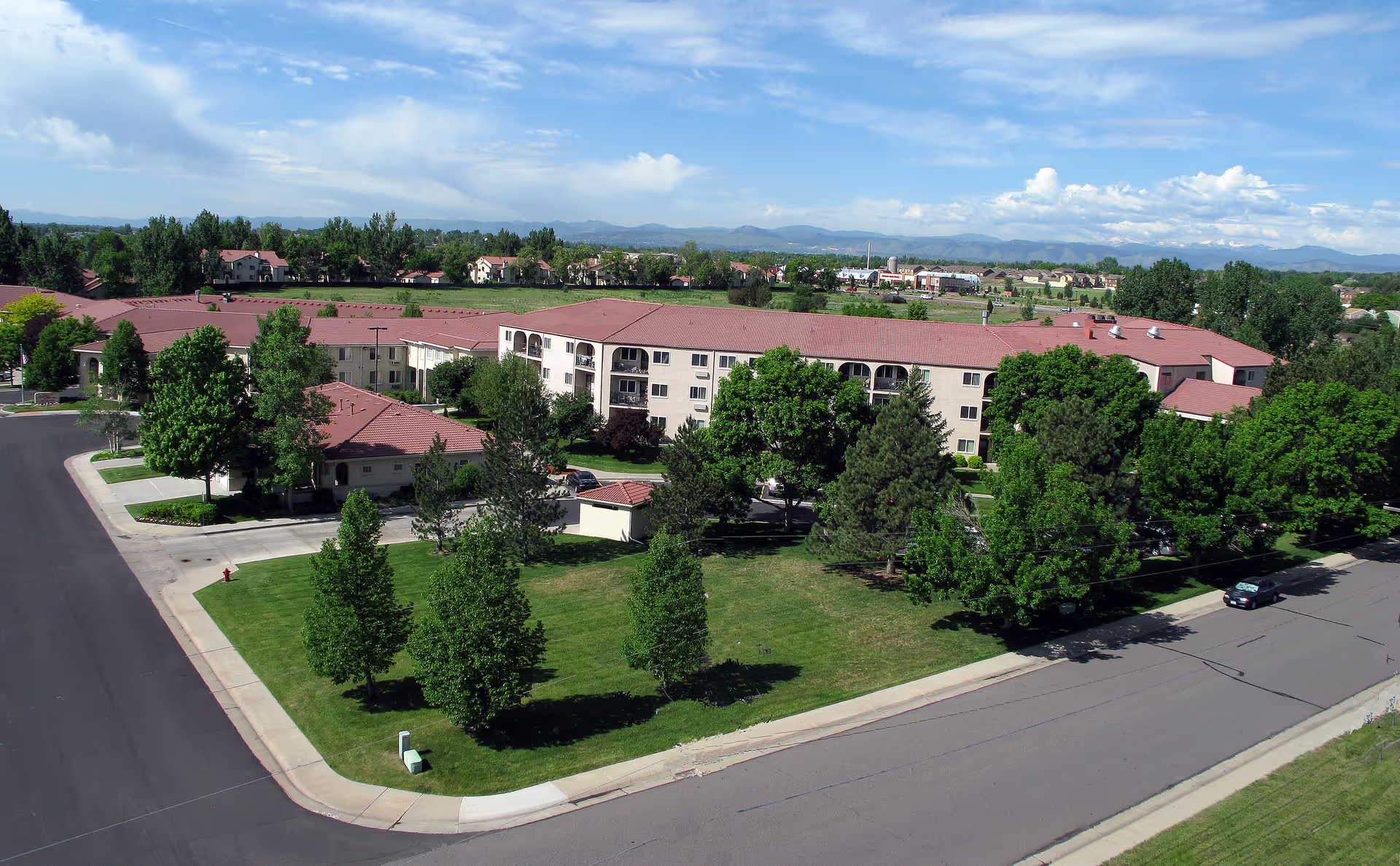
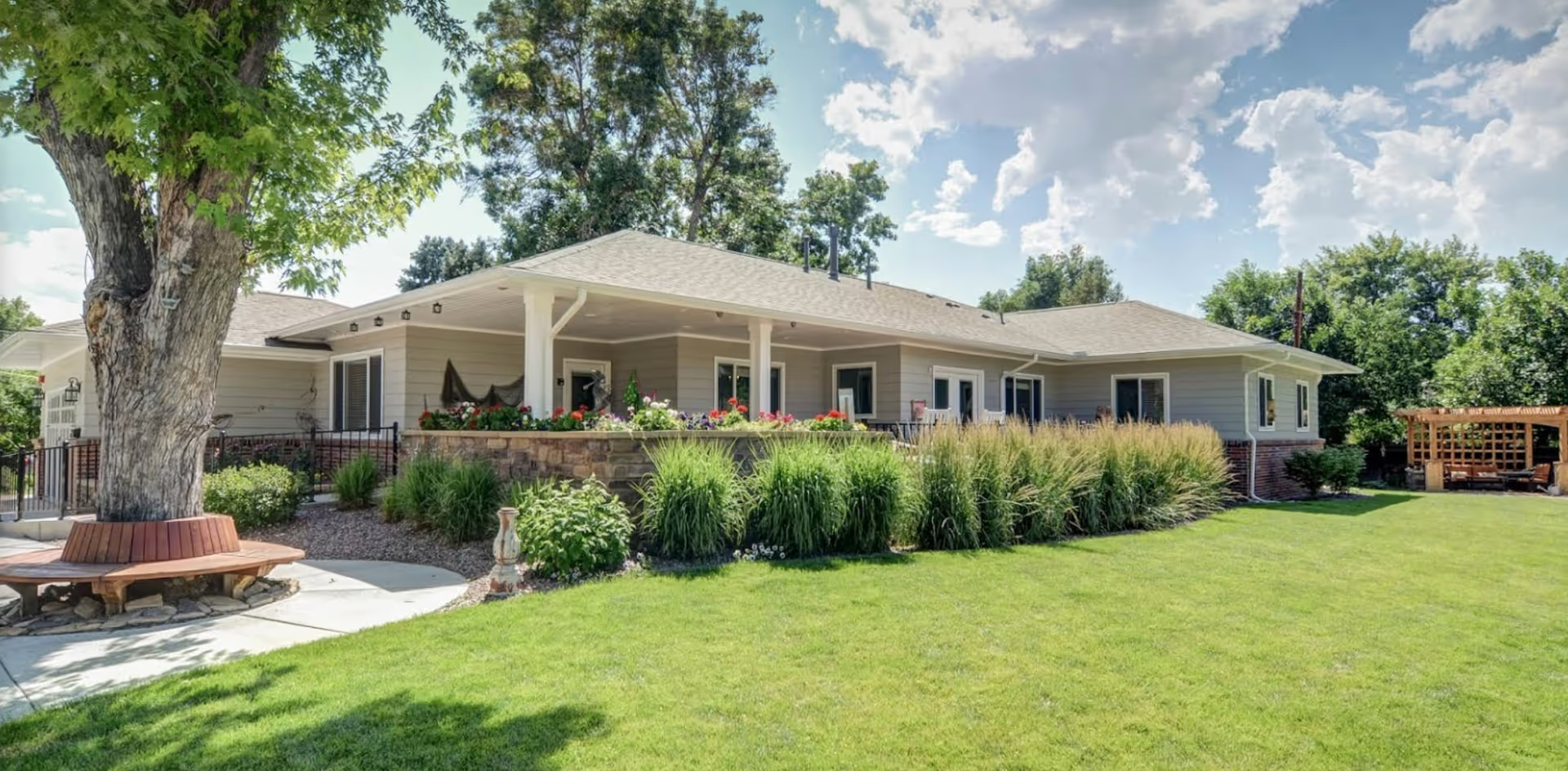
The physical plant combines an older, characterful adobe exterior and intimate common areas with areas that appear to require ongoing maintenance. Reviewers commonly note attractive gardens and easy parking, but also express that some rooms are smaller and that there is limited on-site exercise equipment or a gym. These facility-level features may suit residents seeking a smaller, garden-focused community but may be less appropriate for those who need larger living spaces or robust physical therapy and fitness amenities.
Management and policy-level patterns are a prominent theme. Several comments reference a change in ownership and a perception of diminished responsiveness or corporate-level decision-making. Concerns raised include inconsistent follow-through by administrators, difficult-to-understand staff interactions, and lease or placement practices perceived as abrupt or destabilizing for residents and families. Transportation practices and escorting procedures were also flagged for review. Together, these patterns suggest that operational transparency—especially around staffing levels, language capacity, transportation protocols, and lease/placement policies—warrants careful inquiry by prospective families.
In summary, San Marino offers many tangible strengths: attentive individual caregivers, attractive outdoor spaces, varied activities, and practical in-room amenities at what many view as good value. However, the facility also displays operational variability that affects care continuity for some residents: understaffing, communication gaps, language barriers, maintenance needs, and questions around placement stability. Prospective residents and families should conduct focused on-site assessments—observe mealtime and medication routines, verify current staffing and language capabilities, review lease terms and discharge policies, and ask about transportation procedures—to determine whether the facility’s strengths align with the resident’s clinical and social needs.