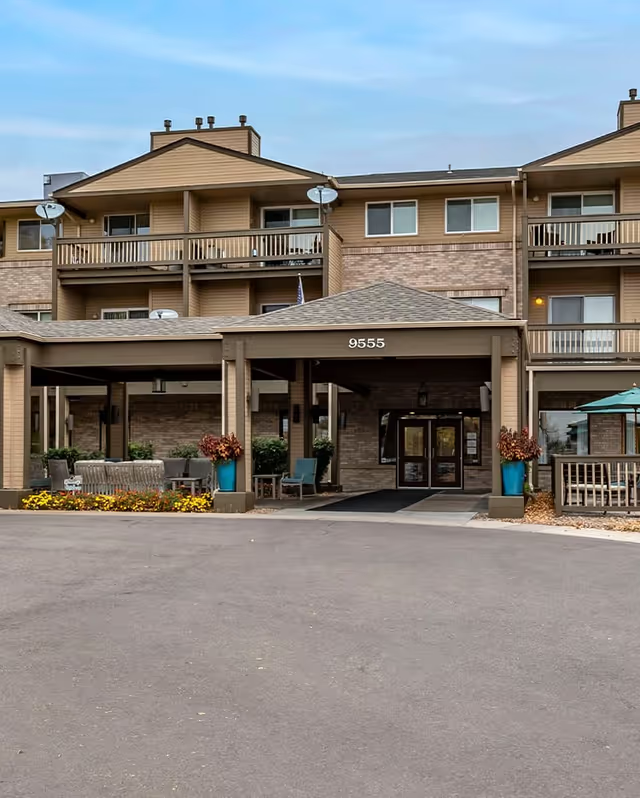
The reviews for Lakeside Post Acute present a highly polarized picture: many families and some former residents describe compassionate, skilled caregivers and strong rehabilitative services, while other accounts raise serious operational concerns. Positive feedback centers on individual clinicians and therapy teams who are described as attentive, effective in PT/OT and wound care, and capable of facilitating recovery and return to home. Several reviews specifically highlight engaging activity programming (painting, pottery), meaningful social connections between residents and staff, and episodes of clear, responsive advocacy by diligent employees.
Conversely, a substantial portion of the feedback identifies persistent facility-level weaknesses. Staffing consistency is a recurrent theme — reviewers describe high turnover, use of agency personnel, and periods of understaffing that are associated with long waits for assistance, delayed medication administration, and gaps in incontinence care and room checks. Related safety concerns include rooming arrangements and equipment shortcomings (for example, shared bathrooms and missing bed rails) that reviewers felt compromised privacy and resident safety. Multiple reports point to failures in building systems and emergency readiness, including unreliable heating and air conditioning and a lack of backup power during outages.
Dining and clinical-support services show mixed performance. While some families praised therapeutic clinical care, others reported inconsistent or insufficient accommodations for prescribed diets (diabetic or cardiac), and complaints about food quality and cost-cutting measures (prepackaged items, reduced snacks) were frequent. Medication administration and general clinical follow-through were an area of concern for many reviewers, who cited delayed doses, occasional shortages, or failures to follow physician orders.
Management and culture are another point of division. Some reviews note positive leadership changes, improved morale, and a resident-focused team approach; others describe weak leadership, poor communication, slow or inadequate follow-up on complaints, and a workplace climate that contributes to staff turnover. There are also serious allegations of staff misconduct and at least one mention of regulatory attention; these raise risks that prospective families will want to verify through inspection reports or licensing records. Finally, hygiene, sanitation, and security procedures were inconsistent across accounts: while the facility received praise for strict COVID-era screening in some instances, other reviewers described sanitation and incontinence-care concerns, unexpected searches or police involvement, and restrictive or poorly communicated visitation practices.
Recommendation: Prospective residents and families should seek up-to-date, third-party quality indicators (state inspection reports, incident histories, staffing ratios) and arrange an in-person visit focused on current staffing levels, dining accommodations for therapeutic diets, HVAC and emergency power readiness, medication-administration protocols, and opportunities to meet therapy and nursing staff. Given the divergence in experiences, direct verification of recent management changes and resolution of any outstanding regulatory items is advisable before placement.