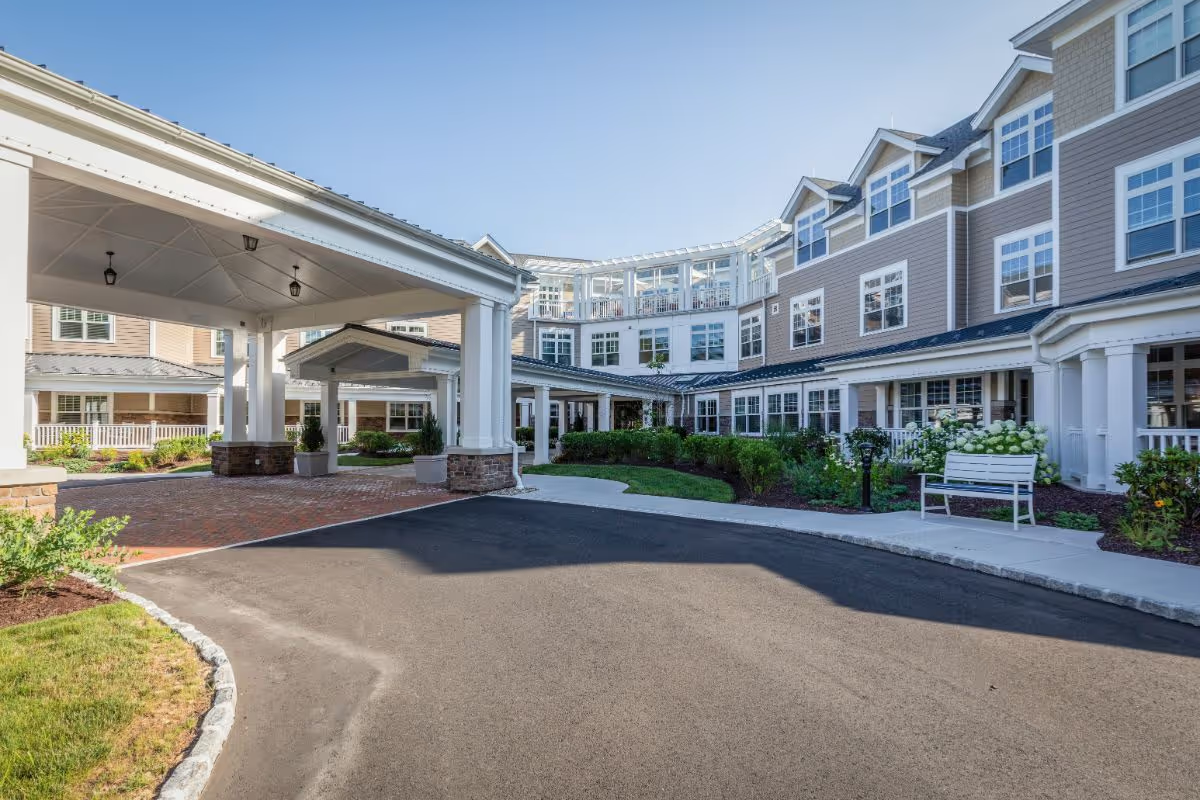
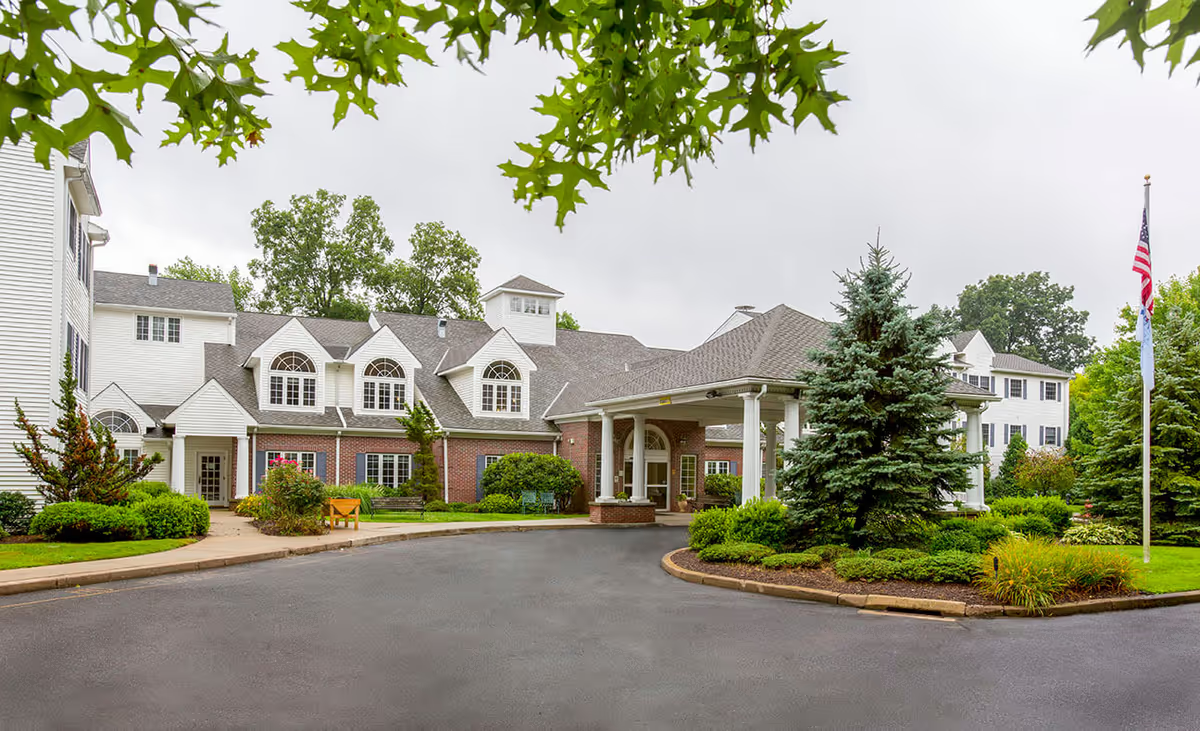
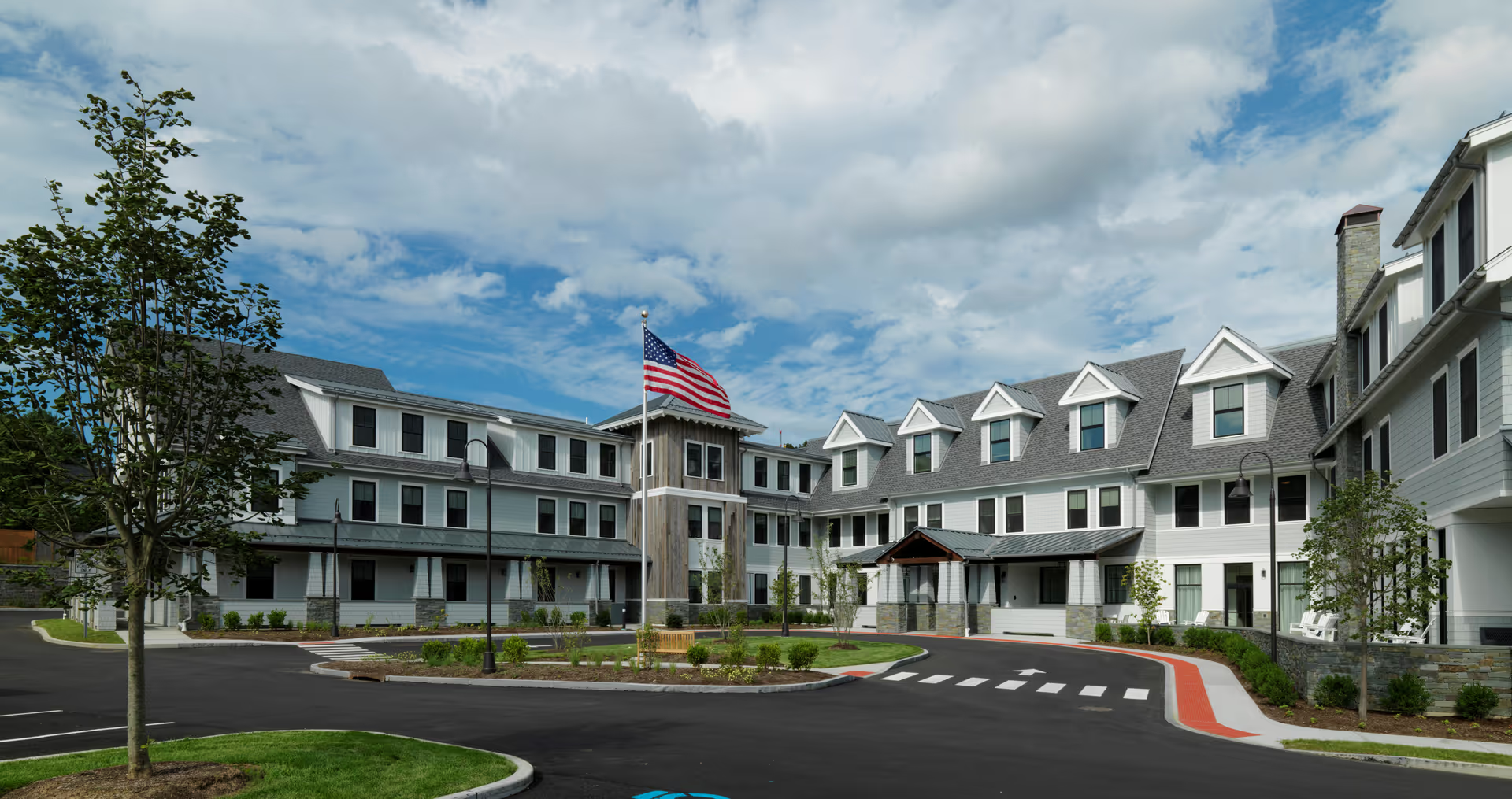
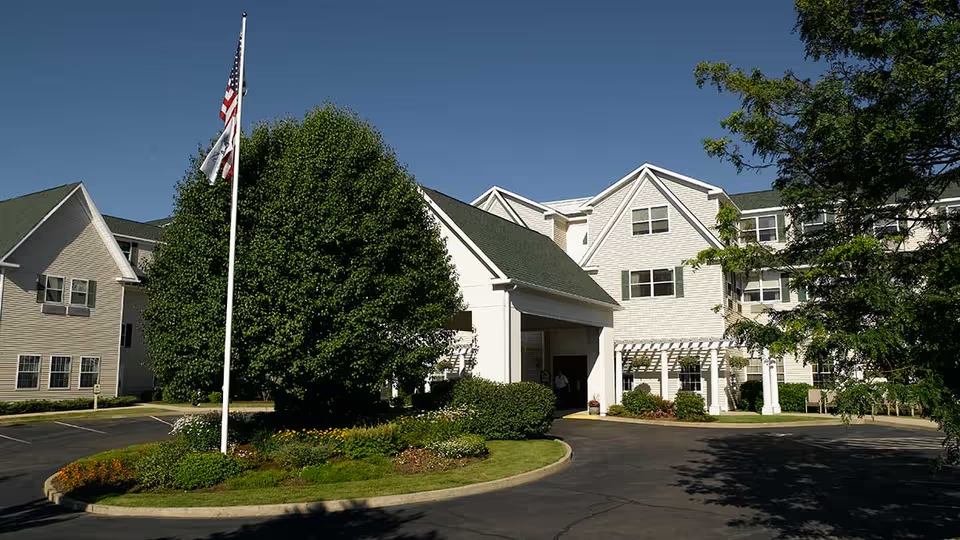
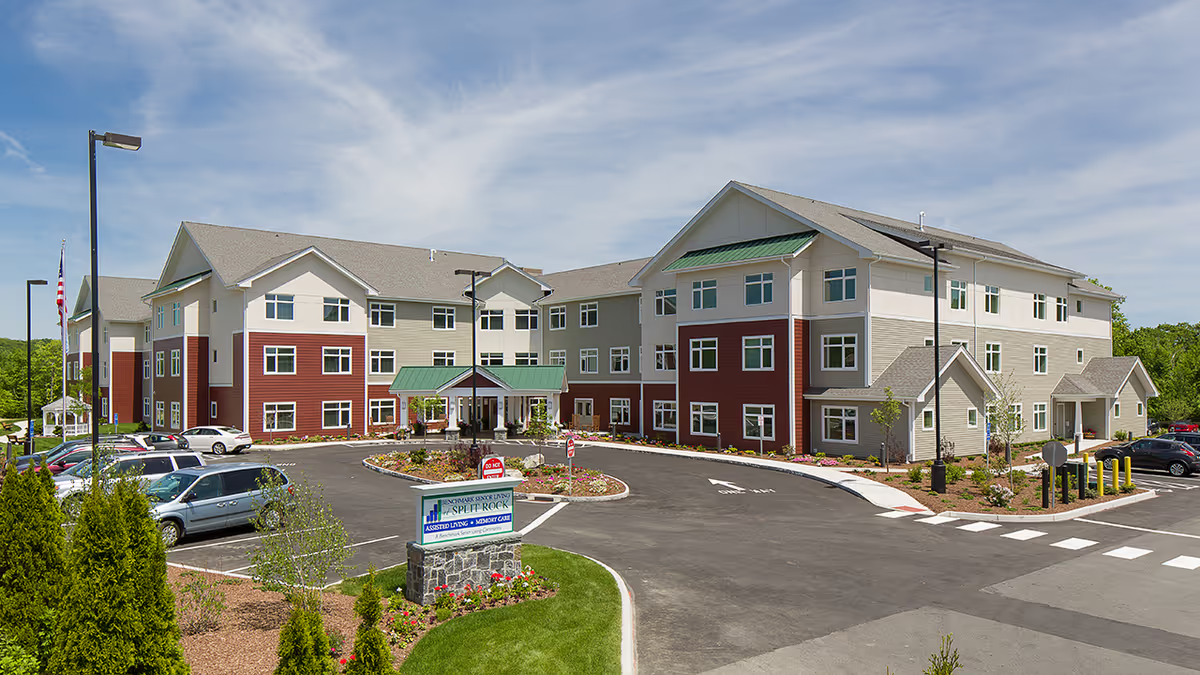
Overall impression: 3030 Park (Watermark) is consistently described as a well-appointed, hospitality-focused continuing care retirement community with strong amenity offerings and a welcoming culture. Reviewers highlight attractive physical assets — landscaped grounds, accessible walking paths, a well-regarded indoor pool, fitness spaces, and spacious renovated apartments — and a broad slate of social, cultural, educational, and fitness programming that contributes to active resident life.
Staff and care quality: Many families and residents emphasize compassionate, relationship-oriented staff who learn residents' names and personal histories, and who provide personalized move-in support and ongoing assistance. Short-term rehabilitation and skilled nursing received positive descriptions in multiple accounts, and front-desk and community-coordinator roles are frequently noted for effective onboarding and logistical support. At the same time, there is a clear pattern of clinical concerns for residents requiring higher-acuity care. Several accounts cite medication-administration issues and other lapses in clinical follow-through; these reports point to gaps in medication management and inconsistent clinical oversight, particularly in assisted- or memory-care settings. Staffing instability and turnover are recurring themes that reviewers associate with variable responsiveness to care needs.
Dining and activities: Dining is a widely cited strength: reviewers describe varied menus, themed meals, and consistently positive food quality. The activities program is broad and well-executed, including exercise classes, lectures, chorus/concerts, outings, and spiritual services. Residents commonly praise instructors and the variety of options available for physical, intellectual, and social engagement.
Facilities and operations: The facility's physical plant is described as attractive, clean, and well-maintained, with specific praise for apartment finishes, housekeeping, and timely maintenance responses. Move-in services, including staging, movers, and concierge-style assistance (e.g., technology setup), are repeatedly highlighted as smoothing the transition. Conversely, operational weaknesses emerge around billing and administration: non-itemized invoices and billing errors are noted and present an ongoing frustration for some families. Reviewers also point to limited digital communication for event reminders and occasional contingency gaps during infrastructure events, which suggests room for improvement in operational resilience and modernized resident communication.
Management and patterns to consider: Leadership and many mid-level staff receive favorable comments for culture-setting and responsiveness, and several reviewers specifically commend management for handling difficult situations with minimal resident discomfort. However, the pattern of staffing shortages, turnover, and inconsistent clinical oversight indicates that prospective residents who anticipate higher-acuity needs should perform targeted due diligence: ask for specifics about medication-safety protocols, staffing ratios in assisted and memory-care areas, turnover statistics, and examples of clinical oversight and accountability. Additionally, clarify billing practices and request sample, itemized invoices if financial transparency is important.
Who this fits best: Based on the balance of feedback, 3030 Park appears to be an excellent fit for independent-living residents who prioritize amenities, social programming, and a concierge-style move-in experience. Families seeking robust rehabilitation services also report positive experiences. Prospective residents and families seeking assisted living or memory care should weigh the community's strengths against the noted patterns in clinical consistency, medication management, staffing stability, and billing transparency before deciding.