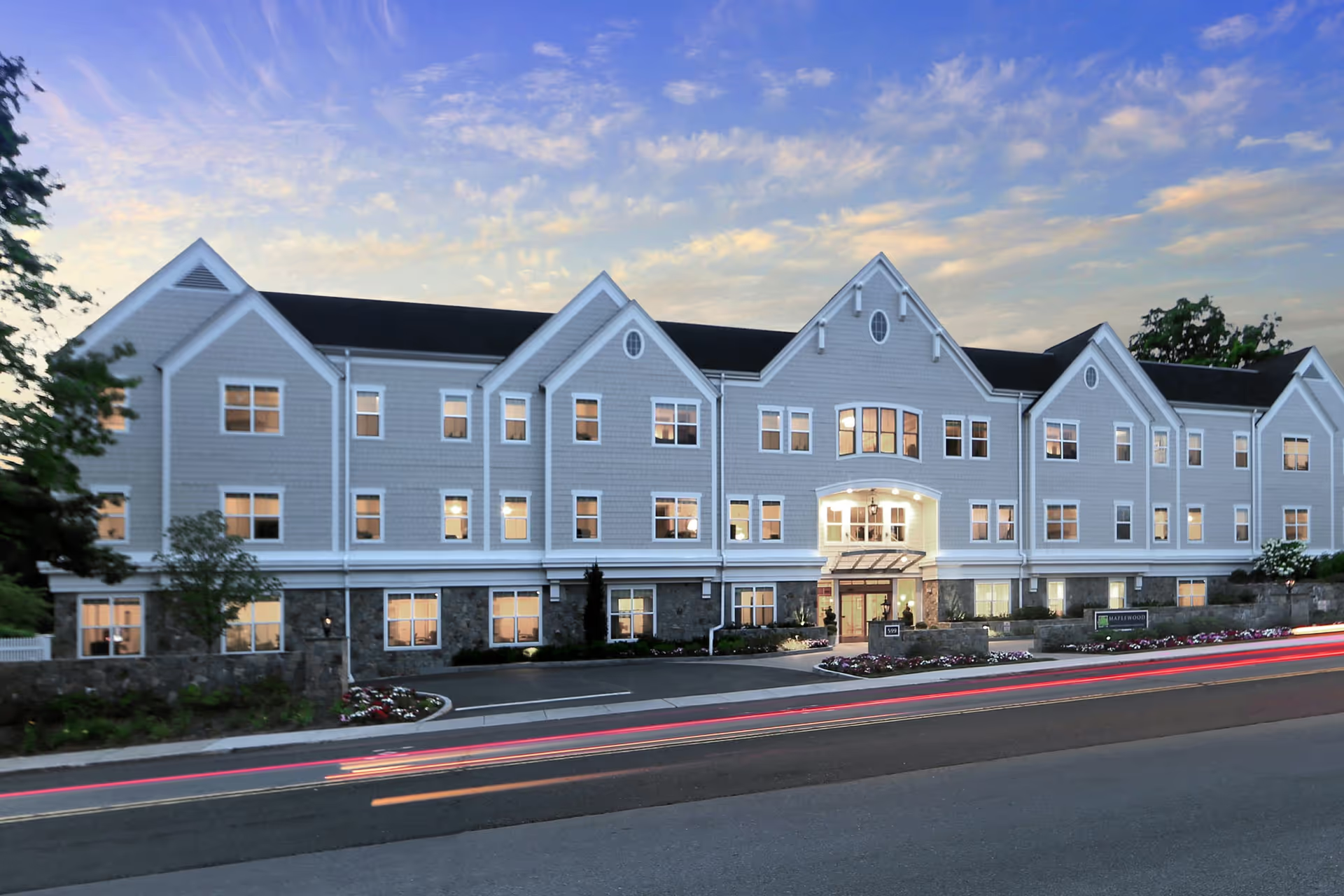
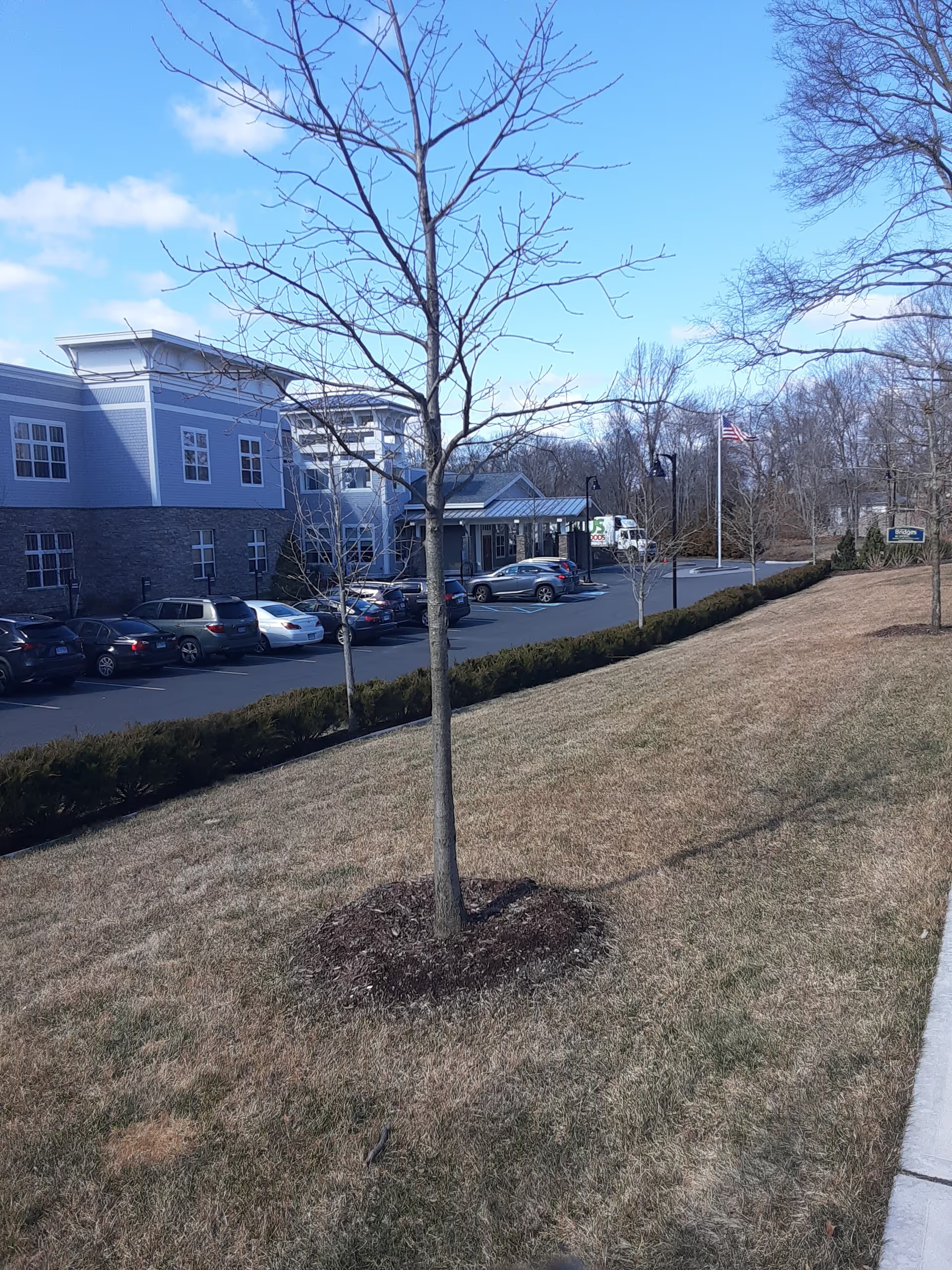
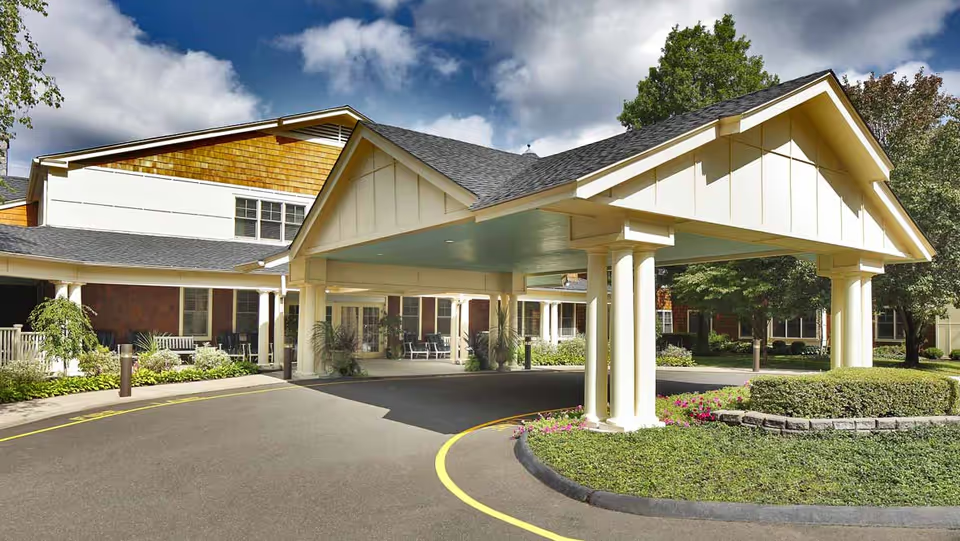
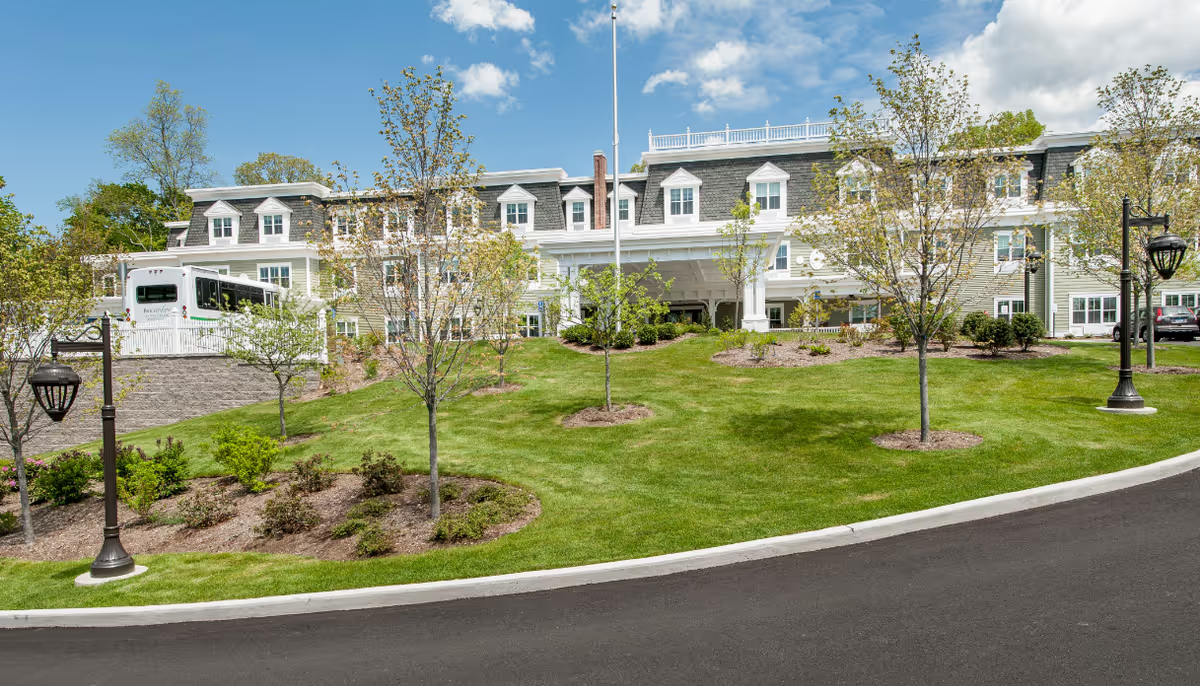
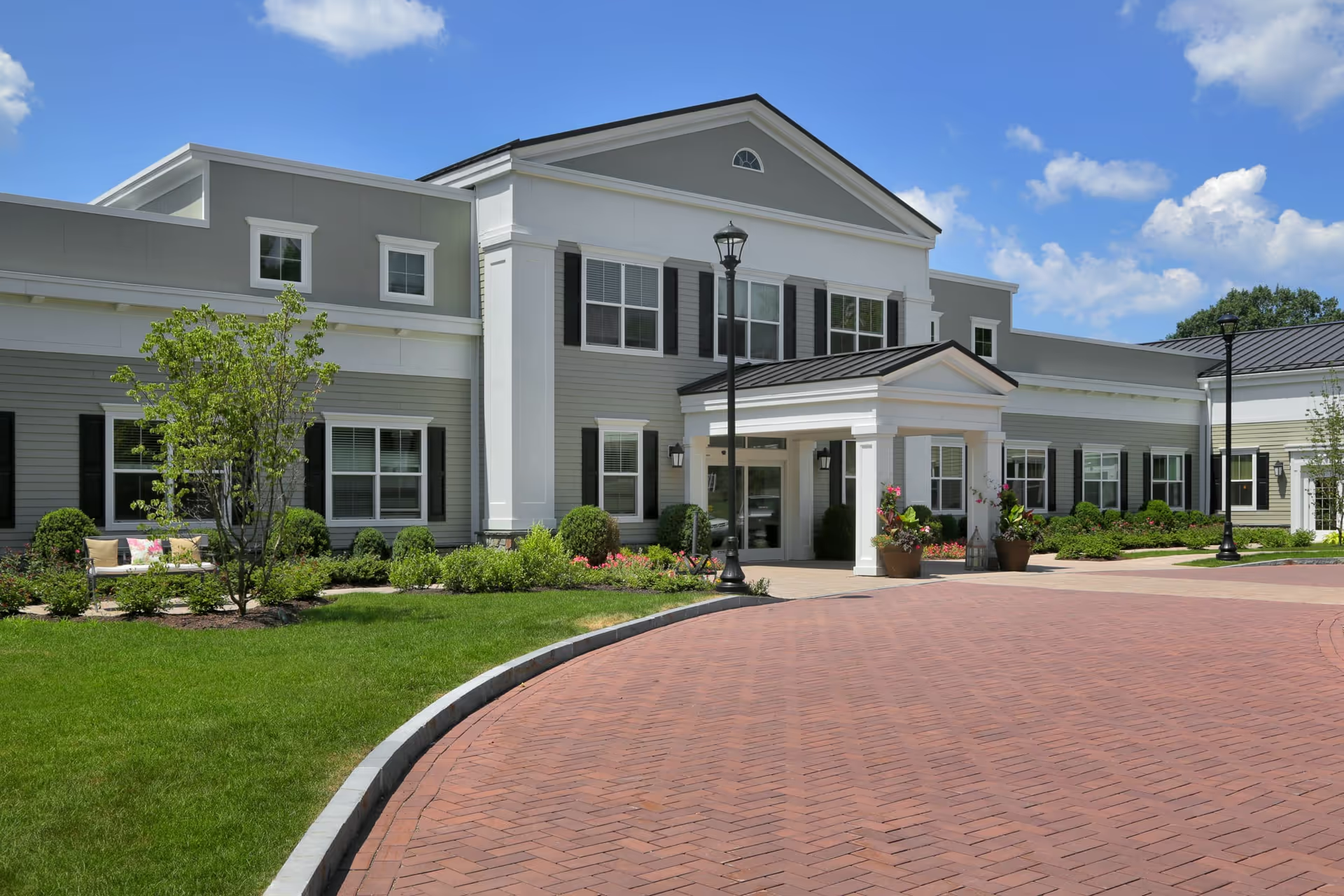
The Residence at Selleck's Woods presents as a modern, upscale senior living community with many strengths in physical environment, dining, and social programming. Reviewers consistently describe a resort-like, well-appointed building with spacious, bright apartments and small kitchenettes. Dining is frequently singled out as a major asset: a chef-driven, multi-course approach, attentive dining-room leadership, flexible meal options and allergy-aware preparation contribute to a strong food-service reputation. On-site wellness services (primary care, dental, podiatry, PT/OT), salon and recreational amenities (exercise room, billiards, gameroom, movie theater), plus outdoor terrace and garden spaces support an engaging lifestyle for many residents.
Staff and community culture are often praised for warmth and responsiveness. Families note compassionate frontline caregivers, helpful operations staff who facilitate move-in transitions, and activity directors who organize a variety of events—including live music, art and music therapy, excursions and educational lectures—that contribute to a social, family-like atmosphere. Several reviewers also reported good responsiveness from specific managers and leaders, and highlighted 24-hour support and safety-minded actions during weather events.
At the same time, multiple operational concerns emerge across accounts and point to variability in care and management. Staffing reliability and supervision appear inconsistent: examples include punctuality issues, personal device use during shifts, and accounts suggesting inadequate training or oversight. These translate into gaps in day-to-day caregiving consistency and in some cases to delayed attention to residents’ personal-care needs. Related clinical concerns include medication-management and oversight deficiencies—families described timing errors and questions about medication choices for cognitively impaired residents—along with uneven overnight clinical coverage and limitations in clinical escalation and care planning.
Housekeeping and sanitation practices are uneven according to reviews, and there are accessibility limitations: the community appears to have relatively few wheelchair-equipped units and some accessibility modifications cited as incomplete. Several families experienced difficulties when residents’ care needs increased; this points to limited capacity to fully support higher-acuity or advanced memory-care needs in place and to gaps in the community’s aging-in-place pathway. Communication and transparency are recurring themes: reviewers noted unclear advance notice about care-level changes and extra fees, billing and deposit concerns, and coordination problems with third-party caregivers. A small number of accounts described serious escalation events (eviction threats, police involvement, hospitalization after transitions), which readers should regard as isolated but significant indicators of potential conflict-resolution and family-communication weaknesses.
For prospective residents and families: the Residence offers strong hospitality, dining and social programming in a new, attractive facility, and many families report positive transitions and daily life. At the same time, prospective move-ins should verify clinical staffing patterns (including overnight RN coverage), clarify the community’s capacity and formal policies for aging in place and memory care, request written care-plan and escalation procedures, confirm accessibility accommodations, and review billing/fee and housekeeping protocols. Asking for recent examples of how the community handled clinical incidents, medication administration, and coordination with outside caregivers can help set expectations and identify whether the facility’s operational practices match a family’s specific care needs.