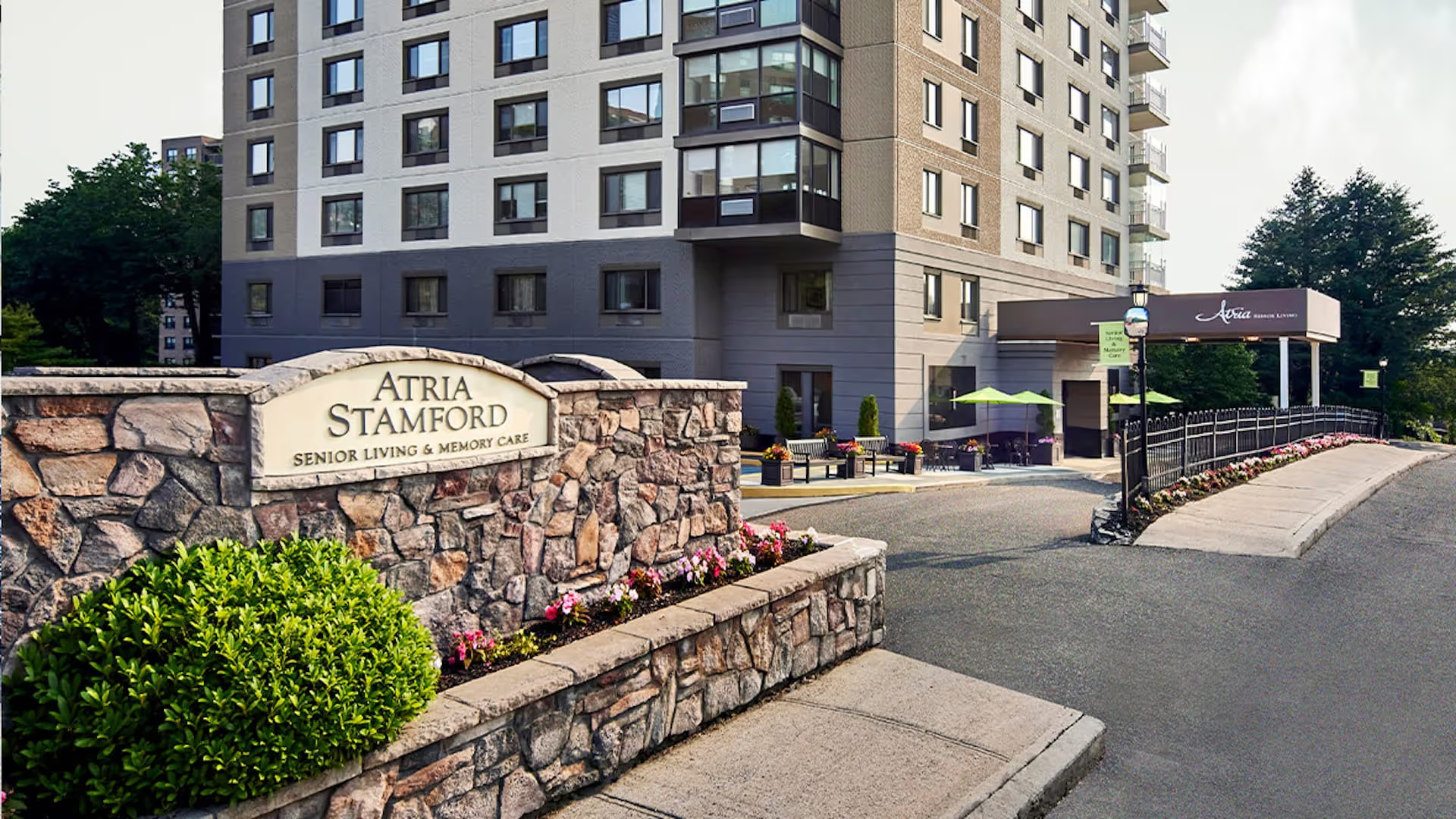
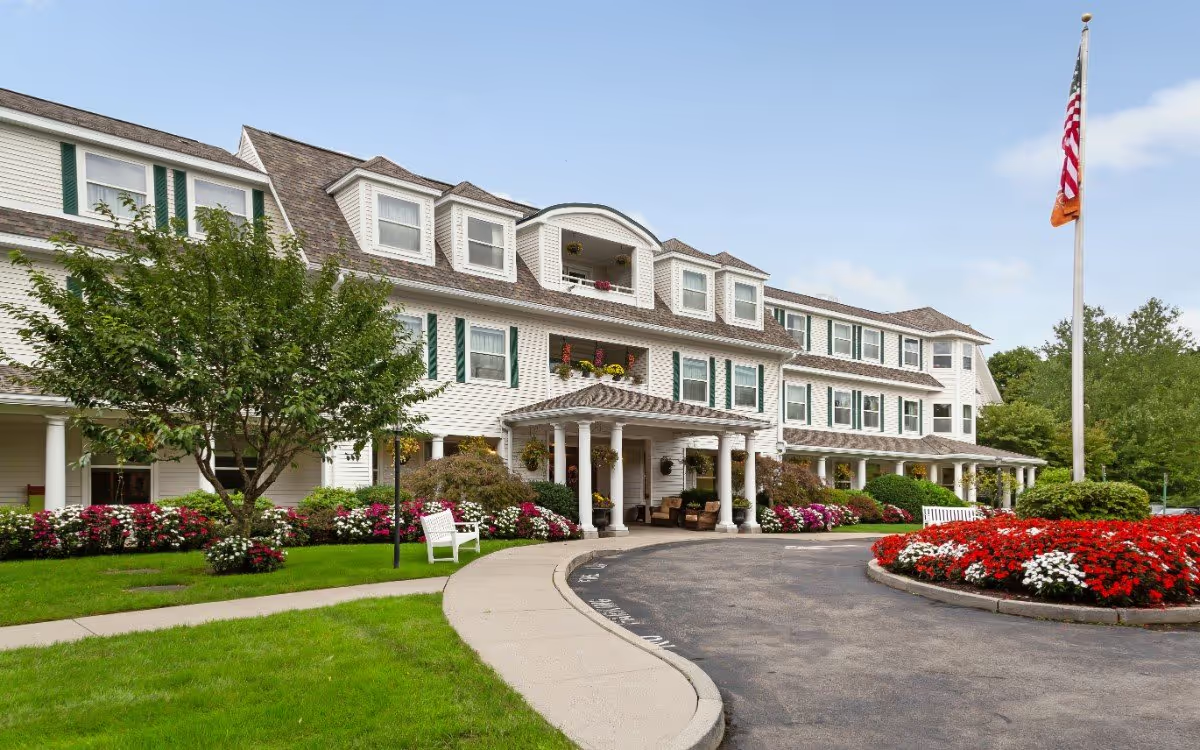
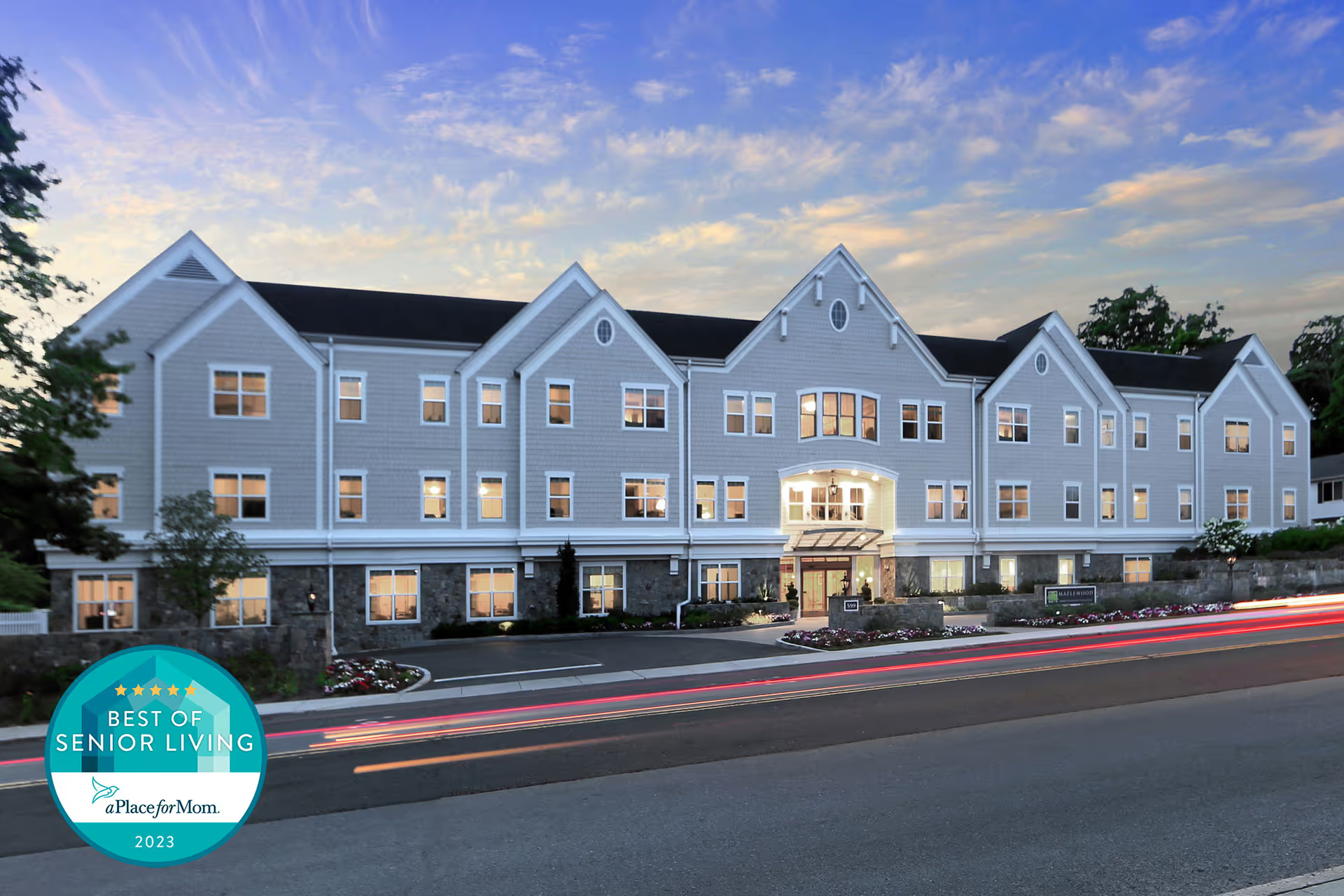
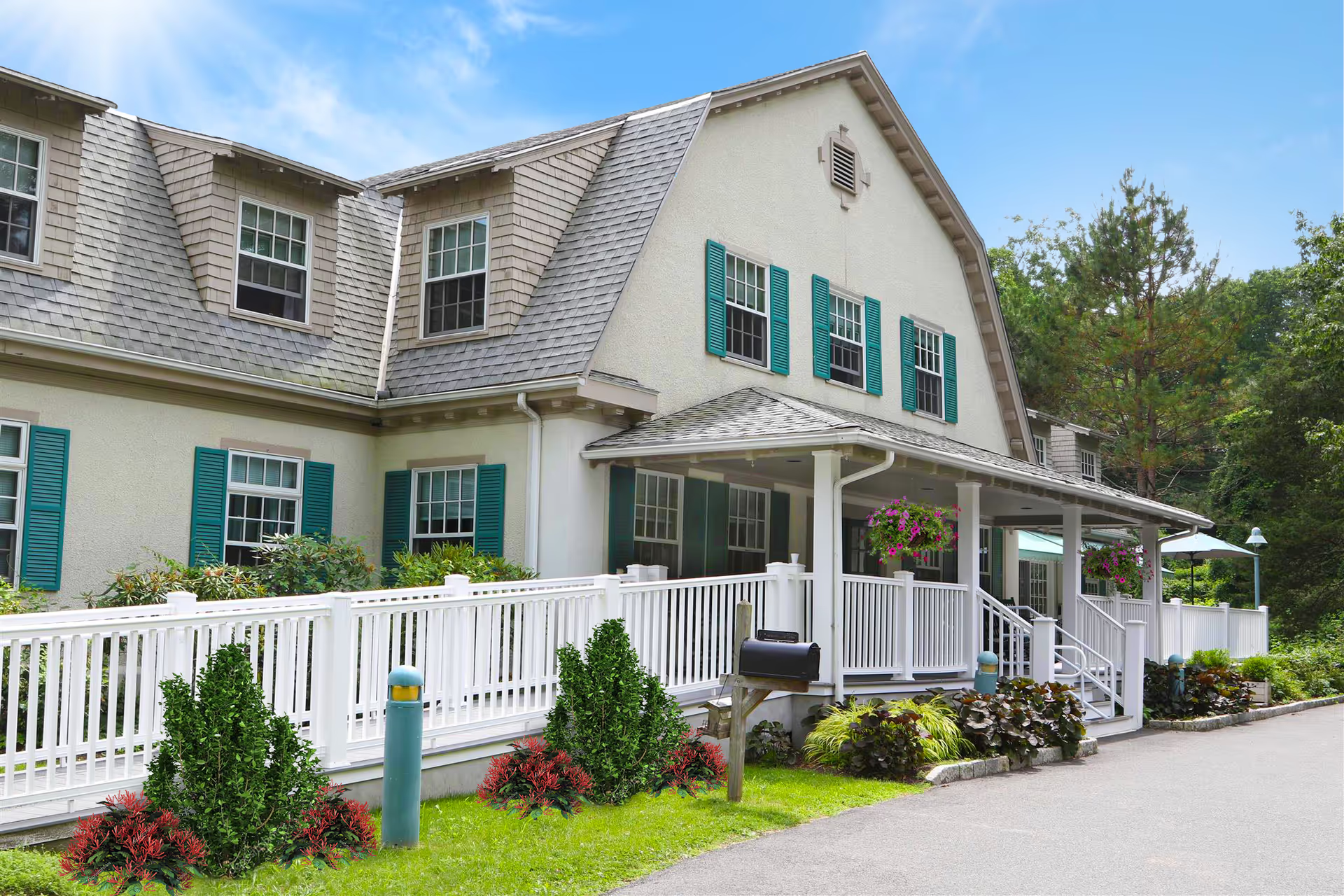
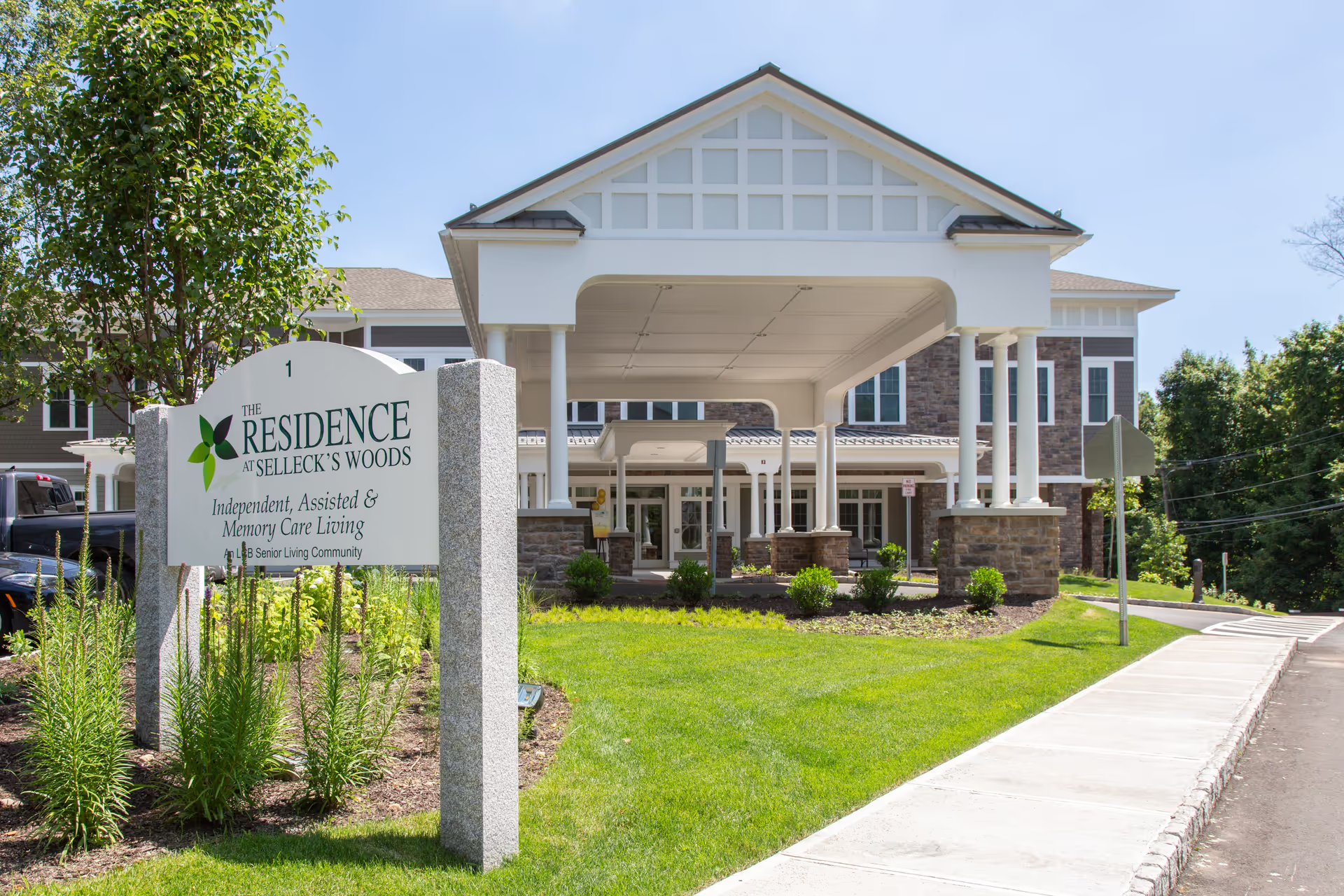
The Residence at Summer Street is consistently described as a modern, boutique-style assisted living community with strong hospitality sensibilities. Reviewers emphasize the facility’s aesthetic strengths — light-filled apartments, hotel-like public spaces, attractive dining rooms, patios and multiple apartment models — which many families found contributed to residents’ comfort and quality of life. The property’s amenities and layout support socialization and personalization of living space, and the dining program is regularly praised for variety and presentation.
Care quality and staffing are generally cited as the community’s core strengths. Many families describe compassionate, attentive caregivers, a favorable staff-to-resident ratio, and hands-on assistance with ADLs, personal grooming, medication administration, laundry and housekeeping. The presence of an engaged memory-care director, a wellness nurse, and on-site geriatric medical oversight is frequently noted as enabling coordinated clinical attention and steady oversight. Residents and families attribute improvements in physical, mental and social well-being to the combination of clinical supports and daily programming.
Programming and services are another strong point: reviewers highlight a broad slate of activities (discussion groups, arts, concerts, outings), safe and efficient transportation, and a welcoming community atmosphere. The community’s transition and respite services receive favorable comments for making moves and short stays manageable, and leadership visibility on weekends and responsiveness to family questions are viewed positively by many.
Notable operational patterns of concern center on finance, consistency, and certain elements of clinical coordination. Several families describe sharp, unpredictable fee increases and difficulty with billing transparency; underlying administrative processes are characterized as inconsistent, with examples of disputed charges and confusing line items. Operationally, reviewers also point to staffing turnover and management changes that can affect continuity, and to variability in clinical coordination within the memory-care unit — sometimes manifested as uneven communication between caregiving staff and clinical personnel. A limited amount of dedicated nursing hours for higher-acuity needs is also mentioned, suggesting prospective residents with increasing clinical complexity should verify service levels. A small portion of feedback raises concerns about isolated cleanliness or housekeeping inconsistencies and occasional lapses in staff conduct or responsiveness.
Overall, the Residence at Summer Street is portrayed as a high-quality, hospitality-oriented community with strong daily care, engaging programming, and attractive physical spaces. Prospective residents and families should weigh those operational strengths against documented concerns about billing transparency, fee stability, and variability in memory-care coordination when assessing fit and affordability. For people prioritizing environment, dining, and active engagement, the community appears well suited; for those with high nursing needs or tight financial constraints, a careful review of contract terms, nursing coverage, and billing practices is recommended prior to commitment.