Review patterns show a facility with notable strengths at the level of individual staff and specific services, alongside recurring operational weaknesses. Positive comments emphasize caring, attentive nurses and CNAs, knowledgeable clinicians for Huntington’s and dementia care, and around-the-clock nursing availability. Families and residents also describe useful rehabilitation services (physical therapy) and an active activities program, including holiday events. Several reviews highlight effective case management, a responsive maintenance team, and friendly reception staff; these elements contribute to reports of clean, well-kept resident rooms and a welcoming atmosphere in some parts of the building.
At the system level, reviewers frequently identify gaps that affect care consistency. Communication and paperwork management problems are a recurring theme: medication orders, dressing-change schedules, and other clinical directives are described as occasionally not being followed or not coordinated reliably. Staffing levels and responsiveness are also cited as concerns, with claims that demand outstrips available staff resources at times; this ties into reports of delays in attending to resident needs and delayed clinical procedures. Related operational weaknesses include supply shortages that interfere with routine care and inconsistent sanitation oversight in certain common and care areas.
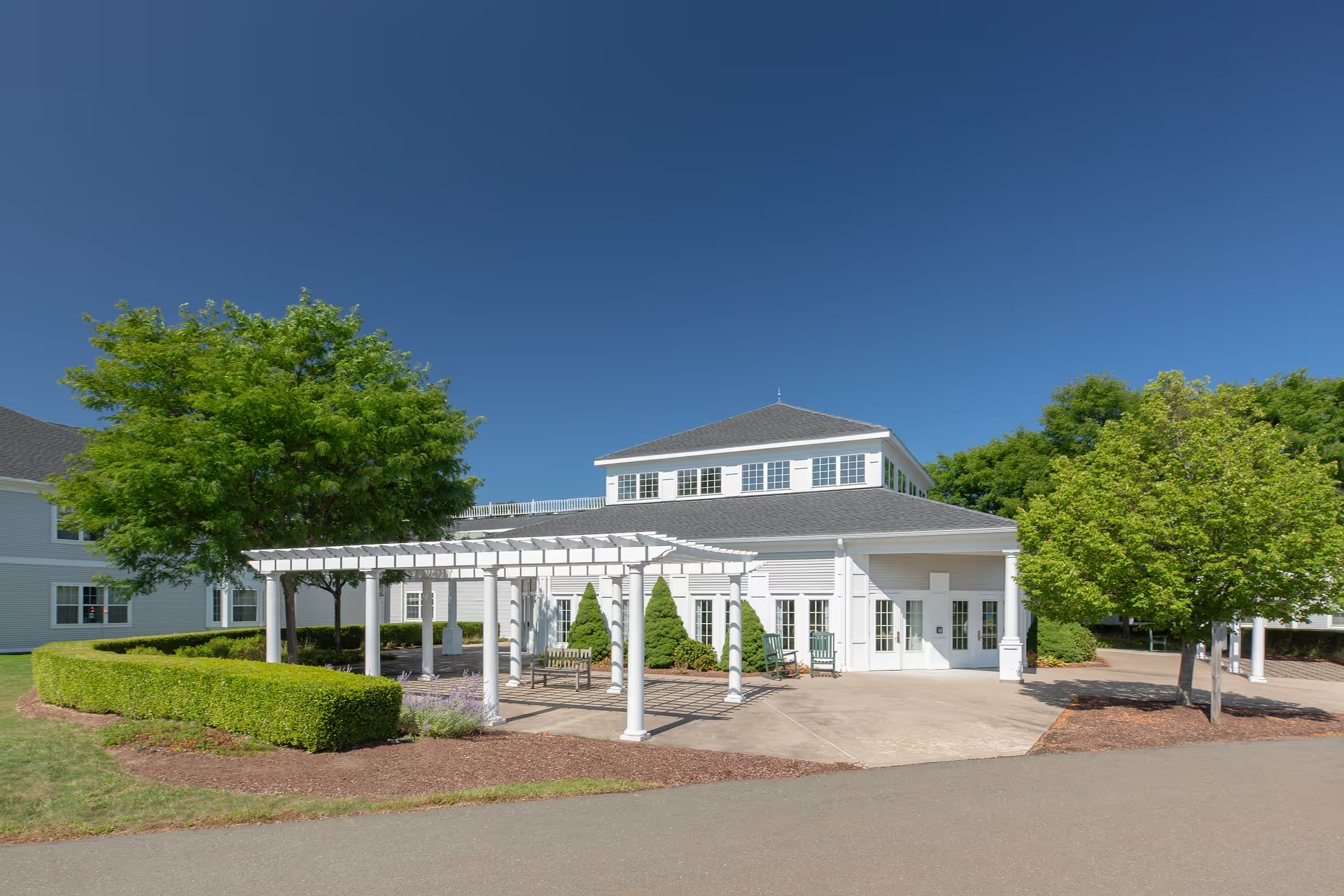
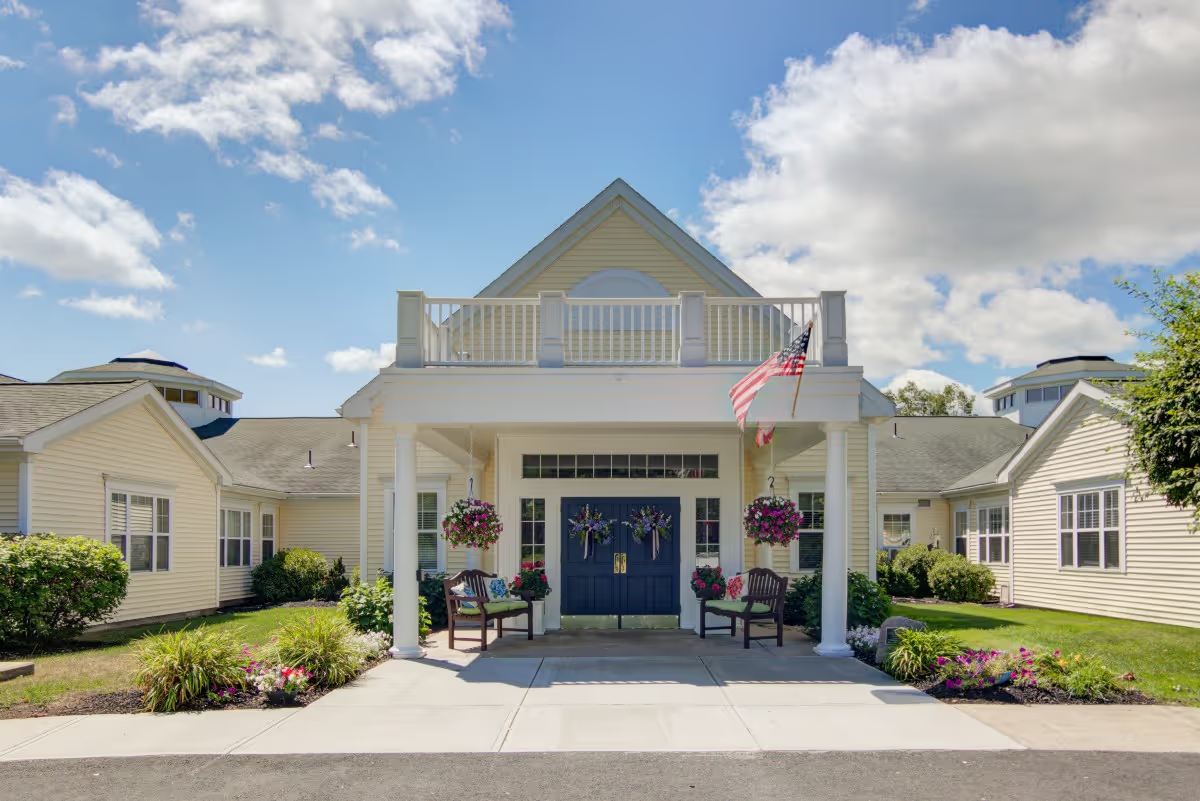
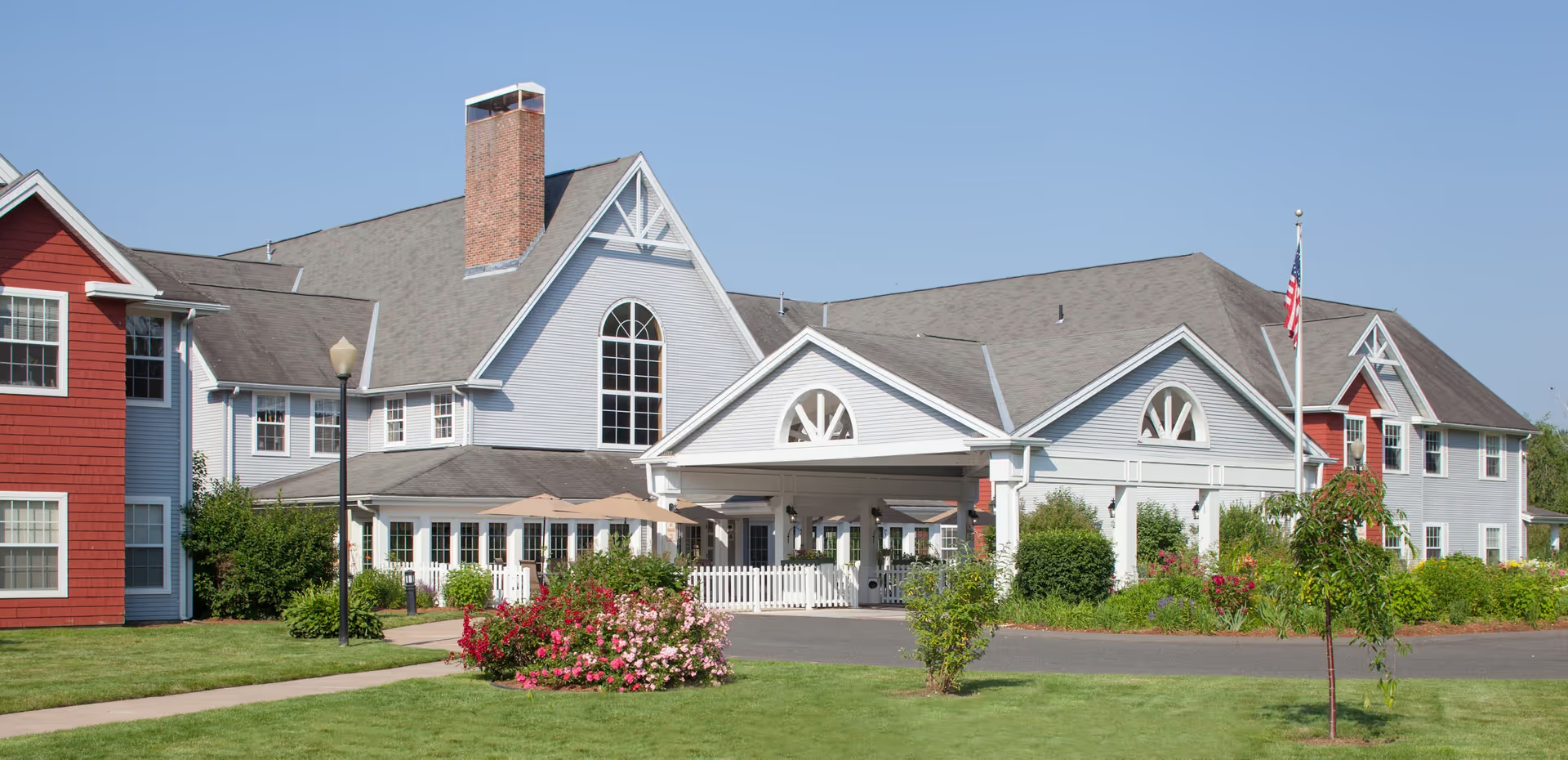
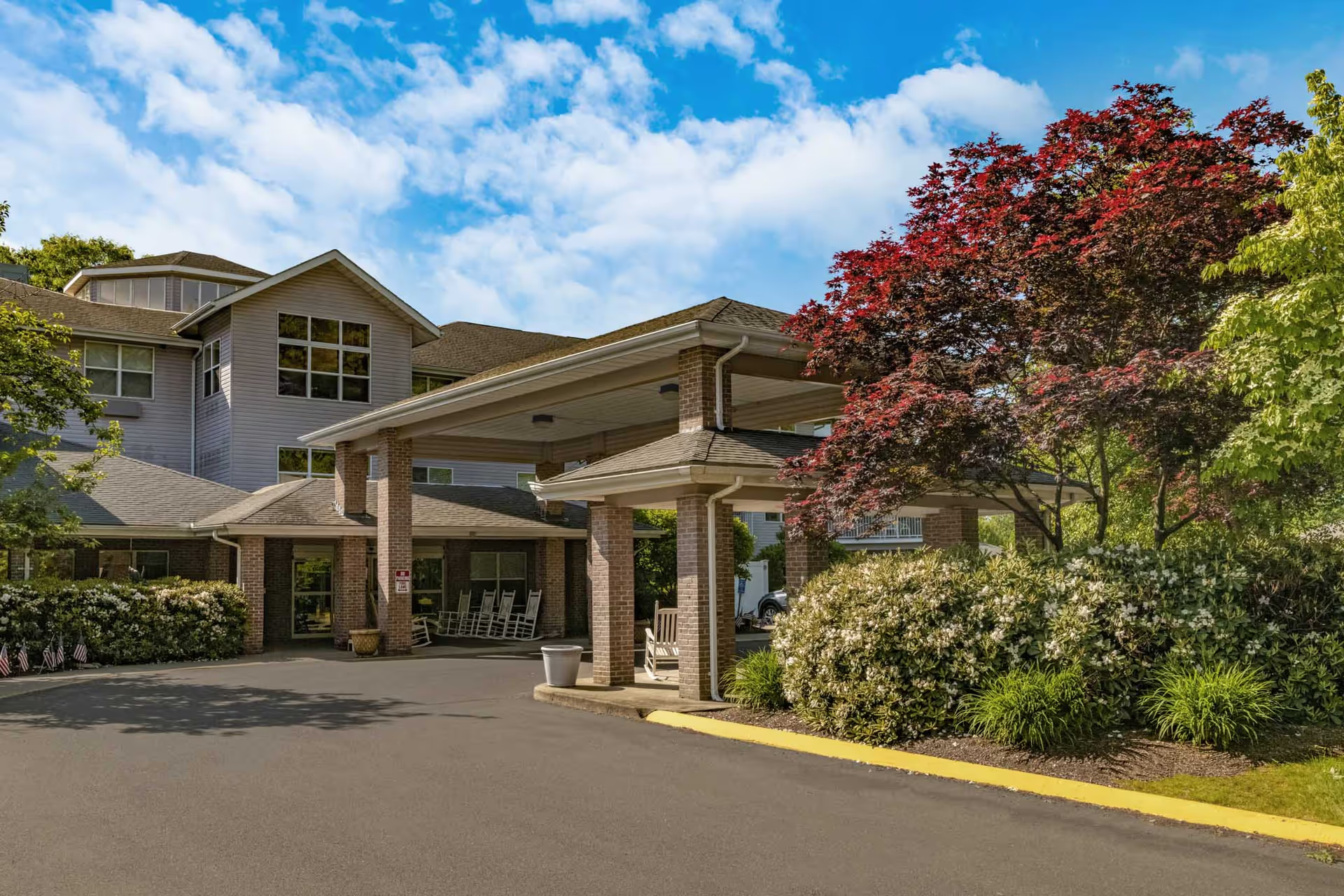
The physical plant elicits mixed feedback. Some praise basic cleanliness of rooms and the work of maintenance staff, while others describe an overall outdated appearance: vehicle/transport maintenance, driveway and grounds disrepair, and a generally worn aesthetic. Dining impressions vary, with a number of reviewers indicating inconsistent food quality and resident dissatisfaction. Taken together, these facility- and maintenance-level issues contribute to perceptions of poor value for cost among some family members.
A notable and serious pattern in the feedback concerns staff conduct and equity of treatment. Several accounts raise concerns about staff professionalism, including allegations of discriminatory behavior and retaliatory conduct toward residents. Other reviewers raise concerns following a resident’s death and describe insufficient responsiveness in critical situations. These are serious matters that families and prospective residents will likely want to evaluate further through direct inquiry and inspection records.
In summary, Fresh River Healthcare appears to offer committed caregivers, relevant clinical programs (especially for neurodegenerative conditions), and active therapy and activity programming, but it also presents recurring operational challenges around staffing, communication, supply management, sanitation oversight, and facility upkeep. Prospective residents and family members should weigh the strengths of individual staff and therapeutic services against the facility-level inconsistencies described, and consider direct questions about staffing ratios, clinical coordination protocols, sanitation procedures, discrimination policies, and recent inspection outcomes when making placement decisions.