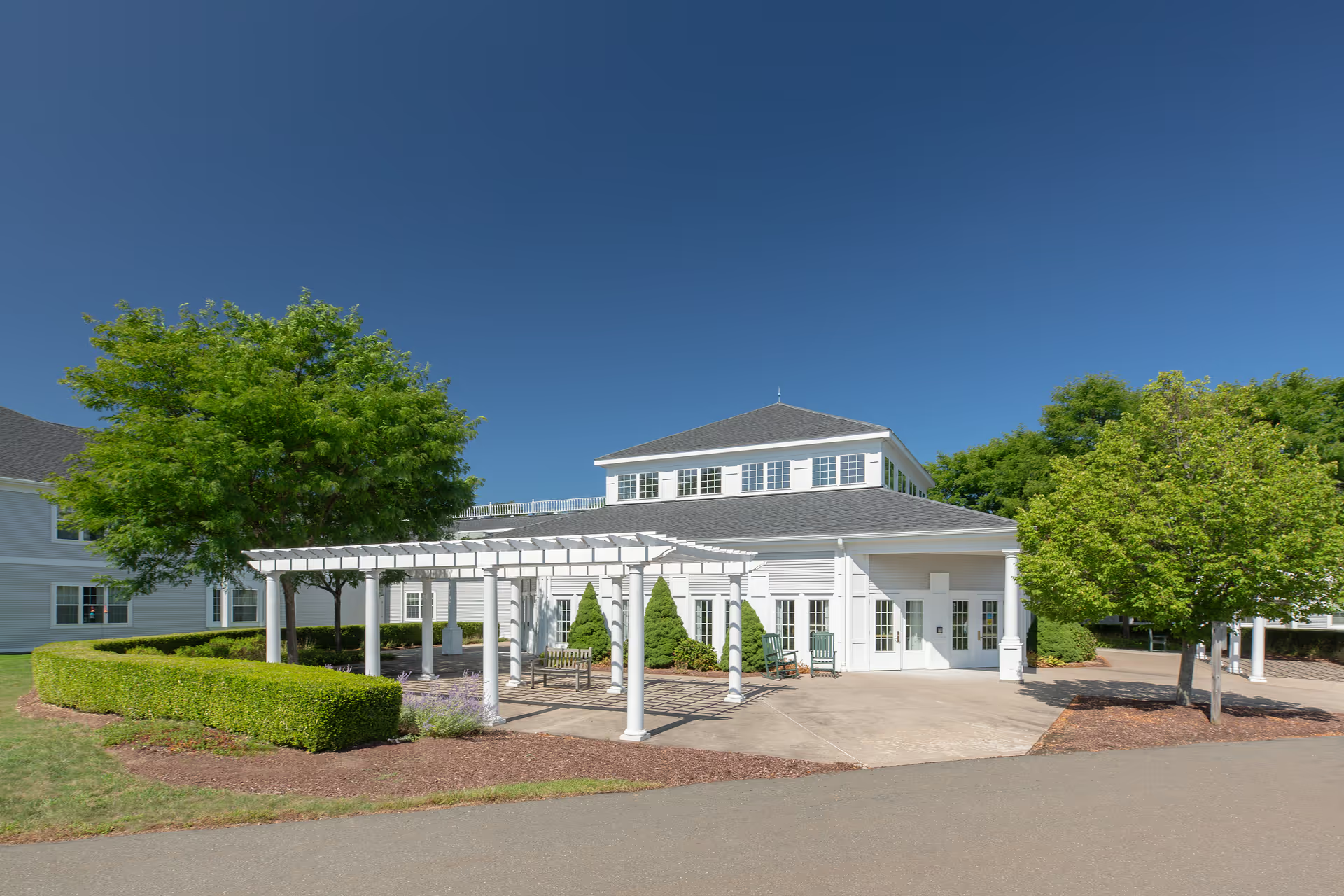
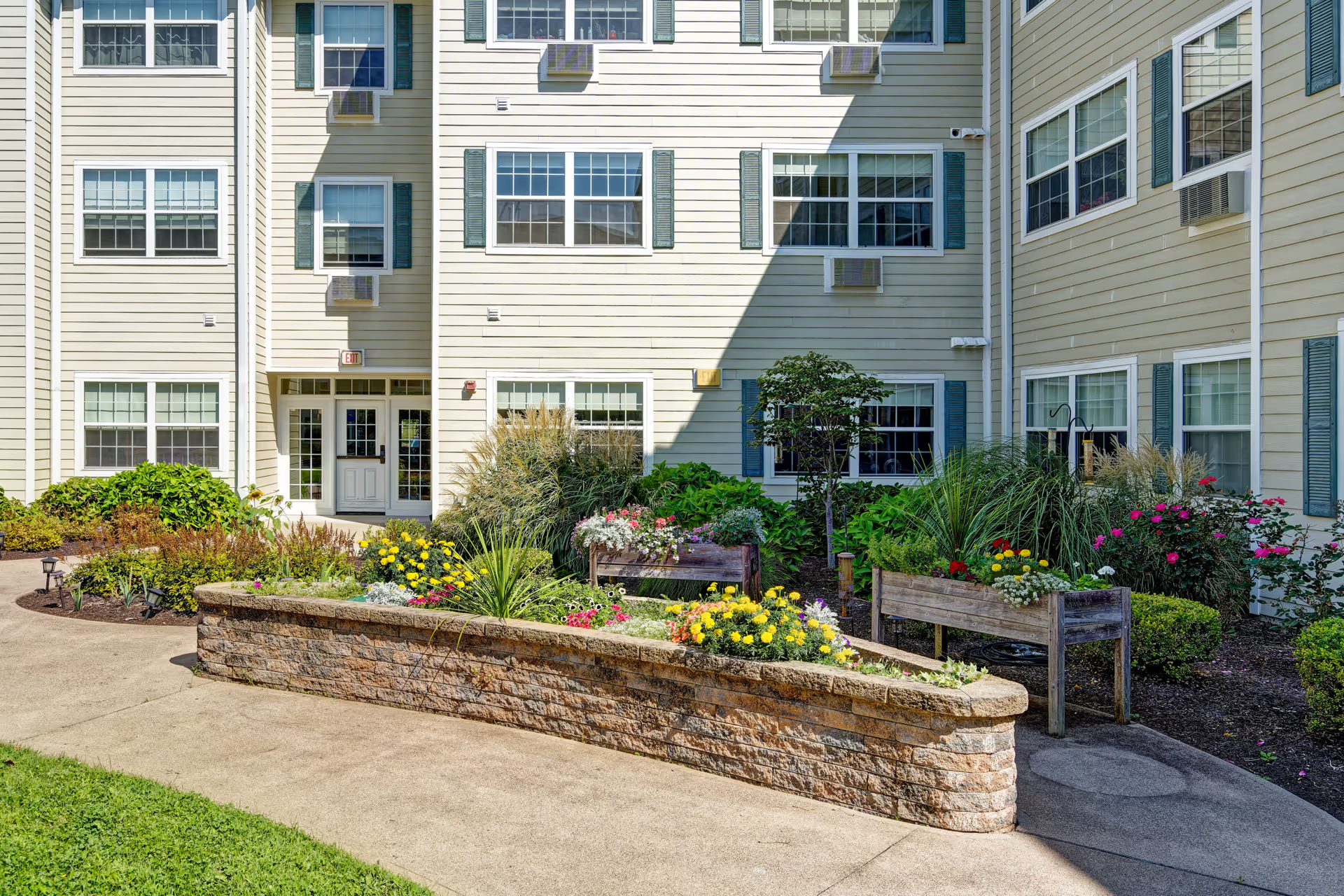
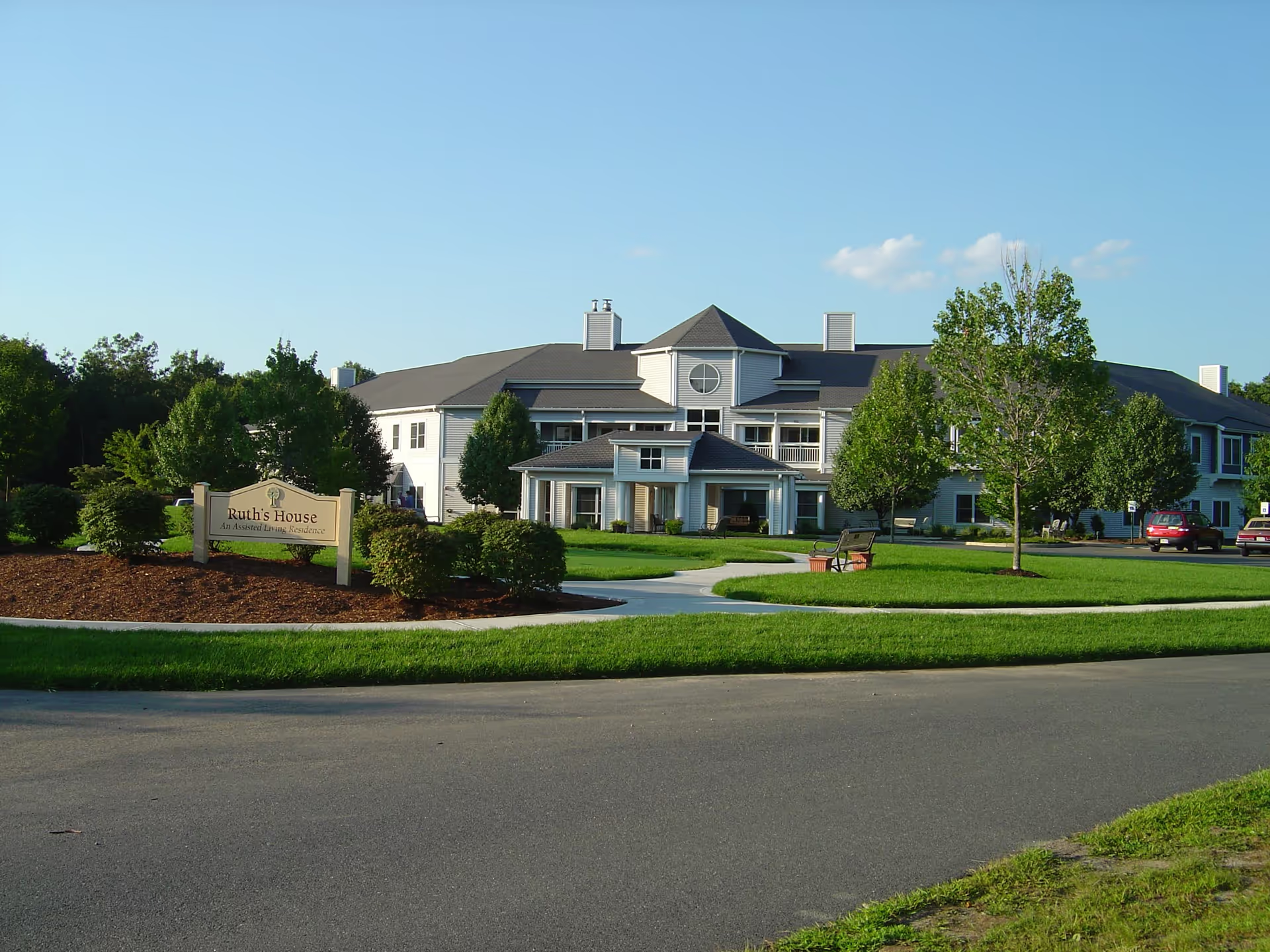
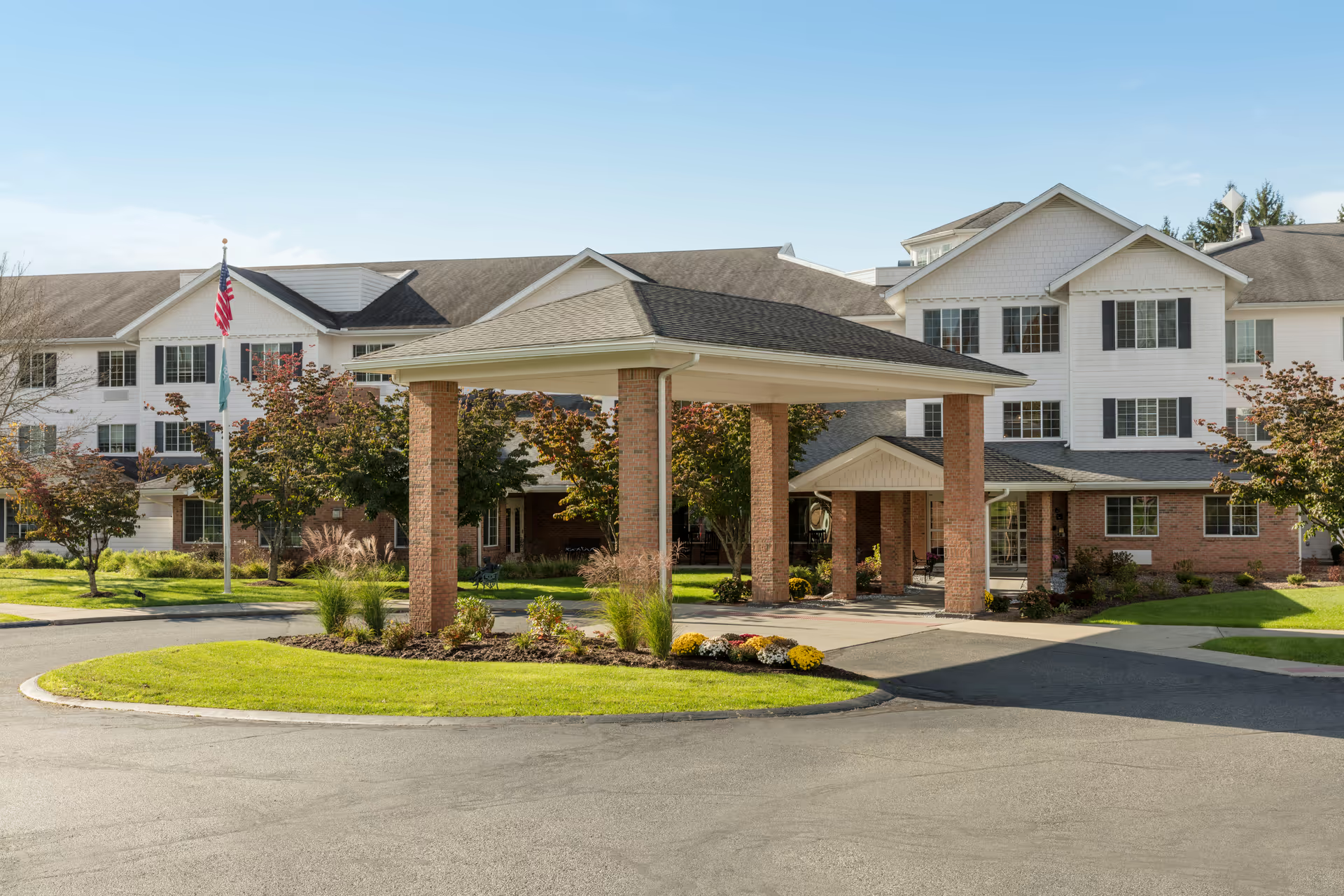
The Ivy at Ellington presents as a modern, well-appointed community with many strengths that families and residents consistently praise. The building and apartments are frequently described as bright, airy and thoughtfully designed, with a home-like décor and updated furnishings. Housekeeping and sanitation are notable strengths: weekly apartment cleaning, linen service, and generally clean common areas are mentioned repeatedly. The facility offers on-site dining in a contemporary dining room, snack and coffee availability, and some reviewers praised chef-prepared meals and regular meal service hours (approximately 7 a.m.–7 p.m.). Transportation to appointments and a smooth move-in process are also recurring positive points.
Staffing and day-to-day caregiving are a central theme of the positive feedback. Many accounts highlight caring, accessible staff who know residents by name, friendly reception and front-desk interactions, and activity and memory-care staff who plan engaging programs, outings and field trips. Reviewers described a warm, welcoming atmosphere with robust social programming—fitness classes, crafts, movies, shopping trips and parties—that supports resident engagement. Several reviewers singled out memory-care programming and directors as strengths where activities are tailored and residents appear engaged.
At the same time, a clear pattern of operational concerns appears across reviews and should factor into decision-making. Staffing consistency is the most prominent issue: turnover among nursing staff and reports of limited coverage—particularly overnight and on memory-care floors—raise questions about supervision and response capacity. Relatedly, there are mentions of medication-administration errors or missed doses and lapses in notifying families; these indicate gaps in medication tracking and clinical communication practices. Multiple families also described uneven communication from nursing and management, including a need to initiate updates rather than receiving routine proactive status reports.
Management and continuity issues emerge as another theme. While some reviewers praised problem-solving leadership and supportive directors, others described broken promises, poor follow-through, or what they perceived as a stronger emphasis on financial considerations than on individualized care. Transitions—such as changes in nursing vendors or activity staff—were sometimes accompanied by service disruptions, suggesting opportunities to strengthen handoffs and continuity planning. Price is also a consideration: several families noted the community is on the higher end of local pricing, which makes evaluating value relative to service consistency important.
Practical takeaways for prospective residents and families: the community offers strong physical amenities, engaging activities, and many compassionate staff members, making it appealing for those seeking a modern, active environment. However, verify current staffing ratios (especially overnight and in memory care), ask about medication administration and notification protocols, review recent staffing continuity during transitions, and discuss contract and pricing details. For residents with advanced memory-loss needs, families should observe supervision levels and ask for specifics about staffing plans and safety measures before committing.