Overall impression: Buckingham Heights Memory Care is described consistently as a small, home-like memory-care community with a strong emphasis on relationship-based care. Families highlight a compassionate, dementia-trained staff with long tenures who often know residents by name and provide unhurried, personalized attention. The facility's size and single-level layout contribute to a cozy atmosphere and are frequently cited as a source of reassurance for families.
Care and staff: Care quality is portrayed as a central strength. Reviewers emphasize respectful, professional interactions, proactive nursing updates, and administrative responsiveness. Long-tenured caregivers and a team trained in dementia care appear to support continuity and familiarity, which families associate with better individualized care and peace of mind. Communication channels with families — including daily nurse updates and engaged administrative staff — are repeatedly noted as a positive operational practice.
Dining and activities: Dining is described as nutritious, tasty, and adapted to special-diet needs, with individualized meal preparation mentioned. The activity program is broad and active, encompassing music, exercise classes, art enrichment, bingo, garden visits, lunches out, and live performances. These programs, together with frequent outings, contribute to social engagement and are repeatedly identified as strengths that support resident quality of life.
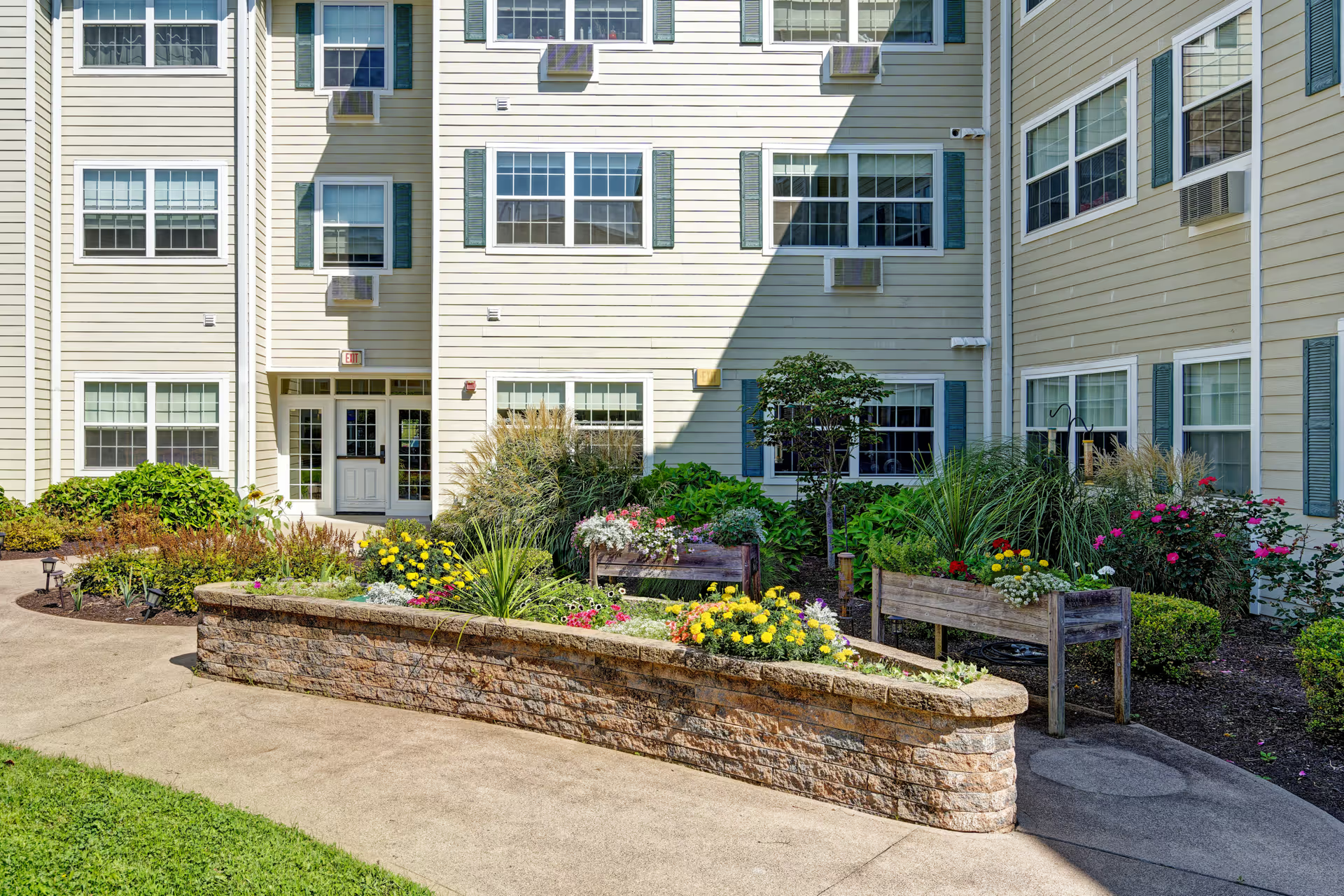
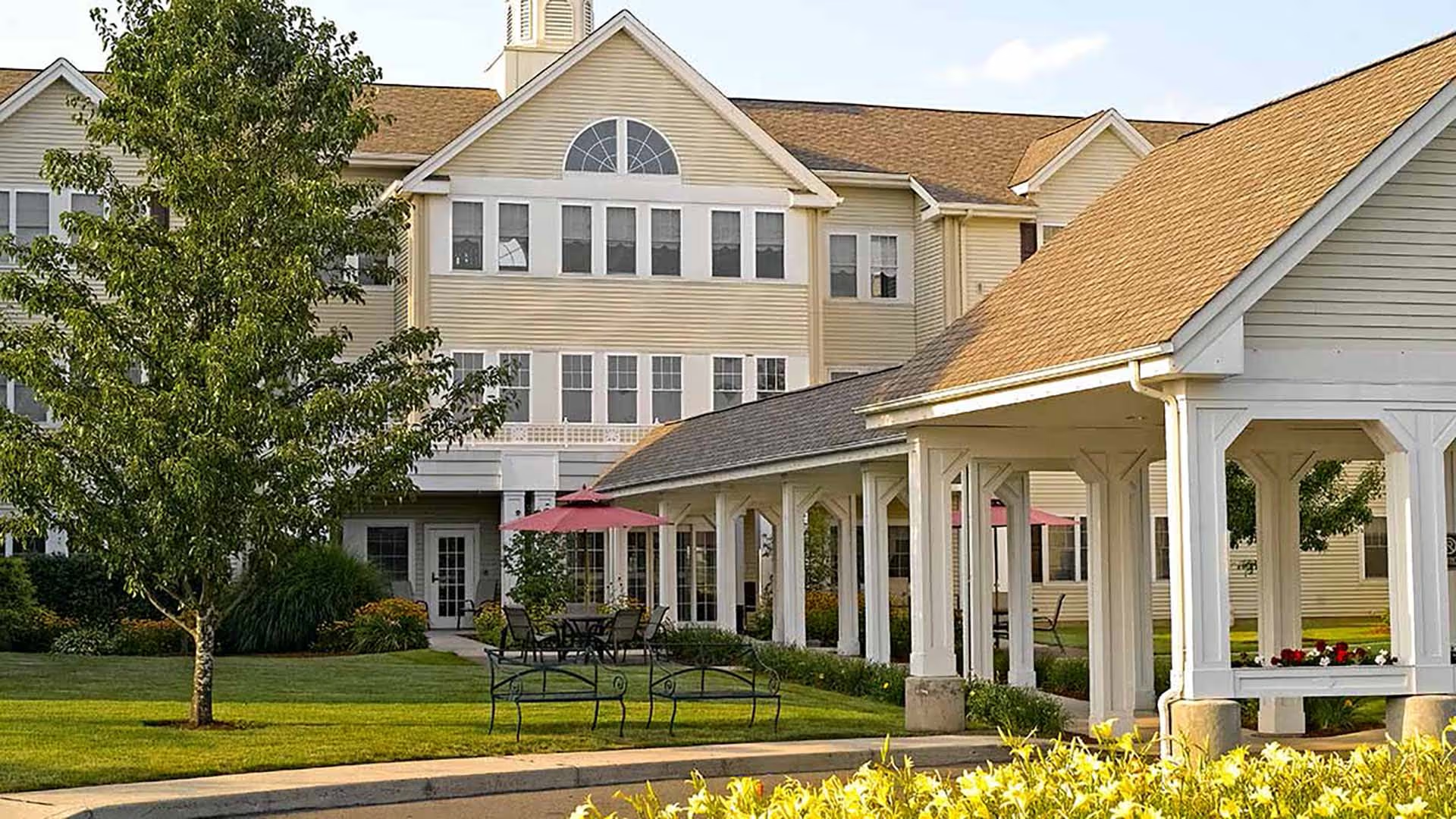
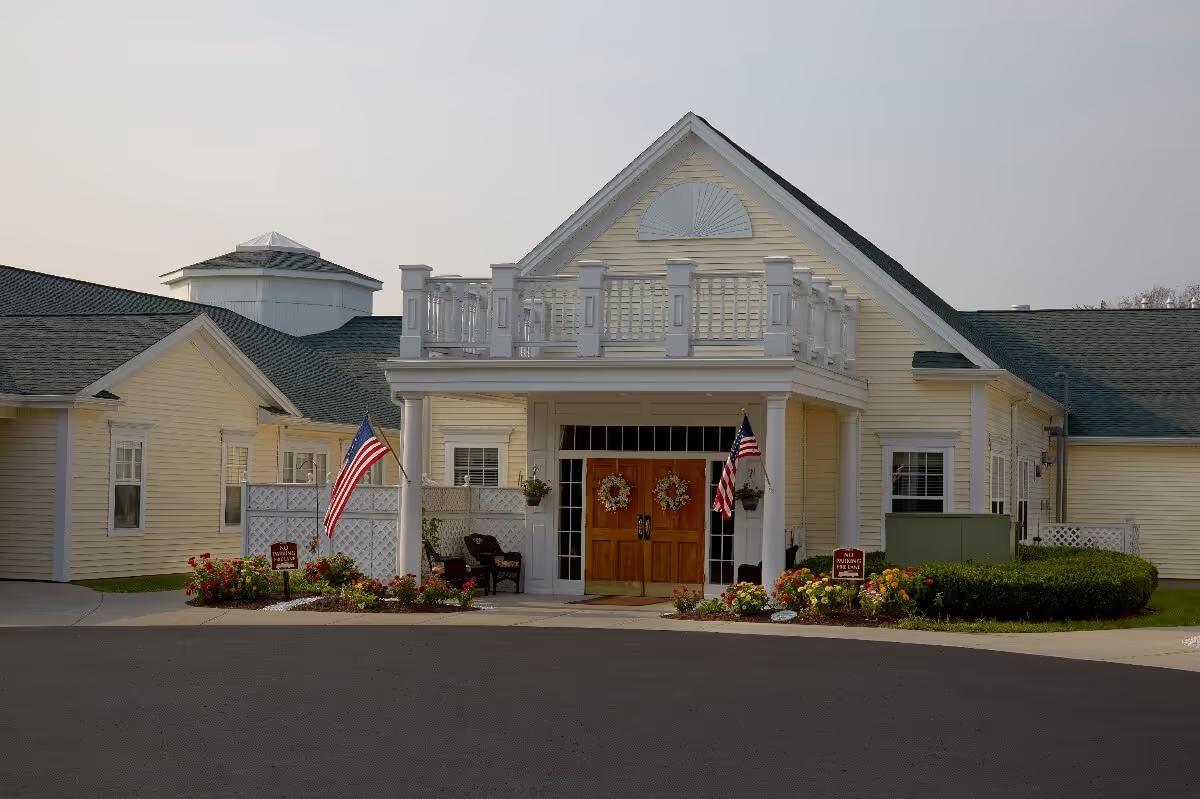
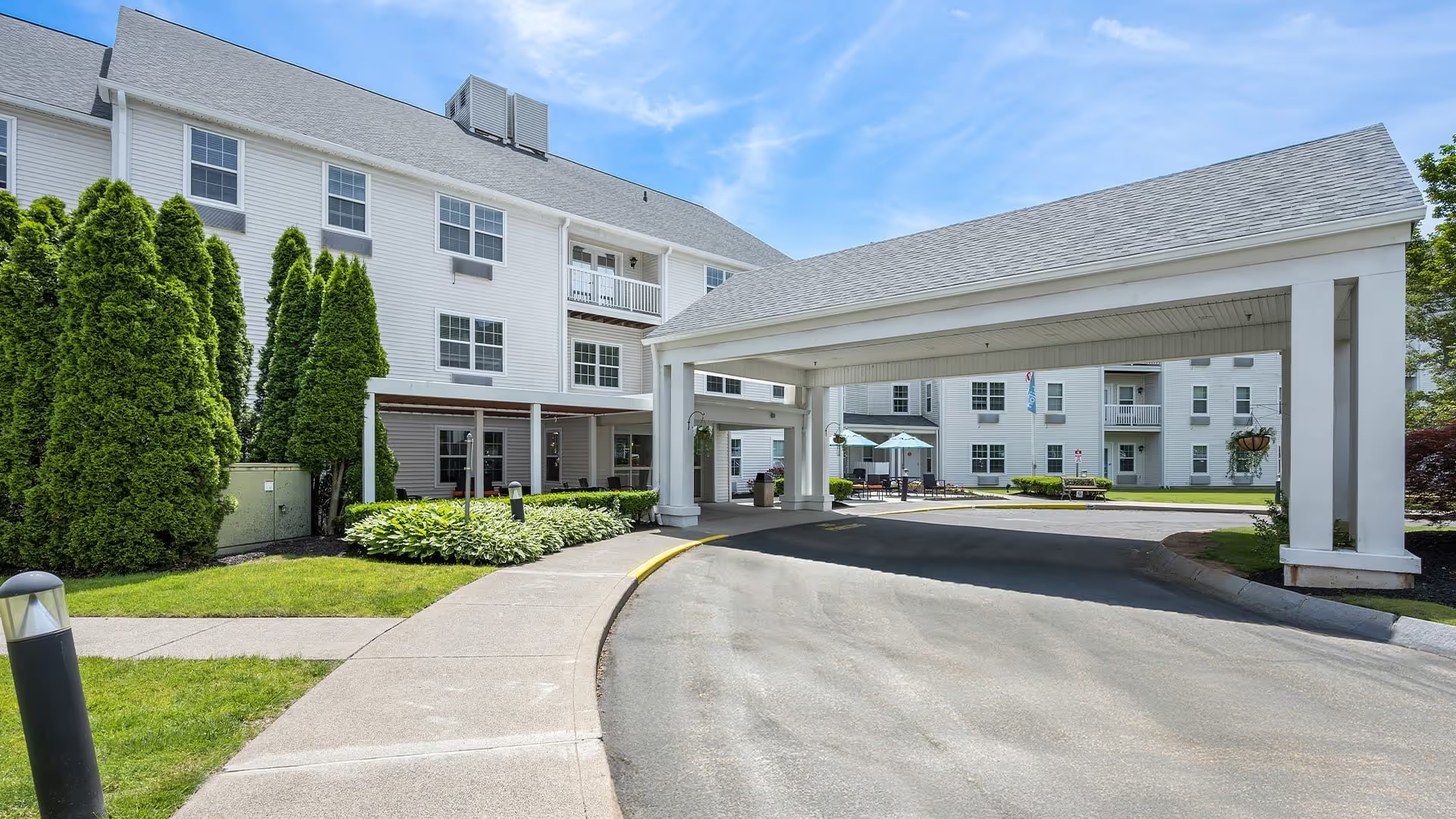
Facilities and safety: The physical plant is portrayed as clean, well-kept, and inviting, with pleasant grounds and an accessible inner courtyard. Room finishes are characterized as basic but pleasant; the community’s small scale and single-level design support a home-like environment. Reviewers also note that outdoor patios and grounds require staff supervision to manage wandering risk or other safety concerns, indicating that outdoor access is beneficial but supervision-dependent.
Management and notable patterns: Management is presented as involved and responsive, fostering open lines of communication with families and a family-focused approach. The dominant pattern across comments is high staff engagement and continuity, which reviewers link to individualized care and family confidence. The primary operational limitations cited are facility-level rather than clinical: affordability is a recurring concern, room amenities are modest, and the small-community model can limit capacity or amenities desired by some families. Several comments imply that the community is optimized for residents with established memory-care needs, so suitability may depend on an individual’s stage of cognitive impairment and care requirements.
Bottom line: Buckingham Heights appears to deliver strong, relationship-centered memory care in a clean, small-scale setting with active programming and attentive staff. Prospective residents and families should weigh the benefits of personalized, continuity-driven care and robust activities against higher cost, modest room finishes, and the need for supervised outdoor access. Placement decisions should consider the resident’s specific dementia stage and care needs to ensure alignment with the community’s memory-care focus.