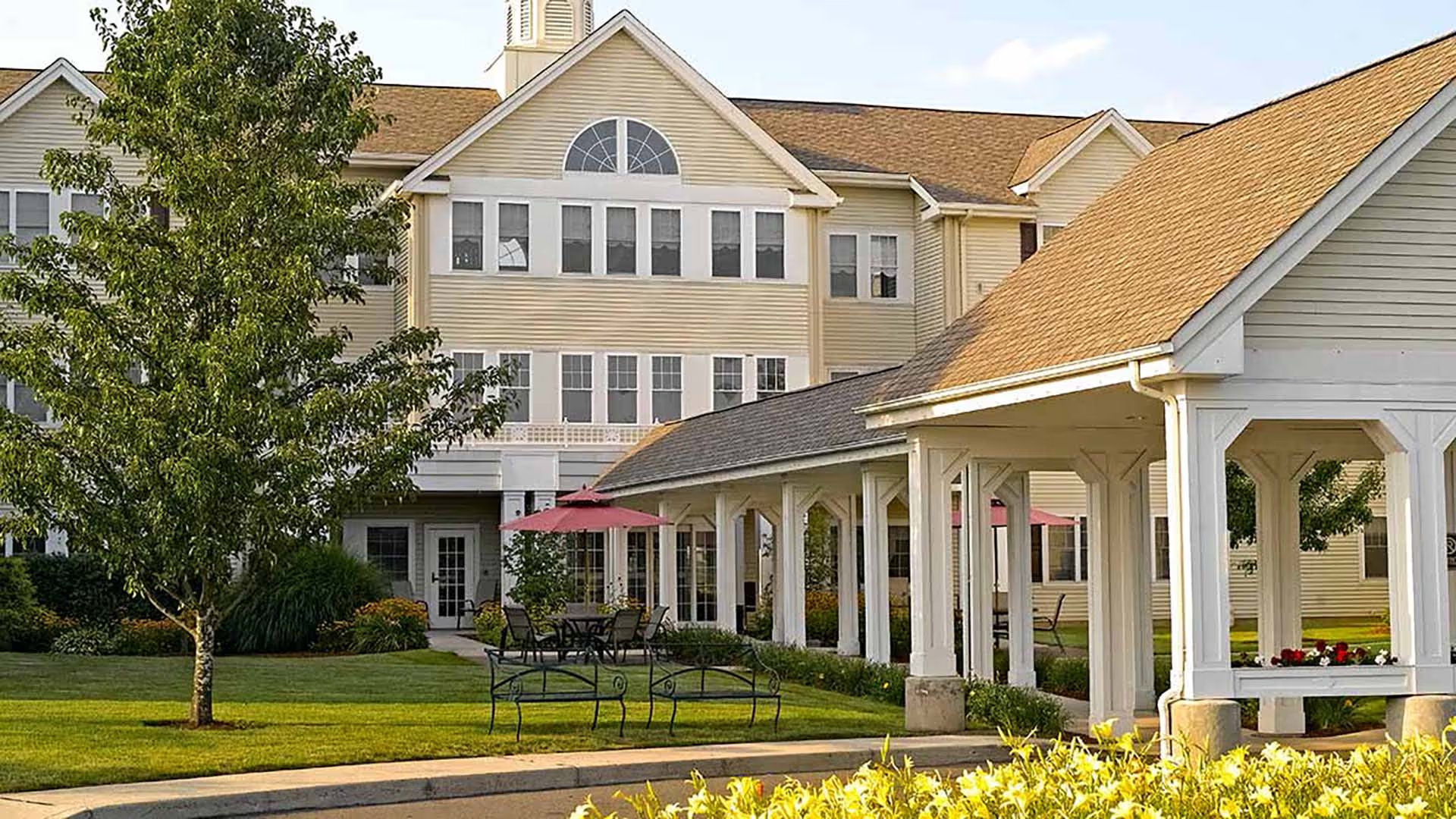
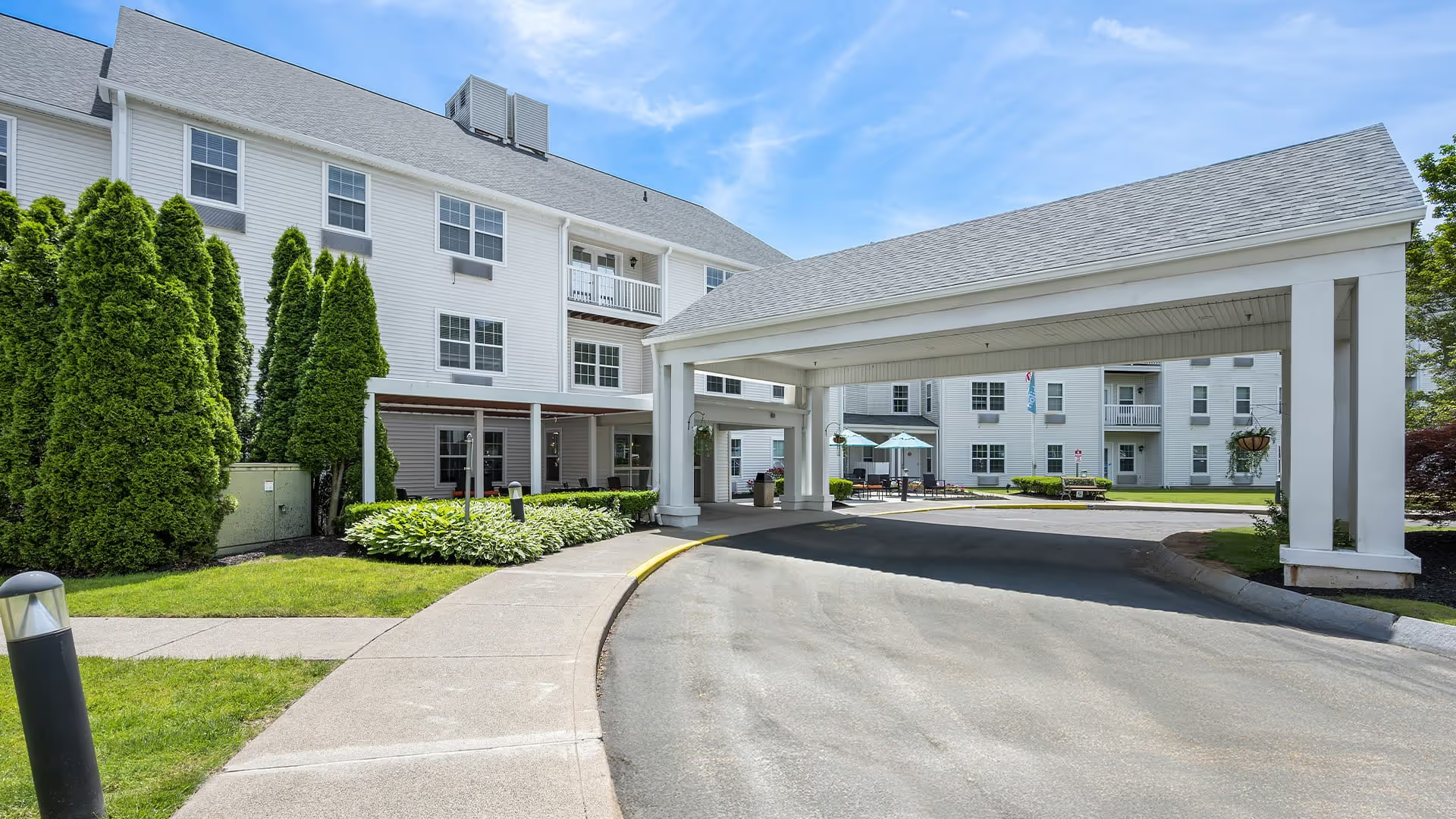
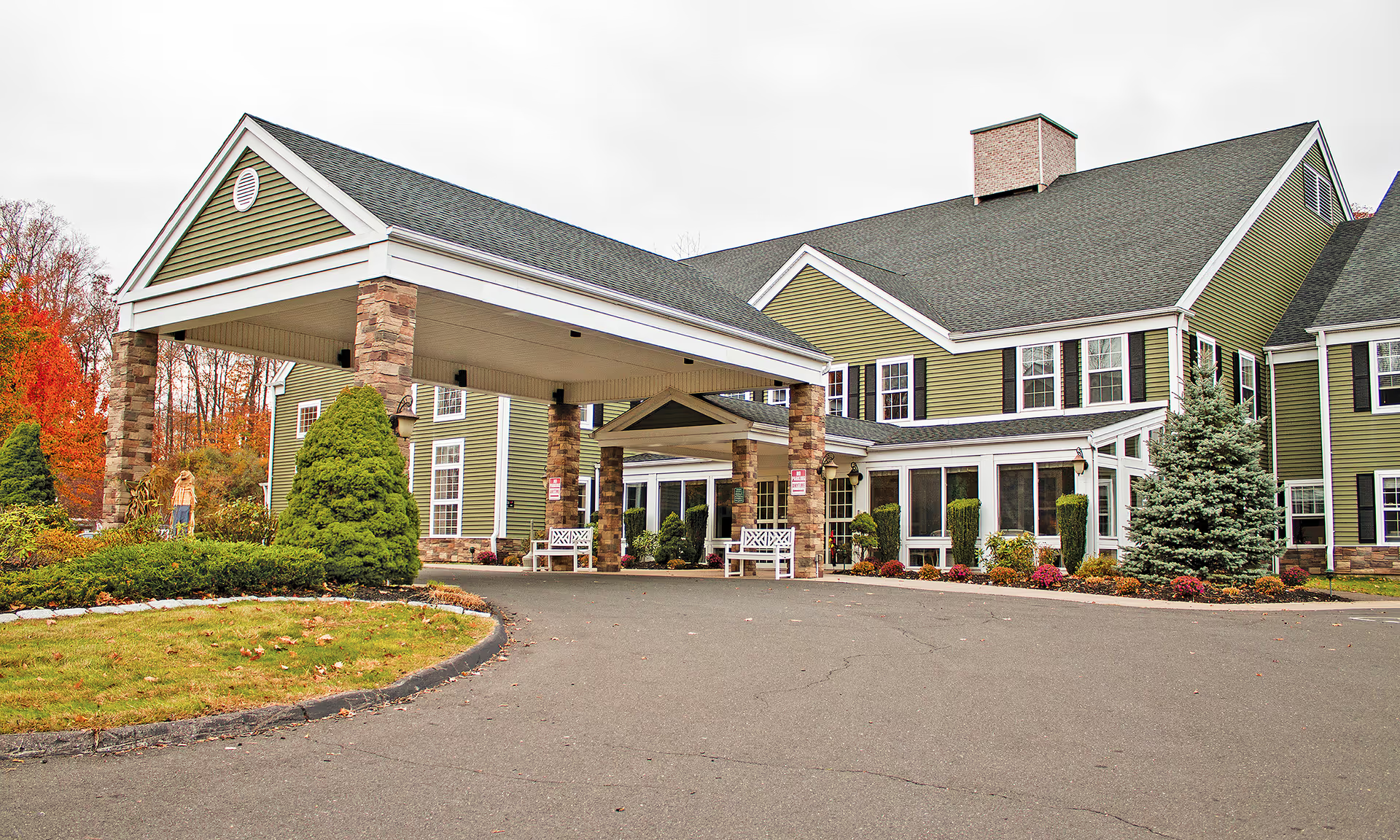
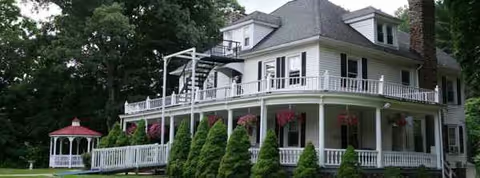
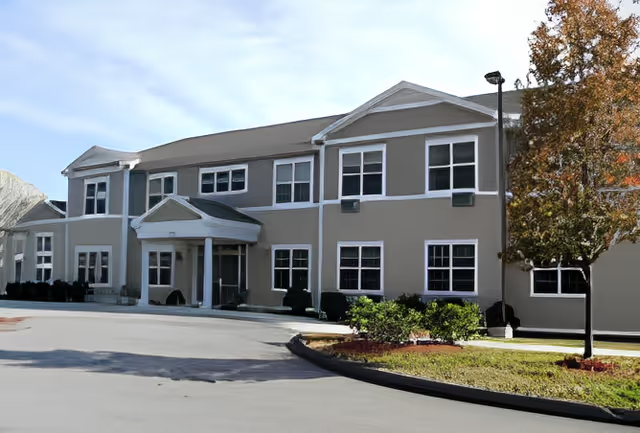
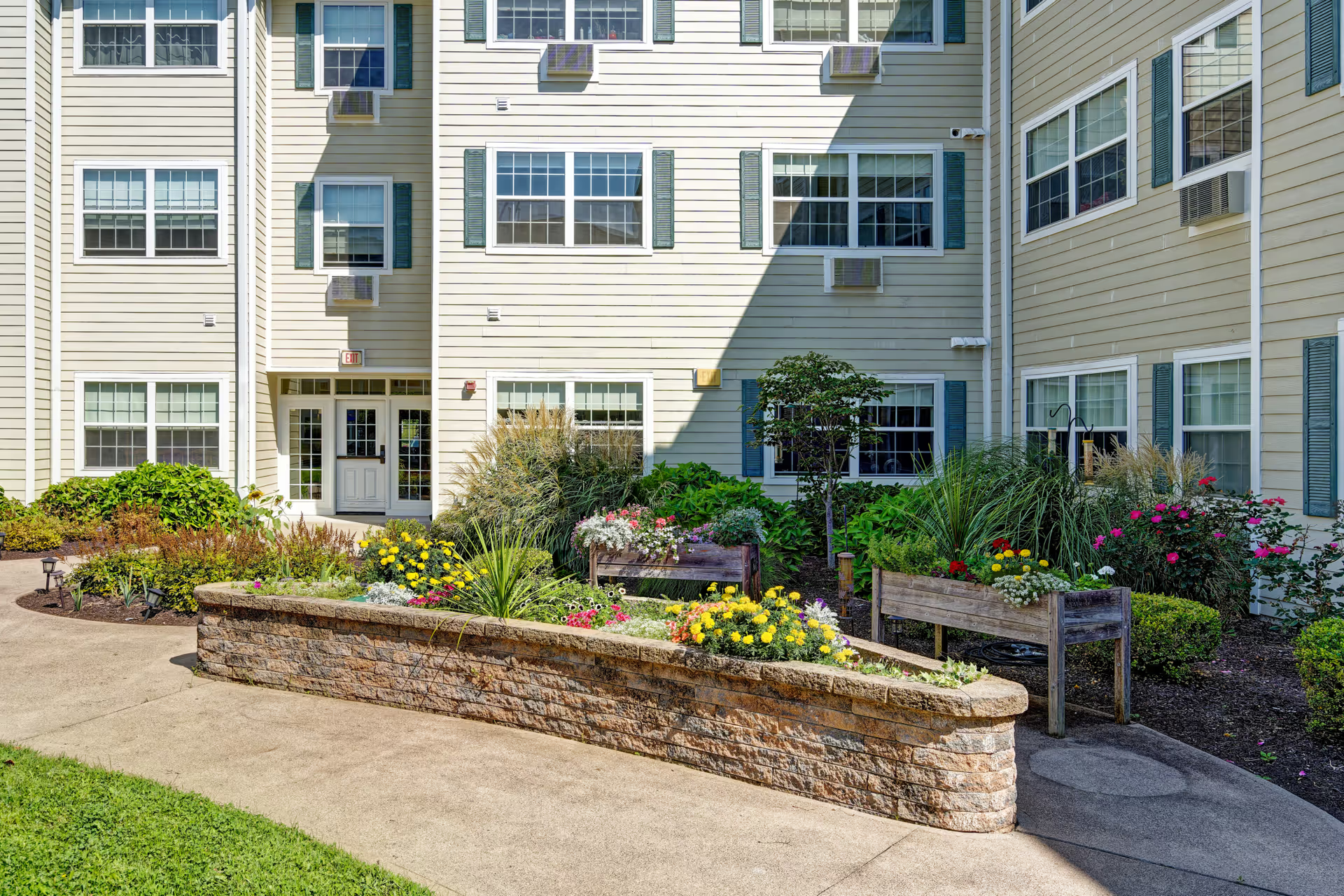
The Atrium at Rocky Hill is consistently described as a memory-care–focused community with a bright, home-like atmosphere and strong emphasis on dementia-friendly design. Reviewers frequently praise the single-floor layout, secure outdoor courtyard, gardens and circular walking path—features that support safe movement and outdoor access. Common areas and dining spaces are often characterized as sunny and well-maintained, and rooms are described as hotel-like with attached bathrooms and options for private or double occupancy.
Care and staff received mixed but notable commentary. Many families describe frontline caregivers and activity staff as compassionate, attentive and resident-centered, with frequent positive interactions and an emphasis on personalized attention. Clinical offerings such as on-site physical therapy and hospice, as well as proactive COVID protocols, were viewed positively. However, there is a clear pattern of concern about staffing stability: reviewers cite high turnover among caregivers and leadership, and several describe instances where responsiveness and clinical follow-through were inconsistent. These patterns translate into an operational risk around timely care and clinical-incident response that prospective families should evaluate closely.
Dining and amenities are strengths for many residents: the community offers restaurant-style meals prepared by an on-site chef, multiple entrée options, accommodations for special diets, and desirable social spaces such as a salon and fitness area. Activity programming is robust, with arts and crafts, games, live music and outings—programming that reviewers credit with keeping residents engaged and socially active. Memory-friendly programming and posted activity schedules were noted repeatedly.
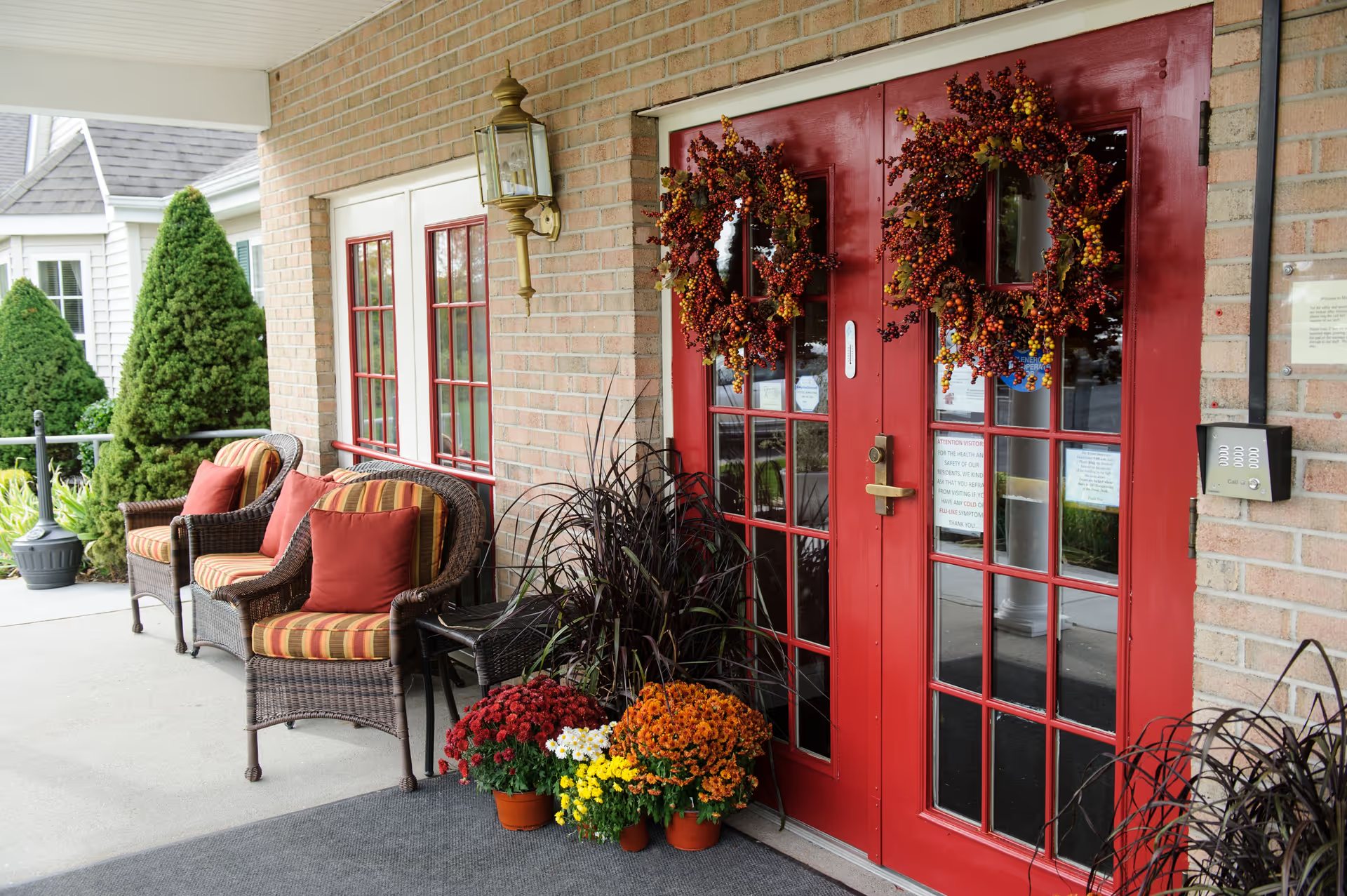
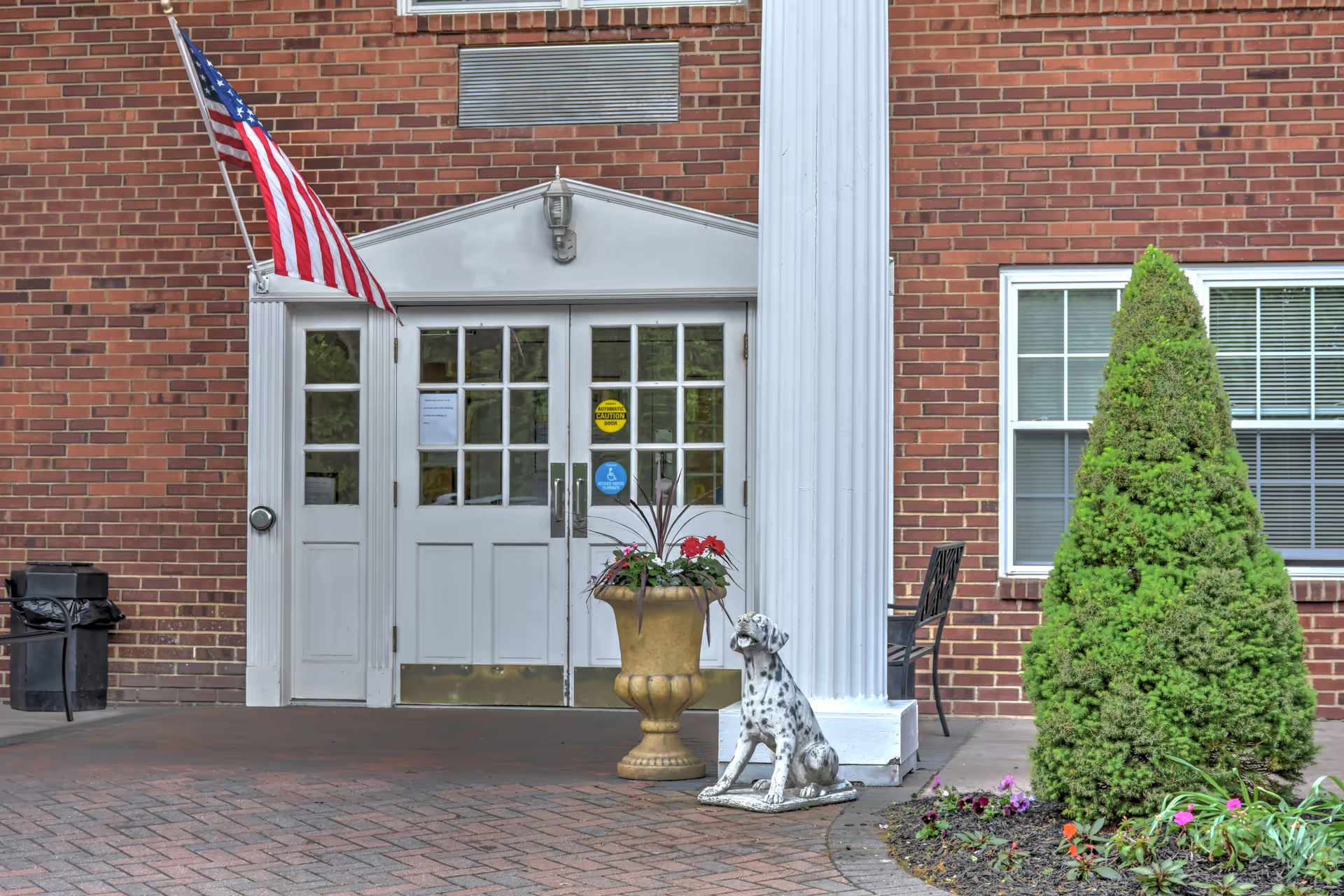
Facility upkeep and environment are generally highlighted as positives—clean, bright interiors, attractive decor, and well-kept grounds. At the same time, some reviewers raised sanitation and odor concerns in specific areas and mentioned incidents involving misplaced personal items. Several comments also characterize private rooms as smaller than expected. Prospective families should ask about cleaning protocols, laundry and property-inventory procedures during a tour.
Management and operational patterns show variability. Many families praised clear communication, supportive administrative staff and a generally transparent admission process; others experienced surprises related to fees or shifting availability and described slow or absent after-hours communication. The combination of staffing shortages and leadership turnover appears to be the main driver behind most negative operational feedback, including gaps in care consistency and family communication.
Bottom line: The Atrium at Rocky Hill offers many features attractive to families seeking a memory-care–focused, homelike community with active programming and on-site clinical supports. Its strengths are visible in the physical environment, dining program and the commitment of many caregivers. At the same time, persistent themes around staff and leadership turnover, inconsistent responsiveness, localized sanitation concerns, and occasional transparency issues warrant careful, specific questions during a tour. Recommended next steps for families: verify current staffing ratios and turnover history, ask for details on cleaning and belongings-inventory protocols, review the fee schedule in writing, and request recent references from other families with similar care needs.