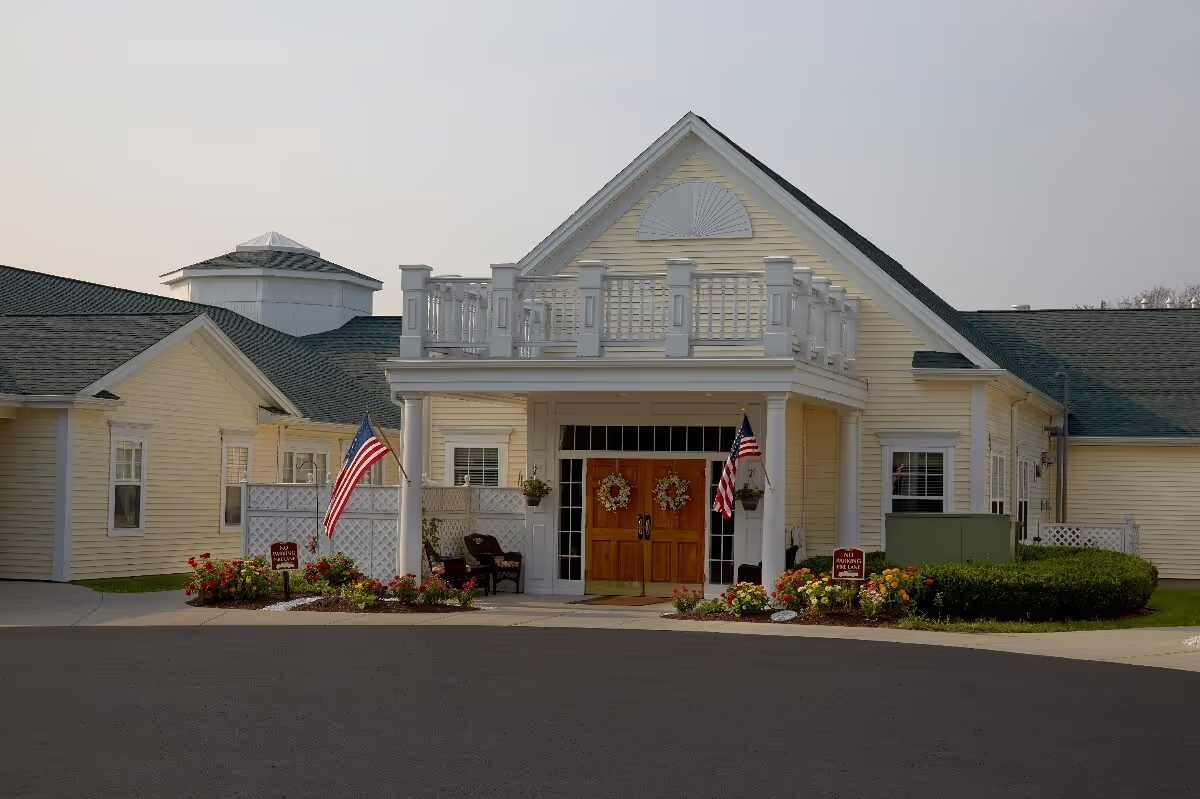
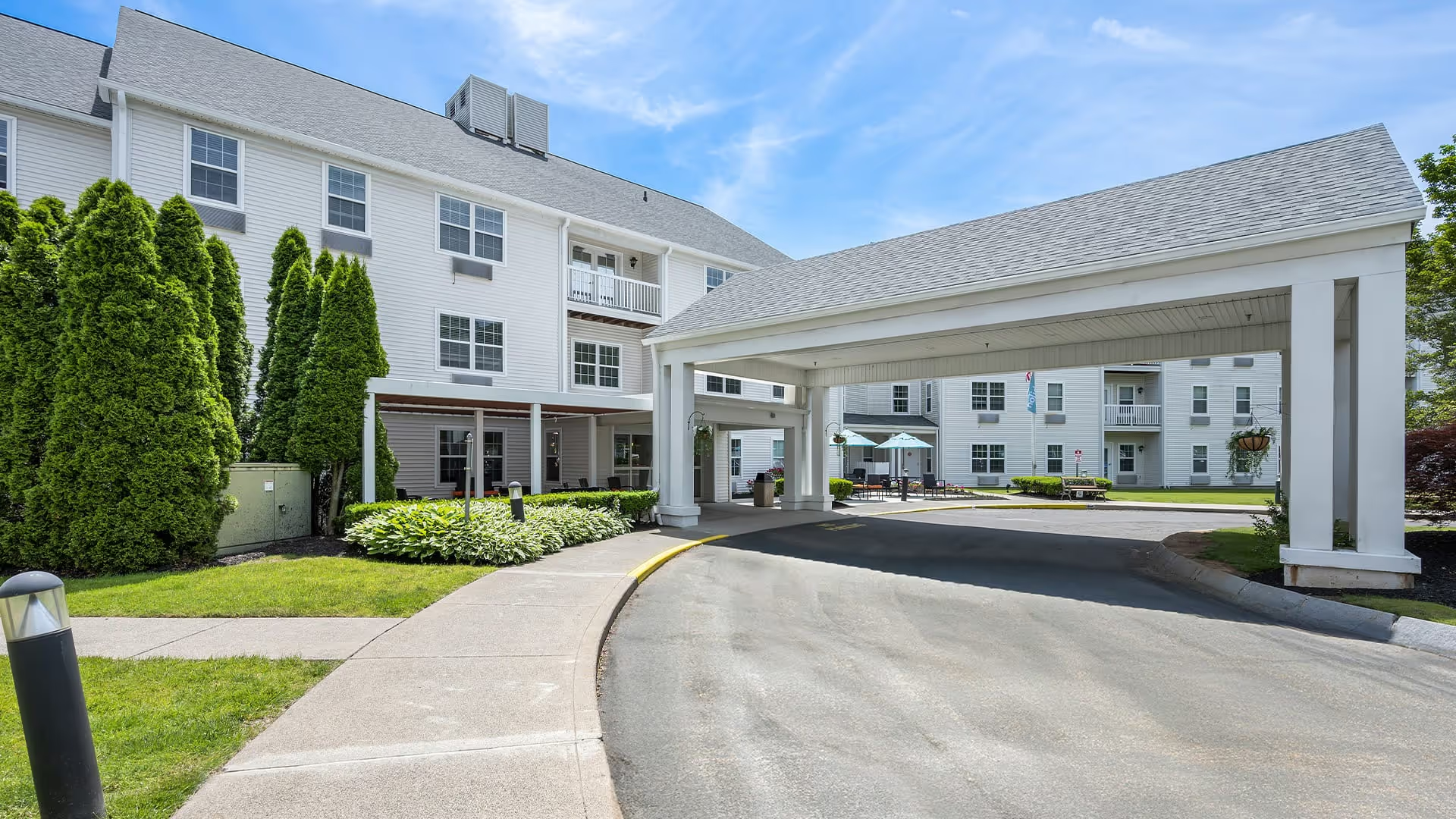
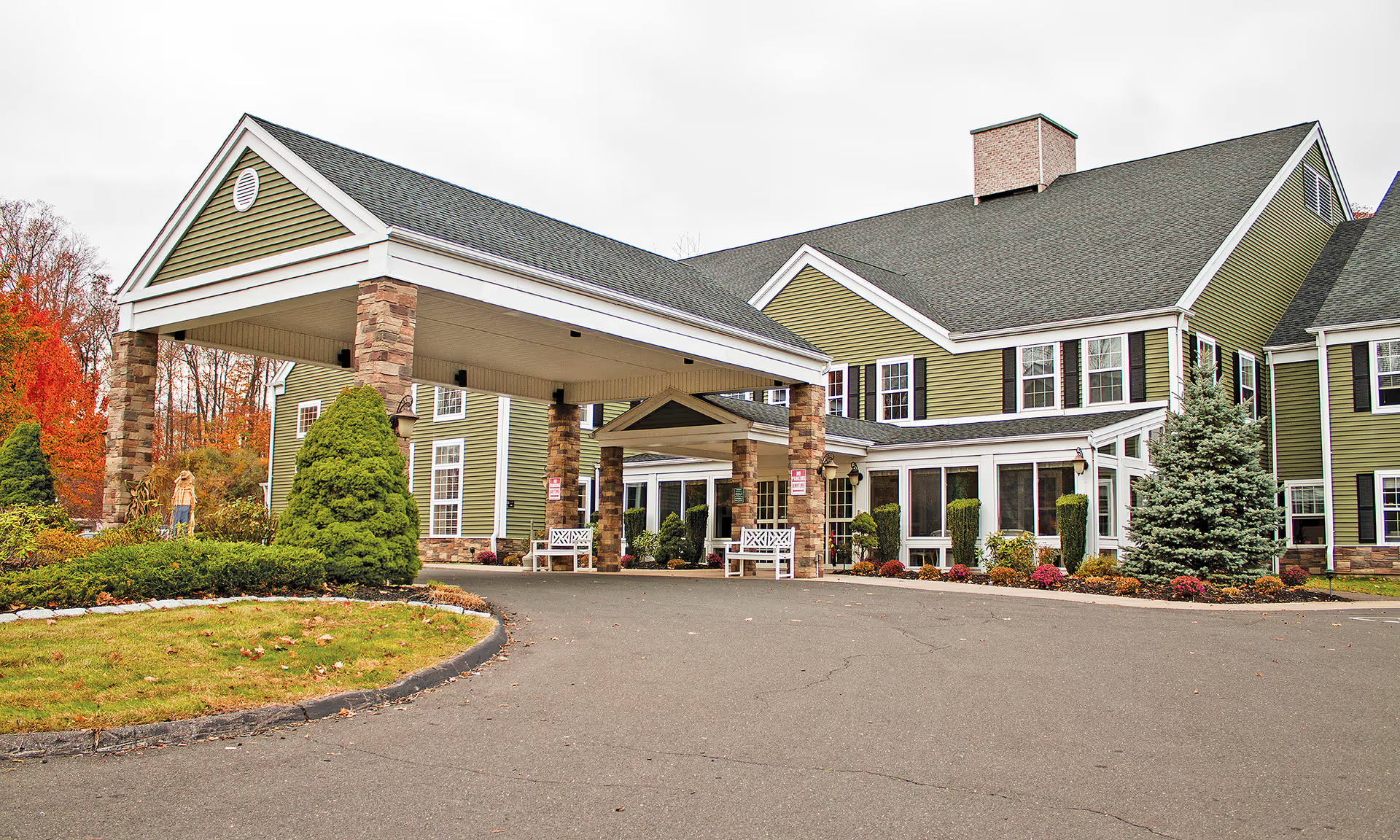
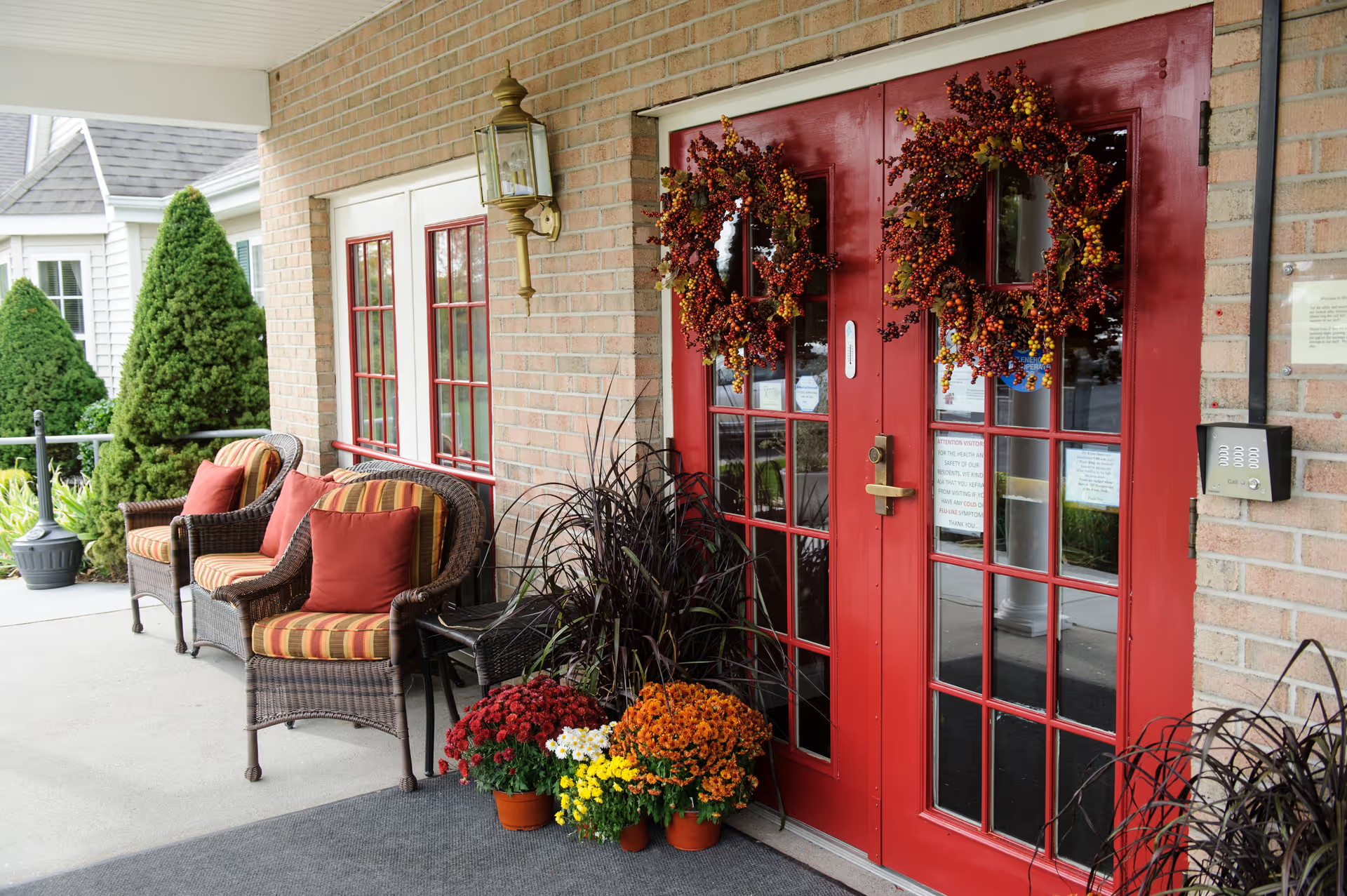
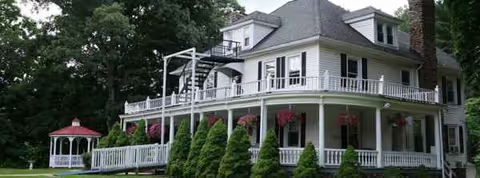
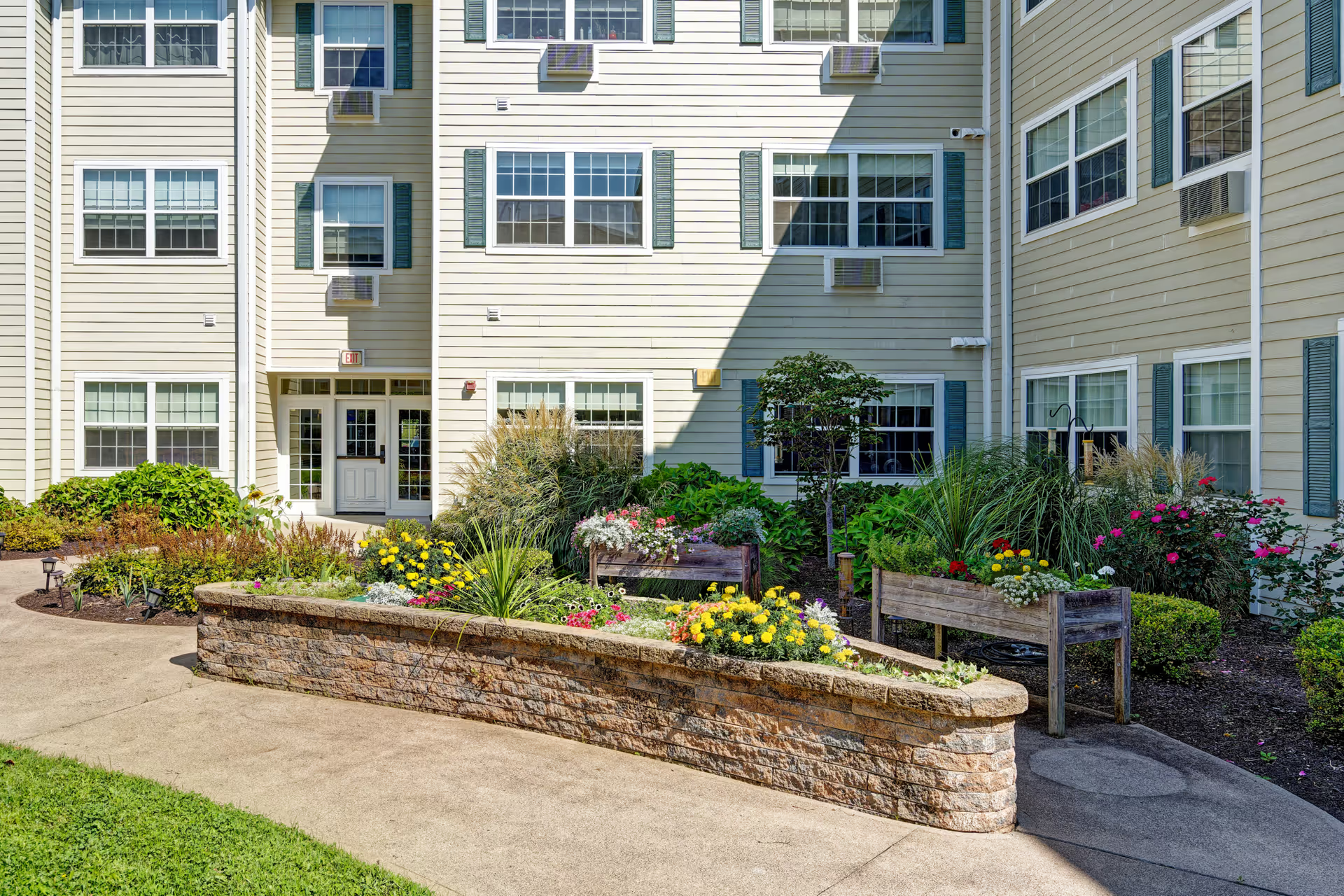
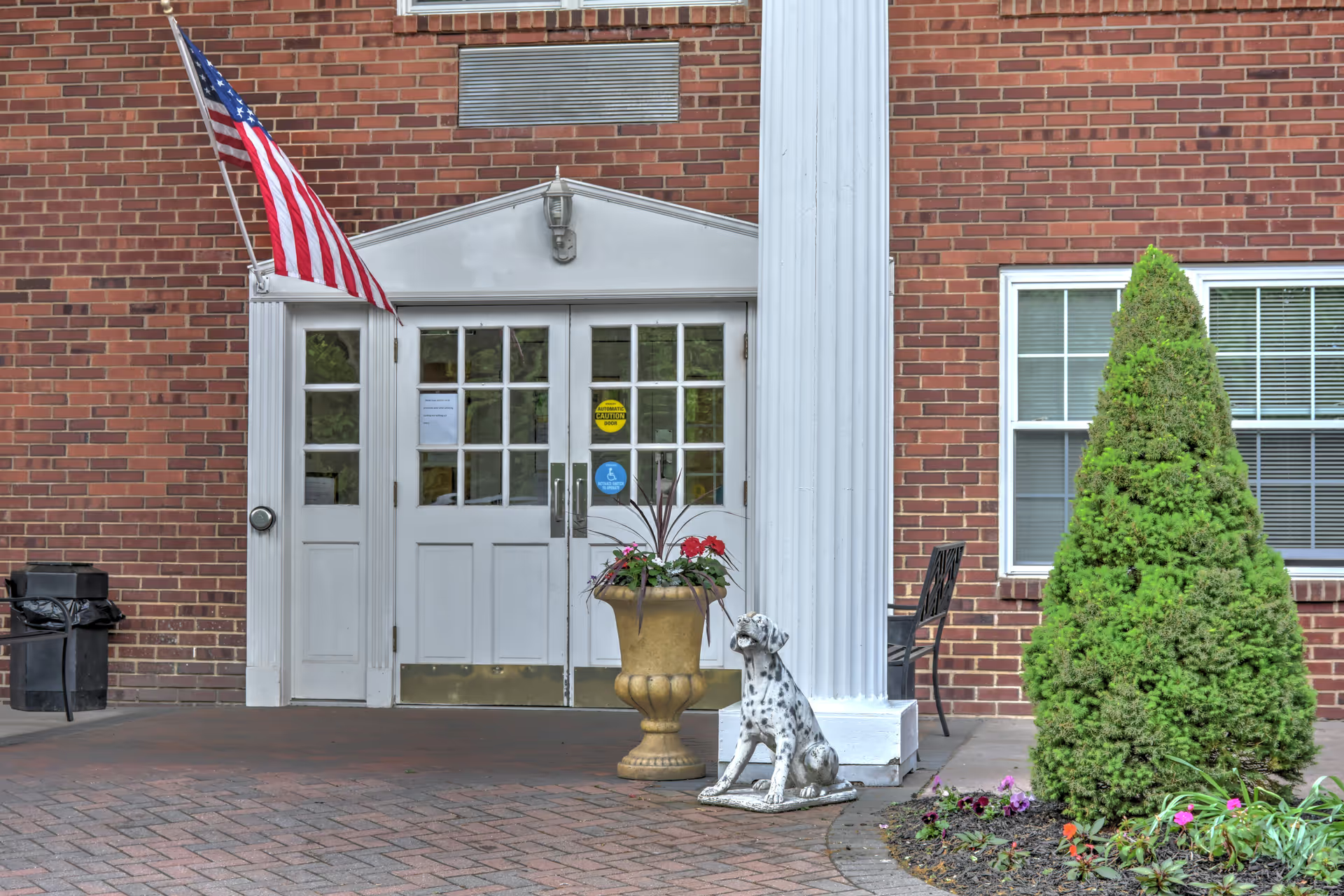
Masonicare at Greenridge Place presents as a well‑appointed, hotel‑like community with clean facilities, attractive grounds and a wide range of included services (meals, housekeeping, transportation). Many families and residents praise the welcoming reception, the compassionate caregiving staff, and the smooth move‑in processes. Assisted living residents commonly experience a robust calendar of activities (Tai Chi, bingo, crafts, live music and regular outings), restaurant‑style dining with daily specials, and responsive clinical attention for routine medical needs. Several accounts also highlight long‑tenured staff and engaged leadership as contributors to family confidence and peace of mind.
Care quality and staffing show a mixed pattern. Numerous reviews describe individual staff members who are particularly attentive and go beyond their roles to support residents; nursing teams are frequently credited with quick responses to medical issues. However, a subset of families raised concerns about medication administration and recordkeeping, including allegations of omitted doses and inconsistent documentation. There are also accounts referencing falls and transfer‑related injuries that suggest gaps in supervision and fall‑prevention practices; together these items point to inconsistent clinical controls rather than uniformly poor care. Memory‑care staffing and supervision are a recurrent concern: some families report an engaged, activity‑rich memory program, while others describe understaffing, limited outings, and residents spending long periods inactive. Prospective families should verify staffing ratios, on‑shift clinical coverage, and fall‑prevention protocols for the specific unit under consideration.
Dining and activities are strengths for many residents but show variable execution. Dining is generally described as restaurant‑style with appealing offerings and staff who engage residents; at the same time, reviewers note inconsistency in food quality across dishes and challenges accommodating certain dietary restrictions (for example, celiac needs). Activities in assisted living are viewed positively and plentiful, but memory‑care programming receives mixed feedback about frequency and diversity of engagement. If a future resident requires memory care, ask how that unit’s schedule, staffing, and outings differ from assisted living and whether memory‑care residents are included in broader community activities.
Facilities and amenities earn consistent praise: private and varied apartment configurations, salon, library, private dining rooms, and easy navigation of common spaces. Some units have smaller kitchenettes or compact layouts, and thin walls were noted by a few families; check floor plans during a tour to ensure the unit size and layout meet your needs. The community’s hotel‑like ambiance and cleanliness are repeatedly mentioned as positives.
Management and communication show both strengths and weaknesses. Several reviewers commend the executive leadership, tour staff and on‑site managers for prompt communication and helpful transitions; others describe instances where management communication and incident documentation were insufficient or inconsistent, including frustration when families sought formal records or acknowledgements of concerns. There are also notes about pandemic‑era policy variability and occasional inconsistent enforcement of infection‑control measures. Pricing and annual rent increases are a practical concern for some families; transparency about fee schedules and escalation policies is recommended to prospective residents.
Notable patterns for prospective families: the community appears to deliver high satisfaction for many in assisted living, driven by caring staff, attractive facilities and active programming. Memory care outcomes are more variable and tied closely to staffing levels and unit leadership. Clinical governance—especially medication administration, documentation practices, and fall prevention—emerges as an area to review carefully during tours. Recommended questions for families include staffing ratios by shift, medication‑administration protocols and audit practices, how memory‑care residents are engaged and transported for outings, dietary accommodation procedures, incident‑reporting and family notification policies, and the community’s approach to hospital transfers for dementia‑related behaviors. Verifying these operational details will help align expectations with the strengths and limitations described in existing accounts.