Addison Place at Glastonbury is described by many families as a warm, active community with strengths in resident engagement and a generally welcoming physical environment. The facility earns frequent praise for its caregiving staff who are viewed as kind, accommodating and responsive; several reviewers highlighted community relations and leadership staff as helpful in transitions and in resolving concerns. The activity program is a clear strength — reviewers cite a wide variety of social, cultural and therapeutic offerings (weekly trips, concerts, art and cooking classes, gardening and structured cognitive therapy) that support socialization and day‑to‑day engagement.
Clinical and daily‑care observations are mixed. Assisted‑living residents and families commonly describe attentive, compassionate care, smooth move‑ins, and therapy‑oriented cognitive supports. However, reviewers identify variability in the quality of care, with memory‑care services described as inconsistent in several accounts. Staffing patterns appear to drive much of that variability: chronic understaffing at weekends and nights, rushed shifts, and uneven training were described as factors that affect timeliness and thoroughness of assistance. Families who prioritize continuity of direct caregiving or higher acuity supervision should verify current staffing levels, staff‑to‑resident ratios, and any dedicated memory‑care oversight during a tour.
Dining and housekeeping receive both positive and negative comments. The dining environment is often described as pleasant and restaurant‑like, and some residents enjoy the menu and mealtime activities; conversely, others note inconsistent meal service, occasional cold meals and long waits. Cleanliness is frequently satisfactory, but intermittent sanitation concerns in some rooms or common areas were reported. Prospective residents should inspect dining spaces and housekeeping practices in person and ask about meal‑service protocols and timing.
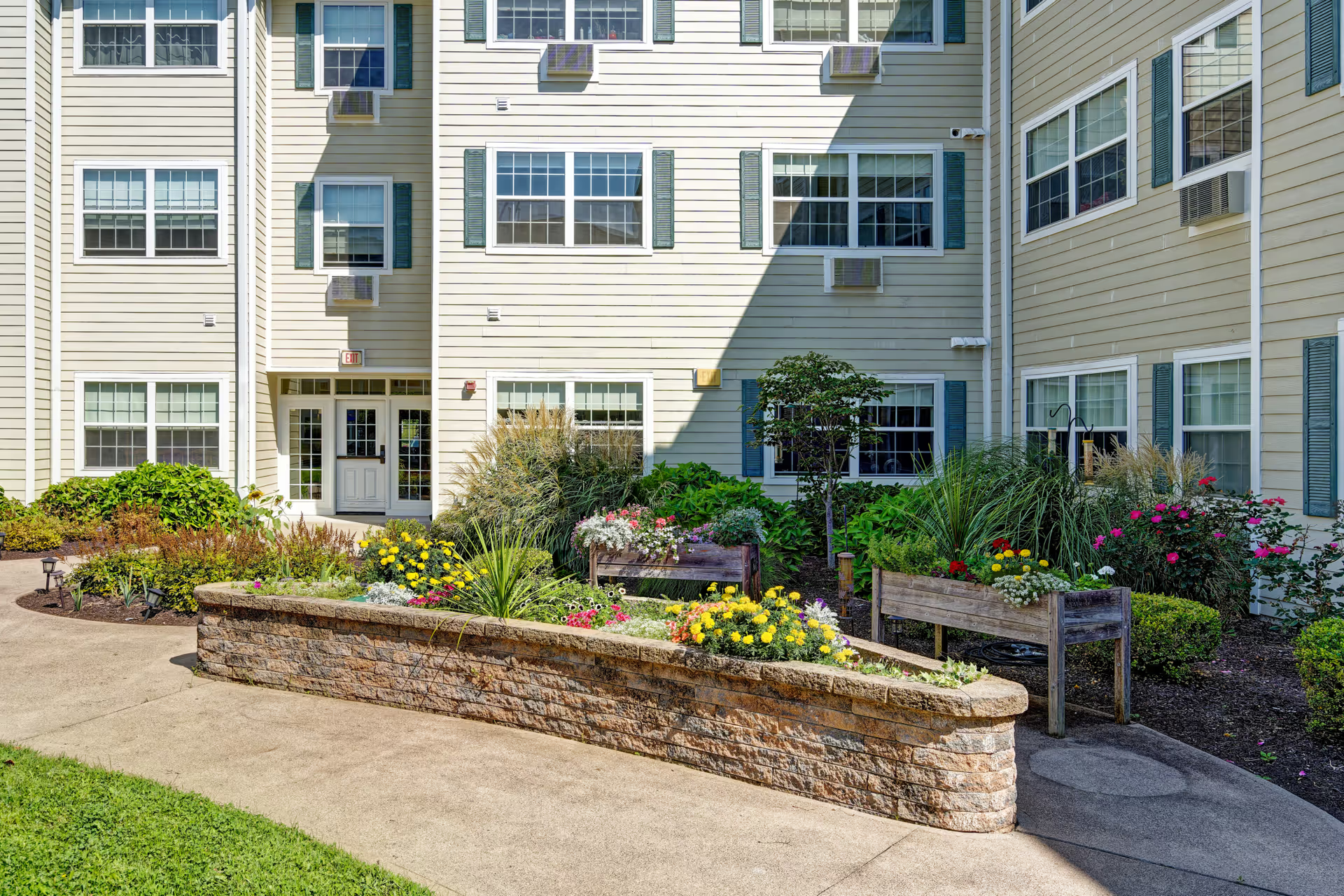
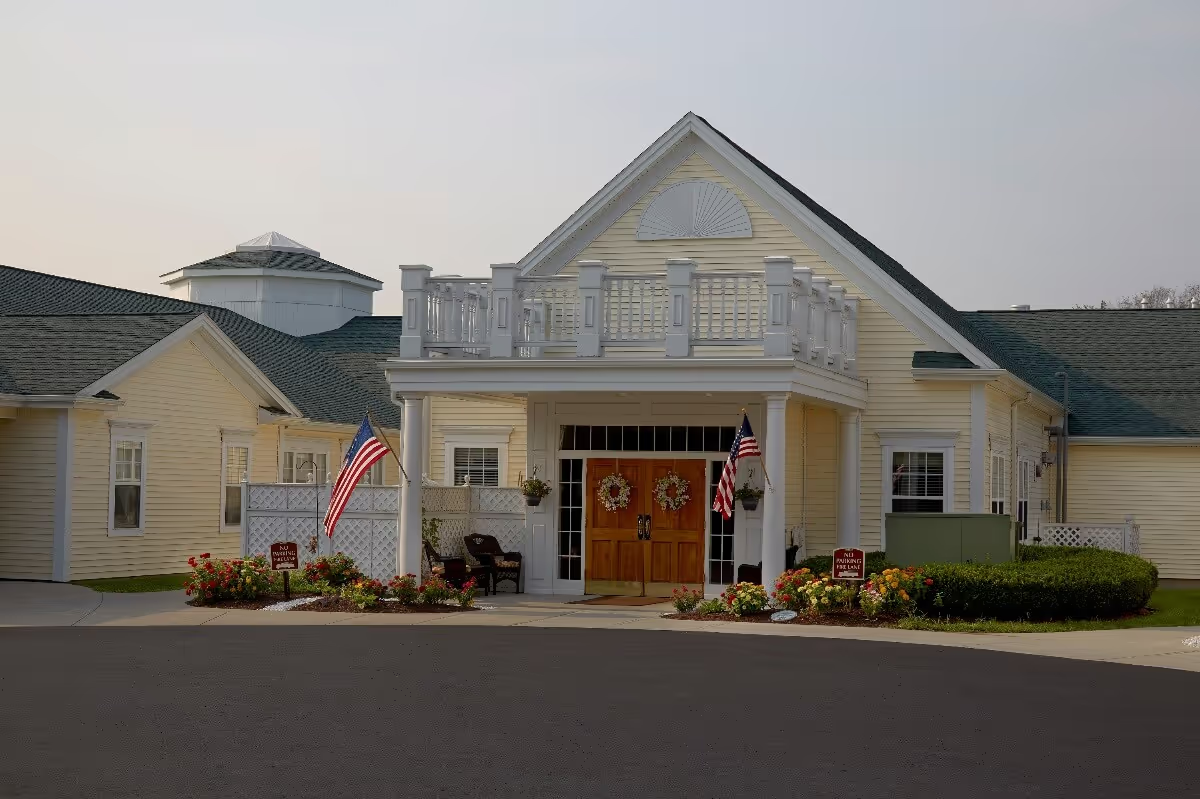
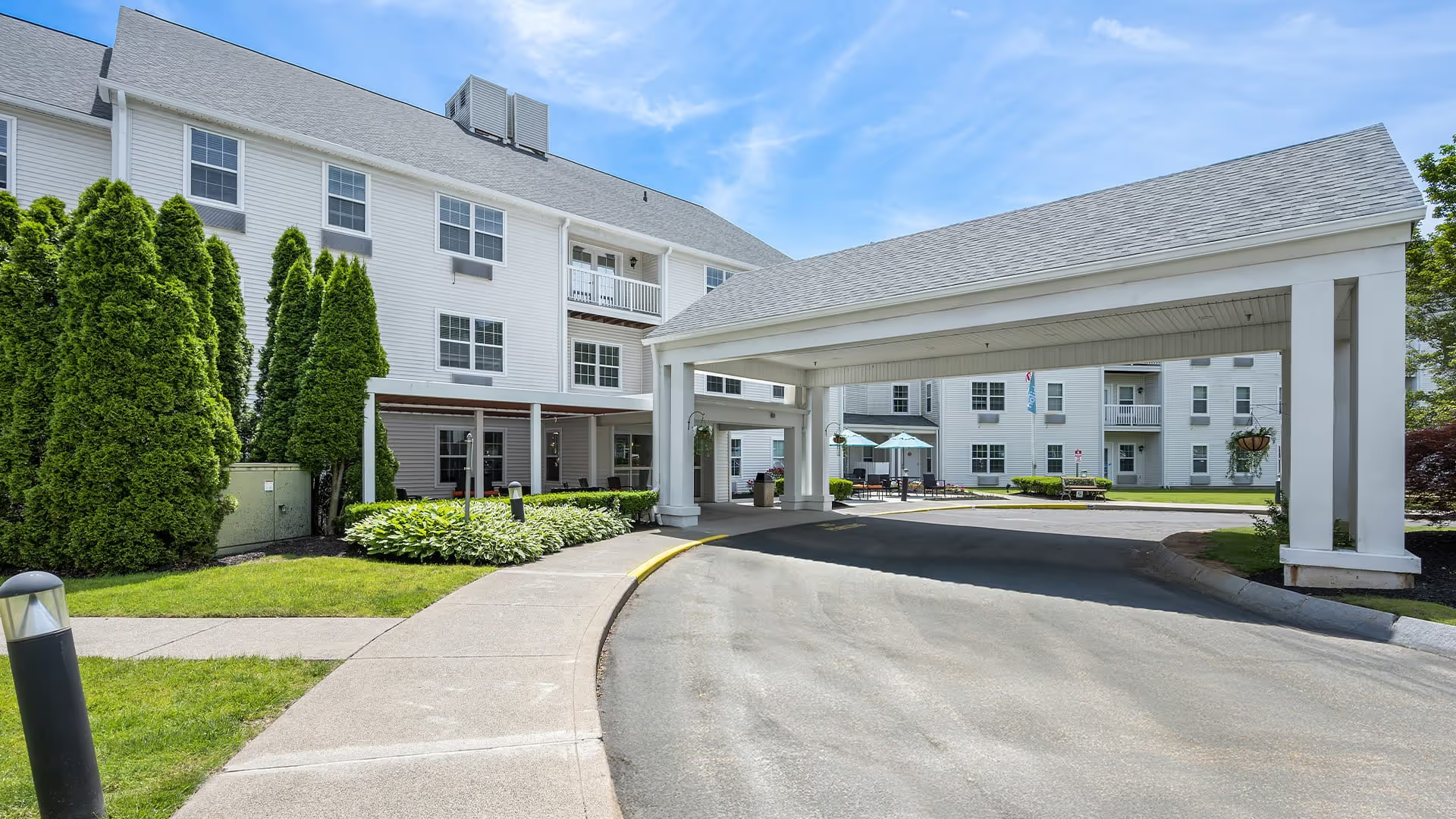
Facility amenities and location are generally well regarded: reviewers mention attractive common areas (lobby fireplaces, library, patios), raised garden beds, community transportation, and proximity to services. Apartment sizes vary; some units are praised as spacious while others are described as small or spread across multiple hallways. Memory‑care units are noted as secure and intimate in some descriptions, which may suit residents who need a smaller setting.
Management and administrative patterns show contrasts. Several families commend specific staff and administrators for responsiveness and hands‑on leadership, while other accounts raise concerns about follow‑up, privacy (staff discussing residents in public areas), front‑desk screening, aggressive sales tactics, and occasional billing/accounting errors. These operational and communication gaps appear to be intermittent but significant to affected families; asking for written care plans, documented post‑move follow‑up, and clarification of billing practices during the admission process is advisable.
Overall, Addison Place presents as a community with many strengths in social programming, resident engagement and a welcoming physical environment, supported by staff who are often described as caring and committed. At the same time, variability in staffing, inconsistent execution of some clinical and dining services, and administrative follow‑through are recurring themes. Prospective residents and families should tour the building, meet direct‑care staff, review current staffing levels for the units of interest (especially memory care), request sample care‑plan documentation, and clarify billing and sales practices to assess fit for individual needs and expectations.