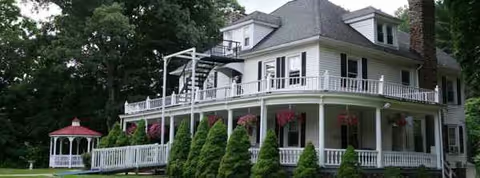
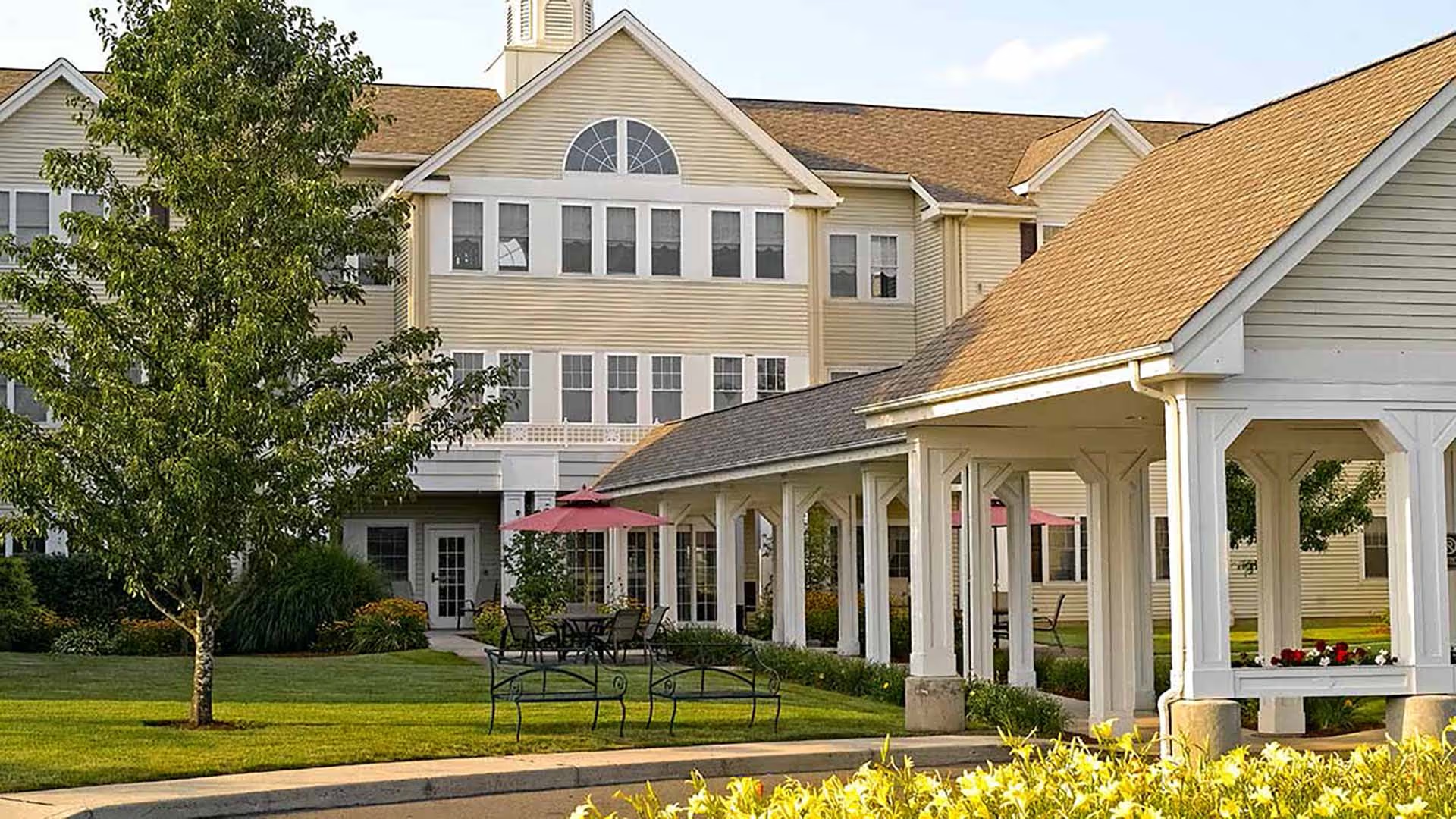
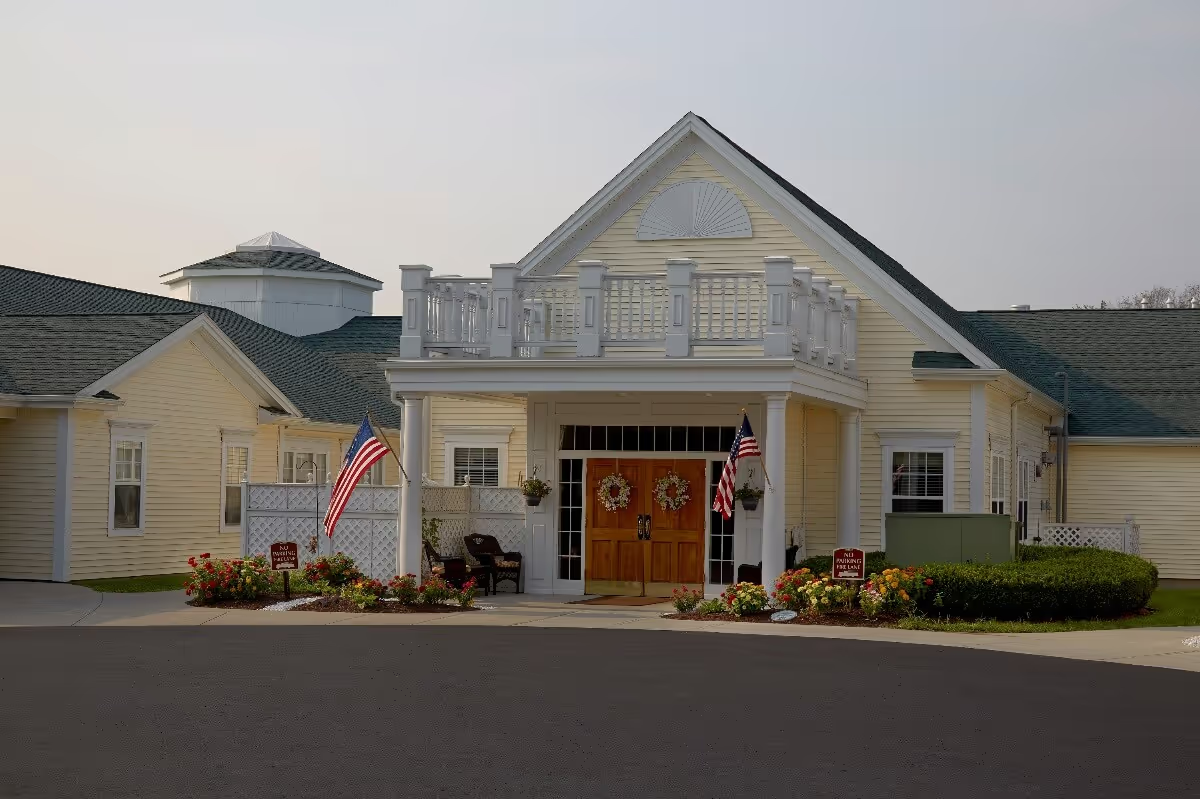
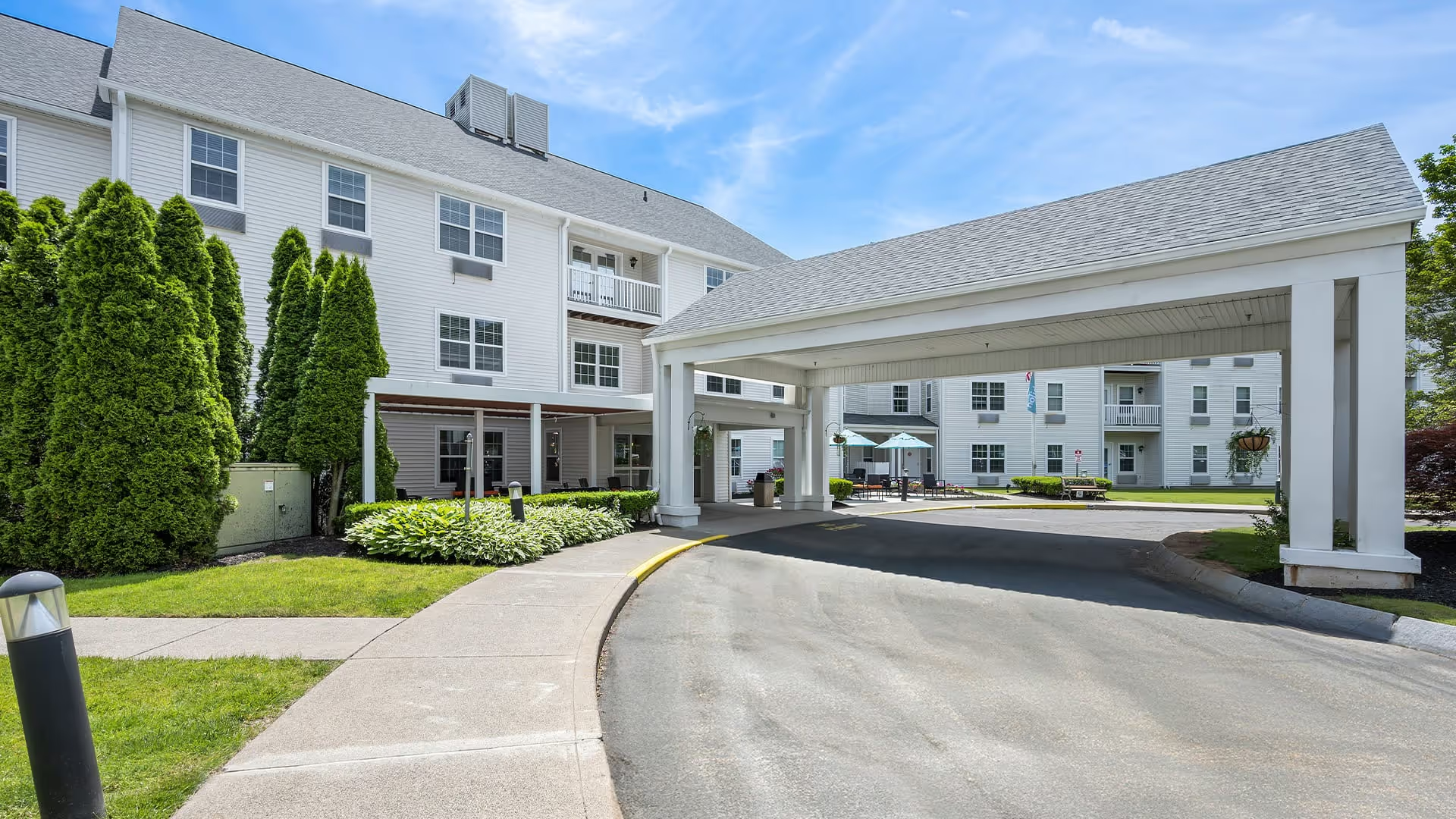
The Residence at Glastonbury elicits strongly mixed but specific impressions. Many reviewers describe a clean, modern building with spacious, bright apartments and amenity-rich common areas (courtyard, gym, recreation rooms, therapy space). The memory-care neighborhood and on-site rehabilitation services are frequently praised, and numerous families compliment the nursing teams and therapists for clinical competence and follow-through.
Staff quality is a consistent positive theme: caregivers, nurses, activities staff, and front-desk personnel are often described as warm, attentive, and resident-focused. Activity programming receives frequent favorable mention — live music, outings, themed events, arts and crafts, and clubs such as Red Hat society are highlighted as promoting socialization and engagement. Several reviewers also single out chef-driven menu options and rotating selections as strong elements when well executed.
Alongside these strengths, a number of operational weaknesses recur across the feedback. Staffing patterns and turnover are a prominent concern: reviewers describe intermittent short-staffing (notably during meals and evenings), inconsistent aide assignment, and what some characterize as inadequate on-the-job training for nurse aides. These issues are linked in several accounts to delays in responding to call lights, inconsistent assistance with activities of daily living, and uneven attention to fall risk.
Medication management and clinical communication emerge as another area of concern. Multiple notes describe missed or incorrect medication administration and the need for family intervention to ensure timely dosing. While nursing staff are often singled out as competent, the broader medication-administration process and follow-up communication with families are described as uneven.
Dining and kitchen operations show a split pattern. Some reviewers report high-quality, chef-driven meals with fresh, varied selections; others report declines in food quality, inconsistent portioning/temperature, high-sodium or heavy offerings, and disorganized meal service. A small number of accounts reference food-handling and sanitation concerns; these should prompt targeted questions during a tour about kitchen policies and recent corrective actions.
Management and administrative themes are mixed. Several reviewers praise a proactive new director and responsive department heads who improved activities and operations after a transition. At the same time, others cite management turnover, opaque billing and contract practices, pressured marketing interactions, and limited transparency about tenant rights or incident follow-up. These items suggest variability in leadership responsiveness depending on the current management team.
There are occasional mentions of pest-control incidents and access-control delays (entrance/door-unlock waits) that led to resident distress in isolated cases; these are operational items worth verifying in person. Finally, while memory care is frequently lauded, reviewers caution that the facility may have limited capacity to absorb sudden increases in medical acuity for residents who need a higher level of clinical care.
For prospective residents and families: the facility offers many strengths — strong clinical teams, active programming, attractive amenities, and a clean environment — but also some consistent operational risks tied to staffing, medication processes, dining consistency, and administrative transparency. When evaluating this community, plan to observe staffing patterns during peak periods, review medication-administration protocols and training, sample meals, ask about recent pest-control and food-safety actions, and obtain written clarity about billing and contract terms.