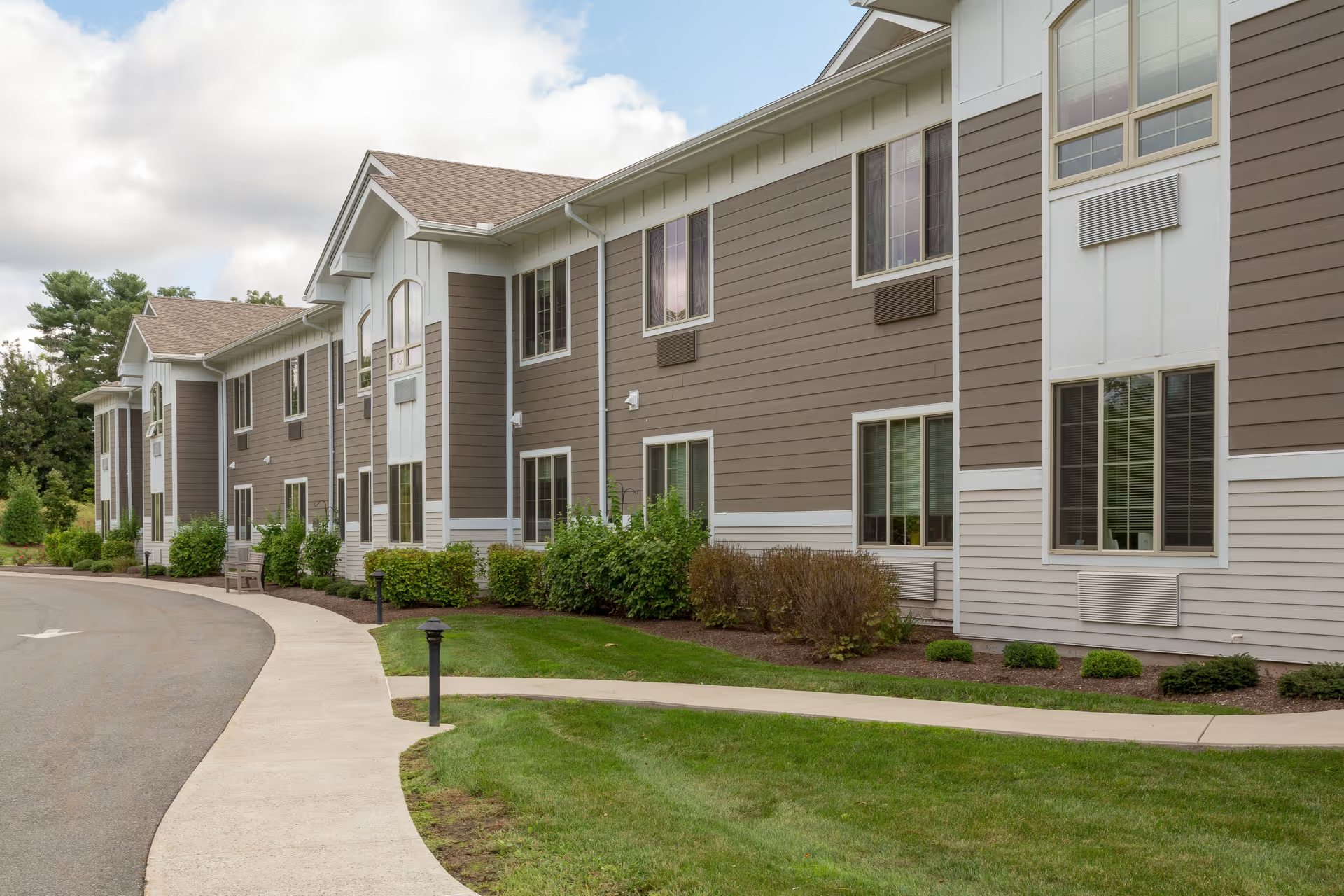
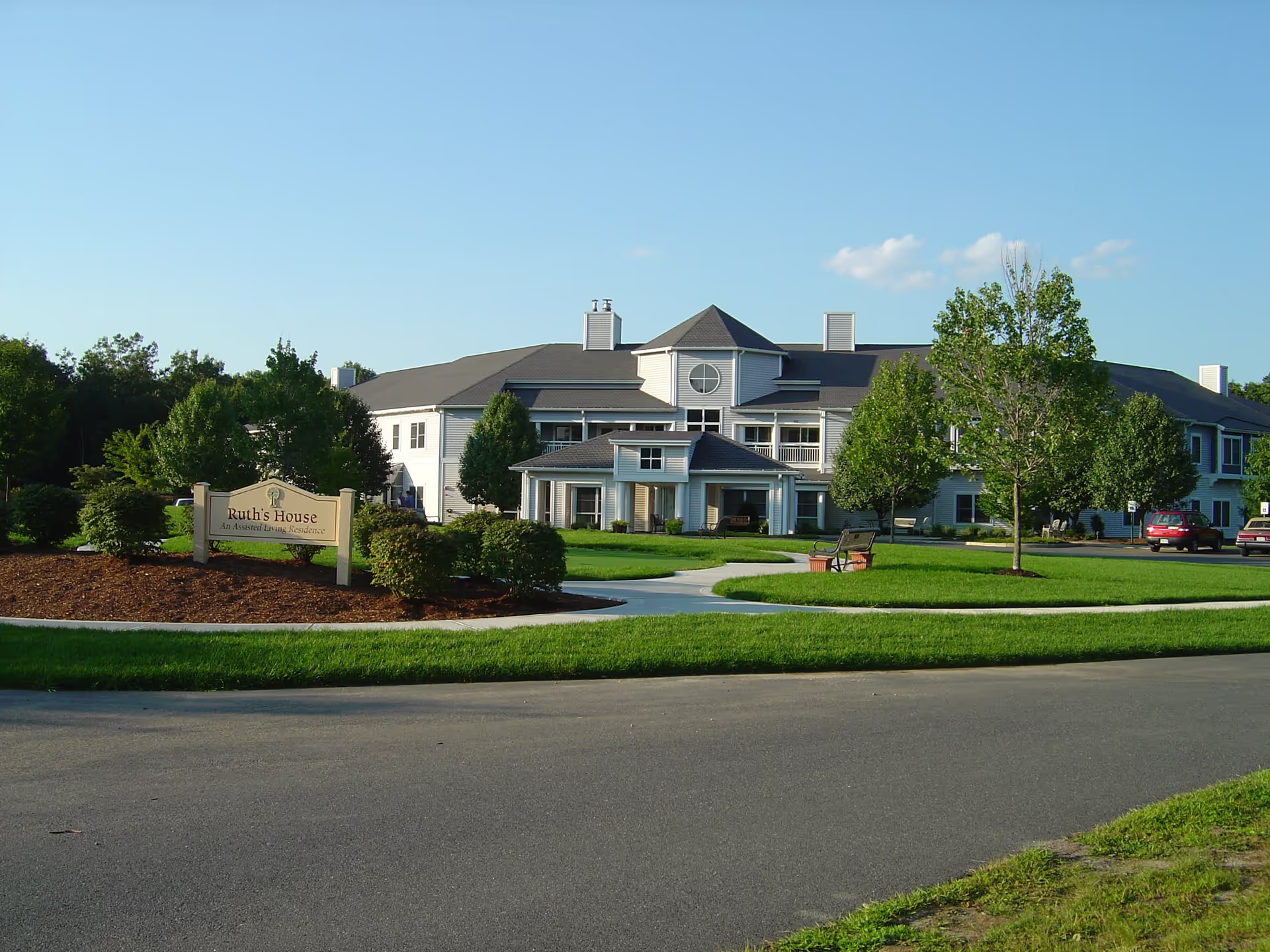
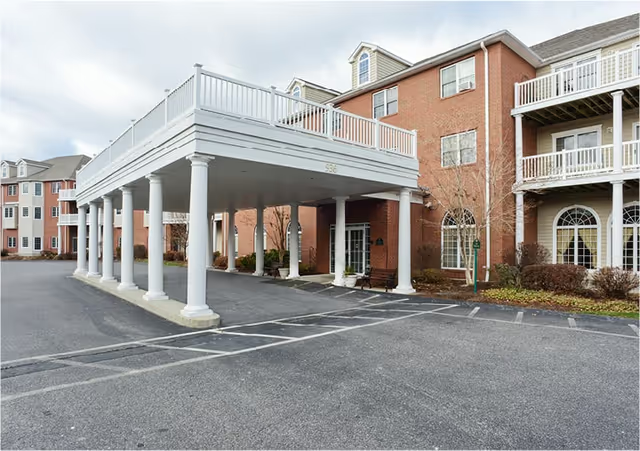
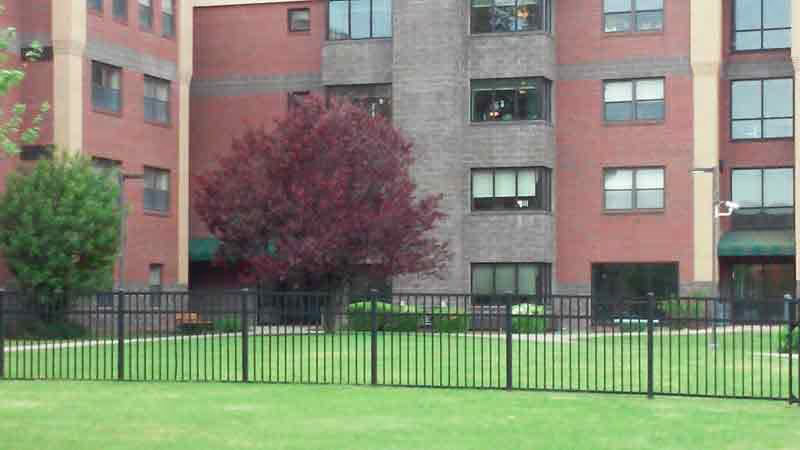
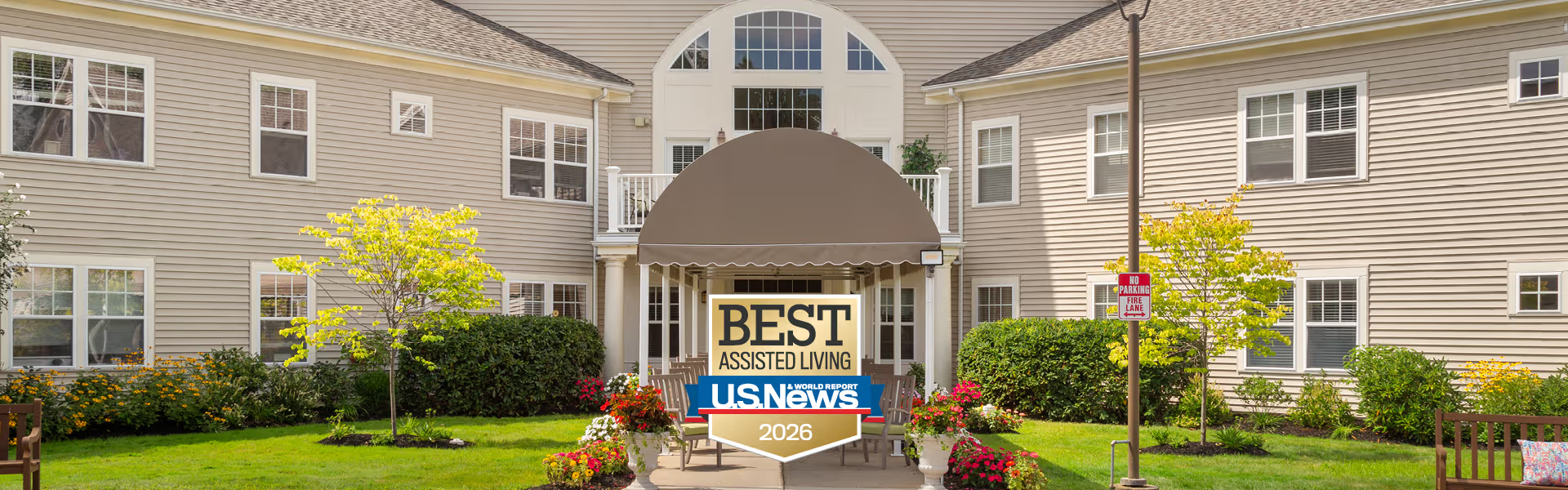
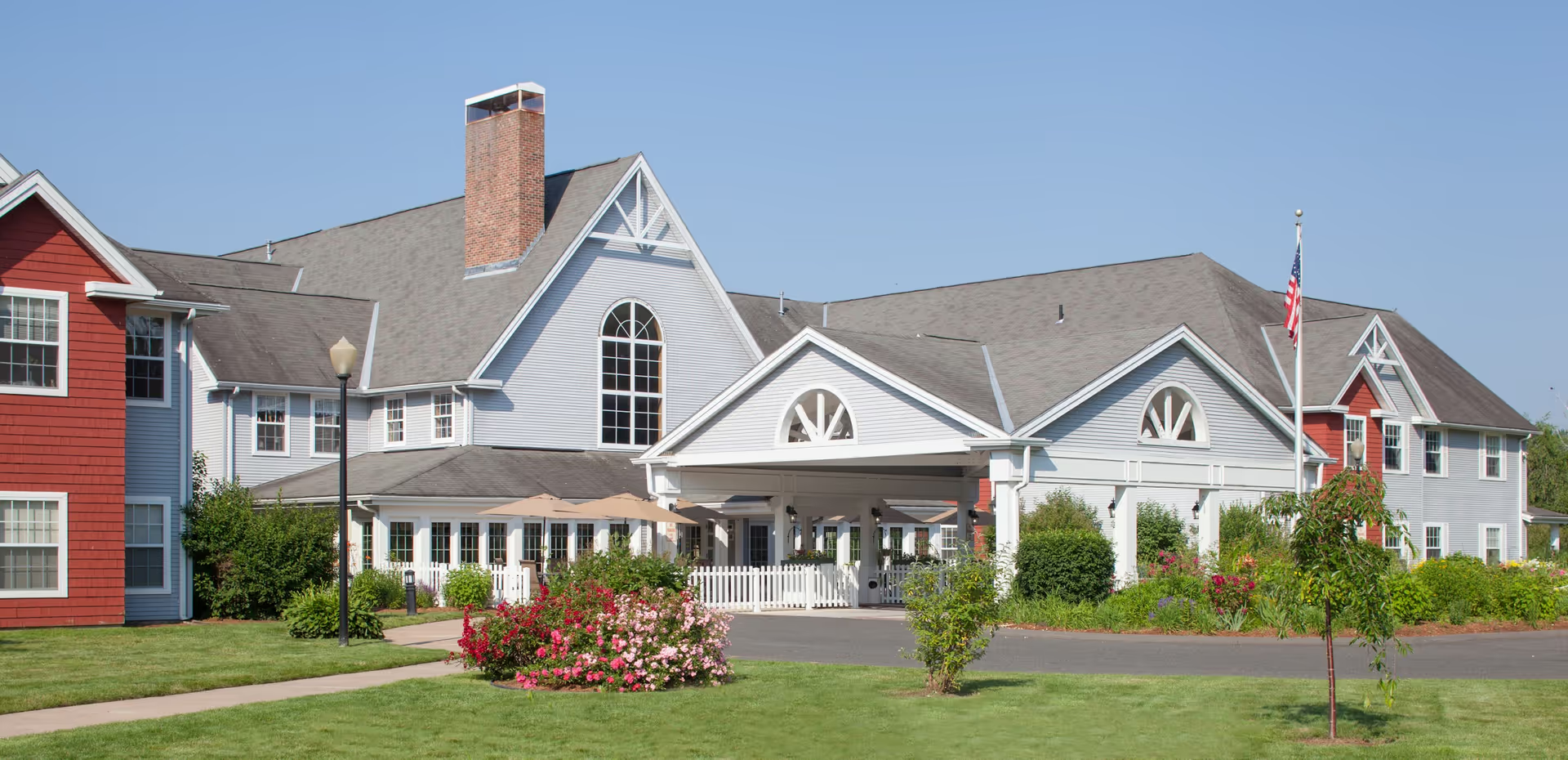
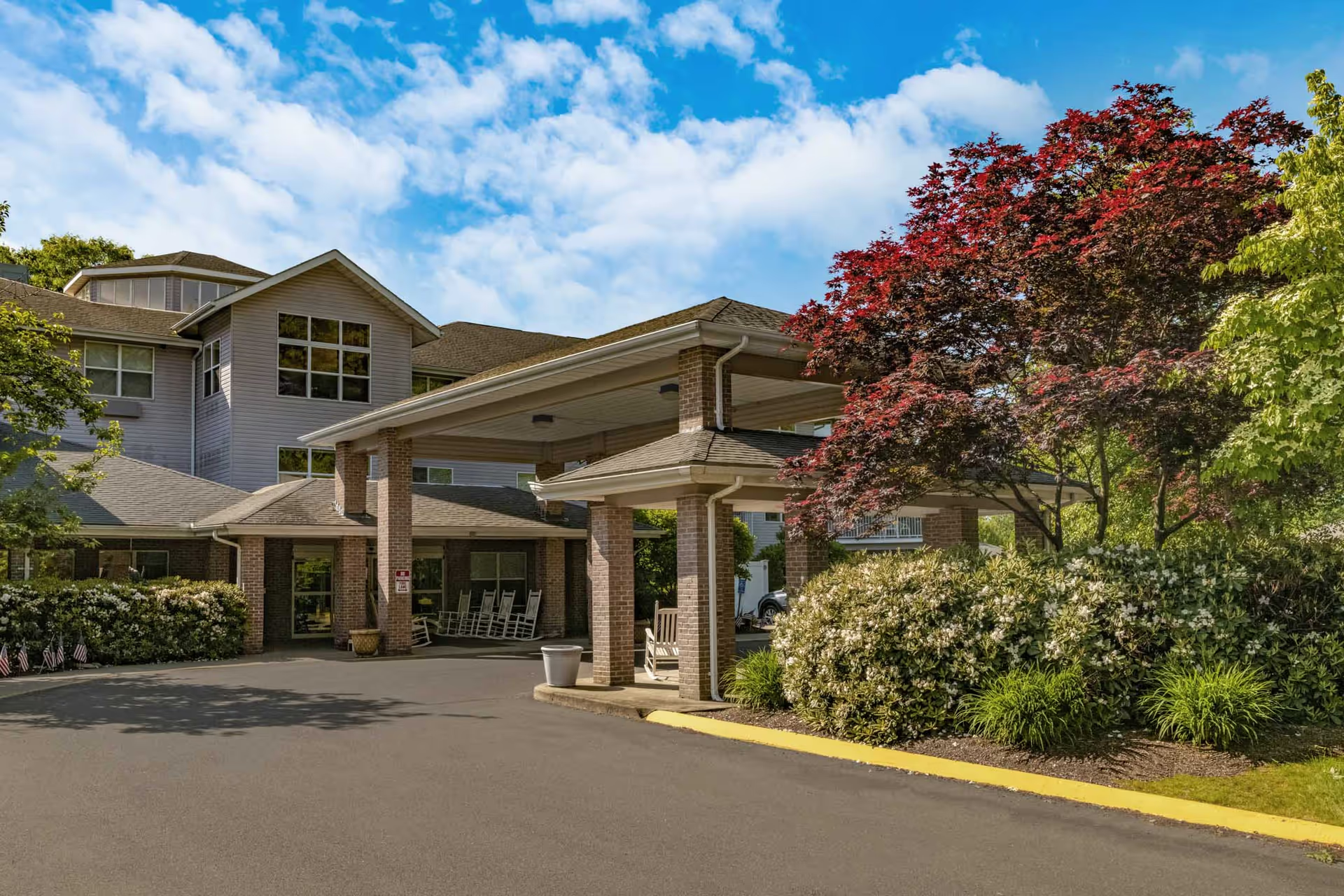
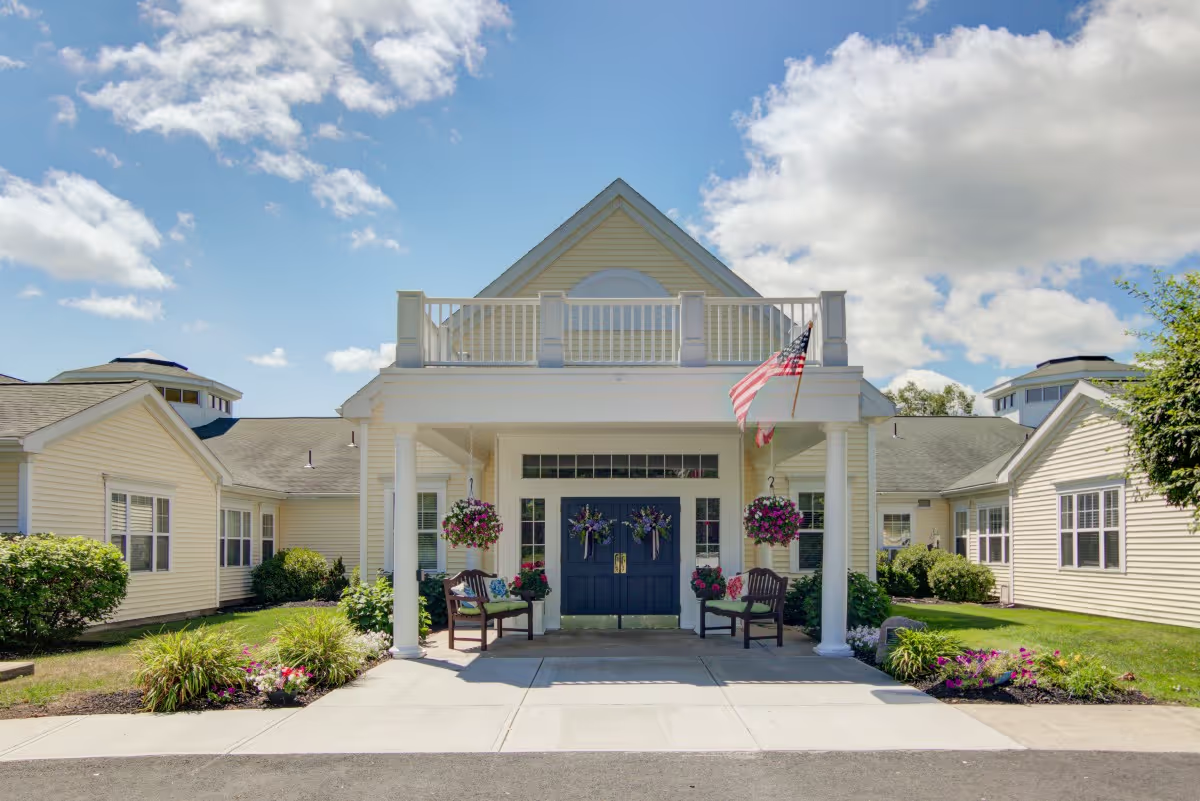
Holiday Bluebird Estates presents as a well-maintained independent-living community with a strong emphasis on social programming and groundskeeping. Reviewers consistently praised the facility’s landscaping, renovated common areas, and a range of apartment formats that include kitchenettes and outdoor spaces in some units. The property offers many communal amenities — library, activity rooms, gym, reading and puzzle areas, a community garden, and frequent live entertainment — that create a lively, social environment for residents.
Staff and care are the facility’s most frequently noted strengths. Many families and residents described staff as friendly, compassionate, and responsive; activity and dining staff in particular receive frequent positive mention. Infection-control practices, cleanliness, and maintenance are commonly cited as high quality. At the same time, there are recurring operational concerns: staffing turnover and burnout appear to affect service consistency in several areas, and a subset of comments point to gaps in responsiveness and communication, including billing or incident follow-up. While the community supports independence and a social lifestyle, it does not consistently present a robust on-site continuum for higher-acuity assisted-care needs.
Dining and meal service show a mixed pattern. Several reviewers praised specific chefs, meal variety, posted menus, and the dining-room social experience; others described declining or inconsistent food quality, intermittent menu changes, and occasional service interruptions. Meal plans, posted alternatives, and snack/coffee availability are positives, but food quality consistency and meal-service continuity are notable operational weaknesses that prospective residents should investigate during a tour.
Activities are broad and frequent, spanning fitness classes, music, games, clubs, outings, and special events. The community programming creates many opportunities for social engagement and resident-led activities. However, a number of residents seeking more intellectually demanding or highly active programming found offerings less tailored to their expectations. The community was also affected by COVID-era restrictions in the past, and some activity levels and transportation windows are still described as more limited than desired.
Facility design and unit features vary. Many units and common spaces have been renovated and are described as clean and airy; others are noted as dated, small, or lacking certain appliances (no oven or limited kitchenette cooking capacity) or balconies. Some dining and activity spaces are described as drafty or auditorium-like, and a few units are situated at a distance from main activity hubs or have separate external entrances that raise access or safety questions for some families.
Management impressions are mixed. Several reviewers praised communicative, accommodating management and smooth move-in processes; others described inconsistent execution of corporate decisions, price increases, amenity reductions, and occasional communication or billing problems. Prospective residents should clarify current staffing levels, housekeeping schedules, dining commitments, and the facility’s approach to transitions to higher levels of care before signing.
Overall, Holiday Bluebird Estates is frequently recommended for older adults seeking an active, social independent-living setting with attentive staff and attractive grounds. The principal trade-offs are variable dining quality, operational consistency tied to staffing turnover, and relatively high costs. Families should tour multiple unit types, sample meals if possible, and ask specific questions about staffing, housekeeping frequency, transportation windows, and availability of higher-acuity services to determine fit with the prospective resident’s needs and expectations.