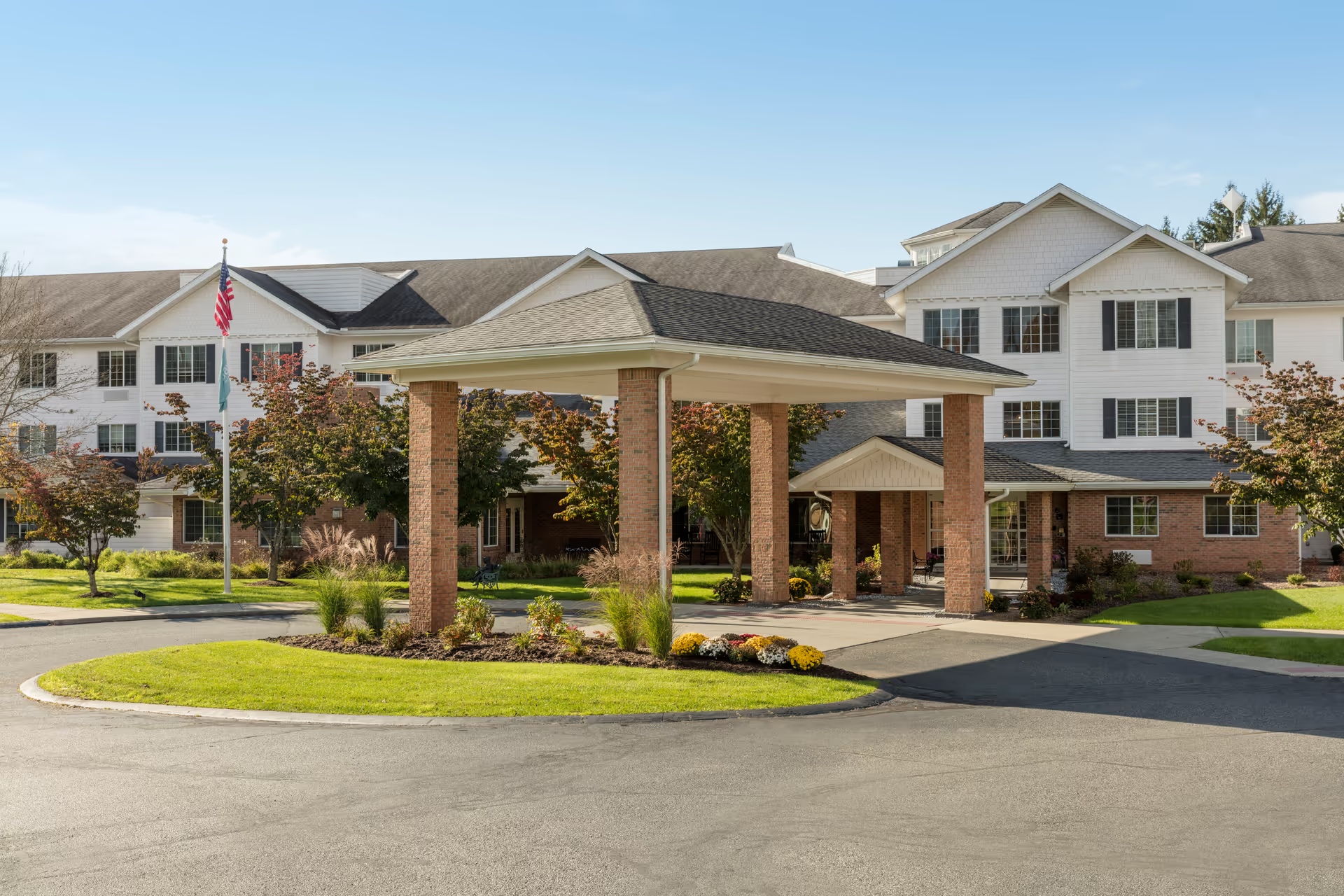
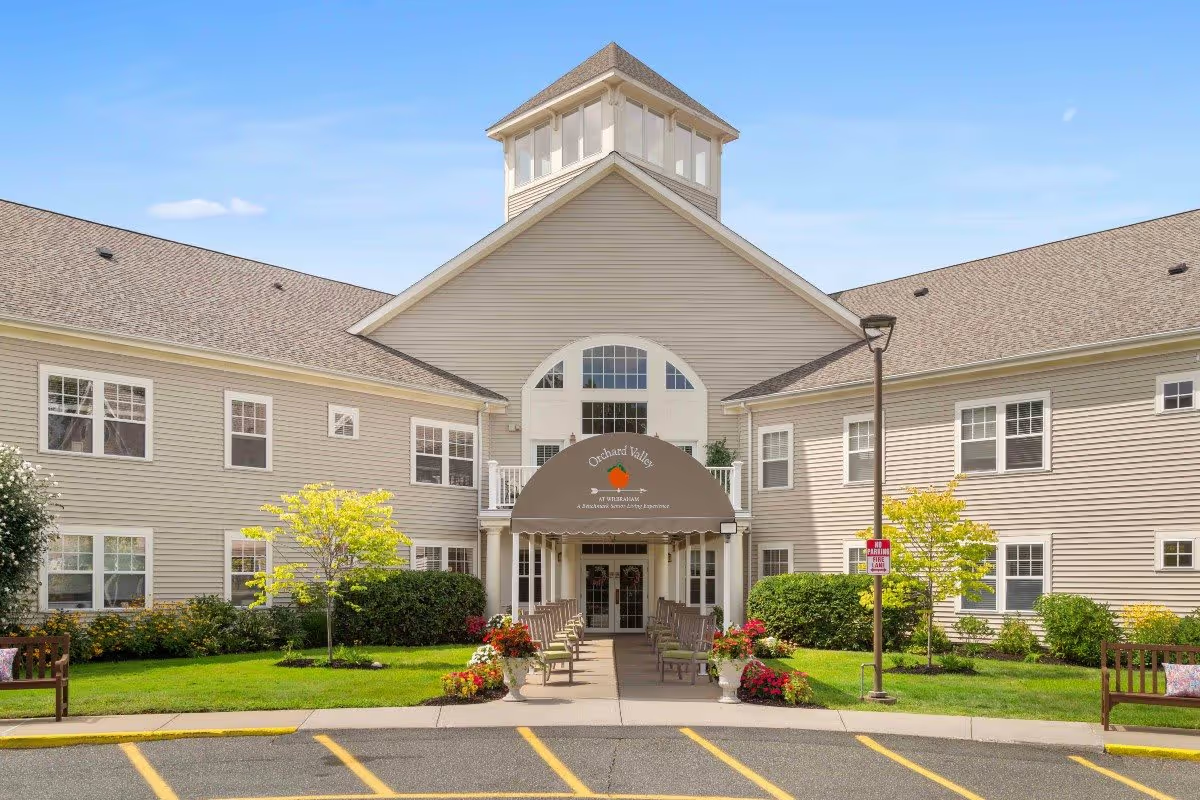
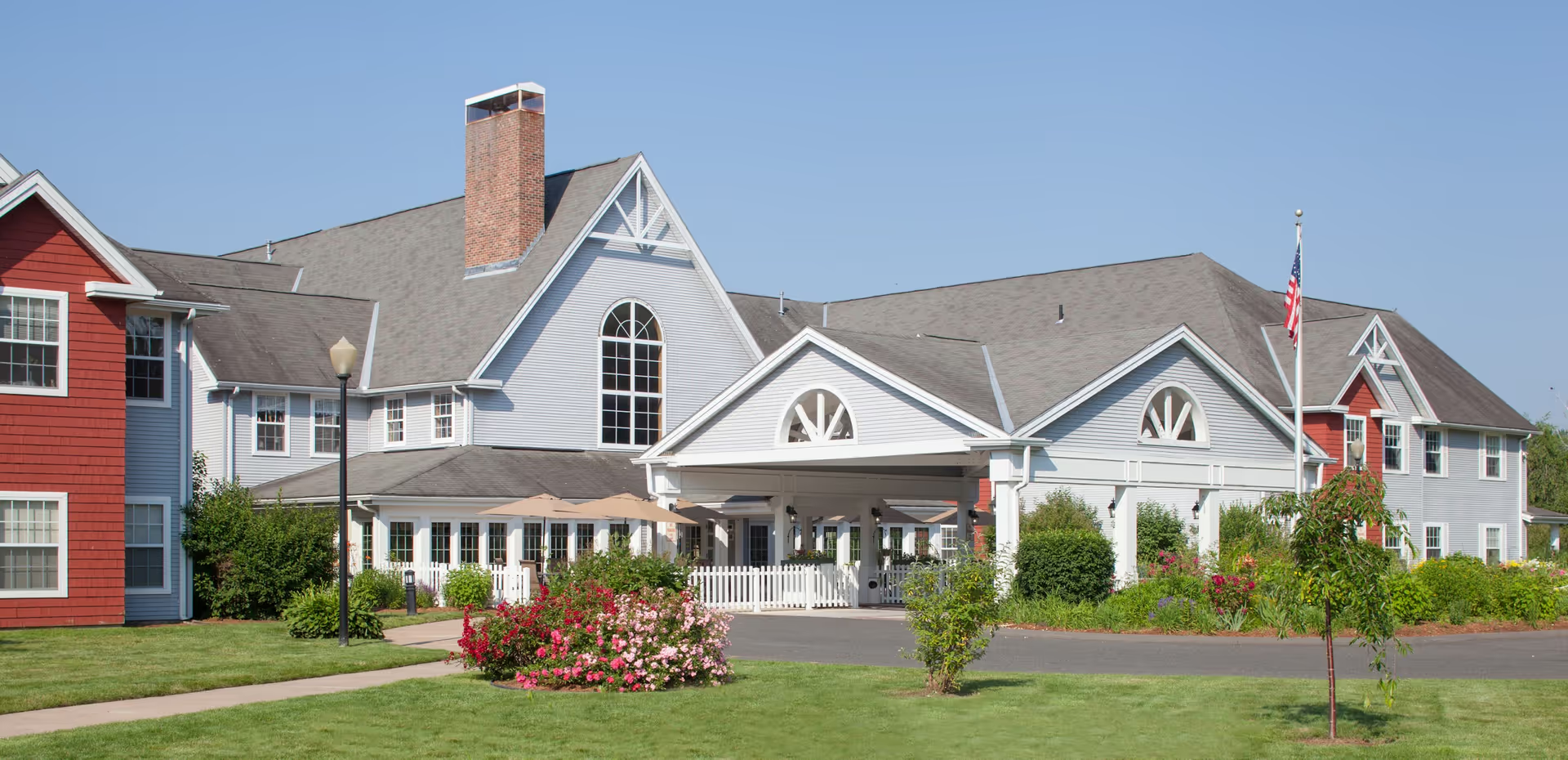
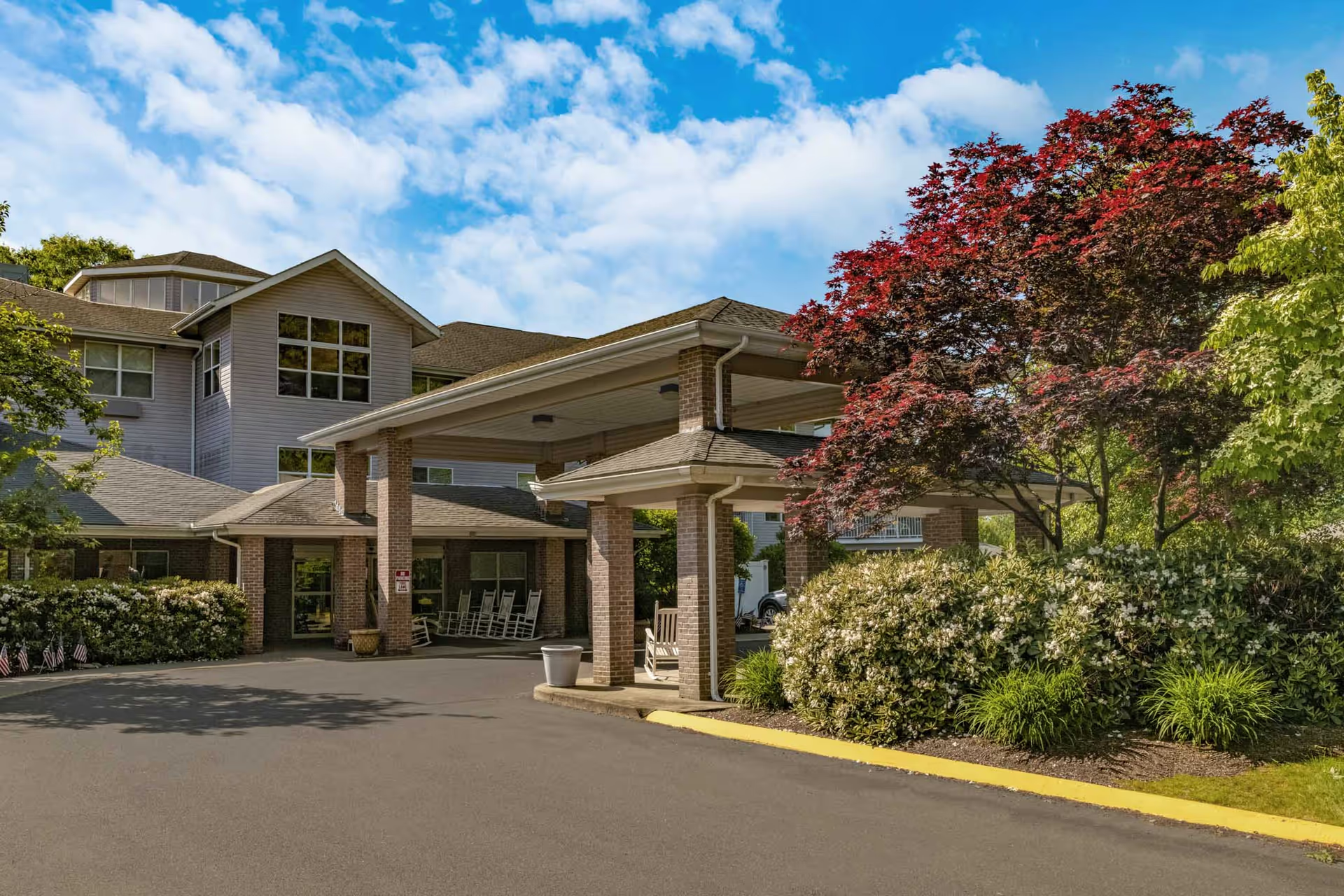
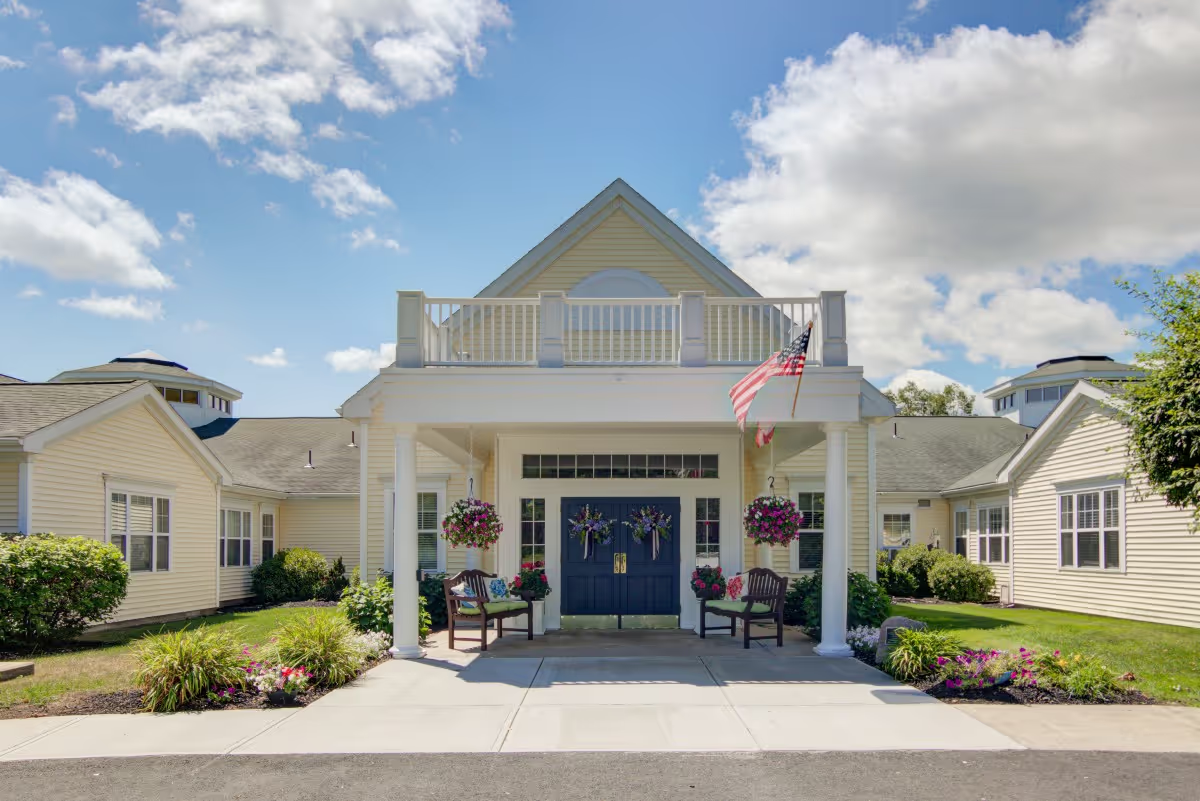
The Reserve at East Longmeadow presents a clear contrast between its physical environment and some aspects of care operations. Many comments praise the property itself: a modern, well-appointed campus with hotel-like common areas, abundant natural light, and extensive amenities such as a salon, theatre, gardens, and a variety of communal spaces. Dining is frequently a highlight when led by an engaged culinary team — families note chef-prepared meals, varied menus, and an attractive dining experience. Admissions and sales staff are often praised for facilitating smooth move-ins and providing timely information during transition periods.
Staffing and day-to-day care are described variably. Numerous accounts emphasize compassionate, attentive caregivers, strong nursing involvement, effective medication management, and personalized care plans that create a sense of family for many residents. At the same time, there is a recurrent pattern of operational issues: chronic understaffing, high turnover, and variability in aide skill and responsiveness. These factors are most pronounced in the community's memory-care unit, where concerns include limited dementia-specific training, inconsistent activity engagement, nighttime coverage gaps, and safety vulnerabilities such as exit-seeking behavior and unwitnessed incidents. For residents with mid- to late-stage cognitive impairment, several observers concluded that the unit did not reliably meet higher-acuity needs.
Dining and household services show strengths but also inconsistency. While the on-site dining program and certain staff members receive strong praise, other families note declines in food quality after staffing changes, occasional missed or late meals, limited beverage or specialized-diet availability, and interruptions to meal service during delivery to rooms. Housekeeping, laundry, and maintenance receive generally positive comments about routine cleanliness and upkeep of common areas, yet there are intermittent sanitation and maintenance follow-through concerns cited by some families that suggest inconsistent execution in specific units or shifts.
Management and communication are mixed themes. Several families experienced timely, transparent communication and proactive problem-solving from nurses and department leaders; others describe leadership turnover, delayed responses to concerns, and perceptions of aggressive billing or additional charges beyond expected fees. These governance issues affect family trust—particularly when clinical incidents, transfers, or cost increases occur. A small number of accounts escalate to serious operational concerns (for example, coordination of hospital transfers and follow-up), which indicate the importance of clarifying incident protocols and escalation pathways before move-in.
Notable patterns for prospective residents and families: the Reserve offers an attractive living environment, strong programming, and many compassionate staff who provide meaningful personalized care. However, quality appears uneven by unit and shift, with the memory-care level showing the most consistent operational vulnerabilities. Families seeking the community should explicitly assess dementia-staffing ratios, night and weekend nurse coverage, training for dementia-specific behaviors and transfers, sanitation and laundry handling protocols, billing and extra-fee policies, and contingency plans for clinical incidents and hospital transfers. A thorough tour that includes the memory-care neighborhood during different shifts, direct conversations with nursing leadership, and written commitments about staffing and billing transparency will help align expectations with the mixed patterns observed in the reviews.