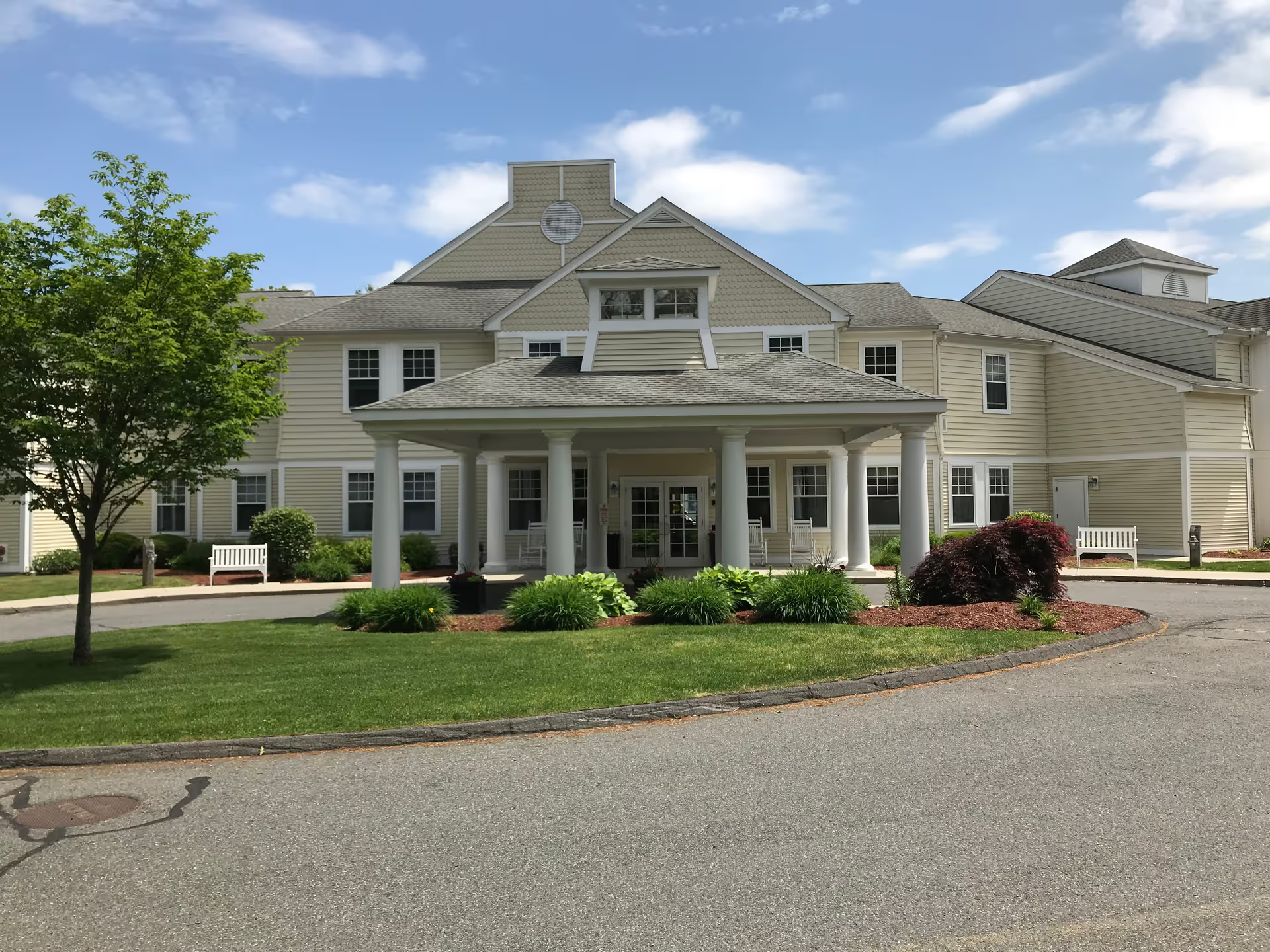
Benchmark at Orchard Valley elicits a broadly positive response for day-to-day living: reviewers consistently praise the staff’s warmth and compassion, the cleanliness and upkeep of the interior and grounds, and the accessible outdoor garden and courtyard. Many families found the community to feel small and family-like, with private, furnished apartments and secured memory-care options. Housekeeping and maintenance are often described as helpful, and the presence of on-site rehabilitation services (OT/PT), transportation for medical visits and shopping, and an active activities calendar (Bingo, movie nights, horticulture, scheduled outings) are cited as meaningful supports for resident engagement.
Care quality is a mixed area. Numerous reviewers describe attentive, caring nursing and direct-care staff and point to instances of strong clinical advocacy and after-hours attention. However, there is a recurring pattern of inconsistent care quality between shifts and occasional lapses in responsiveness. Specific operational issues linked to that pattern include incontinence-care process issues and communication breakdowns across nursing shifts and with families. Staffing shortages and coverage gaps are mentioned as contributing factors to inconsistent service levels.
Dining and activities are strong points, but reviewers note variability. The dining program is often characterized as restaurant-style with cooked-to-order breakfasts, daily specials, and family dining options; at the same time, some families report service delays, limited server availability during busy periods, and uneven food quality. The activities program is broad and active, with a full-time activities director in place and a range of social, creative, and wellness offerings that support socialization and routine.
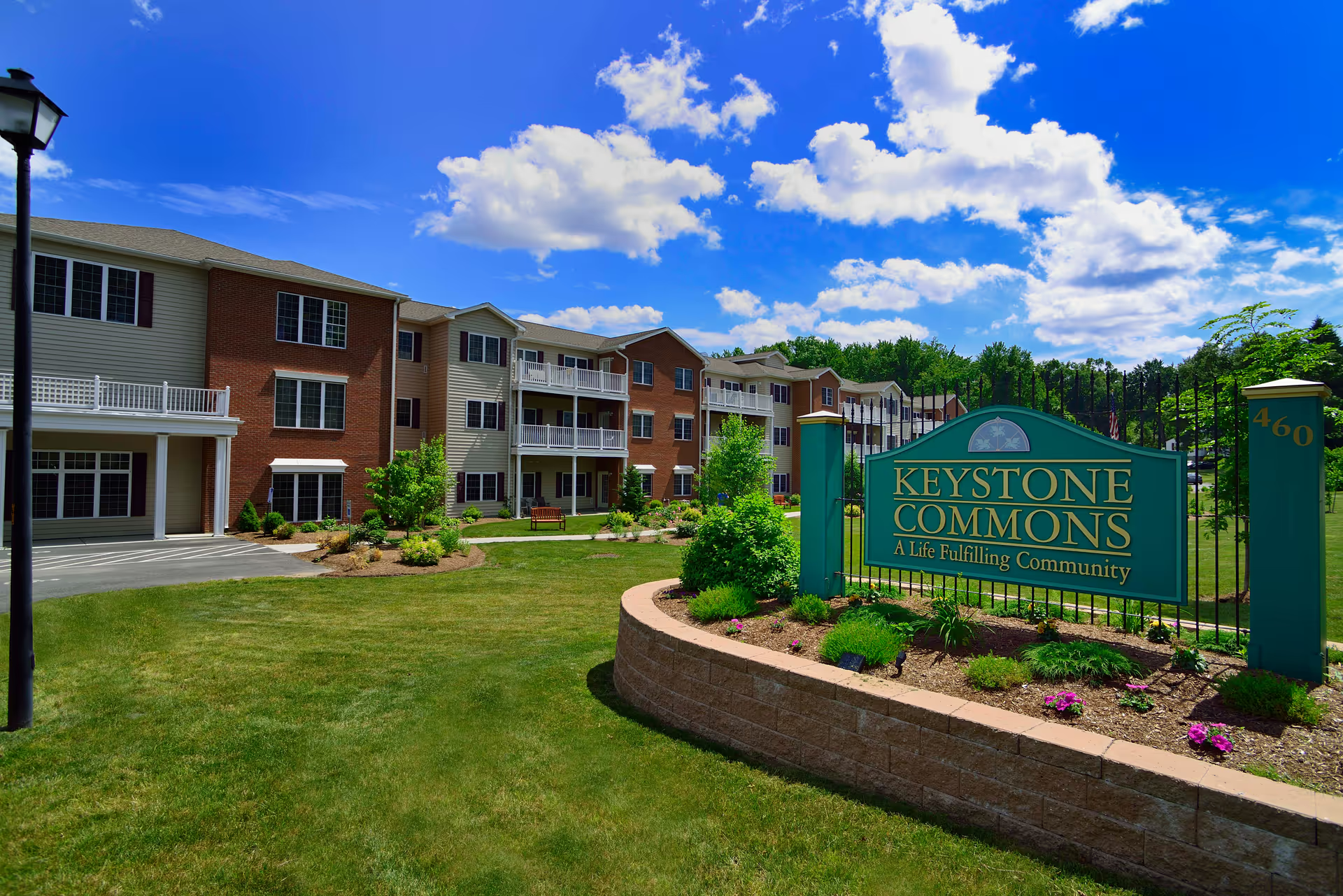
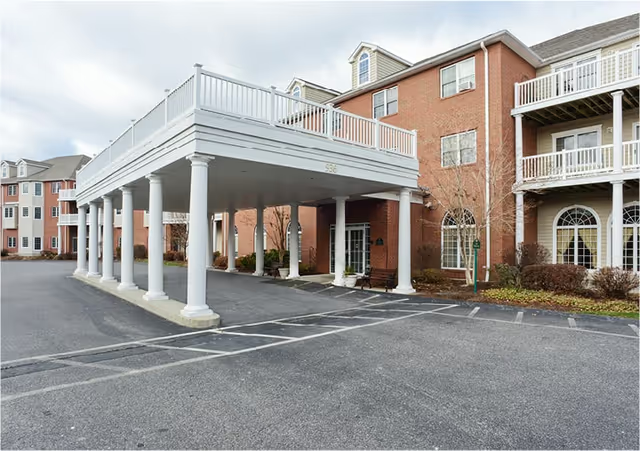
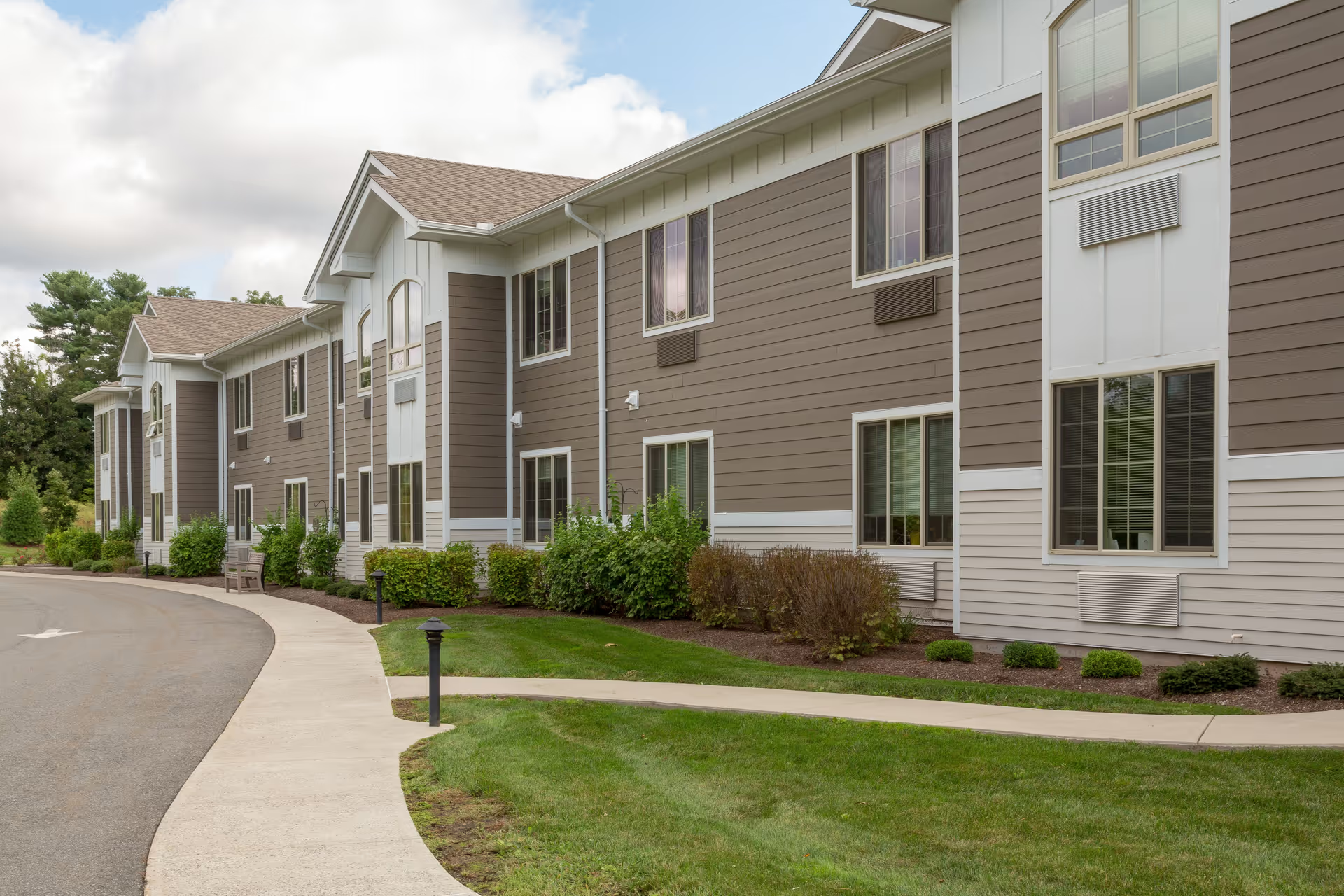
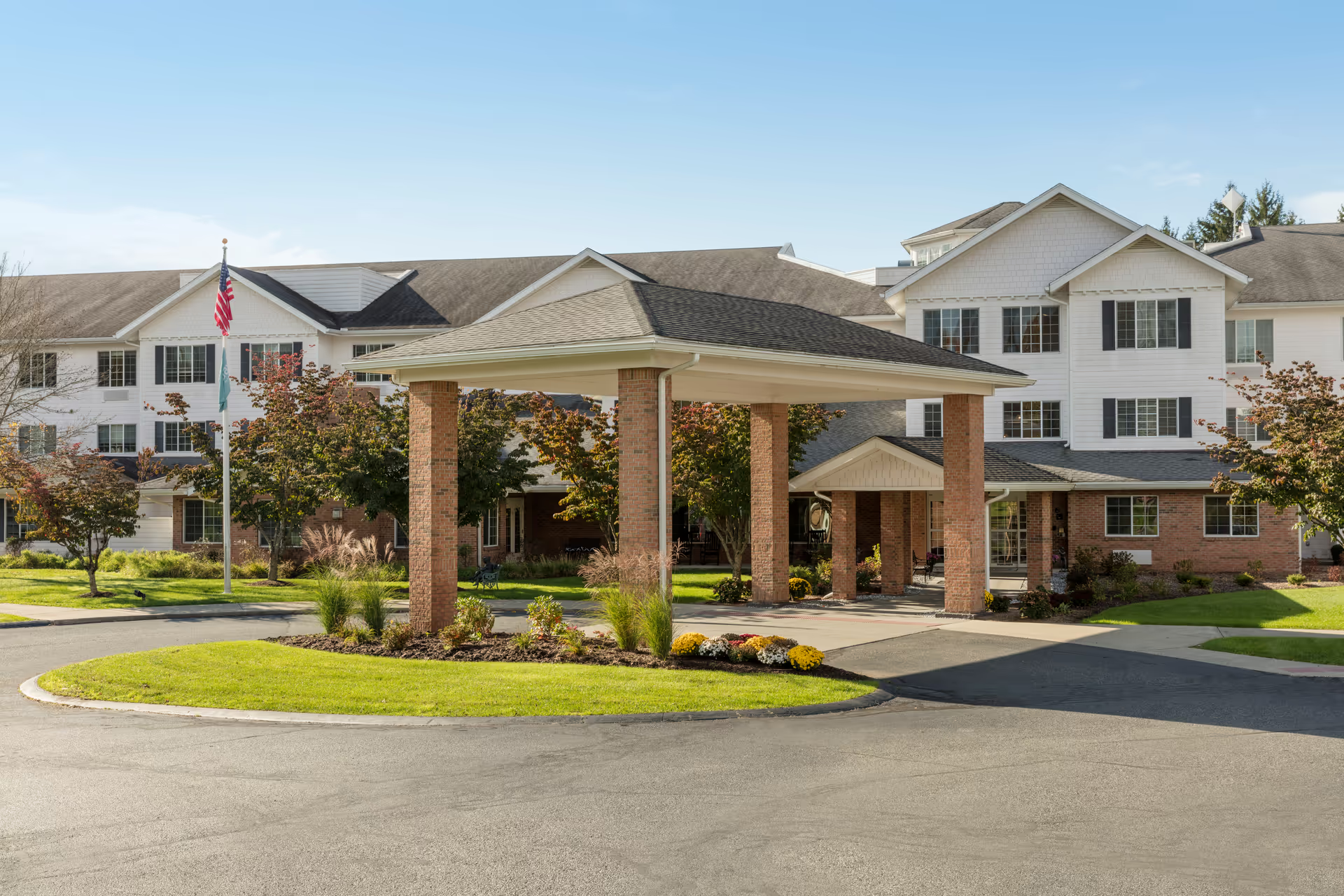
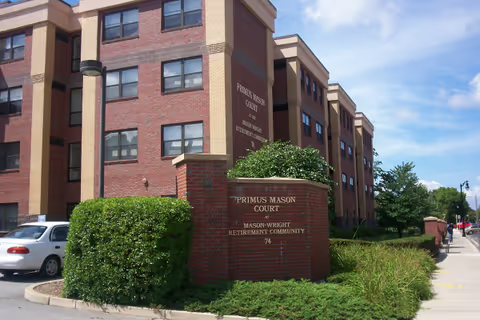
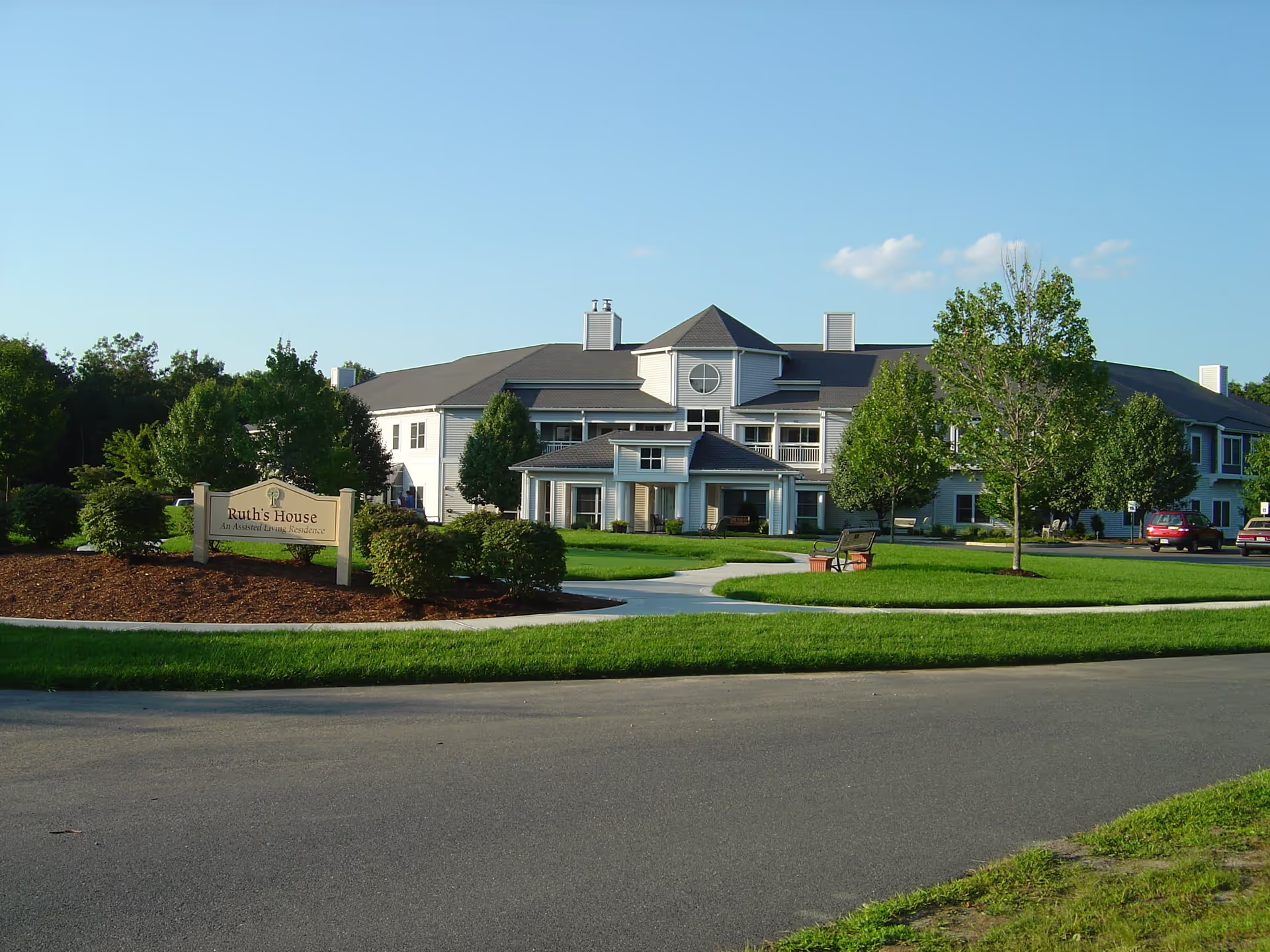
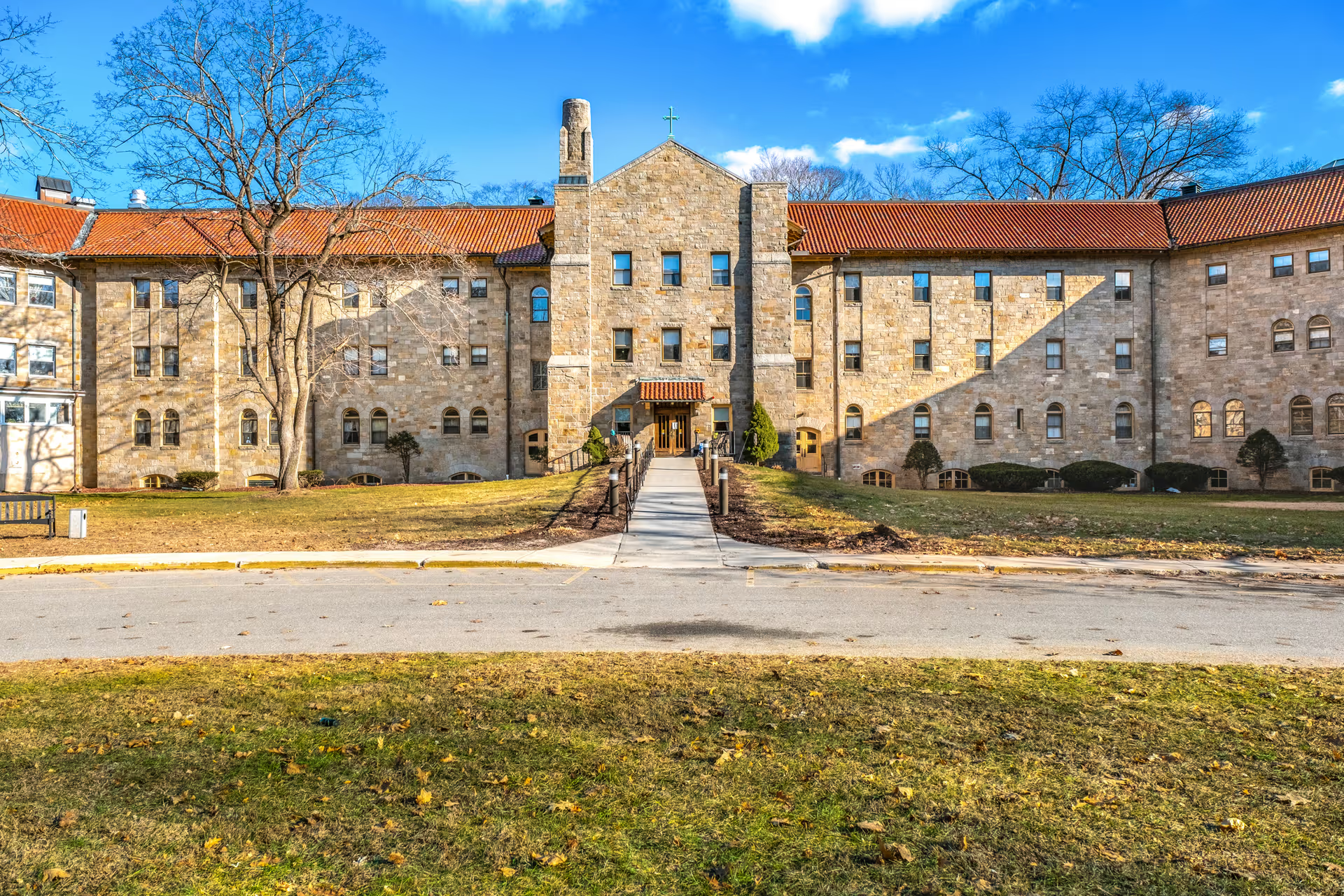
Facility condition is generally viewed positively for cleanliness and landscaping, and several reviewers highlight attractive common areas and a park-like exterior. That said, the building is older in parts: there are documented infrastructure items such as elevator outages, climate-control problems, and other maintenance reliability concerns that have affected resident convenience and family confidence. A number of reviews also raise sanitation and odor concerns in some common areas, indicating intermittent housekeeping or facility systems issues.
Management and administrative patterns are uneven. Families frequently compliment responsive managers and proactive front-desk staff, yet there are also reports of overpromising during tours, unclear timelines for repairs or replacements, and variable leadership follow-through. Cost and perceived value are recurring themes: some families consider the community worth the price, while others find the fees high relative to the age of the facility or the availability of certain services.
Notable patterns for prospective families to consider: staffing consistency and communication practices; the facility’s plan for infrastructure repairs and equipment reliability; infection-control protocols and how those are communicated; exact dining-service expectations and staffing levels; and contract or sales disclosures versus actual service availability. Overall, Orchard Valley shows many operational strengths—especially in resident engagement, rehabilitation services, and staff compassion—but also exhibits recurring operational weaknesses that are relevant to clinical continuity, facility maintenance, and administrative transparency.