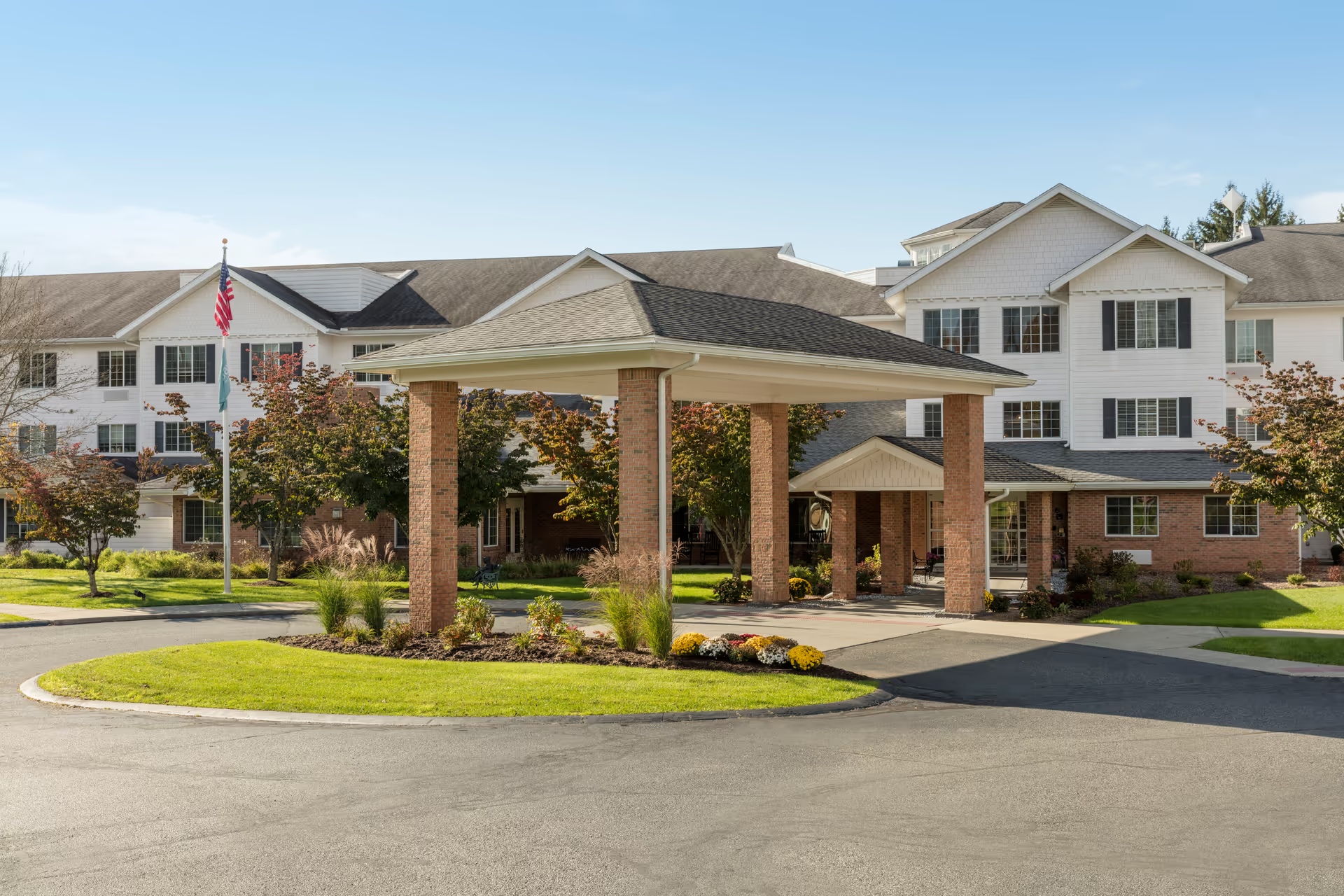
Overall impression: The Wellington at Springfield presents as a well-appointed, apartment-style senior living community with many elements that families and residents find appealing. Strengths cited consistently include a welcoming, home-like atmosphere, hotel-style common areas, spacious units with full kitchens and in-unit laundry, and an engaged resident social life supported by a broad slate of activities and onsite amenities (movie room, gym, craft room, library). The community offers continuum-of-care pathways (independent, assisted living, memory care) and onsite therapy services, which many families find helpful for long-term planning.
Care and staff: Staff interactions are described frequently as warm, personable, and attentive; elements such as 24/7 coverage, a helpful front desk, move-in assistance, and staff who know residents by name are commonly praised. At the same time, a recurring operational concern is high staff turnover and management instability. That pattern is associated with inconsistent caregiving quality, delayed responses to requests, and uneven clinical oversight. There are also several mentions of medication-administration gaps and variable clinical follow-through; prospective families should clarify current staffing stability, medication protocols, and incident reporting procedures during visits.
Dining: Dining is a mixed area. Many reviewers praise restaurant-style service, appealing dining rooms, varied menus, and particular dishes and desserts. Others describe intermittent problems with portion sizes, temperature/serving delays, and inconsistent food quality. The overall pattern suggests that while the dining program can be strong, it may fluctuate with staffing or kitchen changes; tastings and direct observation of meal service are advisable when evaluating the community.
Activities and social life: The community offers a broad activities roster — exercise classes (including chair yoga), arts and crafts, outings, musical entertainment, and regular group events — and many residents report an active social environment and new friendships. Activity programming has been affected at times by pandemic restrictions and staffing changes; some reviewers indicate variability in how consistently activities are staffed and scheduled. Onsite transportation for shopping and appointments and weekly outings are positive features, though transportation reliability has been flagged as an operational gap in a few accounts.
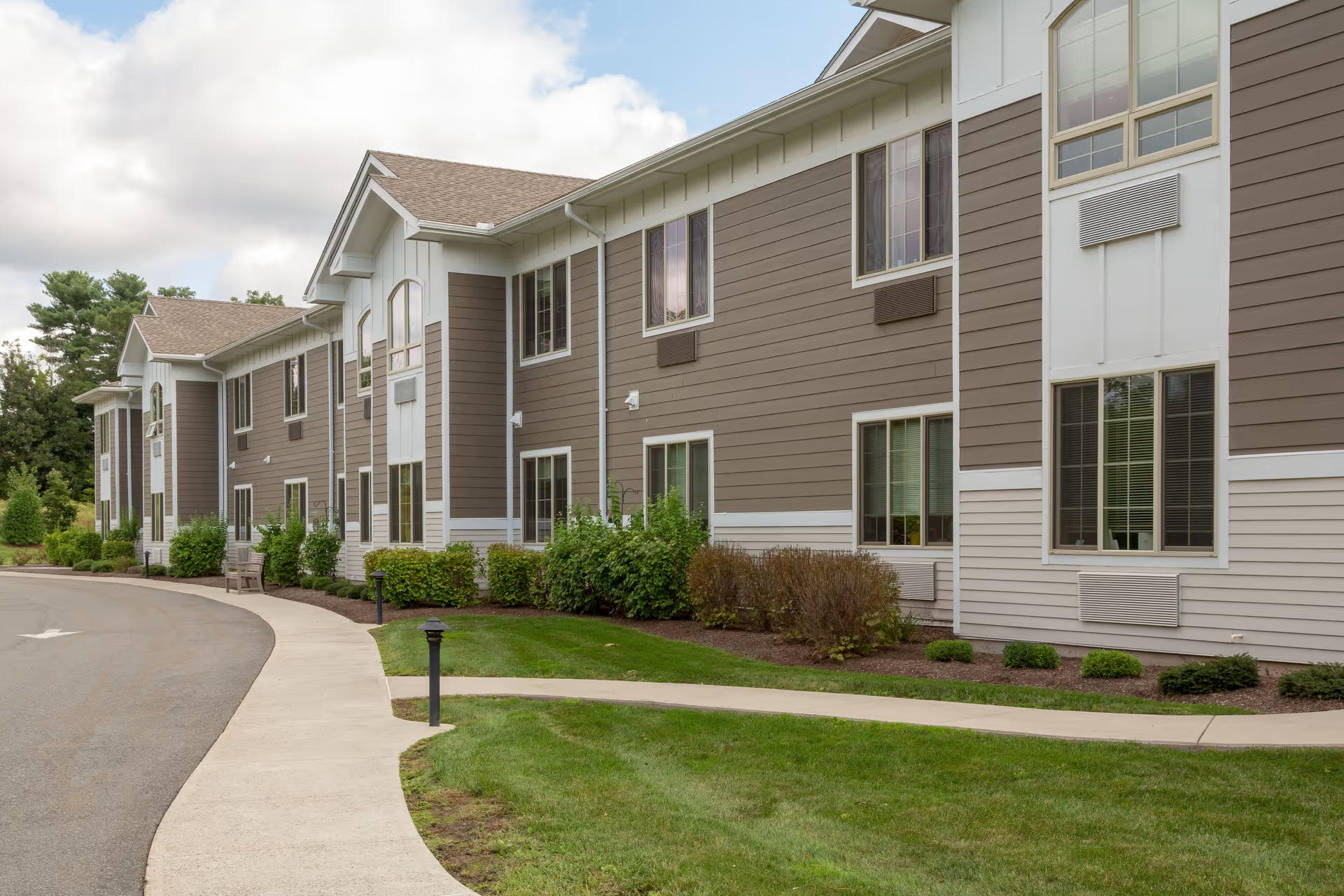
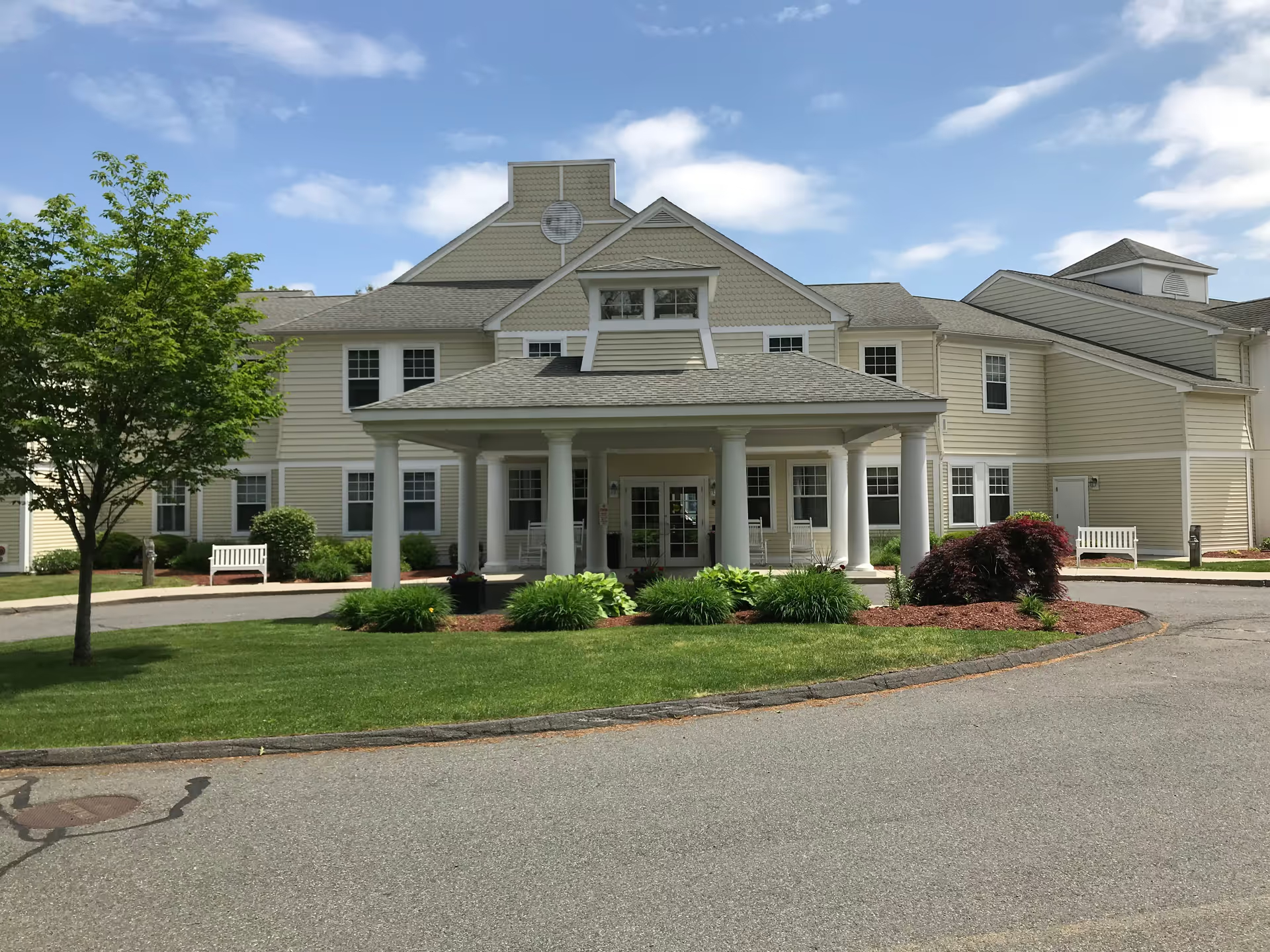
Facilities and maintenance: Physical facilities are often described as clean, bright, and well-maintained, with accessible design elements such as wide hallways and grab-equipped bathrooms. Apartments range from cozy to spacious and typically include full kitchens. Maintenance responsiveness receives mixed feedback: while some residents report timely repairs and recent upgrades, others cite slow or delayed repairs, ongoing renovation closures, and intermittent building-system issues (Wi‑Fi and HVAC control problems). Outdoor seating and covered parking were noted as areas for improvement by several families.
Management, communication, and financial administration: Admissions and marketing staff are frequently commended for low-pressure, informative tours and helpful move-in support. However, management-level instability, communication breakdowns between shifts, billing errors, and bookkeeping concerns appear repeatedly as operational weaknesses. There are also serious individual allegations concerning theft and financial mishandling; while these appear to be specific claims, they underscore the importance of reviewing contracts, fee schedules (including entrance fees and annual increases), and financial controls as part of due diligence.
Notable pattern and recommendation: The Wellington shows a clear split in experience—many residents and families describe a high-quality, caring environment with ample amenities, while others report operational instability tied to staffing, management, and service consistency. For prospective residents and families, a useful evaluation approach is to (1) ask about current staff turnover rates and clinical leadership tenure, (2) review medication-administration and incident-response protocols, (3) sample multiple meals and ask about portion policies, (4) check recent inspection or deficiency records, (5) verify maintenance response times and building-system reliability, and (6) obtain clear, written details on fees, billing practices, and transportation schedules. These steps can help determine whether the community’s strengths align with your priorities and whether operational concerns have been addressed.