The reviews present a strongly polarized picture of Cambridge Health and Rehabilitation Center. A sizable portion of reviewers describe high-quality rehabilitation outcomes, attentive therapists, and compassionate clinical staff; another portion describe operational failures that materially affected care and family confidence. This produces a pattern in which the facility often receives praise for therapy and discharge planning while simultaneously receiving criticism for inconsistent day-to-day nursing and aide practices.
Care quality and clinical oversight: Therapy services (PT/OT/speech) are repeatedly identified as a core strength — therapists are described as skilled, communicative, and effective at restoring mobility and independence. Several families also praised social work and hospice teams for supportive transitions and end-of-life care. However, recurring clinical concerns emerge around nursing oversight: inconsistencies in assessment, missed or incorrect medication administration, and delayed responses to changes in condition. Reviewers also raised skin-integrity concerns and problems with recognizing or managing cognitive and depression-related issues; these point to variability in clinical assessment and follow-through rather than uniform protocols.
Staff and conduct: Many reviews emphasize compassionate, friendly, and professional nurses, aides, and front-desk personnel who provide reassuring communication and personal attention. At the same time, there is notable variability in aide/CNA behavior and responsiveness; complaints cite delayed bathroom assistance, inconsistent hygiene support, and occasional unprofessional conduct. This variability suggests uneven staff training, supervision, or staffing ratios that affect resident experience depending on shift and team composition.
Dining and nutrition: Dining quality in reviews is mixed. Positive comments note adherence to specific diet orders (for example, salt-restricted meals) and an extensive menu, while negative comments highlight cold or poorly prepared meals and failures to meet texture-modification or diet-order requirements. These inconsistencies are operational in nature — kitchen-to-unit handoff, meal timing, and meal-preparation processes appear to be intermittent strengths and intermittent weaknesses.
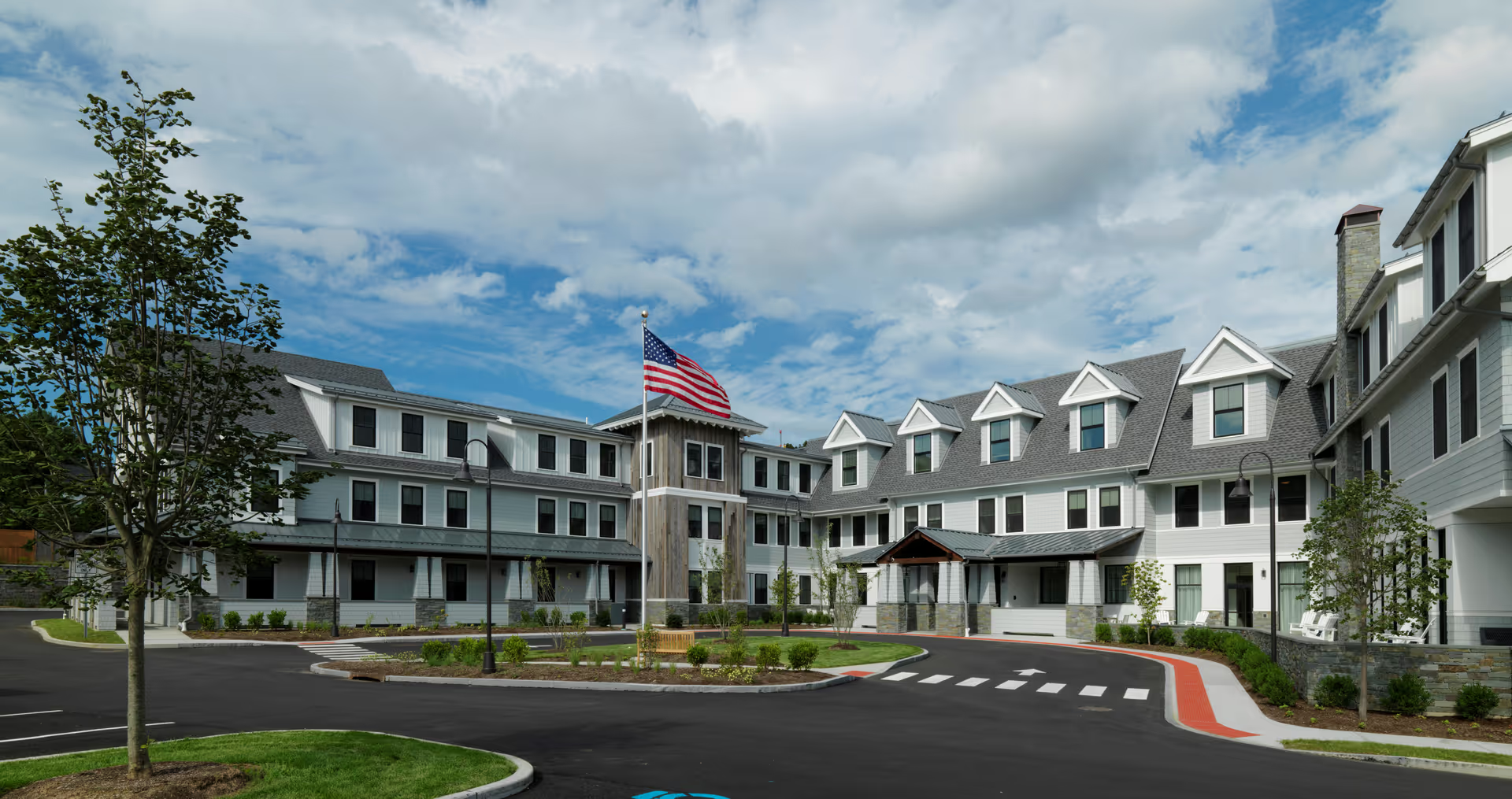
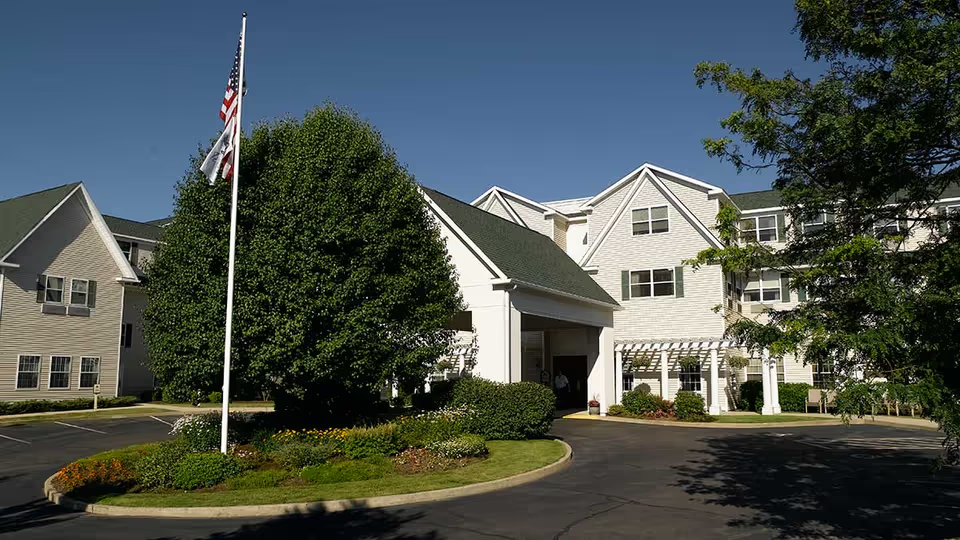
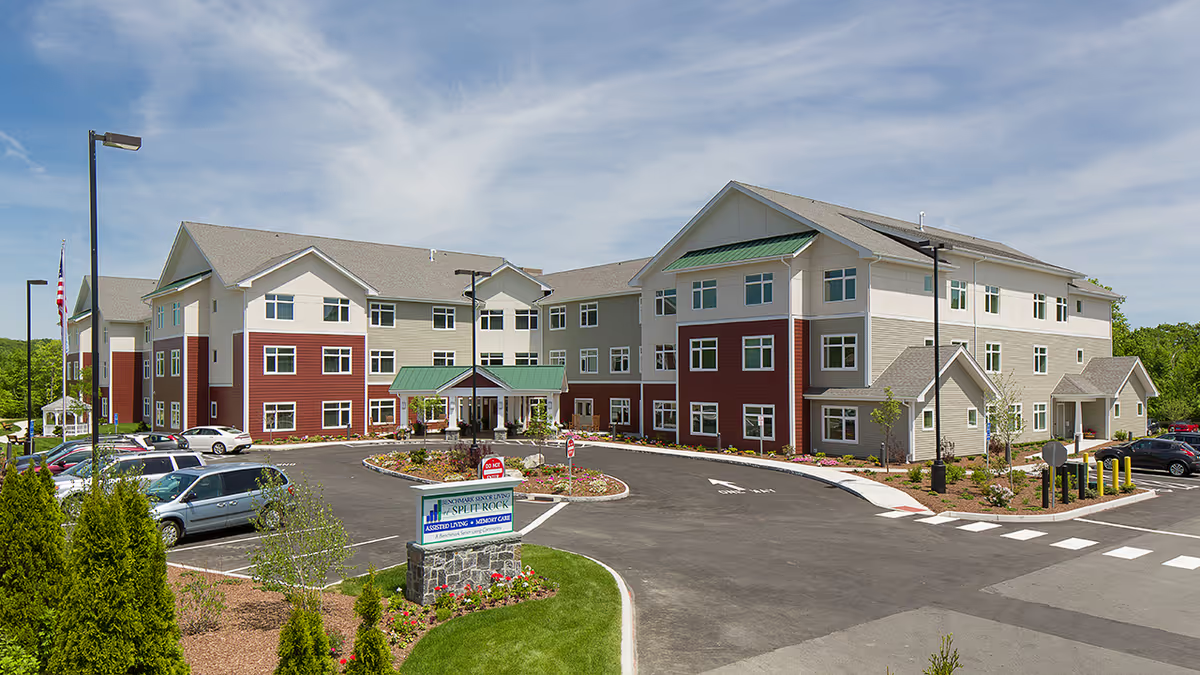
Activities and facilities: Many families describe bright, clean common areas, a well-kept courtyard, attractive entrances, and comfortable patient rooms. The therapy gym, when available, is seen as well-equipped. Conversely, reviewers also note that portions of the facility feel outdated, that communication systems (in-room phones, cell reception) can be limited, and that parking or access can be inconvenient. Overall, the physical plant presents a mix of well-maintained, modernized spaces alongside areas needing upkeep.
Management, operations, and safety: Administrative experiences are inconsistent. Positive examples include effective admission processes, helpful social work coordination, and responsive nurse supervisors. Negative patterns include delayed or inaccurate billing and invoicing, allegations of aggressive collection practices, reports of missing personal items, and insufficient follow-through on family concerns. Several reviews also raise concerns about emergency-response protocols, family notification practices, and floor-level fall-prevention measures. Together these point to operational gaps in communication, discharge coordination, and financial transparency.
Patterns and guidance for families: The review set suggests Cambridge can deliver excellent, rehabilitation-focused care for patients who require intensive therapy and discharge planning; therapy and hospice services are commonly cited as institutional strengths. However, prospective residents and families should be mindful of variability in everyday nursing and aide services, meal consistency, and administrative responsiveness. When considering placement, recommended due diligence includes asking about current staffing ratios, call-bell response expectations, medication-administration safeguards, fall-prevention protocols, diet-texture procedures, and billing/financial-disclosure practices. Visiting at different times of day and speaking directly with therapists, nursing supervisors, and the social work team can help assess whether the facility’s operational strengths match a specific resident’s needs.