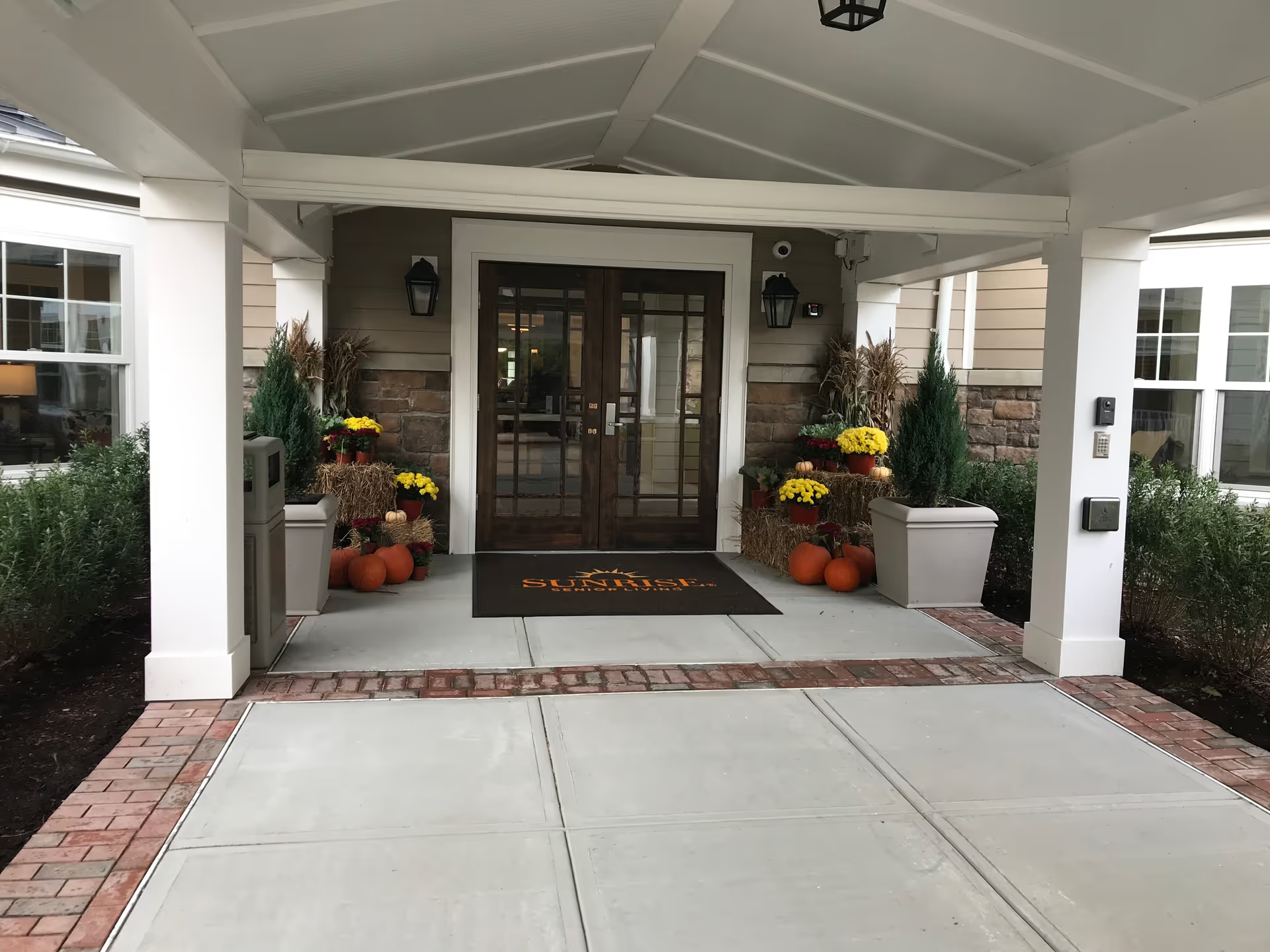
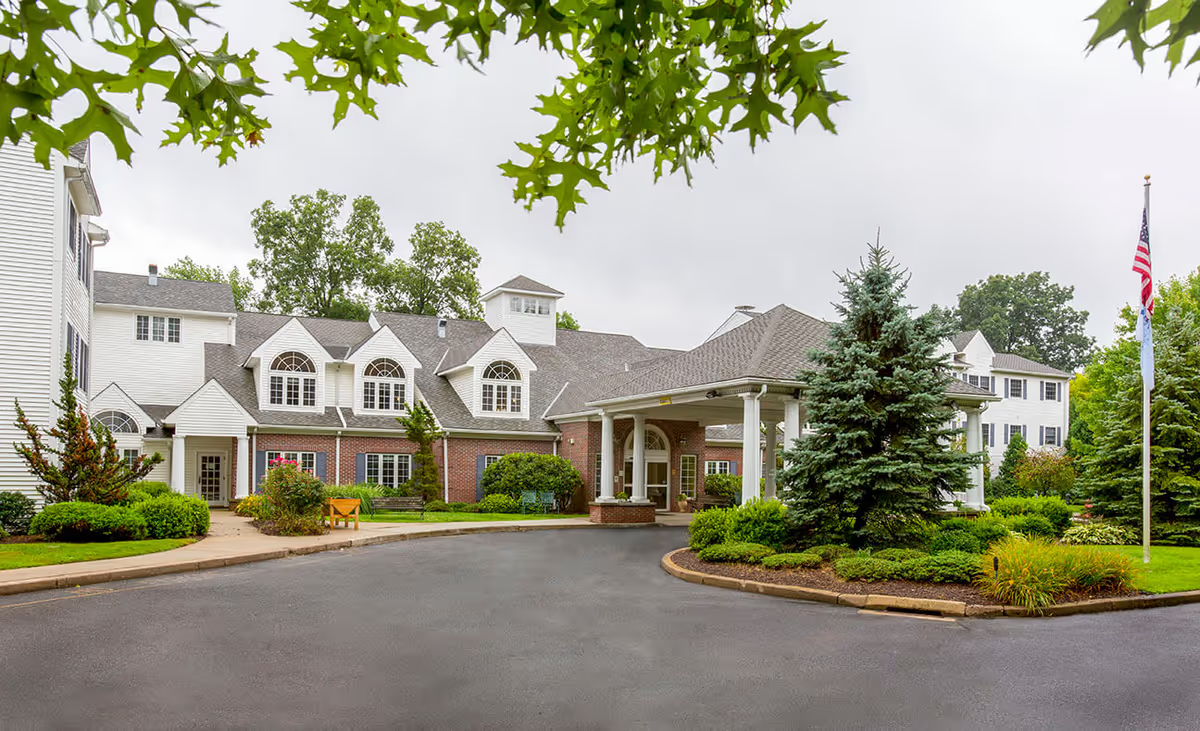
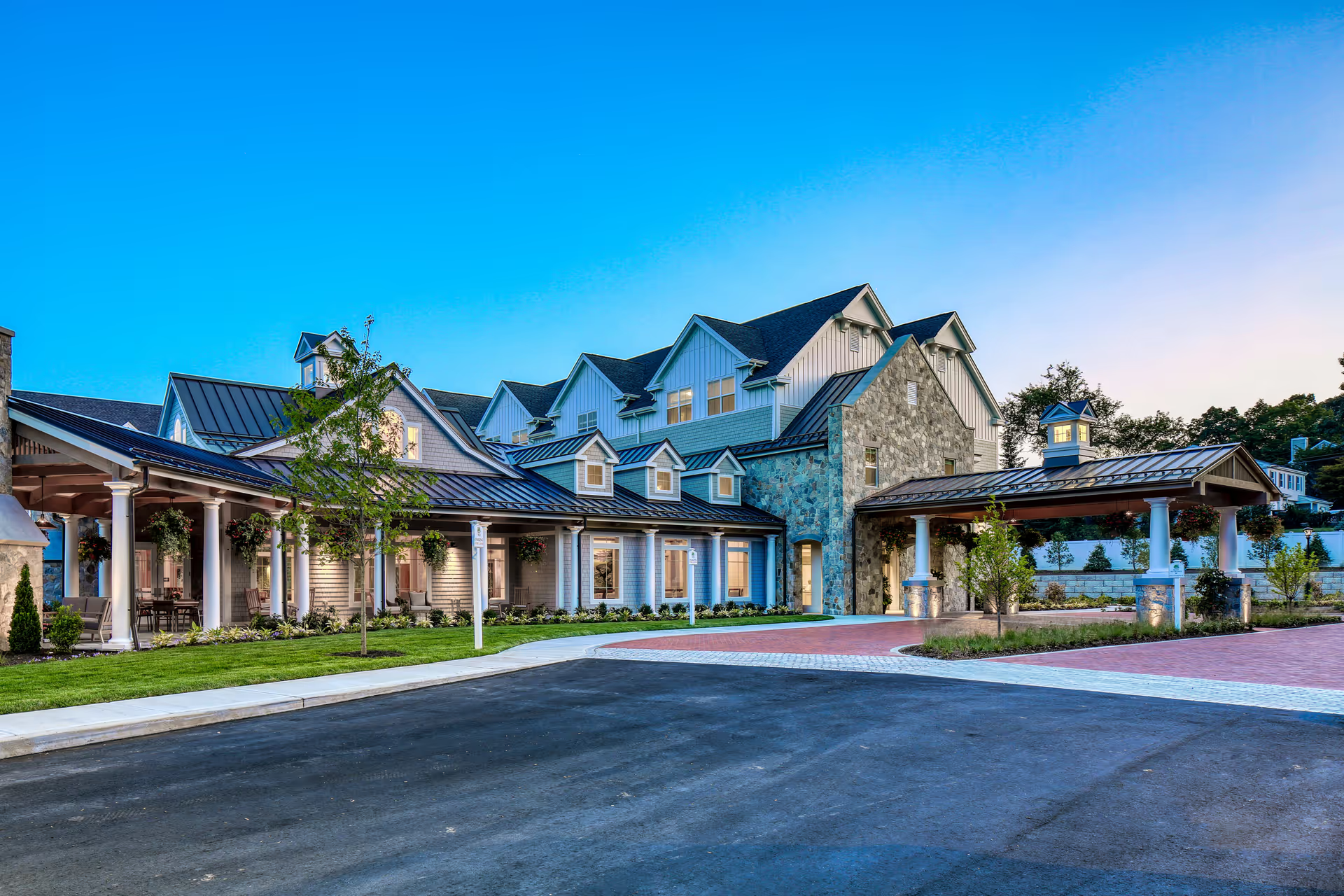
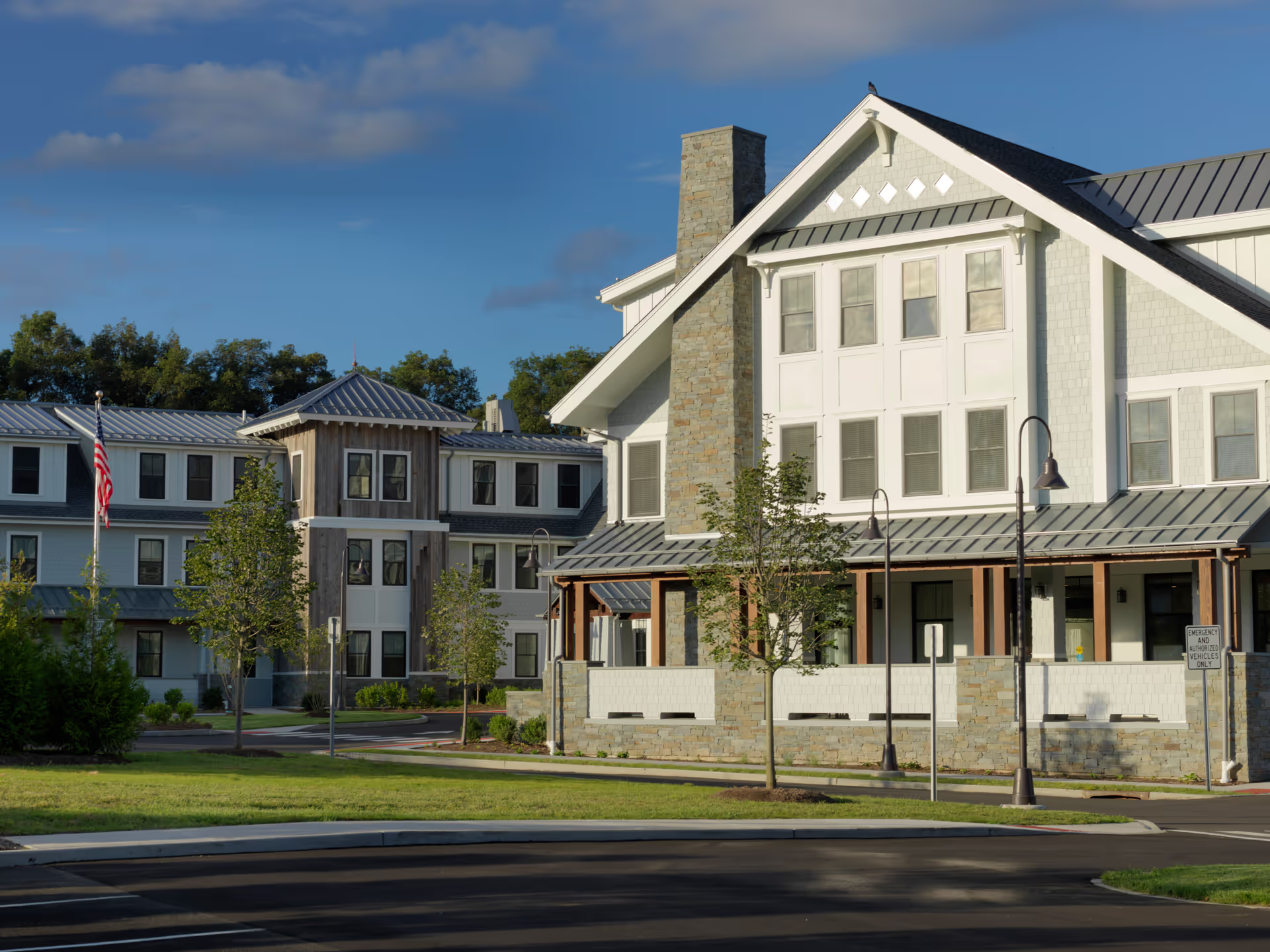
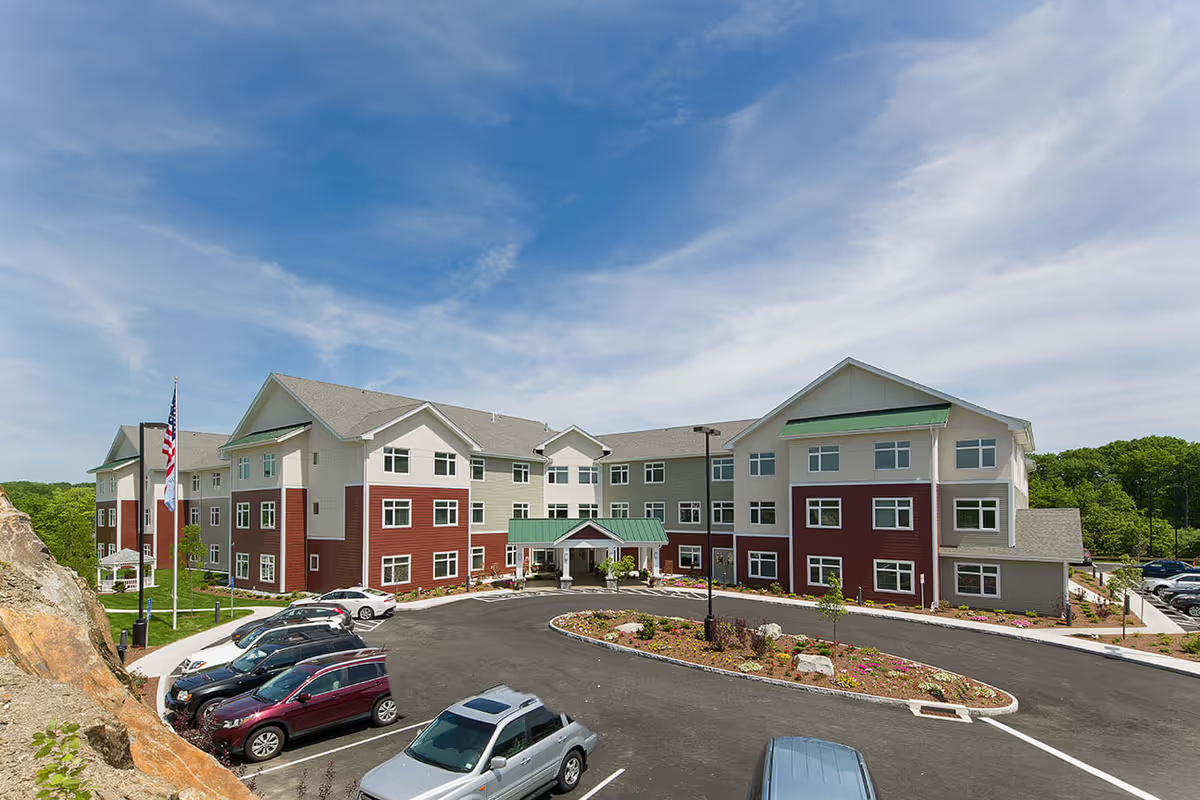
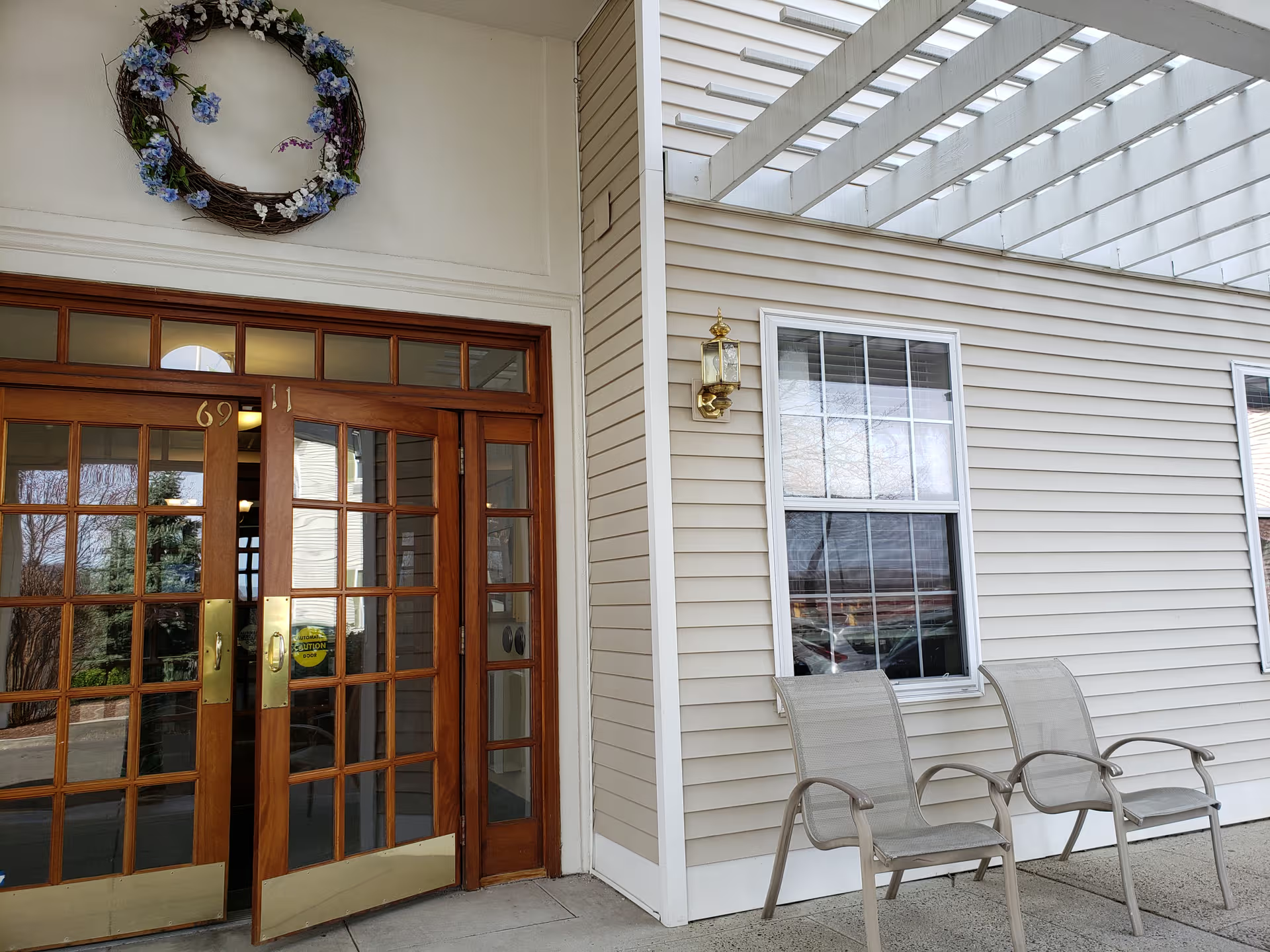
Ludlowe Center for Health and Rehabilitation elicits strongly mixed impressions. A substantial portion of reviewers highlight clear strengths: many families and patients praised compassionate, attentive caregivers and an energetic therapy team that focuses on short‑term rehabilitation and functional improvement. Physical therapy and rehabilitation services are frequently described as effective, with several accounts of measurable recovery and timely progress. The facility itself is commonly noted as clean, well maintained and attractively furnished, with secure entry procedures and a welcoming admissions/front‑desk experience.
Staffing and culture are a dominant theme with wide variation. Numerous reviewers name individual staff members and describe warm, family‑like relationships, proactive nursing and supportive aides. At the same time, other accounts describe inconsistent professionalism, slow responses to call lights, and aides stretched thin by workload. Those patterns point to staffing-level variability: when staffing is adequate the care appears attentive and timely; when it is not families observe delayed toileting assistance, slower response to needs, and uneven nurse communication.
Dining and nutrition emerge as another polarized area. Several reviewers complimented generous portions, tailored meals and pleasant dining; however, a recurring operational weakness is inconsistent meal quality and delivery continuity—examples include cold or incomplete trays, undercooked items, and limited menu choices. These issues suggest opportunities for stronger kitchen staffing, quality control, and nutrition planning to achieve a more reliable dining experience.
Operational and management issues recur across reviews. Common themes include discharge coordination problems (medications or equipment not sent at discharge), gaps in administrative communication, inconsistency in policy enforcement for visitors and deliveries, and occasional friction around billing and records access. There are also more serious individual allegations related to end‑of‑life decision‑making, medication recommendations, and record/billing disputes; these are described as isolated but significant by some families and merit close attention from management and oversight bodies.
Activities and community life are a clearer strength: entertainment, social programming, singing, games and special events are repeatedly cited as positive contributors to resident morale. Cleanliness, décor and the overall atmosphere are also frequently praised and contribute to a hotel‑like environment that many families find reassuring.
Overall, Ludlowe presents as a facility with strong rehabilitation capability, an appealing physical environment, and many dedicated staff; however, there are consistent operational patterns that prospective residents and families should clarify during any placement decision. Important topics to address in advance include current staffing ratios and shift coverage, specifics of therapy schedules and expected daily therapy minutes, meal planning and dietary accommodations, discharge procedures (including medication and equipment handoff), policies on visitor deliveries and parking, and the facility’s process for incident communication and records access. These clarifications can help families weigh the facility’s evident strengths against the areas where performance appears inconsistent.