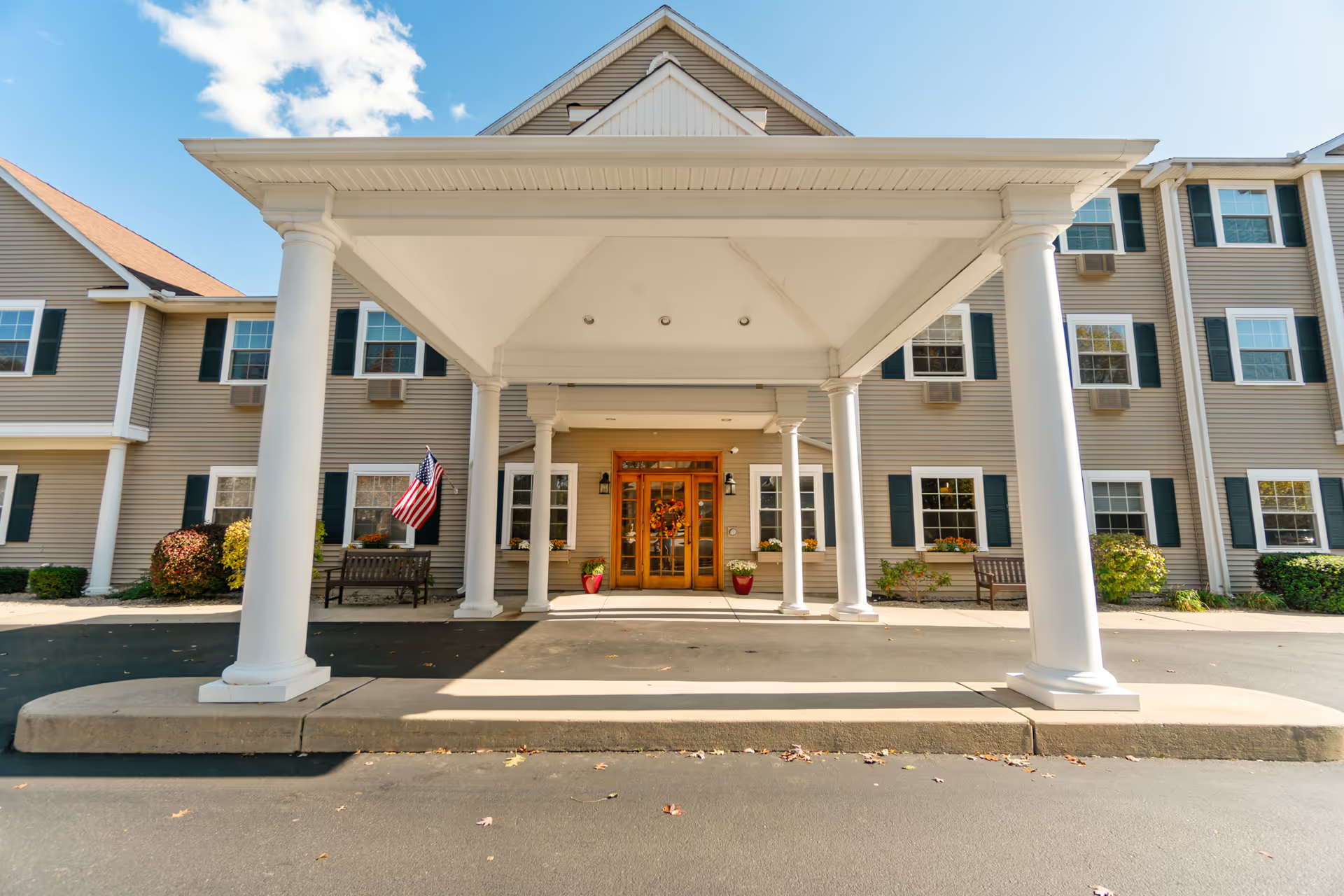
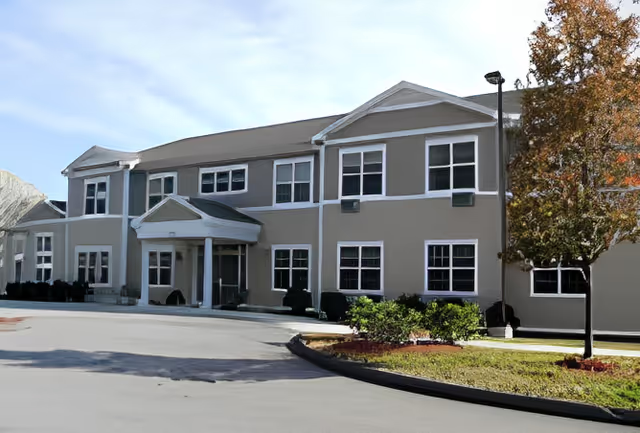
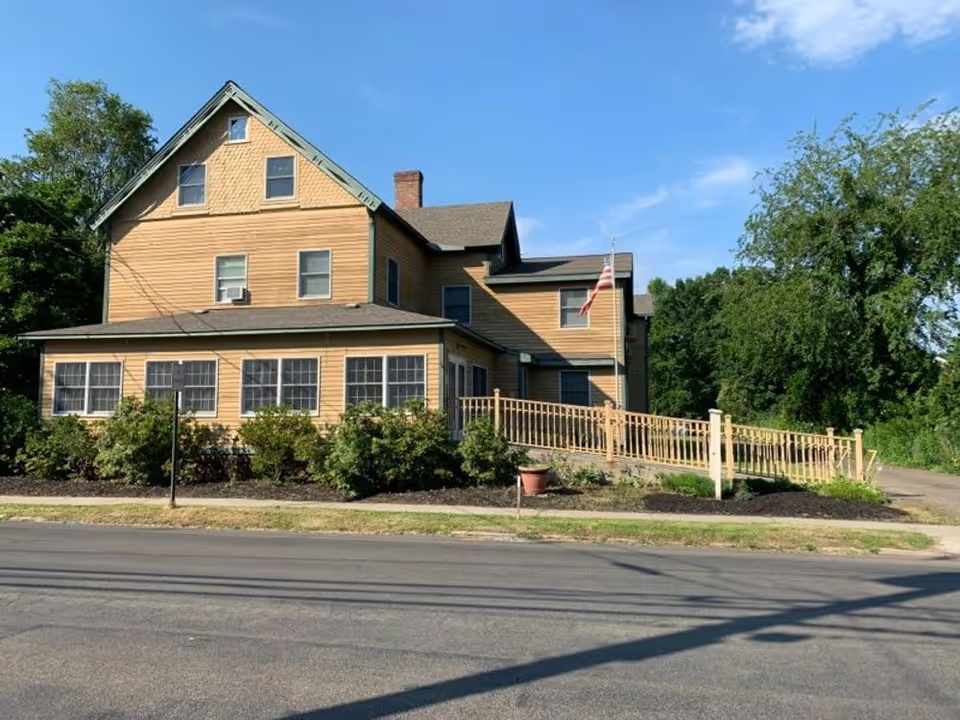
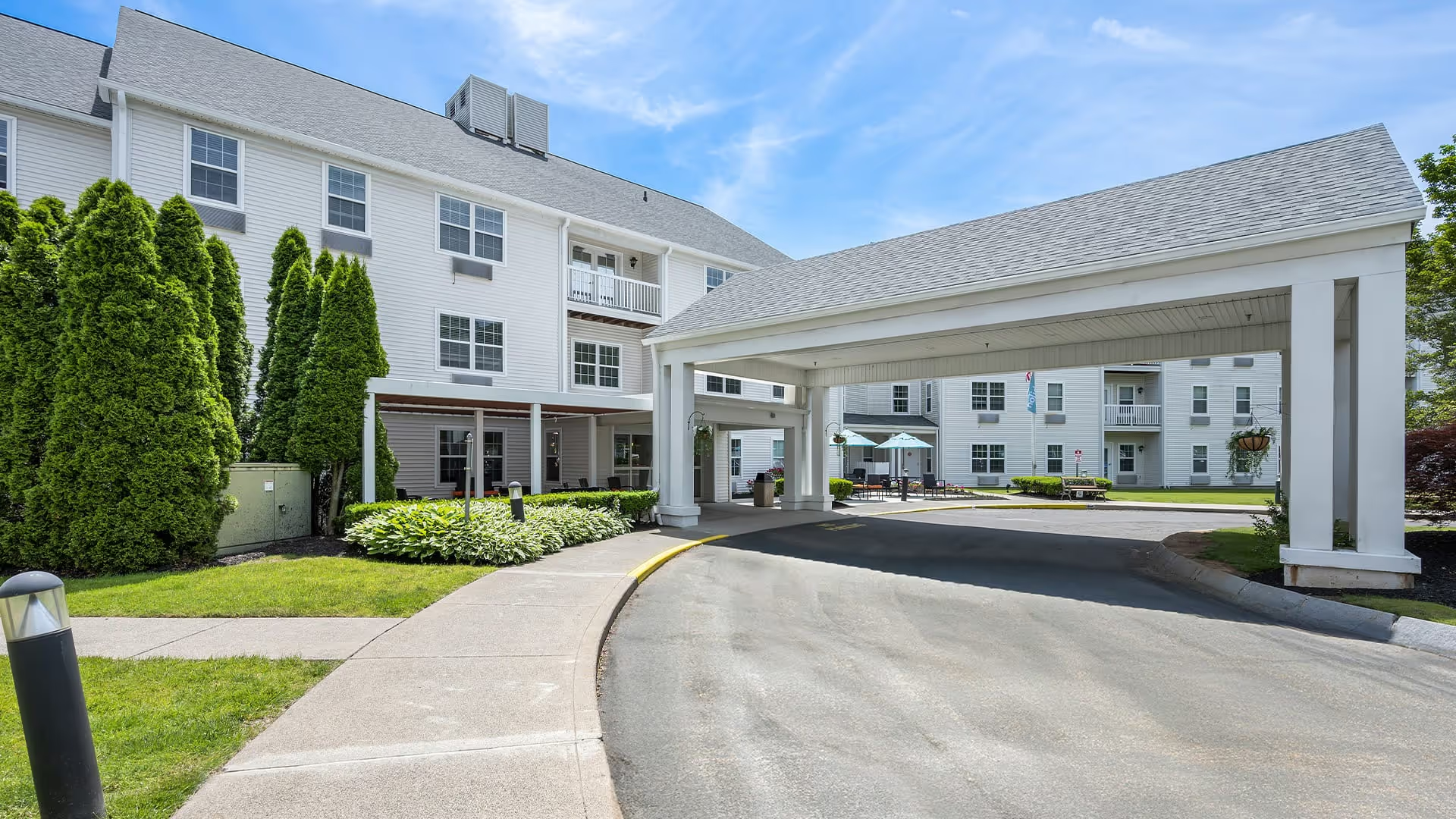
Overall impression: Commonwealth Senior Living at Haddam receives consistently positive feedback on its physical plant, atmosphere, and many staff members, but also shows recurring operational weaknesses that families should evaluate closely. The community is frequently described as architecturally attractive and well maintained, with spacious apartments, accessible bathrooms, bright common areas, and hotel-like amenities. Outdoor spaces, patios, and indoor recreational features contribute to a pleasant campus feel, and many reviewers praised the facility’s cleanliness and peaceful location.
Care and clinical oversight: Clinical care impressions are mixed. Numerous families praised professional nursing, attentive medication management, and personalized recovery-focused care; several accounts describe collaborative interactions between nursing staff and families that supported safe transitions and rehabilitation. At the same time, there are recurring concerns about inconsistent adherence to individualized care plans, delays in responding to assistance needs, and isolated safety events that indicate gaps in overnight or on-call clinical presence. Prospective families should ask about staffing ratios, night coverage protocols, and how the facility documents and follows individualized care plans.
Staff and communication: Staff demeanor and competency are uneven across reviews. Many reviewers describe knowledgeable, compassionate, and responsive employees — including activities staff and administrative personnel — who provide individualized attention. Conversely, other families reported variable staff conduct, limited responsiveness to calls, and frustration with communication tone and timeliness. This mixed picture suggests local variability by shift or team; callers should evaluate staff interaction during tours and request examples of routine communication practices (care updates, incident notifications, family conferences).
Dining and activities: Dining experiences range from notably high-quality (private dining, wine service, well-presented meals) to institutional and inconsistent offerings. Freshness and meal variety emerged as key concerns for some families, with specific mentions of limited fruit/vegetable options and repetitive menus. Dining-room staffing shortages were also linked to service delays. Activities programming is frequently cited as a strength: dedicated activities directors, exercise classes, games, and social groups contribute to resident engagement. Families with sensory impairments or specific activity needs should inquire about adaptations and accommodations.
Management, billing, and operations: Management responsiveness is described as mixed. Some reviewers found administration helpful and proactive about amenities and community presentation; others experienced difficulty resolving billing disputes and obtaining adjustments or credits. Operational issues related to staffing levels, especially at night or during short-staffed shifts, and to communication around clinical incidents were raised repeatedly. Ask for written policies on billing, incident escalation, staffing levels by shift, and family notification procedures.
Notable patterns and recommendations: The strongest, consistent strengths are the facility’s physical environment, on-site amenities, and instances of high-quality, personalized nursing and activities programs. The clearest recurring concerns are inconsistent care delivery and dining quality, understaffing at certain times, and billing/communication friction. When considering this community, families should (1) tour during different times of day to observe staffing and meal service, (2) request copies of care-plan templates and examples of family communication, (3) review staffing ratios and night-coverage arrangements, and (4) clarify billing practices and dispute-resolution procedures in writing. These steps can help determine whether the facility’s operational consistency matches its strong physical and programmatic attributes.