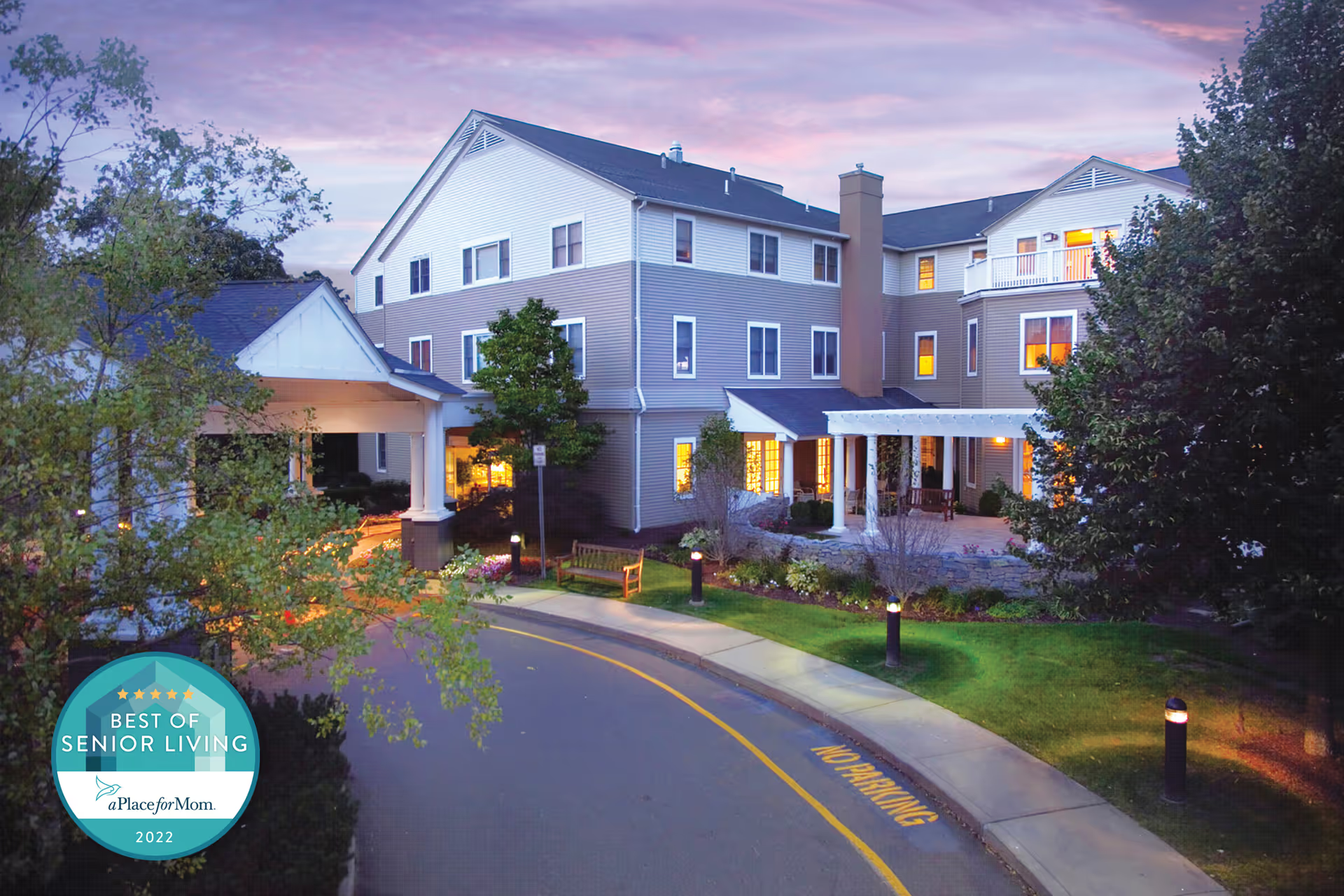
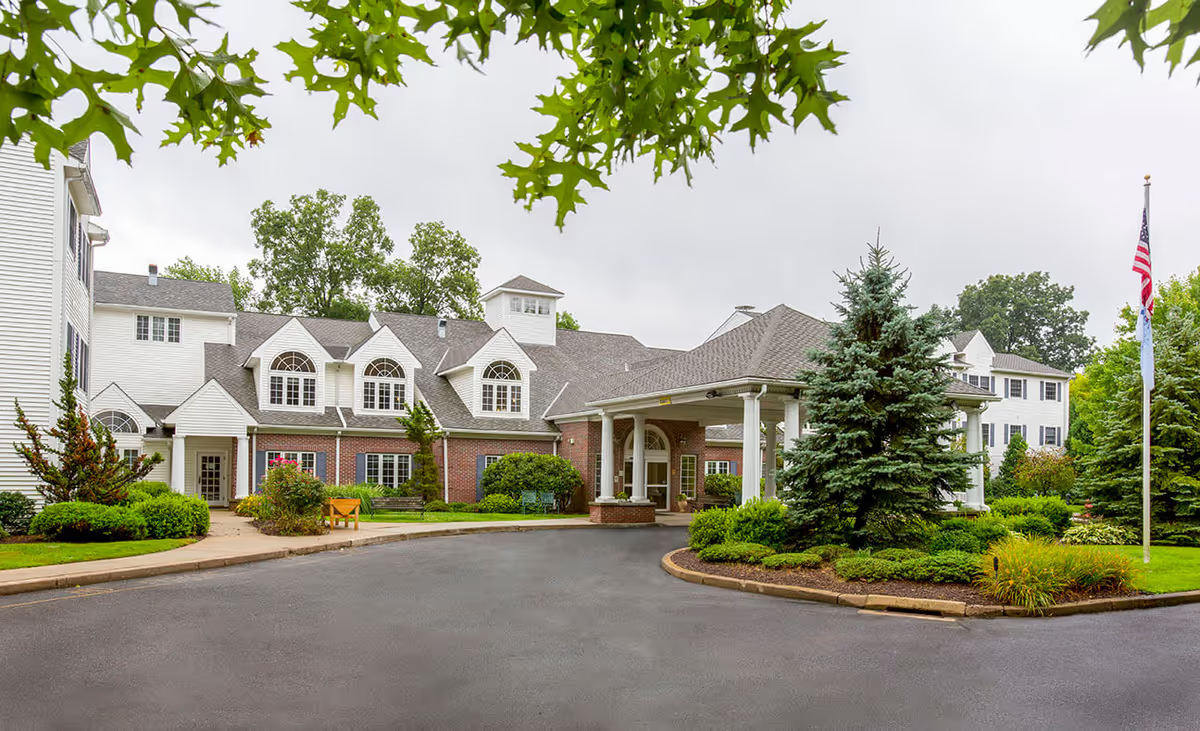
Overall impression: Reviews present a predominantly positive view of day-to-day life at the community, with frequent praise for direct-care staff, activities, and on-site amenities. Many families describe compassionate, hands-on caregivers and an environment that supports social engagement through games, live music, outings, and neighborhood-level memory-care programming. At the same time, reviewers identify a set of recurring operational weaknesses that prospective families should evaluate during an in-person visit.
Care and staff: The strongest and most consistent praise centers on frontline employees — nurses, activities staff, dining servers, and housekeeping when effective — who are described as warm, attentive, and communicative. Several families report that staff make residents feel safe and connected, and that leadership can be proactive in family outreach. However, there are notable concerns about responsiveness in some clinical and safety contexts: reviewers cite slow call-button responses, inconsistent emergency follow-up, and isolated medication-management or care-coordination gaps. A few reviewers raised serious allegations about conduct and quality of care; those comments contrast sharply with the many reports of compassionate caregiving and warrant direct verification with management and inspection of regulatory history.
Dining and nutrition: Dining is a prominent strength for many residents: reviewers frequently mention varied menus, accommodating dietary options, and positive restaurant-style dining. Room-service offerings are available but are sometimes described as more limited than the dining-room menu. There are recurring comments about inconsistent meal quality and temperature control, with some families noting overcooked items or meals that arrive cooler than expected. Prospective residents should sample meals and ask about food-delivery procedures if temperature or variety is important.
Activities and social life: The community offers a broad slate of programming — daily exercises, crafts, music, bingo, outings, and family events — and multiple reviewers highlight an active social calendar and opportunities for residents to remain engaged. Memory-care programming receives favorable mention for personalization and small neighborhood size. Pandemic-related restrictions were described as having reduced programming at times, but staff creativity in adapting activities was also noted.
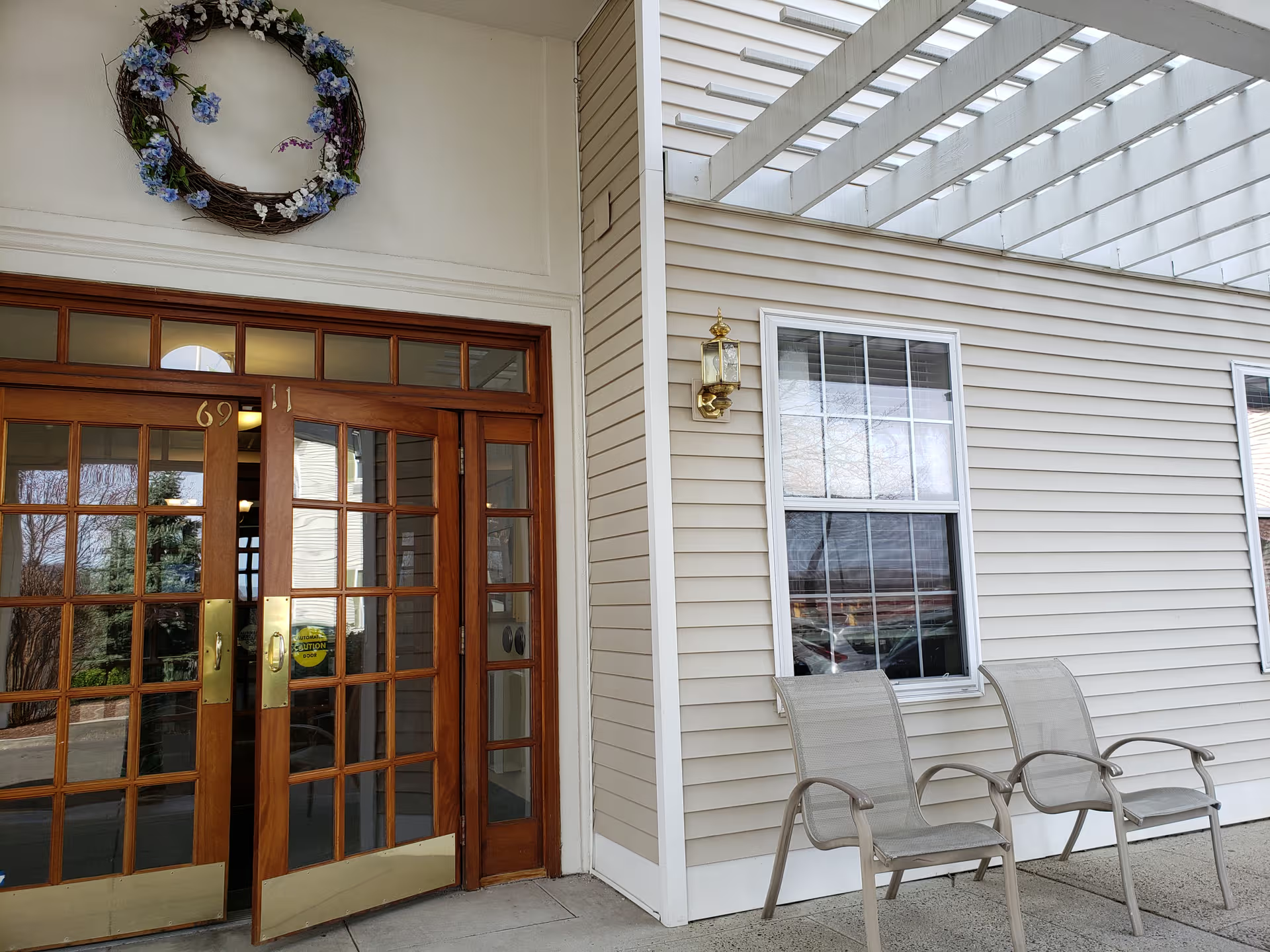
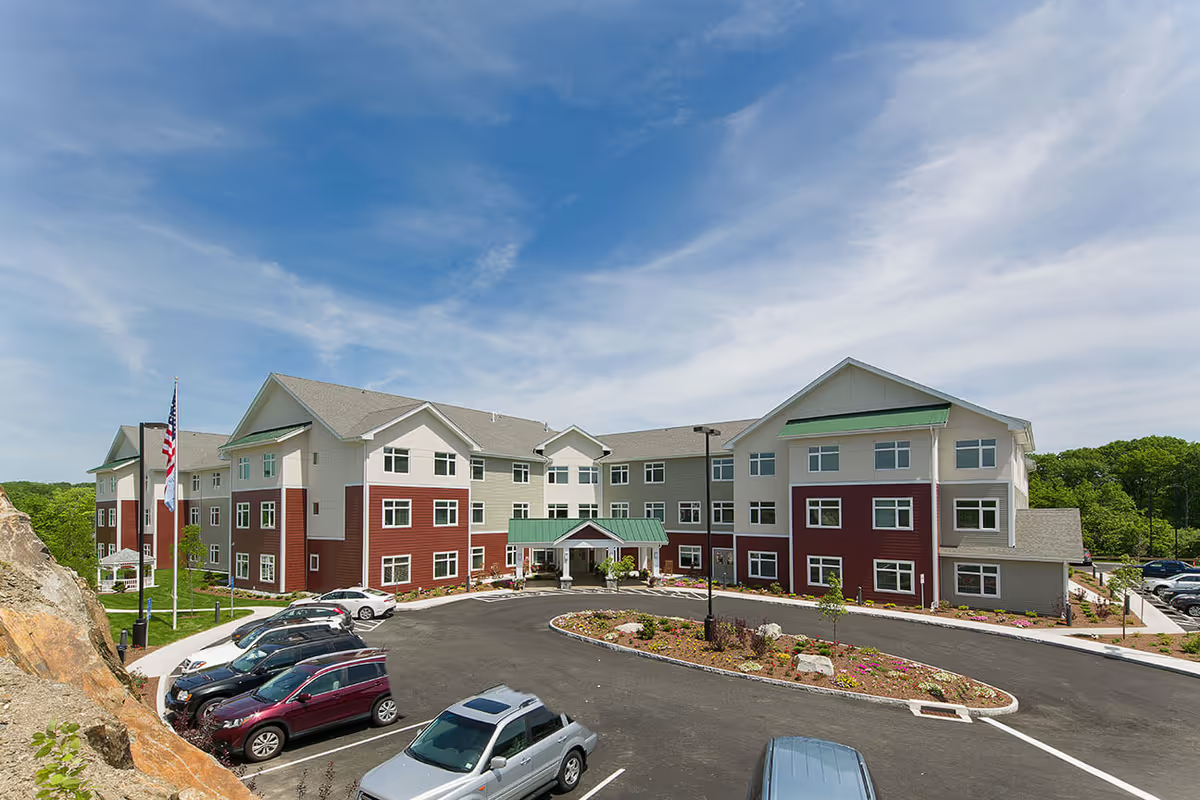
Facilities and maintenance: Many reviews describe attractive common areas, a pleasant courtyard, and amenities such as an ice-cream parlor, library, and fitness space. Conversely, a subset of reviews raises concerns about aging building elements (worn carpet, dated décor, problematic elevators), intermittent ceiling/leak issues, and cleanliness lapses in specific units. Delays in maintenance response and repairs are a recurring operational theme; prospective families should ask about average repair turnaround and pest-control protocols during a tour.
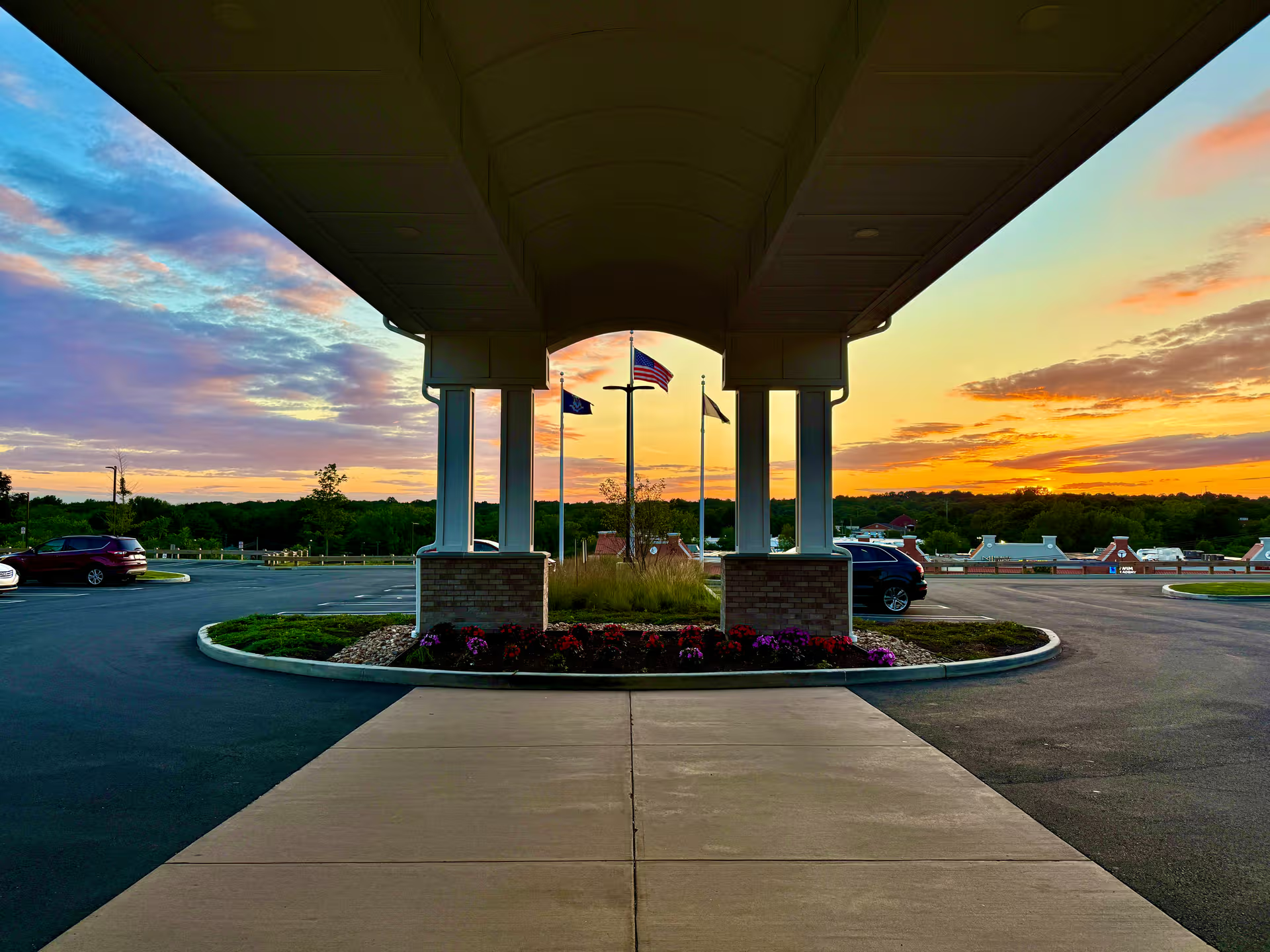
Management and operations: Opinions about management vary widely. Some families praise clear communication, welcoming tours, and helpful admissions staff. Others describe unresponsiveness from leadership, communication lapses, and occasional confrontational interactions. Cost is another common theme: the community is viewed as relatively expensive by several reviewers, with supplemental or a la carte charges for certain services. Parking and weekend staffing levels are also noted as operational constraints.
Notable patterns and guidance for families: The dominant positives are strong frontline caregiving, an active activities program, useful on-site amenities, and intentional memory-care options. The dominant concerns cluster around operational consistency: housekeeping and sanitation in individual units, pest control, timely maintenance, and variable management responsiveness. When evaluating this community, families should schedule a meal, tour living units (including memory neighborhoods), ask for written maintenance and pest-control policies, request information on staffing levels and weekend/after-hours coverage, review medication-management procedures and incident-notification protocols, and confirm all fees in writing. Checking recent inspection reports and speaking with current residents or families can also help reconcile the mixed reports and form a balanced assessment.