Experiences at Shady Knoll vary considerably. Many families and patients describe kind, helpful staff and positive short-term rehabilitation, while other accounts raise substantial concerns about responsiveness and consistency of care. Physical and occupational therapy receive especially strong praise, with patients describing supportive therapists, individualized encouragement, and progress toward recovery. Nursing, aide, and hospice support are also commended in several accounts. In contrast, other families describe long waits for call bells, medications, and pain relief, with concerns particularly focused on overnight care and workload levels. Reviews also raise questions about clinical monitoring, fall prevention, skin care, infection recognition, and communication with families when a resident’s condition changes.
Dining is a recurring area of mixed feedback. Some residents and visitors describe meals positively, but others report poor or inconsistent food quality, temperature, and texture. Concerns include whether meals accommodate allergies or prescribed diets, and whether residents who need assistance can reach their trays or open food packaging. Some accounts also describe inadequate attention to eating and drinking needs. These differences suggest that dining experiences and support may not be consistent across residents or circumstances.
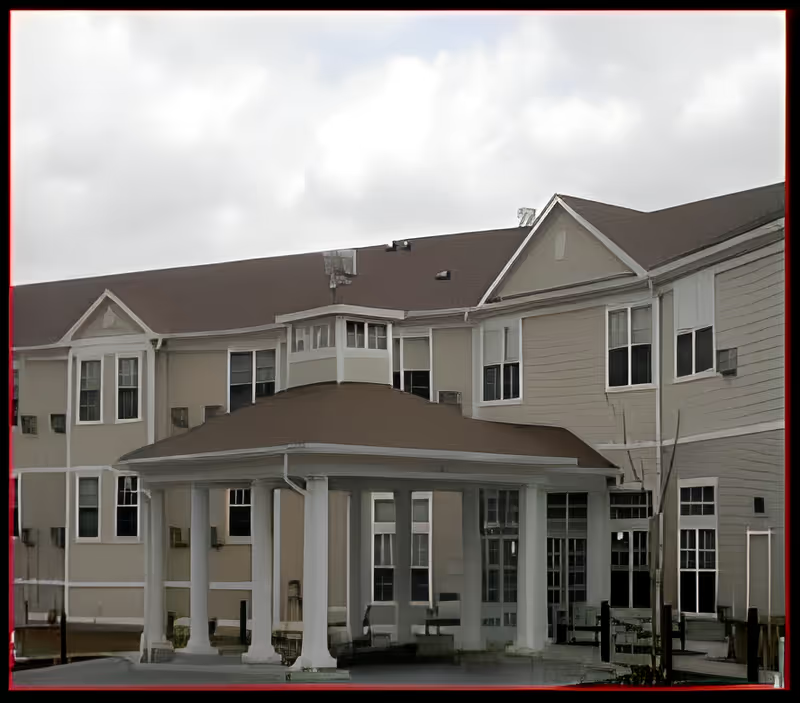
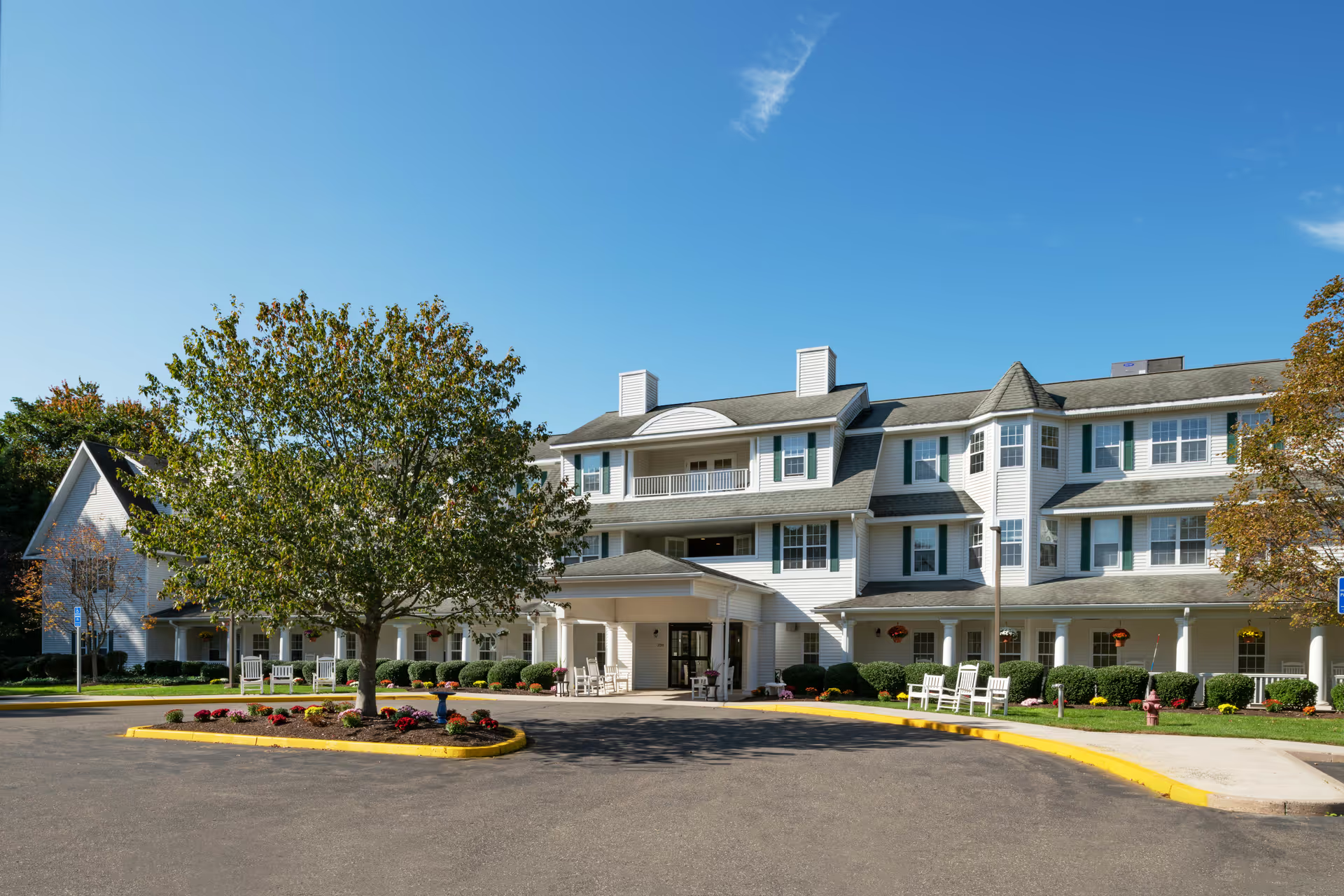
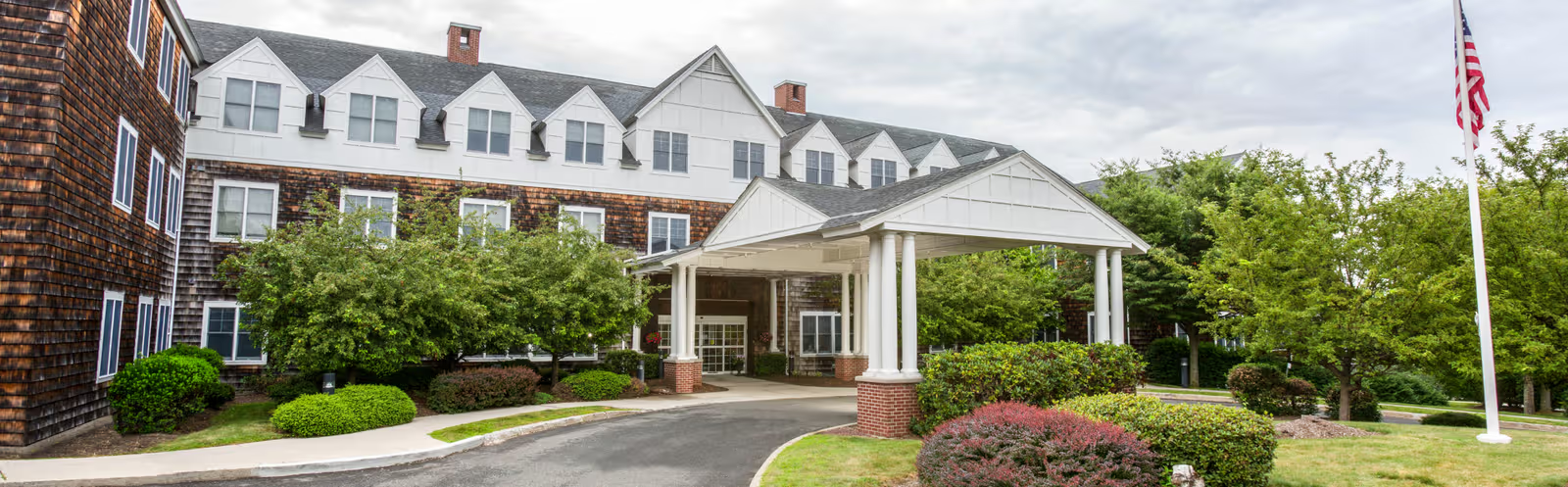
The building is often described as clean, with spacious rooms, pleasant outdoor areas, and welcoming common spaces. Other accounts mention odor or housekeeping concerns, dated décor, and maintenance issues. Staff members are frequently described as friendly and caring, and named therapy and nursing employees receive specific praise. However, concerns about staff conduct, personal care routines, and uneven service—particularly on some night shifts—also appear. Reports of lost personal belongings and questions about consent communication add to concerns about administrative safeguards.
Activities are described positively in some accounts, including singing, memory-focused programs, therapy dogs, and community events. Other feedback portrays recreation support as limited, particularly for residents seeking help with technology. Families also differ in their impressions of management: some praise coordination, admission support, and discharge planning, while others describe difficulty getting concerns addressed or receiving a satisfactory response. Overall, the reviews point to meaningful strengths in rehabilitation, interpersonal support, and community activities, alongside unevenness in day-to-day responsiveness, clinical follow-through, dining, and personal care. Prospective residents and families may wish to ask specifically about staffing by shift, call-bell response practices, dietary and hydration support, medication procedures, and how concerns are escalated.