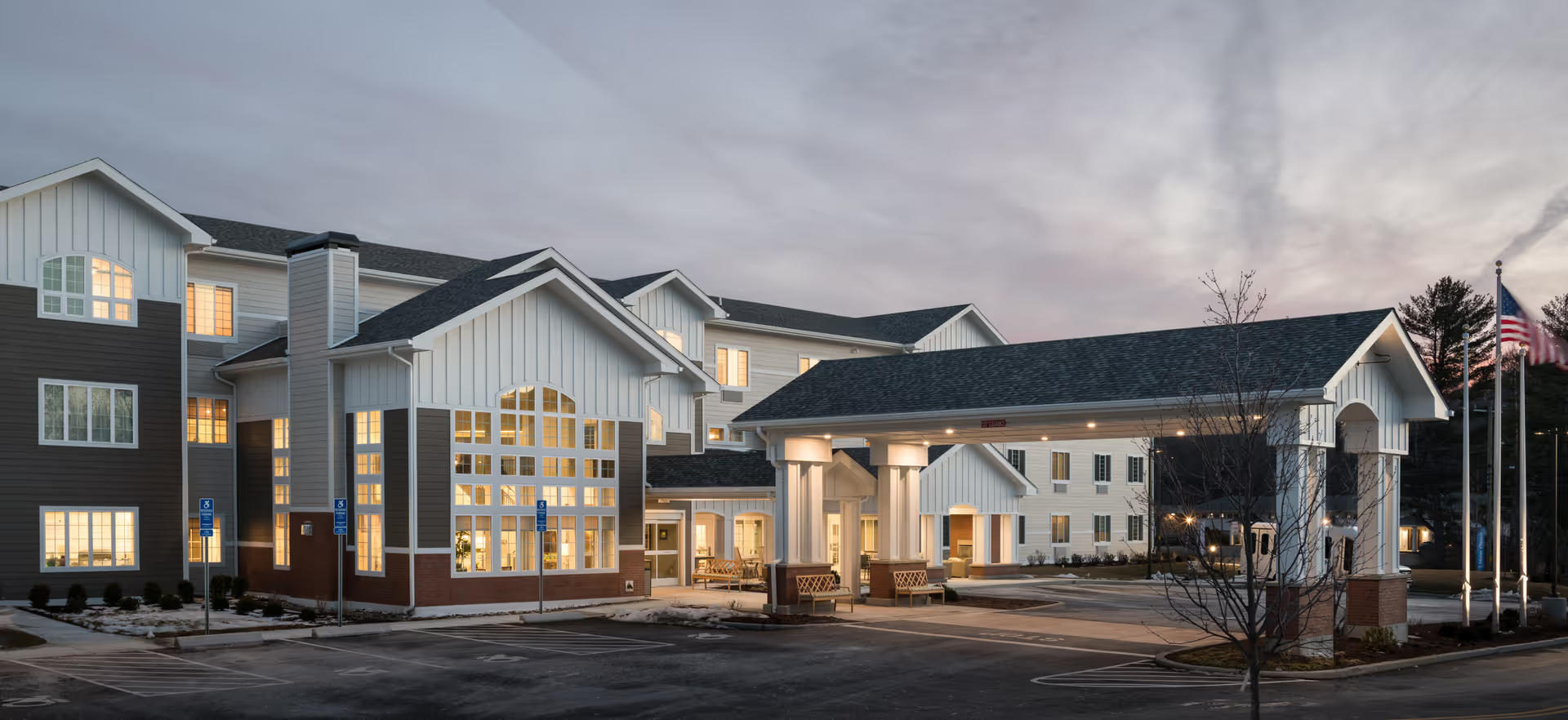
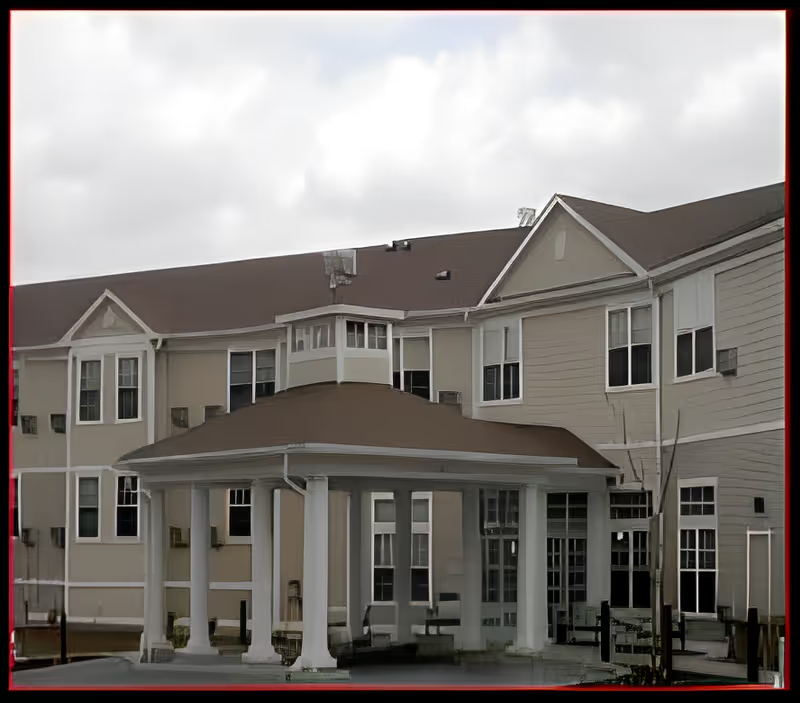
Reviews depict a facility with a clear divide between strong short-term/rehab performance and uneven long-term care experiences. Many families praise the therapy team and rehabilitation outcomes, noting effective physical therapy, wound care, and successful post-surgical recoveries that prepared residents to go home. When the facility delivers as intended, reviewers describe compassionate CNAs and nurses, a team-based admission process, regular health-care meetings, and an environment that feels clean, well-maintained, and welcoming.
At the same time, a pattern of operational weaknesses emerges. Staffing levels and consistency are recurring concerns: reviewers recount long waits for assistance, slow call-bell response times, variable weekend coverage, and staff who appear overextended. These staffing pressures are linked to other operational gaps — delayed chart updates, incomplete discharge information, and medication-administration or documentation errors — that families identified as substantive risks to continuity and safety of care.
Dining and activities generate mixed feedback. The facility offers active recreational programming, afternoon entertainment, and dining areas that some residents enjoy; several reviewers highlighted pleasant meals and a chef-driven menu. However, meal preparation and service reliability are inconsistent: accounts range from above-average dining to cold or poorly handled items and food-sitting concerns. Participation in activities also varies by resident; while programming is available, not all residents engage with it.
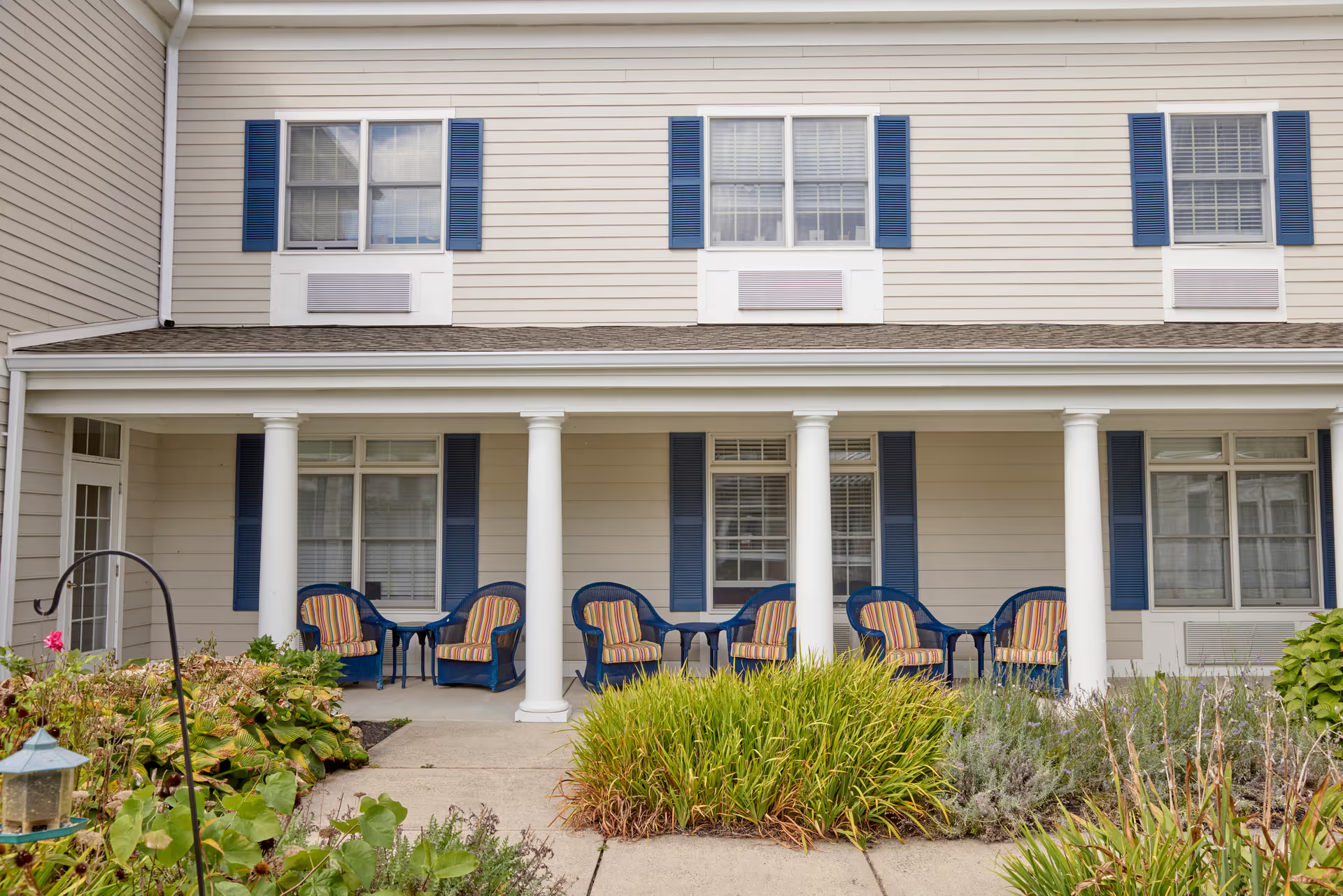
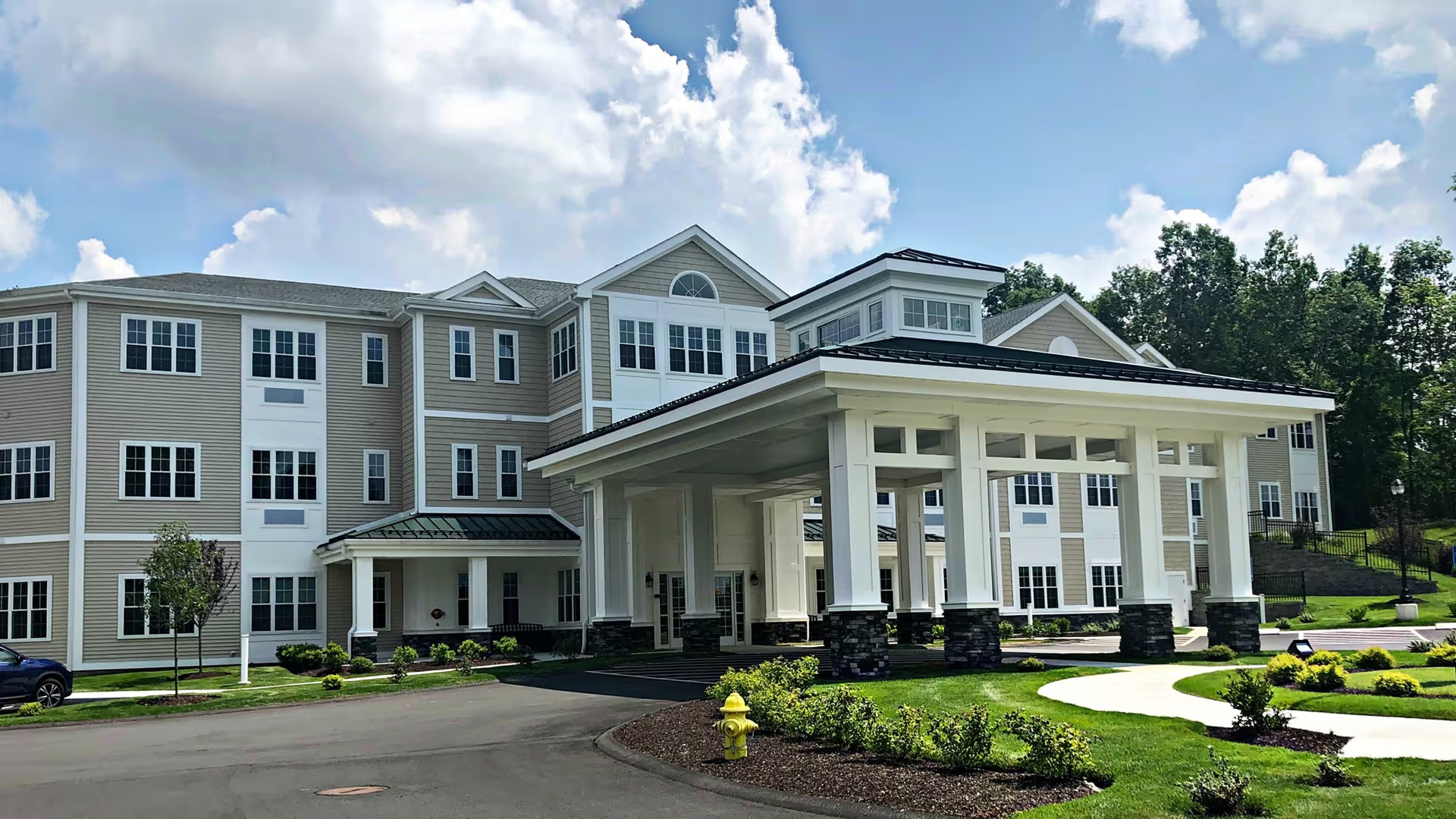
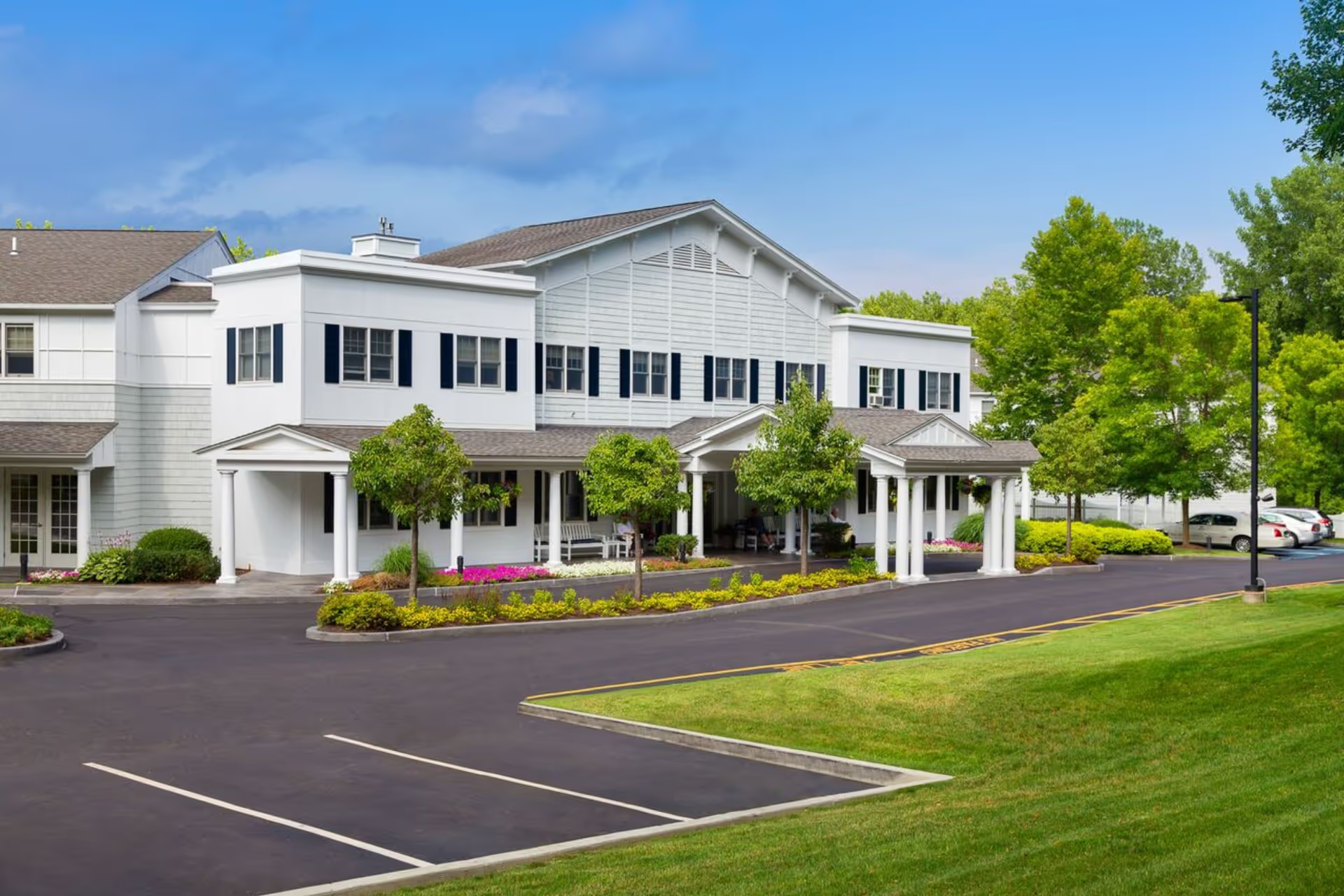
Facilities and management are likewise described as a mix of strengths and gaps. Maintenance and cleanliness receive positive remarks and renovations are in progress, but there are complaints about room size, lack of windows in some rooms, cold bathrooms, and issues with accessibility and transport coordination. Communication and family engagement are uneven — some families praise thoughtful case management and introductions from administration, while others experienced poor communication, denied access to records, or difficulty obtaining timely explanations. Finally, a number of families expressed significant concern about the facility's infection-control and pandemic response, including communication after resident deaths; this has heightened sensitivity to emergency preparedness and transparency.
In sum, prospective residents and families are likely to encounter excellent short-term rehabilitation and many engaged, caring staff members, but should also evaluate operational reliability: staffing patterns (especially weekends and after-hours), medication/documentation practices, dining consistency, noise and behavioral supports, and how the facility communicates about care and incidents. A focused inquiry on nurse-to-resident ratios, on-call clinician availability, meal-service procedures, and recent quality-improvement actions around staffing and infection control would help families assess fit for long-term placement versus short-term rehabilitation stay.