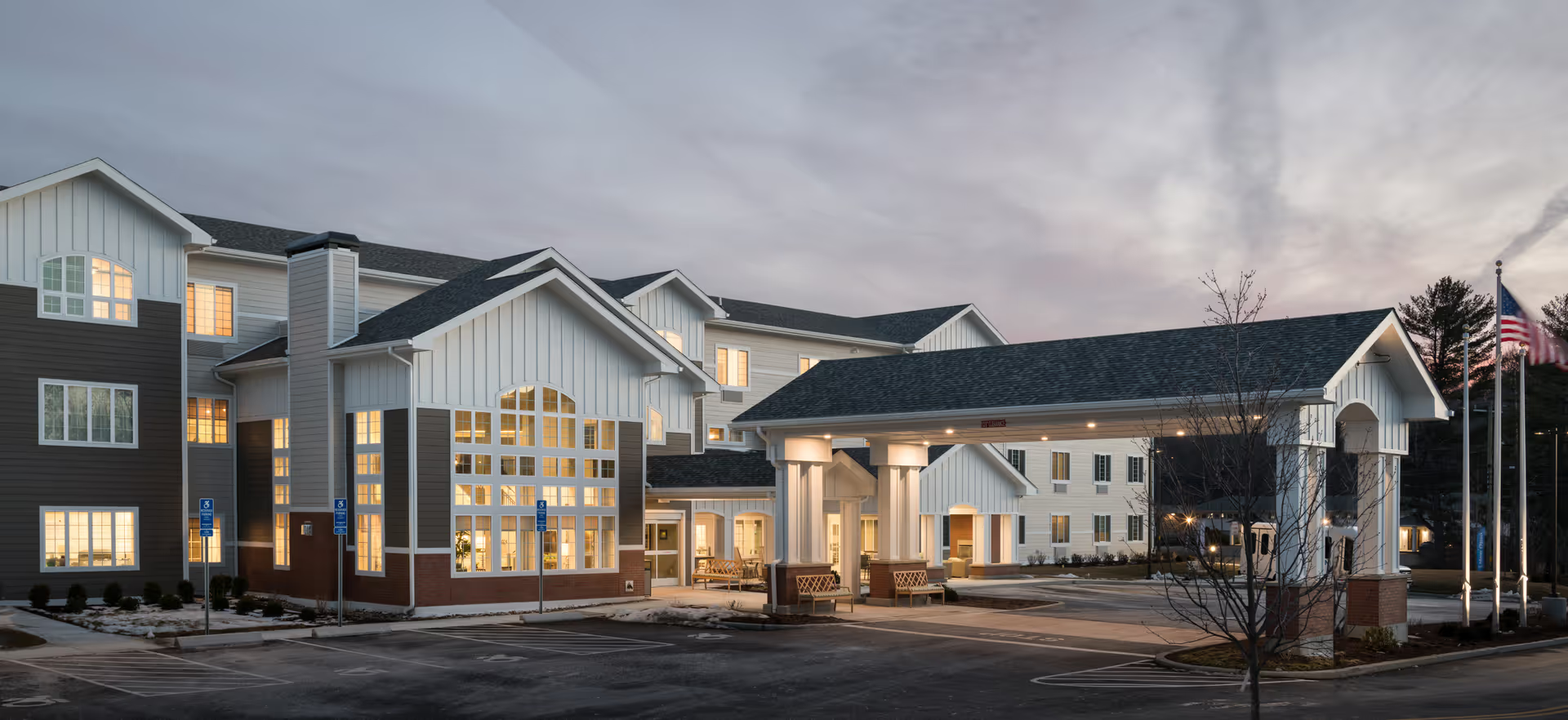
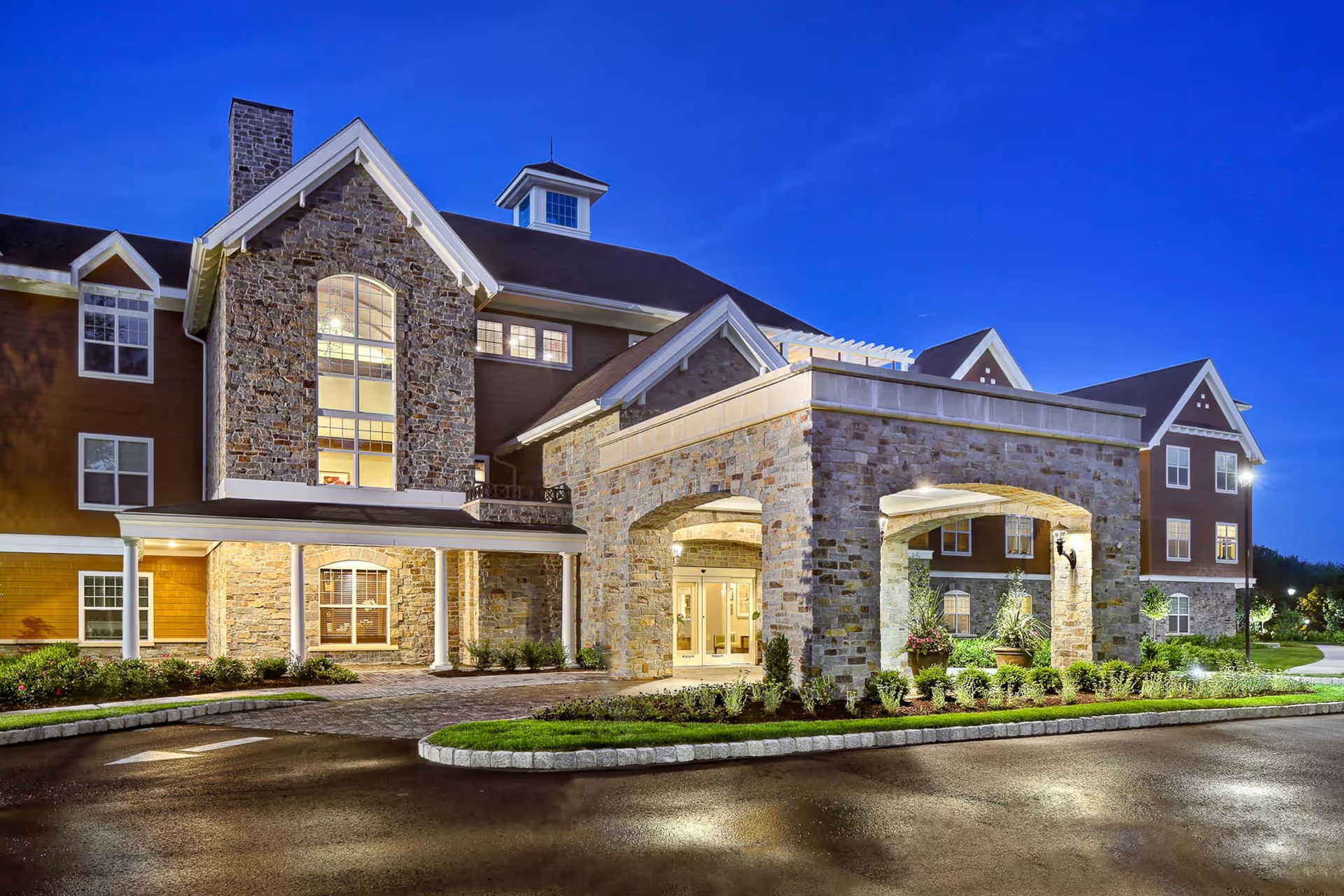
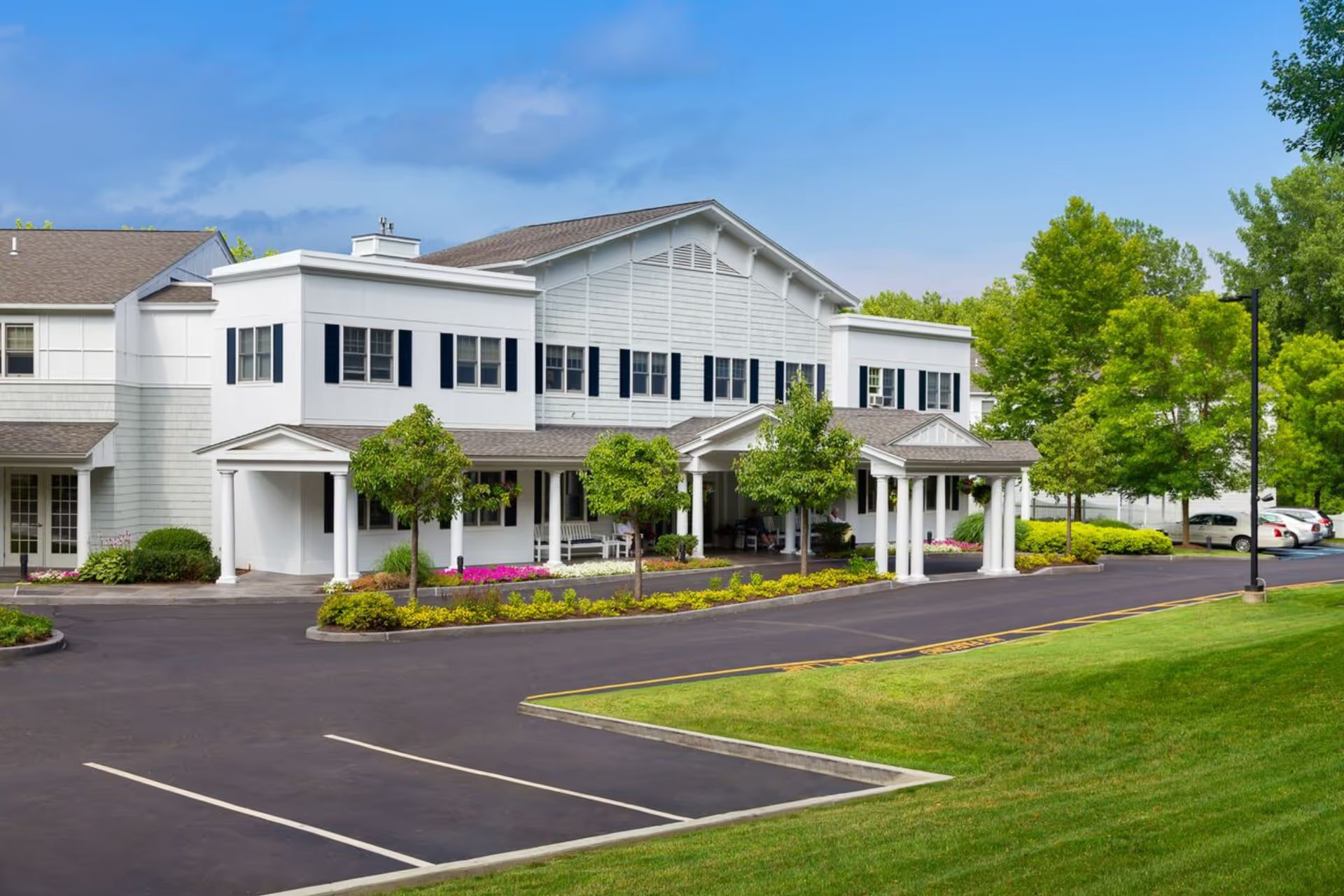
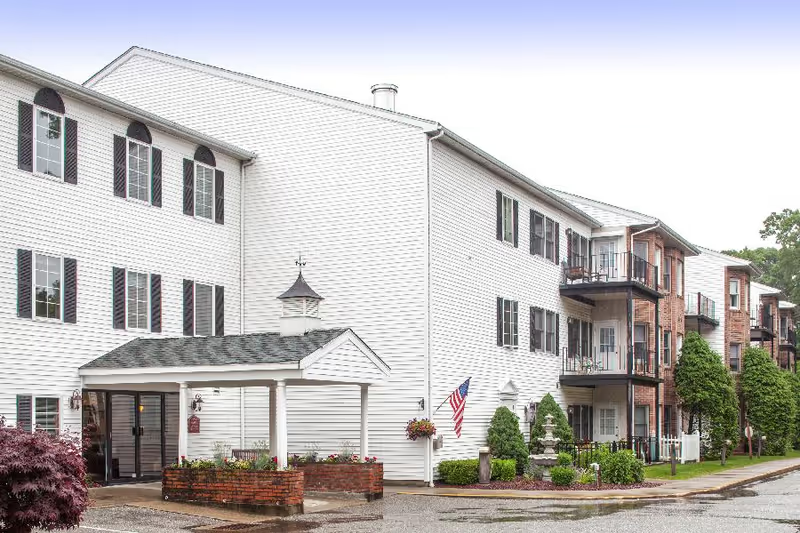
The Village at Brookfield Common is widely described as an attractive, hotel-like community with many visible strengths: modern, well-maintained public spaces, a pleasant dining room setup, multiple gathering rooms and outdoor patios, and a robust calendar of activities that includes live entertainment, outings, and family-inclusive events. Many families and residents praised a warm, social atmosphere and repeatedly noted staff members who learn residents’ names, provide personal touches, and create a sense of home. On-site therapy/rehabilitation services and transportation to medical appointments are additional operational strengths for prospective residents who value convenience and continuing outpatient care.
Care quality and staffing present a mixed picture. Numerous accounts emphasize compassionate nursing and caregiving staff, regular evening check-ins, safe medication administration, and attentive personal interactions. At the same time, reviewers raised operational concerns about staffing levels and turnover: aides are sometimes described as hardworking but overstretched, which reviewers say can lead to rushed assistance, longer wait times for help, and variability in personal-care routines (bathing and dressing follow-through). There are also intermittent but substantive concerns about clinical coordination and accountability for personal items, which suggest variability in day-to-day care processes across units.
Dining and activities are prominent features. The community offers an appealing dining environment, bistro/cafe options, and family-meal opportunities; many reviewers found meals and the dining experience pleasant and social. However, dining quality was uneven for some families after staffing or chef changes, and the facility’s meal scheduling can be rigid, creating the risk of missed meals for residents with outside appointments. Activity programming is a consistent strength overall—wide-ranging offerings, special events, and family-focused celebrations are frequently noted—though a subset of reviewers wished for more resident-driven programming and greater variety on some days.
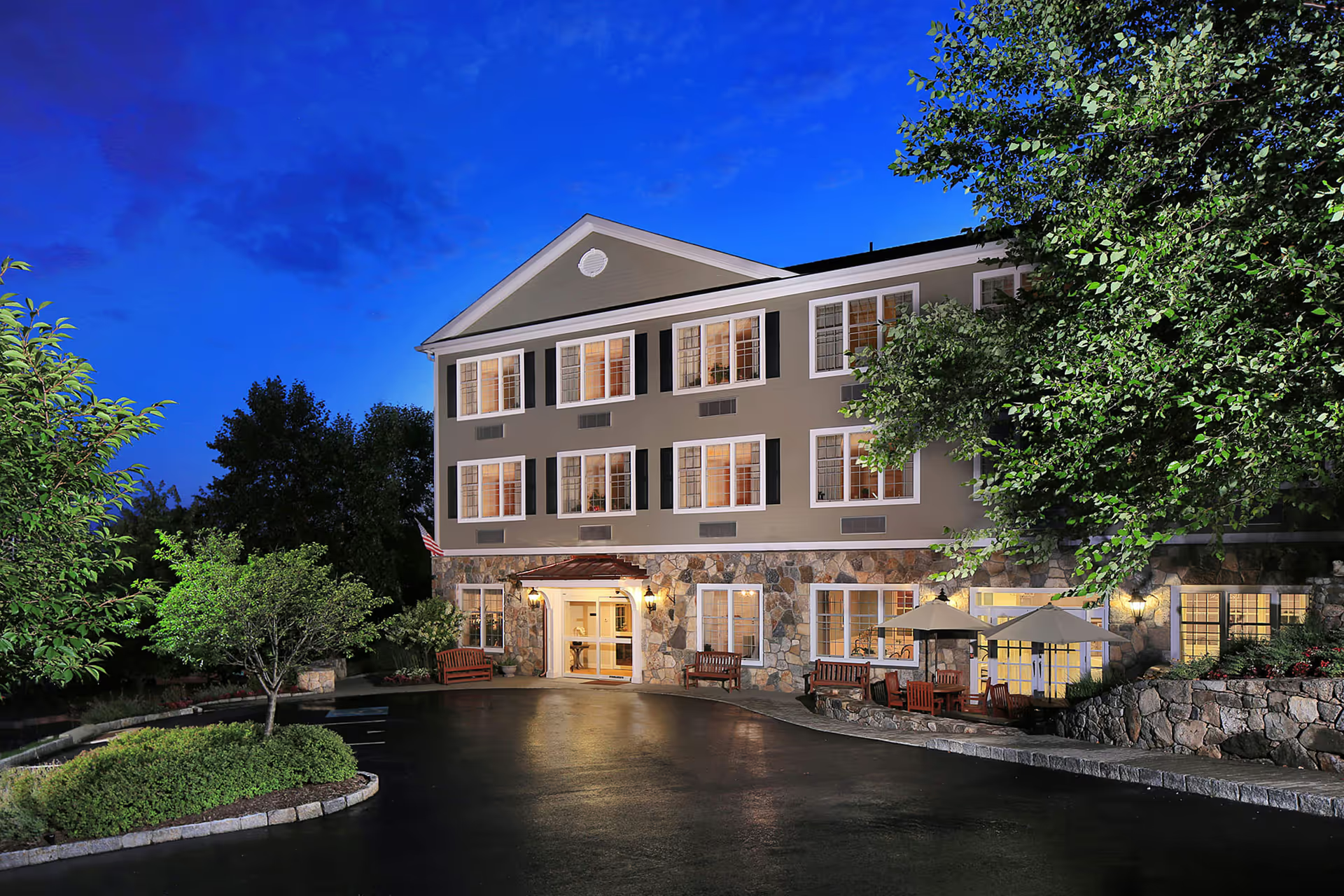
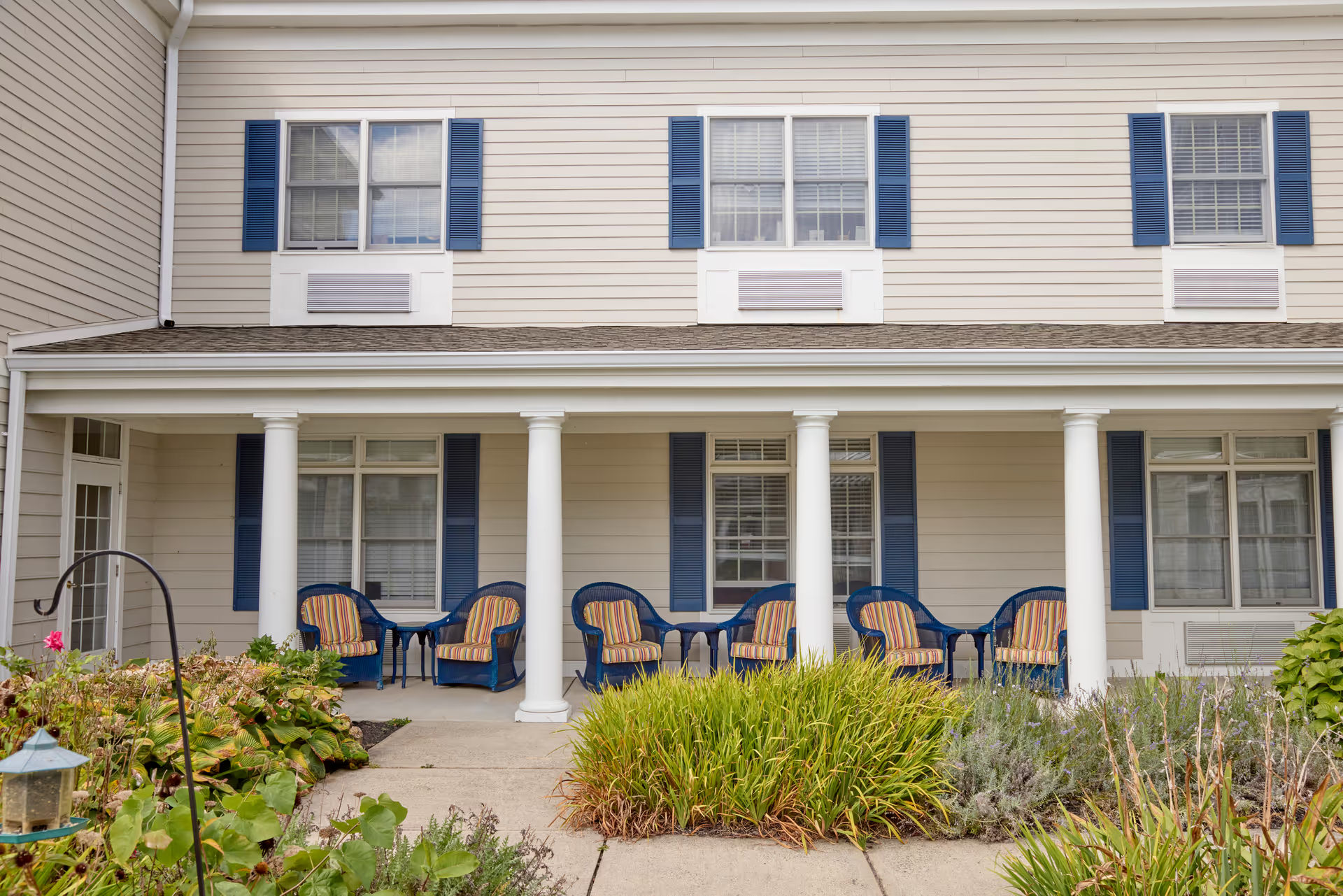
Facility design and apartments earn strong marks for cleanliness, aesthetics, and ease of visiting. Reviewers describe bright, well-kept spaces and a contemporary design. Constraints mentioned include relatively small private-unit footprints and a limited variety of memory-care apartment types. Outdoor space quality varies by area of the property, and proximity to a busy road was flagged by a few visitors.
Management and financial practices show divergent impressions. Many families reported responsive admissions staff and management who address concerns promptly, and several praised specific team members for facilitating smooth moves. Conversely, there are patterns of concern about sales-driven intake practices, annual rate increases, supplemental fees for higher levels of care, and occasional billing inconsistencies. A few comments also raised vendor-payment or administrative follow-through issues, indicating variability in back-office operations.
Notable patterns for prospective families: the strongest, most consistent positives are the facility’s social environment, well-designed public spaces, and many staff members who are described as caring and engaged. The clearest operational risks are staffing instability and the resulting variability in care and service consistency, plus uneven dining quality and financial transparency around fees and rate increases. Prospective residents and families should schedule an in-person visit, meet nursing leadership, ask for current staffing ratios and turnover metrics, review recent inspection or health-survey records, clarify all fee structures and billing practices, and request specifics on cleaning and pest-control protocols and memory-care programming to ensure the community’s strengths align with their clinical and lifestyle needs.