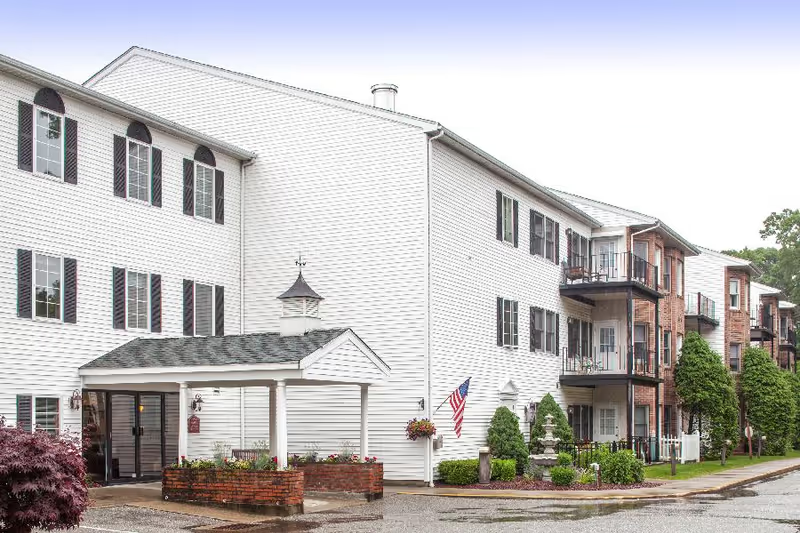
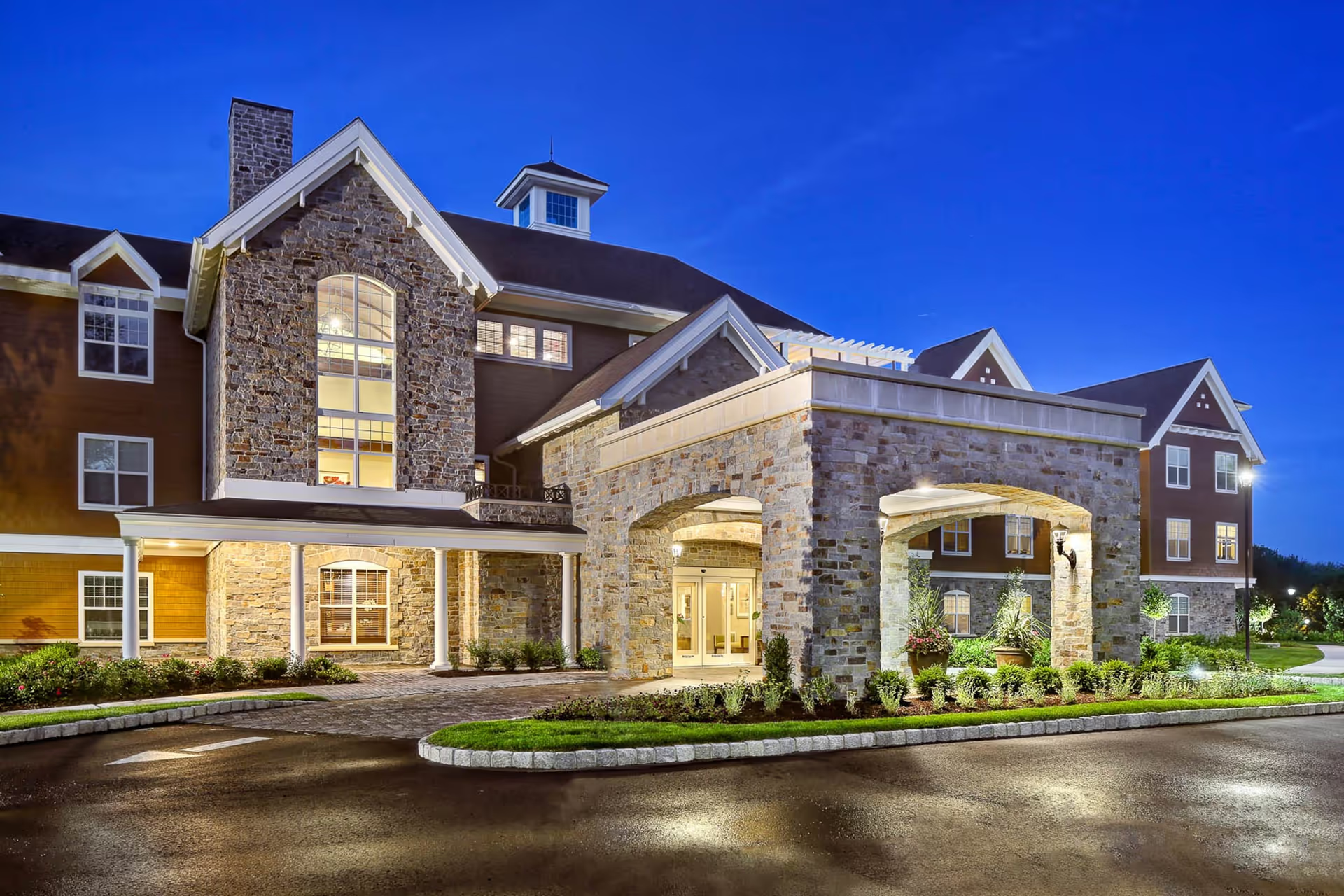
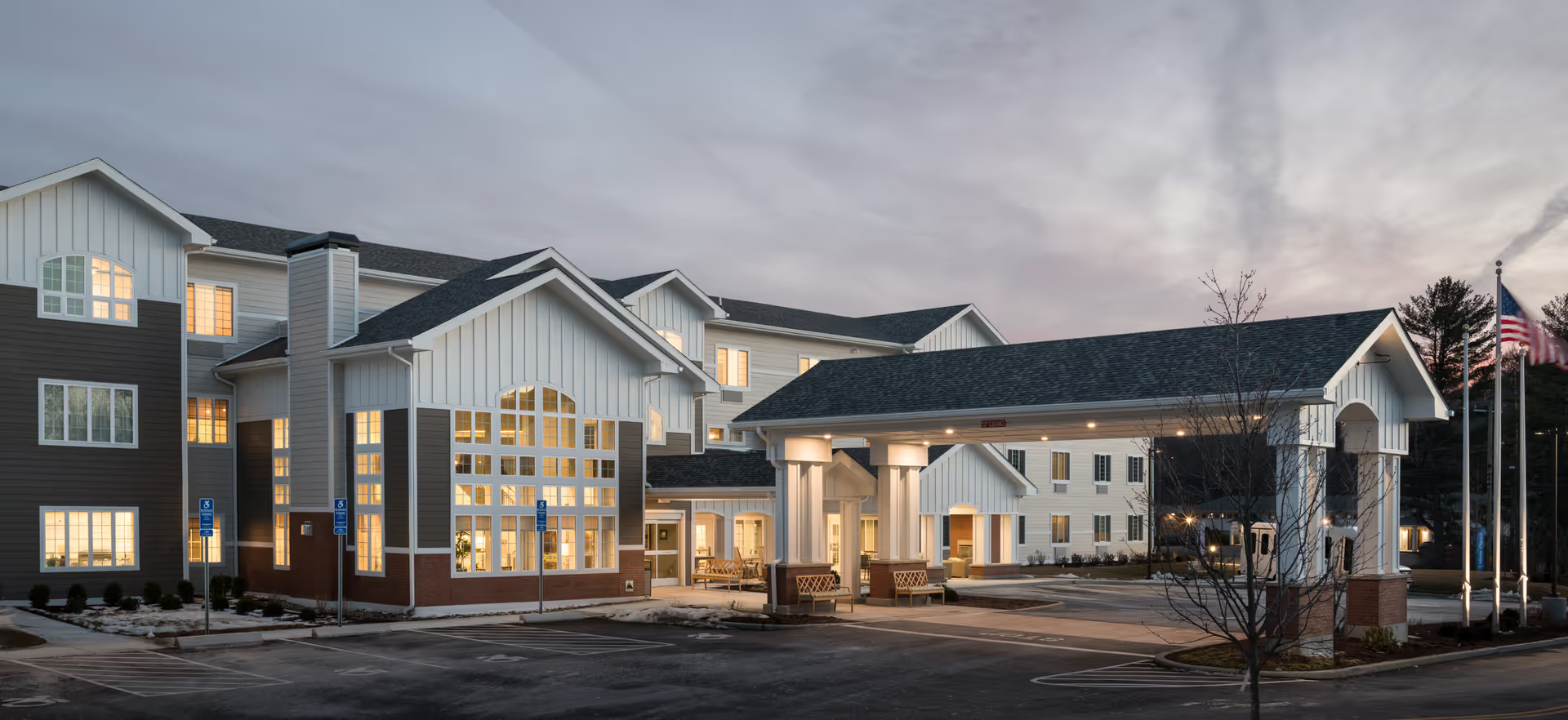
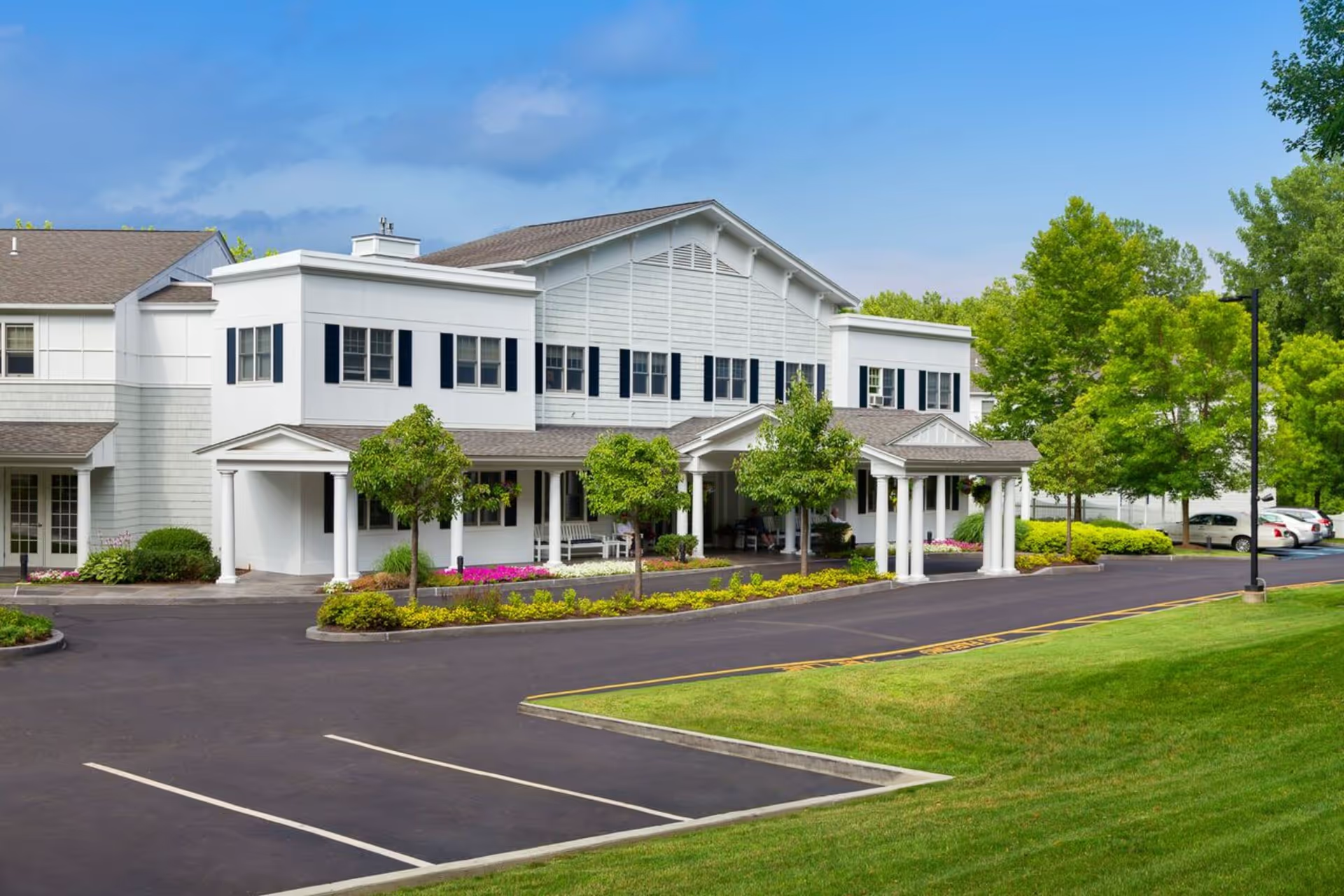
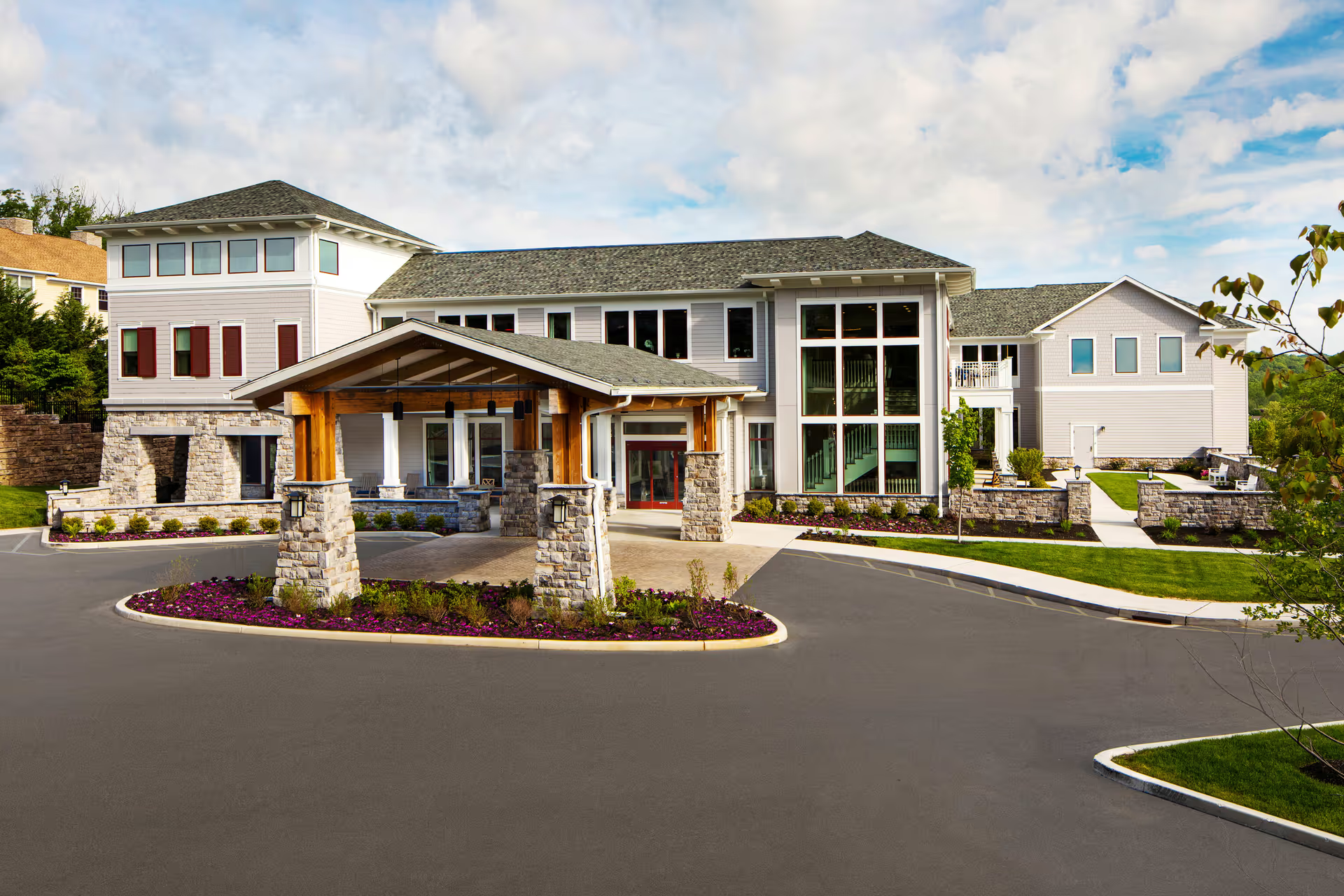
Spring Village at Danbury is described overall as a small, home‑like assisted living community with a strong emphasis on personal relationships and day‑to‑day warmth. Many families highlight compassionate, attentive staff who learn residents’ names and preferences, a sense of family in the culture, and visible long‑tenured leadership. The community’s atmosphere, tasteful common areas, and generally clean, well‑kept rooms contribute to a homelike impression. Reviewers also note practical supports such as equipment lending and temporary furniture loans, which can be useful during transitions.
Care quality is frequently praised at the assisted‑living level: aides and nurses are often characterized as devoted, patient, and attentive, and staff responsiveness during end‑of‑life situations or illness receives positive mention. At the same time, several families identified variability in clinical oversight when residents’ needs increase. Concerns include inconsistent nursing coverage, weekend staffing gaps, and isolated medication or transfer issues; these point to operational vulnerabilities for higher‑acuity residents. Prospective residents should verify staffing ratios, clinical coverage hours, and the facility’s process for handling clinical escalations before move‑in, and consider a thorough pre‑admission assessment to align expected services with actual needs.
Dining is a mixed but generally favorable area. Many reviewers describe plentiful, well‑presented meals with options for customization and accommodation of special diets. Positive comments about chef‑prepared meals and a pleasant dining room environment are common. Conversely, others cite limited variety, repetitive menus, and portioning concerns (including preferences about starches and portion size). Families may wish to sample meals, ask about menu cycles, and confirm accommodations for specific dietary preferences or restrictions.
The activity program and social life are consistently mentioned as strengths. Regular programming—sing‑alongs, musical performances, bingo, classes, arts and crafts, and wellness offerings such as chair yoga—supports social engagement and quality of life. The small size of the facility contributes to a community feel and frequent staff–resident interactions, though it can also limit the breadth of on‑site amenities and outdoor space compared with larger campuses.
Facility‑level features include generally well‑maintained interiors, a tasteful dining area, and convenient proximity to families. The community historically focused on assisted living; some reviewers note a newly added memory‑care unit, while others observed that memory care has been housed separately, so clarity about on‑site dementia services is recommended during tours. Accessibility of services such as Foley catheter care and equipment loans was cited positively.
Management and organizational patterns present a mixed picture. Many reviewers praise dedicated leadership and long‑standing staff, while a notable pattern concerns changes following ownership transition: increased staff turnover, departures of long‑standing employees, declines in responsiveness at the front desk, and concerns about billing transparency and extra charges. These issues have created variability in family experience—ranging from exceptional support to instances of poor communication and the need for persistent advocacy on the family’s part. Prospective families should ask direct questions about recent staffing changes, turnover rates, billing practices, weekend coverage, and escalation/contact protocols.
In summary, Spring Village at Danbury appears to offer a warm, personalized assisted‑living environment with strong social programming and many families experiencing high levels of satisfaction with caregiving staff and day‑to‑day life. Important caveats are operational: verify clinical staffing levels for higher‑acuity needs, probe management responsiveness and billing practices (especially after ownership changes), and confirm memory‑care availability if that level of service may be required. A thorough tour, conversations with current families, and a clear written agreement about services and charges will help align expectations with the facility’s current operational reality.